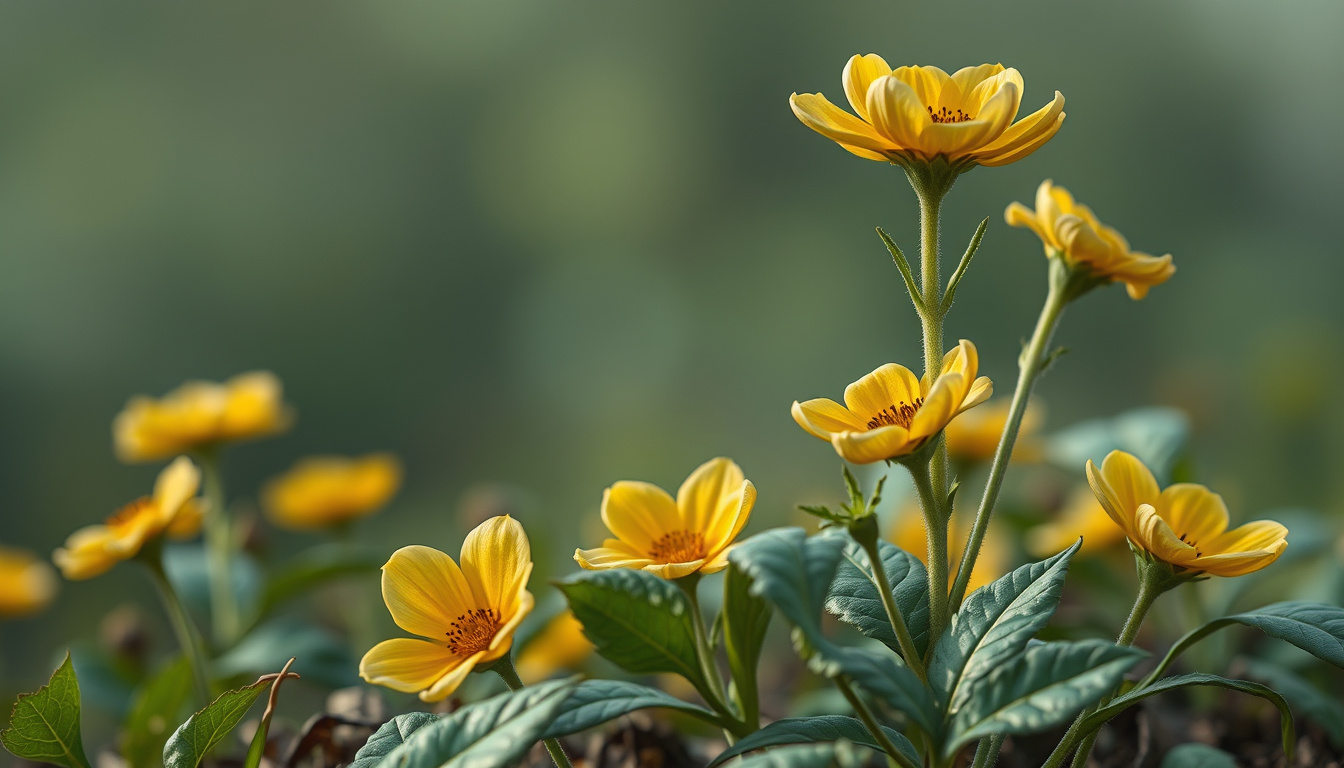
How Long Does The Flower Of Bones Take To Grow: Best Growth Timeline
Waiting for the first flower of bones to open can feel like a test of patience. You water, inspect, and wait, and for weeks the plant may look as if nothing is happening. Then the tight bud swellings appear where the leaves meet the stem, and the whole timeline suddenly makes sense.
Under stable conditions, most healthy flower of bones plants reach their first visible bloom about 10 to 14 weeks from seed. When light, temperature, watering, or soil chemistry are inconsistent, that window often stretches to 14 to 18 weeks. This guide walks through the growth timeline stage by stage, explains why plants drift off schedule, and gives you a practical checklist to bring a slow plant back on track.
Understanding the Flower of Bones Growth Timeline
The flower of bones follows a predictable sequence: germination, vegetative growth, bud formation, and flowering. Each stage has visible markers. Once you learn to read those markers, you can tell whether your plant is on schedule long before the first flower appears.
What Is the Flower of Bones?
Flower of bones is an ornamental flowering plant grown for its unusual bloom structure and long-lasting color. It performs well in garden beds and containers, but it rewards consistency rather than intense attention. Keep the roots from drying out completely, avoid soggy soil, and give it steady light, and the plant will move through the same developmental stages every time.
Cultivars vary in flower size and final height, but the order of events stays the same. That is why a documented timeline is useful: you are looking for stage transitions, not calendar dates alone.
If you are growing in a container, pot color and heat absorption can change root-zone temperature by several degrees and shift the whole timeline. Before sowing, check whether this plant will grow as an annual or a perennial in your area by starting with the USDA’s plant resources.
The Standard Growth Window
Seed to first bloom normally takes 10 to 14 weeks under stable conditions. This assumes daytime temperatures around 68–75°F (20–24°C), consistent light, a well-draining soil pH of 6.0–6.5, and a watering rhythm that lets the top layer of soil dry slightly between waterings.
| Stage | Typical timing from sowing | What you should see |
|---|---|---|
| Germination | 7–14 days | Seed coats split; cotyledons open |
| Vegetative growth | Weeks 3–8 | New leaves every 3–5 days; stem thickens |
| Bud formation | Weeks 8–12 | Tight swellings appear at leaf nodes |
| First bloom | Weeks 10–14 | First flower opens; secondary buds follow |
Growers who hit the early end of this range usually keep conditions steady rather than pushing the plant with extra fertilizer or more light. The next sections explain each stage so you can compare your plant against the checkpoints.
The Three Main Growth Stages
Think of the timeline as a sequence of visible checkpoints. If you can identify which checkpoint the plant has reached, you know what to do next.
Germination and Early Establishment (Weeks 1–3)
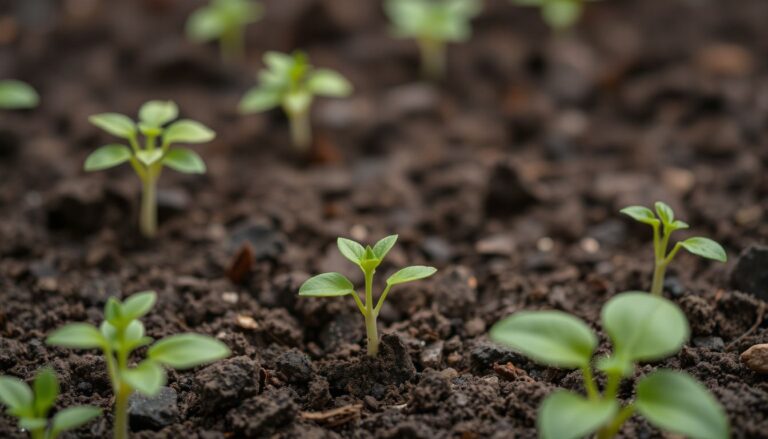
The journey starts when the seed absorbs water and the root tip emerges. Under optimal soil temperatures of 70–75°F (21–24°C), most seeds sprout within 7 to 14 days. The sign to look for is uniform emergence: seedlings should appear within a few days of one another.
Uneven emergence is often the first warning that the rest of the timeline will be uneven too. Seedlings that lag by a week frequently flower a week later, even if you correct conditions afterward. Keep the growing medium consistently moist but not waterlogged, and remove any humidity cover as soon as more than half of the seeds have sprouted.
Once the cotyledons unfold, the plant is officially in its vegetative stage. From that point, light matters more than heat.
Vegetative Growth and Root Expansion (Weeks 3–8)
During this stage, the plant builds the structure it needs to support flowers. You should see new leaves every 3 to 5 days, a thickening stem, and roots starting to appear at the drainage holes of the container.
A common mistake is measuring progress only by height. The flower of bones can look compact while still developing a substantial root system. Watch the leaf nodes instead. The plant is ready to flower when those nodes begin to swell.
Keep nitrogen moderate during this phase. Too much nitrogen produces dark green leaves but delays bud set, because the plant keeps pushing vegetative growth instead of moving toward flowering.
Bud Formation and Bloom Timing (Weeks 8–12)
The transition to flowering usually becomes visible between weeks 8 and 12. Small swellings appear where each leaf meets the stem. These swellings enlarge over 7 to 10 days, then begin to show color. The first flower opens roughly 10 to 18 days after that initial color change.
Check the stem nodes twice a week during this phase. Buds often form while the plant is still modest in size, so height alone is a poor indicator.

Tight bud swellings at the leaf nodes are the first clear sign that flowering has started.
Once the first bloom opens, the plant is not finished. Secondary buds continue to develop, and the overall display can last much longer than a single flower.
Why Growth Timelines Vary Between Plants
Even two plants from the same seed batch will not bloom on the same day. Minor differences in microclimate, container depth, and watering cause small shifts. The main variables are temperature, light, soil chemistry, and root oxygen.
Temperature and Light Exposure
Temperature controls the speed of enzyme activity inside the plant. Cool nights near the lower edge of the ideal range can delay visible bud swelling by a week or more. Large day-night swings slow the plant because its biological processes do not run at an even pace.
Light intensity matters just as much. Low light delays the switch from vegetative growth to flowering. Erratic lighting—bright one day, dim the next—can slow bud formation even when average brightness looks acceptable. Consistency beats maximum intensity for this plant.
Soil Chemistry and pH
Soil pH controls nutrient availability. When pH drifts outside the 6.0–6.5 range, roots cannot absorb nutrients efficiently even when fertilizer is present. A reading of 5.2 instead of 6.2 can cause slower leaf expansion and delayed bud set.
If the plant looks healthy but growth is slow, test the soil before adding more fertilizer. A university extension guidance provides straightforward instructions for a basic soil test. The fix is often adjusting pH, not increasing feed.
Building fertility with finished compost is also a better long-term step than relying on liquid fertilizer alone. If your pile is still coarse, check compost pile readiness before adding it to the planting hole.
Watering Rhythm and Oxygen Availability
Roots need oxygen to turn water and nutrients into growth. Overwatering fills the pore spaces between soil particles and cuts off that oxygen supply. A plant can stall for weeks in saturated soil even when temperature and light are perfect.
Water only when the top 2 cm of soil feels dry. Check moisture depth before each watering, and make sure the container drains well enough to prevent water from pooling in the saucer. This one habit prevents more growth delays than any other practice.
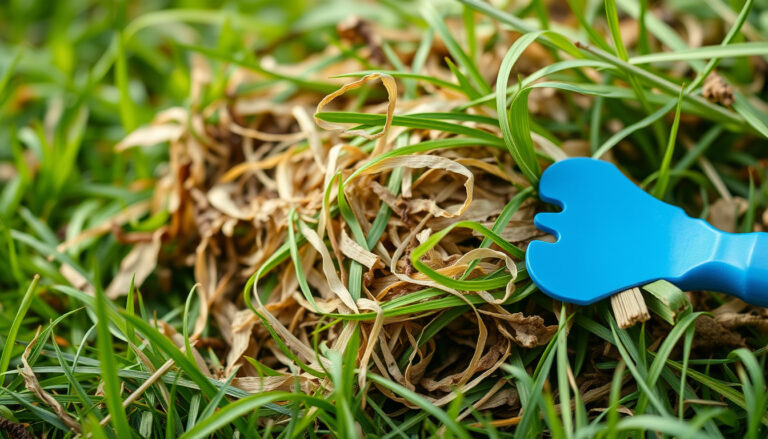
Mulch can help keep moisture even, but apply it loosely and thinly. A thin layer of recycled grass clippings slows evaporation without trapping excess moisture at the stem. If you prefer wood mulch, remember that wood chip breakdown rates are slow, so keep the mulch a few centimeters away from the stem.
The 5-Step Growth Checklist for Faster Progress
Use this checklist when a plant seems stuck. It is designed to improve conditions without creating new stress.
Step 1: Confirm Light Intensity and Photoperiod
Measure light at canopy height, not at the bulb or window. Keep the light schedule fixed by using a timer. If you are unsure what your cultivar needs, start with 14 hours on and 10 hours off and hold that cycle steady.
Growers who switch from an irregular schedule to a fixed cycle often see bud formation advance about a week sooner because the plant stops receiving mixed signals.
Step 2: Calibrate Watering Based on Moisture
Water by feel, not by calendar. Insert a finger into the top 2 cm of the growing medium. If it feels dry, water. If it is still damp, wait another day.
Overwatering delays flowering more than mild underwatering because saturated roots cannot respire. When in doubt, let the soil dry a little more before watering again.
Step 3: Adjust Nutrients in Stages
Start with a balanced water-soluble fertilizer at half strength. Watch the leaf color for the next week. If the leaves stay even and green, you can gradually increase to full strength over two or three feedings.
A sudden jump in fertilizer strength causes salt buildup in the soil, which suppresses root uptake and can delay flowering. Slow, steady increases give the root system time to adjust.
Step 4: Maintain Temperature and Humidity Stability
Keep daytime temperatures near 68–75°F (20–24°C) and avoid night drops of more than about 10°F (5–6°C). Stable conditions help the plant move through bud formation without stress.
If you grow under cover, keep air moving. Stagnant, humid air encourages condensation on buds and leaves, which creates a route for fungal problems.
Step 5: Track Checkpoints Tied to Growth Stages
Record one short observation per week: the number of new leaves, the presence of bud swellings, and the date of the last watering. This gives you a simple history of the plant’s behavior.
Adjust one variable at a time. If you change water, light, and fertilizer all in the same week, you will not know which adjustment helped. A single-variable approach keeps cause and effect clear.
Common Mistakes That Slow Growth
Avoiding these errors saves weeks of delay and prevents unnecessary frustration.
Overwatering and Root Oxygen Deprivation
Saturated soil is the most common reason flower of bones plants fail to bloom on time. Roots need oxygen, and persistent moisture starves them.
Check the drainage hole and the weight of the container. A pot that stays heavy a week after watering is holding too much water. Fix the problem by watering smaller amounts and allowing the medium to dry between waterings.
Underfeeding or Sudden Fertilizer Jumps
Underfeeding slows leaf expansion, but sudden feeding is just as risky. High fertilizer concentrations build up salts around the roots and interfere with water uptake.
The fix is gradual. Use a diluted solution, observe the response, and only increase the concentration after the leaves show a steady color. The same principle applies to soil amendments: use only safely composted poultry manure before mixing it into the soil near young roots.
Ignoring Pest Pressure
Pests redirect resources from flower production to defense. Even a small aphid or mite population can slow bud development because the plant is busy repairing damage rather than building flowers.
Inspect the underside of leaves every time you water. Look for tiny moving specks, sticky residue, or pale stippling. Acting on the first signs of trouble is far less stressful for the plant than waiting for a large infestation.

Check the underside of leaves during every watering to catch pest pressure before it slows flowering.
Before reusing pots and trays, wash them well and rinse thoroughly. Gardeners who already follow a disciplined boat and gear cleaning routine can apply the same habit to containers and saucers.
When to Intervene: Wait, Troubleshoot, or Restart?
Knowing when to act prevents both unnecessary disruption and costly delays.
Observation Thresholds
If bud formation shows no visible progress for 10 consecutive days while temperature remains within the target range, the stall likely reflects a correctable constraint rather than a dead plant.
Check these indicators:
- Leaf turgor and firmness
- Stem stability
- Early bud swelling
- New leaf emergence
If two consecutive readings show a stable appearance but no new buds, extend the wait by three days before changing anything. The trade-off: an unnecessary repotting during bud formation causes more delay than a week of doing nothing.
Run a Single-Variable Diagnosis
Test only one variable at a time. This preserves cause-and-effect clarity.
| Suspected issue | What to look for |
|---|---|
| Light problem | Stretching stems, pale leaves, weak internodes |
| Water problem | Persistent wilting, waterlogged soil, slow drainage |
| Nutrient imbalance | Slowed leaf expansion, discoloration, burned leaf edges |
| Airflow problem | Condensation on buds, fungal growth, musty smell |
When Restart Makes Sense
Restart only after confirming root viability. Gently check the roots:
- Firm and light-colored roots: continue troubleshooting.
- Hollow, dark, or sour-smelling roots: restart is justified.
This evidence-based approach protects your progress while preventing unnecessary resets.
FAQ: Flower of Bones Growth Questions
How long does the flower of bones take to grow from seed?
Seed to flower typically takes 10 to 14 weeks under stable conditions. Germination can be quick, but the plant needs time to build a sturdy root system and enough energy reserves for flowering.
How can I speed up growth without stressing the plant?
Stabilize light intensity and keep it consistent daily. Water only when the top layer of soil dries slightly. Adjust nutrients gradually using weaker doses first. These changes improve conditions step-by-step rather than all at once.
Why is my plant not growing after several weeks?
Common causes include low light, waterlogging, nutrient imbalance, or poor seed viability. Check light placement, drainage, and soil moisture before changing anything else.
How long does recovery take after overwatering?
Expect 1 to 3 weeks for recovery, though root damage can extend this. Look for firmer stems and new leaf growth as positive signs.
Conclusion
Growing the flower of bones rewards patience and careful observation. The 10 to 14 week timeline is your baseline, but real progress comes from watching developmental checkpoints rather than counting calendar days.
Start with stable conditions: consistent light, proper watering rhythm, and gradual nutrition. Watch for the key transitions at each growth stage, and adjust only one variable at a time when something seems off.
Your next step is simple: inspect your plant today and note two things—whether bud swellings are present and whether new leaf growth has appeared since the last watering. Do that on a fixed schedule, and you will catch slowdowns before they cost you a bloom cycle.
The same discipline that keeps a flowering plant on schedule also applies to projects where timing is everything. A patient outdoor cooking project rewards the same steady attention. A fast hot-oil method has its own precise window. In every case, the secret is knowing the checkpoints.
That is the best growth timeline for the flower of bones: not a rigid date, but a reliable set of signs that tell you exactly where the plant is and what it needs next.