How Deep Should a Planter Box Be for Flowers: Sizing Guide
Planter depth is one of the most overlooked details in container gardening, yet it determines whether your flowers merely survive or truly thrive. Get it wrong and even “easy” blooms stall, flop, or demand constant watering. The right depth gives roots room to anchor, stabilizes moisture levels, and keeps taller stems standing through summer storms.
Flowers are not one-size-fits-all. Shallow-rooted pansies need far less soil than taprooted cosmos or tuberous dahlias. Most flowering annuals perform best with 8–12 inches of soil, while larger or longer-season bloomers often want 12–18 inches. This guide breaks down exact depth ranges by flower type, root system, and growing situation, plus practical fixes for the most common sizing mistakes. You can also read our guide on how to plan a family friendly garden.
Why Planter Box Depth Matters for Flower Health
Depth shapes plant health before the first bud ever opens. A too-shallow box forces roots to circle, dry out quickly, and compete for limited oxygen. The plant may look fine for a week or two, then stall, wilt at midday, or topple in wind.
Depth controls three fundamentals:
- Root room: Roots need vertical space to branch and access nutrients.
- Moisture stability: Deeper soil holds water longer and buffers temperature swings.
- Nutrient access: A larger soil volume stores more slow-release nutrients and beneficial microbes.
In practice, a shallow box swings from soaked to bone-dry within hours on a sunny patio. That stress triggers blossom drop and weakens stems. A deeper container creates a moisture gradient — drier near the surface, evenly damp below — which mimics ground conditions more closely.
Drainage behavior also depends on depth. Too little depth leaves no room for excess water to move away from the root zone. Too much depth with a heavy, dense mix can create a waterlogged layer at the bottom that roots avoid or rot in. Matching depth to both flower type and potting mix is the real skill here.
Tall, top-heavy bloomers need a stable root mass to stay upright, especially after rain adds weight to petals. A deeper box supports stronger lateral root spread and cuts down on staking.
As university extension guidance on container gardening notes, container volume directly influences how often you must water and how well plants handle heat stress. That single variable — depth — is often the difference between daily watering and every-other-day care.
Recommended Planter Box Depth Ranges by Flower Type
Depth targets should follow root habits, not just above-ground height. Many popular annuals tolerate moderate depth, while deep-rooting bloomers and mixed plantings need a taller soil column. When in doubt, err slightly deeper — it is far easier to manage than a shallow box.
| Flower Type | Recommended Soil Depth | Examples |
|---|---|---|
| Shallow-rooted compact annuals | 6–8 inches | Alyssum, pansies, dwarf marigolds, violas |
| Most patio and bedding annuals | 8–12 inches | Petunias, geraniums, zinnias, snapdragons |
| Tall, long-season, or mixed plantings | 12–18 inches | Dahlias, cosmos, sunflowers, pollinator mixes |
| Bulbs and tubers | 12–18+ inches | Tulips, daffodils, dahlias, lilies |
Use 6–8 inches only for quick-color bedding plants in rail planters or narrow ledges where consistent hand-watering is possible. These shallow boxes dry fast and are unforgiving in full sun.
The 8–12 inch range is the sweet spot for most patio favorites. It supports stronger root branching, steadier moisture, and fuller foliage. This is also the best range for classic “thriller-filler-spiller” combination planters.
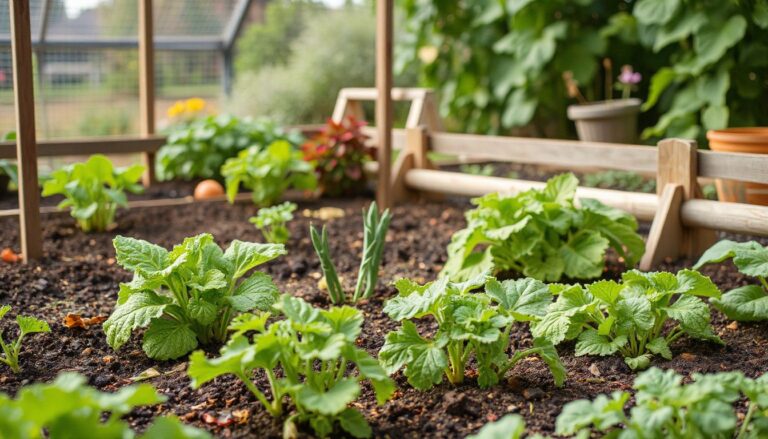
 Depth differences are easiest to see in side-by-side boxes: deeper containers hold moisture longer and support taller blooms.
Move to 12–18 inches when flowers get tall, bloom through a long season, or share space with companions. Dahlias, larger cosmos, and mixed pollinator boxes respond well here, especially in hot climates where evaporation is relentless.
How to Match Depth to Root Systems and Growth Habits
Planter depth should follow the plant’s root architecture, not just its height. A compact bloomer can fail in a deep box if its roots hate excess moisture, while a tall flower can topple in a shallow box even with perfect sun.
Most flowers fall into a few predictable root patterns:
- Fibrous, shallow-rooted annuals (petunias, pansies, alyssum): prefer moderate depth and consistent moisture, not extra-deep soil.
- Taprooted flowers (cosmos, poppies, some sunflowers): need deep, uninterrupted soil to avoid stunting and transplant shock.
- Clump-forming perennials (coneflower, coreopsis, salvia): appreciate depth for long-term vigor and winter survival, especially in cold zones.
- Bulbs and tubers (tulips, dahlias, lilies): need enough depth for planting height plus root run beneath the bulb.
Growth habit matters as much as roots. Tall, top-heavy plants need depth for anchoring. Trailing flowers, like calibrachoa or trailing petunias, often prioritize width and drainage over extra inches of soil.
A common mistake is planting zinnias and cosmos in the same shallow box. Cosmos have a strong taproot and will stall once it hits the bottom, while zinnias can still bloom reasonably well. Give taprooted flowers their own deep lane or box.
If you are refreshing an existing box, consider how soil amendments affect usable depth. Mature compost from kitchen scraps breaking down or properly aged chicken manure can improve structure in deeper containers without shrinking root space.
Soil, Drainage, and Moisture: Depth’s Hidden Impact
Depth quietly controls how soil behaves after every watering. A deeper planter holds more moisture and stays cooler. A shallow box dries fast and swings temperature hard. Neither is inherently better — it depends on the flower’s needs.
Drainage is where gardeners get tricked most often. A deep box with heavy mix can stay wet at the bottom, creating a low-oxygen zone that roots avoid or rot in. A shallow box with fast-draining mix can force daily watering and still leave plants stressed by afternoon.
- Deep + dense soil: slower drying, higher risk of soggy lower layers, more nutrient buffering.
- Deep + airy soil: stable moisture without waterlogging, ideal for mixed flower plantings.
- Shallow + airy soil: quick drying, great for drought-tolerant flowers, but unforgiving in heat.
For most flower planters, an airy mix is the depth multiplier. A quality blend with compost plus drainage components — perlite, pumice, or pine bark fines — lets roots use the full soil profile instead of hovering near the surface. Adding organic matter like finished compost or grass clippings that have decomposed improves water retention in deeper beds without creating a soggy bottom.
Practical check: if the top looks dry but the box feels heavy, depth is holding water low. If it feels light by afternoon, the depth or mix is not storing enough moisture for that flower choice.
University extension research on container media and watering consistently shows that container volume and media composition drive watering frequency more than plant type alone. Adjusting depth — not just adding more water — is often the real fix.
Planter Width vs. Depth: Finding the Right Balance
Depth only works when the planter’s width supports it. A deep, narrow box can hold roots but still fail if the surface area cannot buffer heat, wind, and moisture swings. Flowers respond fast to those swings.
Width influences how evenly water spreads and how stable tall plants stay. It also affects how many plants can share the same soil volume without competing at the crown. Think of depth as root room and width as living space.
- Narrow + deep: dries from the top fast, tips over easily, and can create a soggy lower zone if drainage is slow.
- Wide + shallow: heats up quickly and cannot hold moisture long enough for thirsty bloomers.
- Wide + moderately deep: the most forgiving setup for mixed annual flowers and compact perennials.
 A wider footprint gives tall flowers more stability and lets moisture spread evenly across the root zone.
A common mistake is choosing a 10-inch depth with only a 6-inch width, then wondering why petunias flop after rain. A 10–12 inch width at the same depth keeps spacing realistic and reduces staking. For balcony planters, extra width also prevents wind rock, which quietly damages roots and slows flowering.
If you are building a custom box, remember that wood chips breaking down slowly can be used as a base layer in very deep boxes to reduce the amount of potting mix needed — just do not mix them into the root zone.
Seasonal and Long-Term Considerations
Depth requirements shift with the seasons. A box that works in spring can fail by August if it cannot hold enough moisture for heat-stressed roots.
- Spring cool-season flowers: smaller boxes work fine because temperatures are mild and rainfall is frequent.
- Summer heat: deeper boxes buffer temperature swings and reduce watering frequency drastically.
- Perennials and bulbs: box depth must be enough to insulate roots through winter freezes and prevent frost heave.
For overwintering perennials in containers, an extra 2–4 inches of soil around the root ball acts as insulation. In cold climates, a 14–18 inch deep box dramatically improves survival rates for hardy perennials compared to a 10-inch box.
The color of the pot itself also affects soil temperature. Dark containers absorb heat and can make a shallow box even hotter in summer, while light-colored pots keep roots cooler. Depth and color work together to manage root-zone temperature.
Common Mistakes When Choosing Planter Box Depth
Most depth problems come from small planning errors that show up weeks later as yellowing leaves, slow growth, or collapsed stems. The planter looks fine on day one.
- Adding gravel to the bottom for drainage: this is a persistent myth in container gardening. Gravel creates a perched water table that raises the wet zone closer to roots and reduces usable soil depth. Open drain holes and a quality mix work better.
- Measuring external height instead of internal depth: a 14-inch-tall box may hold only 10 inches of soil after accounting for wall thickness and any false bottom.
- Ignoring mature height: tall bloomers in a shallow, narrow box tip over and need constant staking.
- Watering on a schedule instead of checking soil: depth determines how fast a box dries, so fixed schedules fail when depth is wrong.
- Planting all flowers at the same depth: mixed plantings should be designed around the most depth-sensitive plant, then managed with spacing and moisture monitoring.
A practical example: a homeowner installs a 14-inch-deep planter and adds 4 inches of gravel “for drainage.” The flowers struggle because effective soil depth is now closer to 10 inches, and the bottom stays wet. Removing the gravel and adding more mix solves the problem.
Quick Depth Checklist and Example Planter Setups
Use this checklist before buying or building a planter to avoid the most common sizing errors:
- Measure internal depth (soil space), not outside wall height.
- If using a false bottom or drainage insert, subtract that from usable depth.
- Match depth to the most demanding flower in a mixed planter.
- For full-sun locations, add 2–4 inches extra depth for moisture buffering.
- Check that drain holes are spaced every 6–8 inches along the bottom.
Example setups that work reliably:
- 8–10 inches: compact annual color in a window box (pansies, violas, dwarf marigolds).
- 10–14 inches: mixed containers with a few upright “thriller” plants (geraniums, salvia, dwarf dahlias).
- 14–18 inches: tall, long-blooming flowers and pollinator mixes that must survive summer heat.
A 12-inch-deep, 36-inch-long cedar box on a south-facing balcony, planted with geraniums and calibrachoa, holds moisture long enough for every-other-day watering and produces steadier blooms than a 7-inch window box.
Frequently Asked Questions
What is the minimum depth for a flower planter box?
For most flowering annuals, a minimum of 8 inches of soil is the practical floor. Shallow-rooted bedding plants like pansies and alyssum can manage in 6 inches if watered consistently, but anything less forces daily watering and root stress. For long-term health, aim for 8–12 inches.
Can I plant perennials in a shallow planter box?
Most perennials need at least 12–18 inches of soil to establish strong roots and survive winter. A 10-inch box may work for one season, but cold-hardy perennials will struggle with frost heave and root circling. Deep-rooted varieties like coneflowers and salvias do better with extra depth.
Does planter depth affect how often I need to water?
Yes, dramatically. A 6-inch box in full sun may need watering once or twice daily in summer, while a 14-inch box with the same flowers often lasts two to three days. Deeper soil holds more moisture and buffers heat, reducing watering frequency and midday wilting.
Should I put gravel in the bottom of a deep planter?
No. Gravel does not improve drainage and can make it worse by creating a perched water table that keeps the lower root zone soggy. Use quality potting mix and open drainage holes instead. If you want to reduce soil volume in a very deep box, use a false bottom or fill the base with something lightweight like wood chips.
How deep should a planter box be for dahlias?
Dahlias need at least 12–18 inches of soil. Their tuberous roots require planting depth plus room for new tubers to form beneath. A 15-inch deep box is a good target for most dinnerplate and decorative dahlias, with extra depth helping in hot climates.
Is it better to have a planter too deep or too shallow?
Slightly too deep is usually safer than too shallow, as long as the mix drains well. Extra depth increases moisture buffering and root space. The only risk with excessive depth is wasted soil and potential waterlogging if the mix is dense. For mixed plantings, match depth to the most demanding flower.
Final Thoughts
The right planter depth is not a magic number — it is the depth that keeps roots stable, moisture predictable, and growth consistent from planting day to peak bloom. Match the depth to the flower’s root system, the local climate, and your watering habits.
Before you buy or build, measure the internal soil space, confirm drainage, and choose a depth that can handle real-life heat and wind. For quick seasonal color, 8–10 inches works. For mixed patio displays, 10–14 inches is reliable. For tall bloomers and perennials, push toward 14–18 inches.
Ready to fix your current setup? Grab a tape measure, check your deepest box against this guide, and consider whether a switch to a lighter-colored container could keep roots cooler while you are at it. Small depth adjustments today mean fuller blooms and far less watering all season long.