How Long For Grass Clippings To Decompose: Best Proven Timeline And Tips For Faster Breakdown
Grass clippings are among the fastest yard materials to decompose—when you keep them from turning into a wet, airless mat. In an active compost pile, expect breakdown in 2–6 weeks. In a damp, compacted pile, or in a thick layer of mulch, the same clippings can still look like grass months later.
The difference is rarely the grass itself. It’s oxygen, carbon, moisture, and temperature. This guide gives you realistic timelines, the specific controls that speed up decomposition, and the warning signs that tell you your pile has stalled. You can also read our guide on how to make compost in days.
How Long Do Grass Clippings Take to Decompose?
The short answer: expect 2–6 weeks in a managed compost pile, 1–3 months in a passive pile or thin mulch layer, and 2–6 months or more when clippings mat into a dense layer.
Use this table as a planning guide:
| Method | Typical Breakdown Time | What Changes the Speed |
|---|---|---|
| Active compost pile, turned every 3–5 days | 2–6 weeks | Mixing in dry leaves or straw, correct moisture |
| Passive compost pile or bin, not turned | 1–3 months | Adding browns, stirring occasionally |
| Thin mulch layer on garden beds | 3–8 weeks | Keeping the layer under about 1 inch |
| Thick or matted mulch | 2–6 months | Breaking up clumps, adding coarse browns |
| Cold weather or frozen pile | 3–6 months or more | Decomposition resumes after thawing |
These are realistic planning numbers, not promises. In practice, a pile that smells sour or feels slimy is on the slow track and will not reach the short end of the range.

Turning mixes air into the pile and keeps fresh clippings from matting.
What Actually Controls the Speed of Grass-Clipping Decomposition?
Five factors do most of the work: oxygen, carbon, moisture, temperature, and surface area. Grass itself is not the bottleneck.
Oxygen is the most overlooked factor
Fresh grass clippings are flat, wet, and easy to compact. When layered thickly, they seal off air and create anaerobic pockets. In practice, a pile of clippings left wet and undisturbed can shift from aerobic decomposition to sour fermentation within a day or two. That is why matting is the most common reason clippings “won’t rot.”
Carbon-to-nitrogen ratio keeps microbes running
Grass is a nitrogen-rich “green.” Microbes also need carbon-rich “browns” to build stable compost. Without enough browns, grass clippings turn slimy and release ammonia-like odors. A practical target is roughly 2 parts fresh clippings to 1 part dry leaves, straw, or shredded cardboard by volume.
The same principle applies if you already compost leftover kitchen scraps: nitrogen-heavy greens need carbon-heavy browns to decompose cleanly.
Moisture must feel like a wrung-out sponge
If a handful of clippings drips water when squeezed, the pile is too wet. If it feels dusty, it is too dry. The goal is damp but breathable. Saturated clippings fill every air pocket with water, which slows oxygen diffusion and extends the timeline.
Temperature drives microbial activity
Warmth accelerates decomposition. A well-built pile generates its own heat as microbes multiply. That heat is a sign of activity. If the center of the pile stays cold and the material smells sour, oxygen or carbon is missing.
Surface area and layer thickness matter more than blade length
Long, tangled blades stick together; chopped, separated clippings have more exposed surface area. A common mistake is blaming the mower blade. Blade sharpness affects lawn health, but oxygen access and pile structure are what determine breakdown speed.
Compost vs. Mulch: Why the Timeline Differs
Compost is a managed system. Mulch is mostly left alone. That is why the same grass clippings can break down in weeks in a compost bin and take months on a garden bed.
| Condition | Typical Time | Why It Happens |
|---|---|---|
| Compost pile, mixed with browns and turned | 2–6 weeks | Air, moisture, and heat are controlled |
| Compost pile, neglected | 1–3 months | The center loses oxygen |
| Thin mulch layer on warm soil | 3–8 weeks | Soil organisms work from underneath |
| Thick mat of mulch | 2–6 months | The top dries out, the bottom goes anaerobic |
A common mistake is treating mulch like compost and thinking “I watered it, so it should break down.” In reality, a wet mat of clippings can last longer because it becomes slimy and airtight. If you use grass as mulch, apply no more than about 1 inch at a time, let it dry between mowings, and fluff it whenever it clumps.
If you are mixing other coarse materials into your compost, remember that woody browns take far longer than grass and work best as a small percentage of the mix.
The 5-Step Method For Faster Grass-Clipping Breakdown
If you want the short end of the timeline, do not just wait. Work the pile. These five steps give you the fastest reliable results.
Step 1: Spread or fluff before it compresses
Never dump a full mower bag into one spot. Spread clippings in a layer no more than a few inches deep and break up clumps with a rake, a fork, or your hands. The goal is to keep the material loose enough for air to move through.
Step 2: Add dry browns immediately
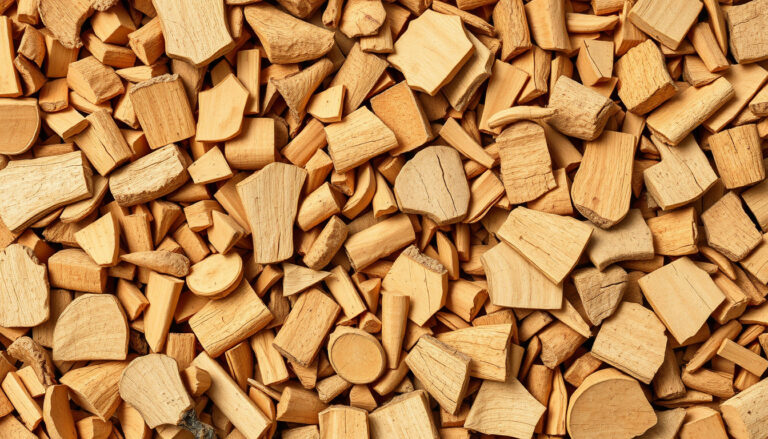
Mix in dry leaves, shredded cardboard, straw, or aged wood chips as soon as you add the clippings. A 2-to-1 ratio by volume is a good starting point. Brown pieces create air spaces and give microbes the carbon they need. If you are also handling other nitrogen-heavy inputs, the same rule applies to high-nitrogen wastes: always pair them with enough dry material.
Step 3: Get the moisture right
Lightly water each layer as you build the pile, then test it. Squeeze a handful. A few drops of water should appear, not a stream. If water runs out, add more dry browns and turn the pile.
Step 4: Turn on a rhythm
Turn the pile every 3–5 days during active breakdown. Turning mechanically breaks up mats, pulls oxygen into the center, and spreads heat throughout the pile. If you skip a turn, do not add extra water to “make up for it.” That makes matting worse.
Step 5: React to the signals
Read the pile, not the calendar. If it smells earthy and feels warm, keep the same routine. If it smells sour or looks like green sludge, add browns and turn it. If it cools down but still contains recognizable clumps, it needs more time and another turn.
The trade-off is honest: turning every few days takes effort, but it compresses the timeline from months to weeks. A no-turn pile still works, just slower.
Signs Your Clippings Are Decomposing—or Stuck
You can tell whether decomposition is working without guessing. Watch these five signals:
| Signal | Progressing Well | Stalled |
|---|---|---|
| Texture | Crumbly, separates easily | Slimy, mats together |
| Color | Dark olive, then brown-black | Still bright green or dark sludge |
| Smell | Earthy, soil-like | Sour, rotten hay, ammonia |
| Temperature | Warm center | Cool throughout |
| Volume | Shrinks noticeably | Stays the same size |
A pile that smells sour and stays cold has probably gone anaerobic. Fix it by turning the material and mixing in dry browns. The fastest improvement usually comes from physically breaking up the mat, not by adding water or waiting.
Weed seeds are another reason to watch temperature. A properly hot compost pile reduces weed seed survival. A cool, matted pile may not. If the pile never warms up, be cautious about spreading the finished material where weed seeds could cause problems.
Common Mistakes That Slow Decomposition—and How to Fix Them
Most slow-downs come from repeated, avoidable mistakes. Here is what goes wrong and the exact fix.
| Mistake | What You’ll Notice | How to Fix It |
|---|---|---|
| Dumping thick layers of clippings | Sour smell, green strings, matting | Break it apart, spread thin, add browns |
| Skipping dry browns | Slimy clumps, ammonia odor | Mix in dry leaves, straw, or cardboard |
| Overwatering | Soggy, cold, airless pile | Turn, add browns, cover during heavy rain |
| Not turning | Center goes cold, outer layer dries out | Turn every 3–5 days |
| Storing wet clippings in closed bags | Fermented, foul-smelling sludge | Empty immediately, spread out |

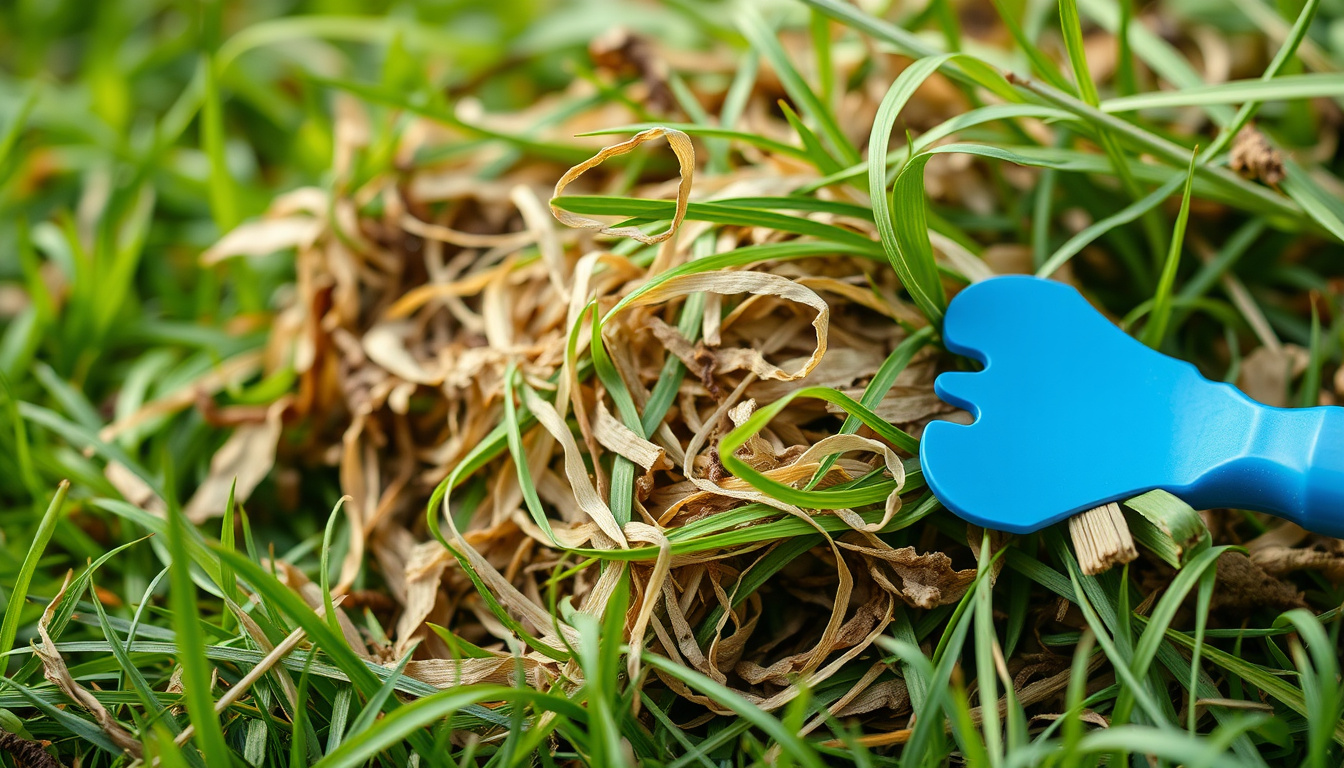
A matted layer often smells sour because it has gone anaerobic.
In practice, smell is the fastest diagnostic tool. If something is off, the odor changes before the texture does. An earthy smell means the pile is working. A sour smell means oxygen has dropped and the pile needs to be reopened.
Seasonal and Weather Effects on Decomposition
Cold weather slows everything down. A frozen backyard pile may stop decomposing completely until the soil warms up in spring. That is normal and not a failure. If you compost through winter, keep adding browns with your clippings and turn the pile whenever it thaws enough to work.
Hot, dry weather creates the opposite problem. Clippings can dry out on the surface while the inside stays damp and compacted. Check moisture by feel, not by appearance.
If you mow frequently and the clippings are short, you often do not need to collect them at all. Leaving short clippings on the lawn lets soil organisms break them down within a week or two. Collect only when the clippings are too thick, too wet, or too long to filter down into the turf. The U.S. EPA’s home composting guidance explains how this fits into a broader backyard composting routine.
Once the clippings look dark and crumbly, they are ready to use. Mix them into garden beds, use them as a topdressing, or add them to potting containers. If you plant in pots, pot color choices can affect root temperature on hot days, so think about where the finished compost will be used.
For regional lawn and compost advice, check a reliable source like the University of Minnesota Extension to confirm what works in your climate.
FAQ
What is the typical time for grass clippings to decompose?
In a managed compost pile, grass clippings usually decompose in 2–6 weeks. In a passive pile or when used as mulch, expect 1–3 months. Thick, matted, or cold conditions can stretch the timeline to several months.
How do I make grass clippings decompose faster?
Mix clippings with dry browns before they clump, keep the moisture level like a wrung-out sponge, and turn the pile every 3–5 days. These three steps prevent anaerobic matting and give microbes the oxygen and carbon they need.
Why are my grass clippings still green after weeks?
The clippings are probably matted, too wet, or missing carbon. A dense layer of fresh clippings blocks oxygen and slows microbial activity. Break up the mat, add dry leaves or straw, and turn the pile.
How long do grass clippings take to decompose as mulch?
Thin mulch layers can break down in 3–8 weeks. Thick, matted layers can take 2–6 months because they trap moisture and limit airflow. To speed up mulch breakdown, keep the layer thin and fluff it occasionally.
Is it better to compost grass clippings in a bin or on the ground?
A bin is easier to manage for fast, hot composting because it holds heat and makes turning simpler. On the ground works for low-effort decomposition, but the material tends to dry unevenly and takes longer to reach a uniform, crumbly result.
Can I compost grass clippings from a treated lawn?
That depends on the product label. Some lawn herbicides have restrictions on using treated clippings for compost or mulch. Follow the label instructions. If you are unsure, keep that compost separate and use it only on ornamental areas until the residue concern has passed.
Conclusion
Grass clippings are not stubborn. They are just easy to suffocate. The fastest way to turn them into compost is to keep the material loose, balanced with dry browns, and damp without being soaked. Oxygen and carbon matter more than time.
Your next step is simple: go turn the pile once, mix in a few handfuls of dry leaves or shredded cardboard, and check the moisture. That single reset can break up a mat, restore airflow, and get the decomposition clock running again.