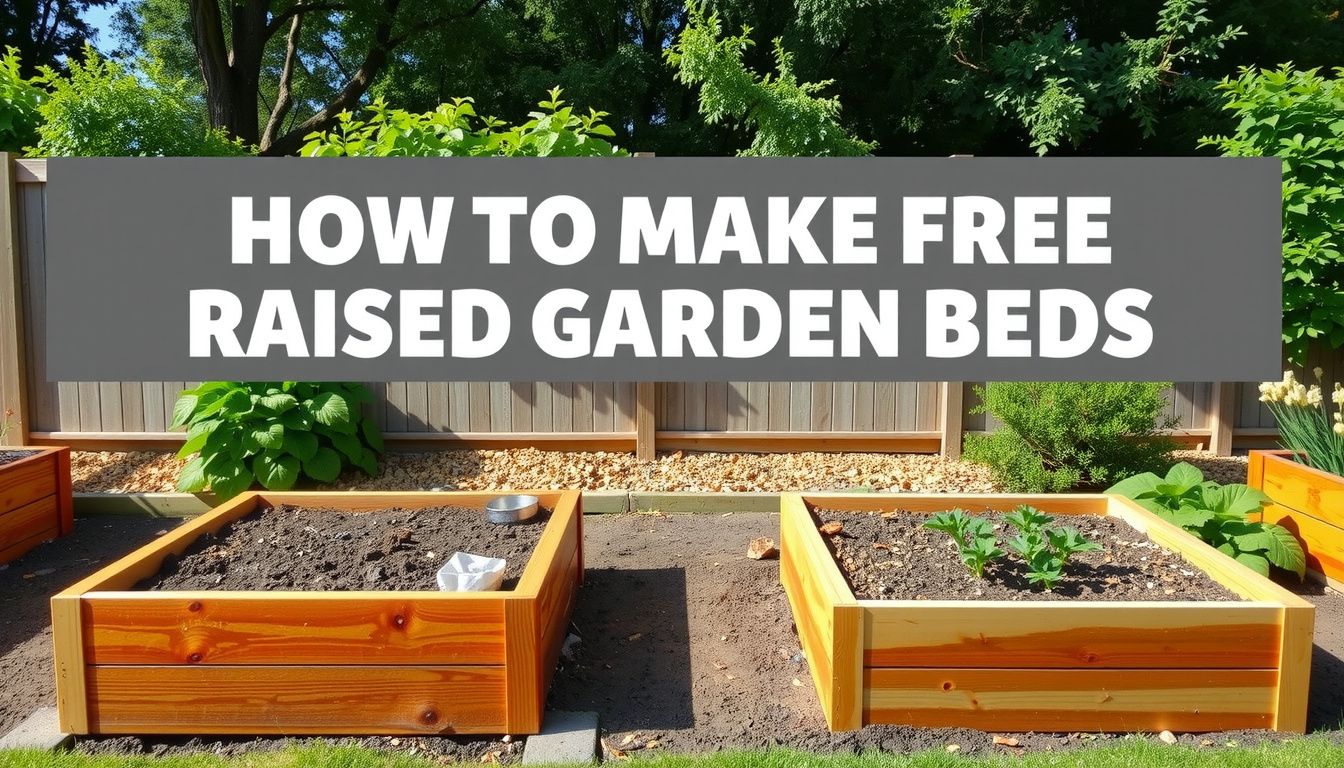
How Deep to Make Raised Garden Beds for Healthy Roots
Depth is the quiet foundation of a productive raised bed. Get it right, and roots spread easily, water moves through the profile correctly, and plants recover from heat and missed watering. Get it wrong, and even high-quality soil can’t compensate for a root zone that is too shallow, too wet, or too dry.
For most vegetable gardens, the practical baseline is 12–18 inches of quality growing mix, especially when the bed sits on loosened native soil. That range supports the majority of common crops, buffers moisture swings, and leaves room to add compost in future seasons without immediately raising the bed walls. You can also read our guide on how to prepare ground for planting vegetables.
But depth is not one-size-fits-all. The right number depends on what you grow, what lies under the bed, and how the site handles water. This guide breaks down those variables so you can build once and avoid the most common root-depth mistakes.
Why Depth Controls Root Health and Yield
A raised bed is more than a box of soil. It is a root environment, and its depth sets the limit on that environment.
When roots hit a hard boundary, growth stalls. Shallow-rooted plants may survive in a thin layer of soil, but larger fruiting crops need vertical space to anchor themselves and reach moisture deeper in the profile. A deeper bed lets roots chase water downward during dry spells instead of relying solely on the top few inches.
Drainage works the same way. A deeper profile holds more water but also needs an exit path. If the bottom of the bed is sealed or sits on compacted clay, excess moisture can perch inside the root zone and suffocate plants. In practice, a 6-inch bed over hardpan often performs worse than a 12-inch bed over loosened ground, even when both use the same mix.
Depth also affects soil life. Worms, fungi, and beneficial bacteria need a stable habitat with enough oxygen. Very shallow beds heat up and dry out quickly, which disrupts that biology. A deeper bed with good structure maintains more even temperature and moisture, keeping the soil food web active.
Quick Reference: Raised Bed Depth by Crop Type
Match the bed to the plant’s working root zone, not just the height of the boards. The goal is enough loose soil for roots to run, plus a little extra for moisture stability and seasonal settling.
| Crop category | Minimum depth | Better depth | Notes |
|---|---|---|---|
| Leafy greens, radishes, strawberries | 6–8 in | 10–12 in | Works only over loose, healthy native soil |
| Bush beans, peppers, herbs, onions | 10–12 in | 12–16 in | Reliable for most compact varieties |
| Tomatoes, cucumbers, squash, broccoli | 12–16 in | 18 in | Heavy feeders with extensive root systems |
| Carrots, parsnips, daikon, potatoes | 16–18 in | 20–24 in | Long taproots and tubers need stone-free depth |
| Asparagus, artichokes, perennial herbs | 18–24 in | 24+ in | Long-lived plants with deep crowns |
A 12-inch bed is the most versatile starting point for mixed vegetable gardens. It supports shallow crops without wasting soil and gives medium-rooted crops enough room to perform well. If you want straight carrots or large potato yields, plan for at least 18 inches in the sections where you grow them.
When a Shallow 6–8 Inch Bed Is Enough
A 6–8 inch raised bed can work beautifully, but only under the right conditions. It is best for naturally shallow-rooted crops and sites where the native soil underneath is loose, fertile, and drains well.
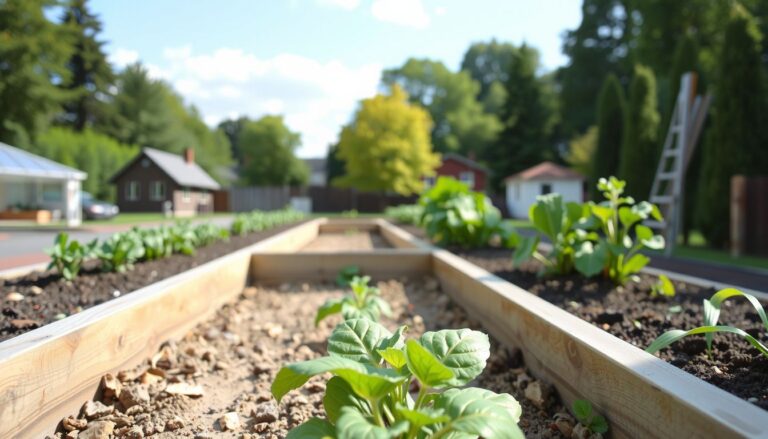
 A shallow open-bottom bed works well for lettuce and other fast crops when roots can enter the soil below.
Shallow beds are cheaper to fill, warm up faster in spring, and are easier to reach across. They are a smart choice for salad gardens, herb borders, or first-time builds. They also reduce the volume of soil you need to buy, which matters when filling multiple beds.
However, shallow beds dry out faster in heat and wind. They also fail when the ground below is compacted clay, rocky fill, or heavy construction debris. In those conditions, roots stop at the boundary and plants show the same symptoms as if the bed were even shallower.
A common mistake is assuming a shallow bed can be fixed with more water. In practice, frequent light watering encourages roots to stay near the surface, making plants even more vulnerable to heat stress. The better fix is to loosen the native soil below the bed or add a few more inches of depth.
If you garden in containers instead of open-bottom beds, remember that container dynamics are different. For example, the sidewall temperature of a black pot can overheat roots in full sun, so choosing the right color for root-zone warmth is just as important as pot depth.
When to Go 12–24 Inches Deep
Once your crop list includes tomatoes, squash, carrots, or potatoes, bed depth becomes a yield decision rather than a convenience decision.
A 12-inch bed is the practical sweet spot for most home vegetable gardens. It supports tomatoes, peppers, bush beans, cucumbers, and most herbs without requiring a huge soil investment. It also gives you enough vertical room to top-dress with compost each season.
Go 18–24 inches deep when one or more of these conditions apply:
- The native soil is compacted, rocky, or poorly draining.
- You plan to grow long-rooted carrots, parsnips, or daikon.
- You want maximum water-holding capacity in a hot, windy location.
- The ground under the bed may be contaminated and you need a clean, isolated root zone.
- You want to reduce bending by raising the bed closer to waist height.
Deeper beds cost more to fill, so the decision should be deliberate. One practical strategy is to build deep only where you need it—such as a dedicated root-crop bed—and keep herb and salad beds shallower.
What’s Under the Bed Matters as Much as the Bed Itself
A raised bed does not replace the ground beneath it; it works with that soil. The same 12 inches of mix performs very differently over loose loam than over compacted subsoil.
Before filling, test compaction with a shovel or soil probe. If the tool struggles to penetrate, roots will also struggle at the interface. Loosen the top 4–8 inches of native soil and blend in a little finished compost to help roots transition from the raised bed into the ground. This is especially important over heavy clay, where a flat boundary can hold water like a bowl.
Look for buried barriers too: old landscape fabric, construction debris, dense clay lenses, or aggressive tree roots. These all reduce the usable depth regardless of how tall the bed walls are. University extension guidance consistently emphasizes that managing the whole soil profile—not just the imported mix—determines long-term bed performance.
If you suspect contamination from old paint, roadside runoff, or unknown fill, depth becomes a safety issue. In those cases, line the bottom with landscape fabric and build deeper so roots stay in clean imported soil. If you are adding animal-based amendments, such as bedding from a chicken coop, make sure the material has fully aged first before it touches growing roots.
Bottom Design: Open Base, Cardboard, or Hardware Cloth
The bottom of the bed controls drainage, pest pressure, and whether roots can reach the soil below.
Most beds should have an open base. It allows water to drain freely and lets roots explore beyond the imported mix. This is the default choice when the native soil is reasonably clean and not compacted.
 Hardware cloth secured across the base keeps burrowing animals out while still allowing drainage.
A layer of plain cardboard can suppress grass and weeds at the bottom of a new bed. It decomposes over time, so it is a temporary weed barrier, not a permanent liner. Avoid plastic sheeting or woven weed fabric at the base of a vegetable bed unless there is a specific contamination concern, because these materials trap water and cut off oxygen.
In areas with gophers, voles, or rats, install galvanized 1/2-inch hardware cloth across the bottom before filling. Overlap seams, fold the edges upward, and staple them to the inside of the frame. The mesh blocks burrowing mammals without preventing drainage or root penetration.
Soil Mix and Fill Height
Depth changes how soil behaves, so your mix should match the profile. A deeper bed holds more water, but it can also become waterlogged if the mix is too heavy or lacks structure.
For shallow beds, use a lighter blend that drains quickly because roots will occupy most of the volume within weeks. For deeper beds, prioritize stable structure: a mix of topsoil, finished compost, and a mineral component such as coarse sand or perlite resists compaction better than compost alone.
In beds 18 inches or deeper, layering reduces cost and improves drainage. Use coarse organic matter or lower-quality fill in the bottom third, where few roots will grow, and reserve the finest, most fertile mix for the top 10–12 inches where roots concentrate most heavily.
Fill height matters too. Leave 1–2 inches of headspace at the top so water and mulch stay in the bed instead of washing over the sides. Expect fresh mix to settle by 1–2 inches after the first few waterings, so build slightly above your target line rather than filling flat.
Wood-based mulches are useful on top of the soil, but avoid mixing large amounts of fresh wood into the root zone. A surface layer of coarse wood chips helps retain moisture and suppress weeds, but buried wood can temporarily tie up nitrogen as it decomposes.
Climate, Sun, and Watering Style
The yard decides how a given depth performs. Heat, humidity, wind, and shade all change how quickly a bed dries or stays wet.
In hot, windy, or arid sites, lean toward deeper beds. A 16-inch bed holds more moisture than a 10-inch bed and can stretch the time between waterings. This is especially helpful if you hand-water or use a simple timer rather than a highly responsive drip system. A layer of grass clippings left to break down can be used as a nitrogen-rich mulch, but apply it thinly to avoid matting.
In cool, wet climates, extra depth can backfire. A deep bed in a rainy spring may stay saturated below while the surface looks dry. Moderate depth with excellent drainage is usually the better choice there. Partial shade also slows evaporation, so the same bed depth that dries quickly in full sun may stay too wet on the north side of a house.
Watering style matters as much as depth. If you irrigate frequently and lightly, roots stay shallow even in a deep bed. Instead, water deeply and less often, and check moisture at mid-depth—not just the top inch—before adding more.
Common Depth Mistakes and How to Fix Them
Many depth problems come not from the original plan but from execution. These are the most frequent mistakes in practice.
Building tall, then underfilling. A 16-inch frame filled with 8 inches of soil behaves like an 8-inch bed. Fill in stages, water thoroughly, and top up after settling. Check again after a month and add more mix if the surface has dropped.
Using one depth for every crop. Carrots, lettuce, and tomatoes have very different root needs. If everything grows in the same shallow bed, at least one crop will underperform. Zone the bed by depth or build separate beds for shallow and deep-rooted plants.
Ignoring the soil below. A deep bed over compacted clay still drains poorly if water cannot move down. Loosen the subsoil or improve drainage before assuming the imported mix is the problem.
Watering on a fixed schedule. Deeper beds often stay moist below while the surface crusts over. Dig a small test hole 6–8 inches down, squeeze a handful of soil, and water only when the mid-depth feels dry rather than following a daily timer.
Overfilling with heavy compost. Compost-rich mixes can slump and hold too much water. Include a mineral component and coarser material in deep beds to maintain air space.
Building and Budgeting for the Right Depth
Depth directly affects the amount of soil you need and, therefore, the project budget. A standard 4×8-foot bed requires about 32 cubic feet, or roughly 1.2 cubic yards, of mix for every 12 inches of depth. Doubling the depth doubles the fill cost.
| Bed size | Depth | Approximate soil needed |
|---|---|---|
| 4×4 ft | 6 in | 8 cu ft |
| 4×4 ft | 12 in | 16 cu ft |
| 4×8 ft | 12 in | 32 cu ft |
| 4×8 ft | 18 in | 48 cu ft |
| 3×6 ft | 24 in | 36 cu ft |
When budgeting, account for settling and a small reserve for future top-dressing. It is often cheaper to start with one properly filled bed than to stretch the same soil across two underfilled beds.
Board height and bed depth are not always the same number. You can build a 20-inch-tall bed for easier access and still only fill the top 12–14 inches with premium mix, using coarse organic matter below. This is a practical option for gardeners who want less bending without paying for premium soil all the way down.
The USDA Natural Resources Conservation Service publishes useful guidance on soil health principles that apply directly to raised beds: minimize disturbance, keep roots growing, and maintain living cover. Those principles work best when the bed is deep enough to support an active root zone year-round.
Frequently Asked Questions
Is 6 inches deep enough for a raised garden bed?
A 6-inch bed can work for lettuce, spinach, radishes, and strawberries if the native soil underneath is loose and fertile. It is not enough for tomatoes, carrots, or most fruiting crops, which need more vertical room. Expect to water more often because shallow beds dry quickly in heat.
Can a raised garden bed be too deep?
Yes. A very deep bed costs more to fill and may hold excess water if the mix is heavy or drainage is poor. Depth beyond about 24 inches rarely benefits common vegetables. For accessibility, build a taller frame but use coarse fill in the bottom and premium soil only in the top 12 inches.
Do I need to line the bottom of a raised bed?
Most beds do not need a liner. An open base allows drainage and root penetration. Use plain cardboard only as a temporary weed barrier. Install galvanized hardware cloth if gophers or voles are present. Avoid plastic liners unless you are managing contaminated soil and deliberately isolating the bed.
How much soil do I need for a 4×8 raised bed at 12 inches deep?
A 4×8-foot bed filled 12 inches deep holds 32 cubic feet of soil, or about 1.2 cubic yards. Buy slightly more than calculated because fresh mix settles after watering. For a 6-inch-deep bed of the same footprint, you need about 16 cubic feet, or 0.6 cubic yards.
Should I loosen the ground under a raised bed?
Yes, especially over compacted clay or former lawn. Loosen the top 4–8 inches of native soil and mix in compost before filling the bed. This improves drainage and lets roots transition into the subsoil, effectively increasing the usable rooting depth without adding more bed height.
What is the best depth for tomatoes in a raised bed?
Tomatoes grow best with 16–18 inches of quality mix. They produce extensive root systems and need consistent moisture. A 12-inch bed can work if the native soil below is loose and fertile, but deeper soil reduces heat stress and supports stronger plants through the fruiting season.
Conclusion
The best raised bed depth is the one that matches your crops, your site, and your watering habits. For most gardeners, a well-drained 12-inch bed over loosened native soil is a reliable foundation. For deep-rooted vegetables, poor soils, or hot climates, 18–24 inches often produces visibly better results.
Before building, check the subsoil, plan the bottom, and calculate the real fill volume. Pick your heaviest-feeding crop first and size one bed around it before scaling up. Build that single test bed at the right depth, observe it through one season, and let what you learn guide the rest of the garden.


One Comment