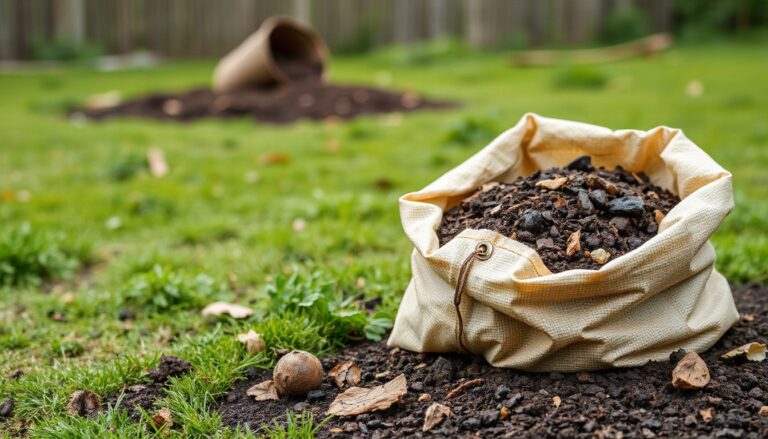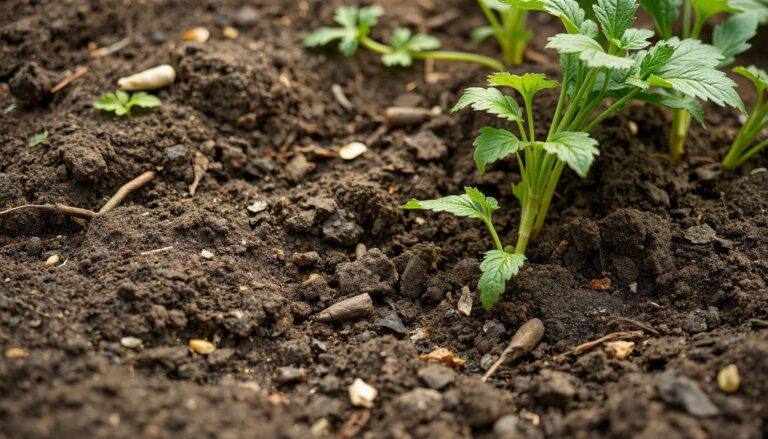
How to Make Compost in 7 Days: Fast Hot Compost Method
Most gardeners assume that making compost in a week is a gimmick. The default approach — tossing kitchen scraps into a bin, giving it the occasional stir, and waiting — takes months, sometimes a full year. So how could a pile possibly be ready in seven days?
The answer is hot composting, done deliberately. Seven-day compost is not fully matured humus. It is dark, crumbly, actively decomposed material that still needs a short curing period before it goes to work in your garden. What gets it there in a week is not a secret additive; it is controlled biology: small particle sizes, balanced carbon and nitrogen, sponge-damp moisture, and daily turning. You can also read our guide on how deep to make raised garden beds.
That is the whole method in one sentence. The rest of this guide makes it practical — the exact ratios, the day-by-day schedule, the fixes when something goes wrong, and how to use young compost safely.
What "7-Day Compost" Actually Delivers
A true seven-day turnaround is possible, but only under controlled, high-activity conditions. You are not producing fully matured humus in a week; you are producing active compost that can be cured in a separate bin for two to four more weeks before heavy use around seedlings.
Heat is the engine. The pile needs to climb to roughly 130–160°F (54–71°C) and stay in that range through daily turning, balanced inputs, and steady moisture. A pile that never heats will not break down fast enough, and it becomes a magnet for odors and pests.
You also need critical mass and structure. Fast composting depends on a tight carbon-to-nitrogen ratio (ideally around 25–30:1), small particle sizes, and enough volume to hold heat. A bucket of kitchen scraps will not do it.
- Mass: at least a 3 ft x 3 ft x 3 ft pile or an equivalent bin.
- Moisture: 40–60%, feeling like a wrung-out sponge.
- Oxygen: daily turning keeps microbes aerobic and fast.
- Particle size: shred everything; more surface area means faster decomposition.
| What you get | 7-day active compost | Fully finished compost |
|---|---|---|
| Time | 7 days plus 2–4 weeks curing | Several months |
| Appearance | Dark, crumbly, some recognizable bits remain | Uniform and soil-like |
| Smell | Earthy but still "young" | Deep forest floor |
| Best use | Top-dressing, blended into bed soil | Seed starting and all garden uses |
A common mistake at this stage is treating the seven-day window as a set-and-forget promise. The speed comes from management, not luck. If you skip the labor, you get a cold pile — the same cold pile you were trying to avoid.
The Biology Behind Fast Hot Composting
Compost heats up because aerobic bacteria and fungi multiply explosively when they have food, water, and oxygen. As they consume nitrogen-rich greens and carbon-rich browns, they release energy as heat. When the pile is large enough to insulate its core, that heat accumulates, thermophilic microbes take over, and soft materials break down in days instead of months.
The carbon-to-nitrogen ratio is the master control. Microbes need carbon for energy and nitrogen to build protein. At roughly 25–30 parts carbon to 1 part nitrogen, they reproduce at maximum speed. Too much carbon and the pile barely warms; too much nitrogen and you get ammonia smells and slimy pockets. The US EPA frames home composting around the same levers — the right mix of materials, moisture, and oxygen — which is exactly what makes a fast pile work.
For gardeners who want more technical depth on C:N ratios and the thermophilic phase, University of Minnesota Extension offers research-based guidance that applies directly to small-scale fast composting.
Gather What You Need: Browns, Greens, and Tools
Before you build, stage everything. The fastest piles are built all at once, not assembled from a week's worth of leftovers. That means collecting enough browns, enough greens, water access, and the right tools before the first layer goes down.
The Right Browns-to-Greens Ratio
By volume, aim for 2–3 parts browns to 1 part greens. Browns supply carbon and structure; greens supply nitrogen and moisture.
| Browns (carbon) | Greens (nitrogen) |
|---|---|
| Shredded dry leaves | Fresh grass clippings |
| Shredded cardboard, no glossy coating | Coffee grounds |
| Straw or dry hay | Vegetable and fruit scraps |
| Untreated wood shavings | Fresh plant trimmings |
| Shredded paper | Herbivore manure |
A few notes from experience. Fresh grass clippings are one of the best greens in summer, but they mat into slime when layered too thick — it is worth knowing how lawn clippings breaking down behaves before you rely on them. Manure is a powerful nitrogen source, but composting poultry litter takes longer than most beginners expect. And most kitchen scraps belong in the greens column, though the speed varies widely; our notes on vegetable waste timing make the differences clear.
Essential Tools and Prep
- Garden fork or compost aerator
- Compost thermometer (optional but recommended)
- Hose with a spray nozzle
- Tarp
- Shredding tool: leaf shredder, lawn mower, or a sharp spade for chopping
Prep materials for speed: shred leaves, tear cardboard into hand-sized pieces, chop stems and thick stalks. Smaller particles create more surface area, which lets microbes colonize faster and heat build evenly. This step accounts for more of the seven-day speed than any additive.
Build the Pile for Rapid Heat
When your goal is how to make compost in 7 days, the build quality of the pile matters more than any advertised accelerator. Fast composting depends less on special ingredients and more on building a pile that heats evenly, holds moisture, and breathes.
Choose a spot with good drainage. Bare soil is ideal because it lets worms and soil organisms migrate in; a pallet base or wire bin also works if drainage is strong. Full sun helps early heating, but partial shade reduces drying in hot weather.
Start with a loose base. A 3–4 inch layer of small twigs or coarse wood chips keeps air moving underneath and prevents a soggy core. Keep this layer thin — woody material breakdown is slow, and you want the base to support airflow without dominating the pile's carbon budget.
Then alternate thin layers: roughly 2 parts browns to 1 part greens, each layer 3–5 inches. Mix lightly as you build so greens and browns are distributed rather than stacked like a lasagna. Lasagna layering traps wet pockets and cold zones.
Moisten as you build, not at the end. Water each layer until the whole mass feels like a wrung-out sponge — damp, but not dripping when squeezed. If food scraps are part of the mix, bury them in the center as you go. That concentrates heat where microbes work fastest and keeps pests out.
Cap the pile with a 2-inch brown layer to suppress odors and flies. Keep a tarp nearby for heavy rain; saturation kills airflow. The pile should be compact enough to hold heat but open enough to breathe — if you cannot push a garden fork in easily, it is too dense.

Thin alternating layers of shredded browns and fresh greens keep the core aerated and hot from day one.
Follow the 7-Day Turning and Monitoring Schedule
Once the pile is built, the schedule becomes the engine. Daily turning supplies oxygen, redistributes moisture, and moves the cooler outer shell into the hot core.
Check temperature every morning before turning. A compost thermometer is easiest; without one, a warm-to-hot center and visible steam after turning are useful cues. Some piles peak within 48 hours; others take until day three. The goal is to keep the core in the 130–160°F range for as many days as possible.
| Day | Action | What to expect |
|---|---|---|
| Day 1 | Build the pile, take a baseline temperature, turn thoroughly, break up clumps | Core starts warming within hours |
| Day 2 | Turn once; mist if the pile feels dry | Temperature climbs toward 130–140°F |
| Day 3–4 | Turn daily; check odor and moisture; add dry browns if slimy | Peak heat, often 140–160°F |
| Day 5–6 | Keep turning daily; adjust water in small amounts | Material darkens and volume shrinks noticeably |
| Day 7 | Final turn; assess texture, smell, and reheating | Dark, crumbly, earthy — ready to cure |
Moisture adjustments should be small and frequent. If the pile looks dusty or refuses to heat, mist while turning. If it smells sour or feels slimy, mix in dry browns and turn twice that day. A pile that loses a third of its volume between day four and day six is working — that shrinkage is decomposition in action.

Expect steam to rise after each daily turn — it is a sign the thermophilic microbes are doing their job.
What a good run looks like in practice: the pile built on day one with shredded leaves, grass clippings, and coffee grounds hits 145°F by day two. On day four, the temperature drops to 120°F and the smell turns sharp. A half-bag of shredded cardboard, one aggressive turn, and the odor clears by evening; the next morning the core rebounds to 140°F. That is the method working, not failing.
Common mistakes: skipping a turn, adding new scraps mid-week, and soaking the pile to fix dryness. Each one resets the biological clock. If you really must add scraps, bury them deep and treat it as a fresh start.
Keep a simple log — temperature, smell, moisture feel. It takes two minutes a day and makes corrections obvious.
Troubleshoot Common Problems Fast
When a seven-day system goes off-track, it is usually one of three issues: odor, low heat, or excess moisture. Each has a specific cause and a clear fix.
Odor: The Pile Turned Anaerobic
Sour or rotten-egg smells mean the pile has run out of oxygen. That happens when it is too wet, too compacted, or overloaded with greens. Fix: turn immediately, break up clumps, and mix in dry browns — shredded cardboard, dry leaves, wood shavings. If it smells like ammonia, cut high-nitrogen inputs and add browns until the smell fades.
Low Heat: The Pile Needs a Boost
If the core will not climb, the microbes are not getting what they need. Common causes: the pile is too small (under three feet), too dry, or too heavy on browns. Fix: enlarge the pile if you can, moisten it evenly to the wrung-out sponge stage, and add a measured nitrogen boost like fresh grass clippings or coffee grounds. If nights are cold, cover with a tarp to trap heat.
Excess Moisture: Restore Airflow
Slimy, dripping material comes from rain exposure or too many watery scraps such as melon rinds. Fix: turn in dry browns, fluff the pile, and cover the top while still leaving the sides open for airflow. Keep a "dry stash" of shredded paper or cardboard near the bin for quick corrections. In practice, two buckets of shredded cardboard fix a soggy three-foot pile overnight.
Finish Check: Is It Compost Yet?
By day seven, the pile should look fundamentally different. Texture: mostly dark and crumbly, with a few small woody bits. Smell: forest-floor earthy, not sharp or sour. Temperature: trending back toward ambient, and it should not reheat aggressively after the final turn.
If the pile still reheats strongly after turning, it is not done — give it another two or three days of daily turning before curing. If it no longer heats at all but still looks dark and smells fresh, it is ready for the curing phase.
Cure and Use Your Young Compost Safely
Seven-day compost is biologically active. Using it immediately can stress seedlings, temporarily tie up nitrogen, or overheat fine roots. The safe move is a short cure.
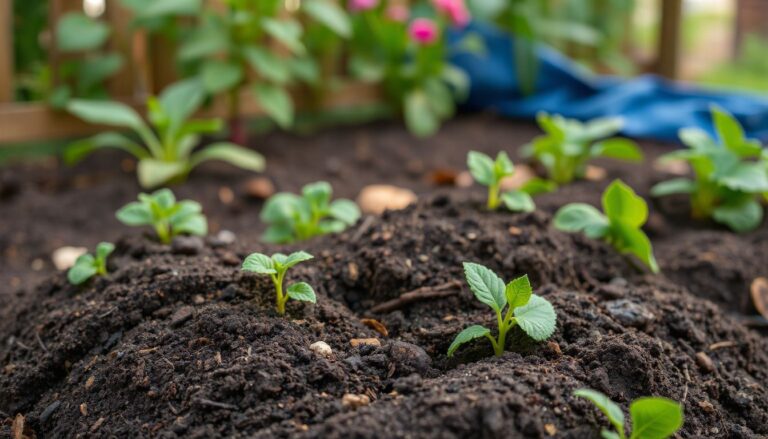
Cure for 2–4 weeks in a separate bin or breathable sack. Keep it lightly moist and turn once a week. You will know it is stable when a handful smells earthy, the volume has settled, and it no longer heats after being fluffed.
How to use it:
- Top-dress established trees, shrubs, and perennials with a 1–2 inch layer.
- Blend one part cured compost into four parts native soil for vegetable beds.
- Avoid seed-starting mixes entirely; they need the finer, fully finished product.
If you garden in containers, pair the compost with pots suited to your climate — container color effects on root-zone temperature are easy to overlook but matter for young roots.
Store any extra compost in a covered but breathable container, label the batch date, and start the next pile while the current one cures. That rotation is how you keep a steady supply instead of a one-time batch.
Conclusion
Seven-day compost is not a trick; it is controlled biology. Small particles, a balanced brown-to-green mix, sponge-damp moisture, and daily turning do all the heavy lifting. The reward is dark, crumbly compost in a week — with a short cure making it safe for almost any garden use.
Your next step is simple: gather a full batch of shredded browns and fresh greens today, build a three-foot pile this weekend, and commit to the seven-day schedule. Run one batch, log what you learn, and the method becomes a reliable habit instead of a gamble.
Frequently Asked Questions
Can you really make compost in 7 days?
Yes, if you manage the conditions correctly. The pile needs to be at least three feet cubed, built from shredded materials with a balanced brown-to-green ratio, kept as damp as a wrung-out sponge, and turned every day. In seven days you get dark, crumbly, actively decomposed compost that still requires two to four weeks of curing.
What is the fastest way to make compost?
Hot composting is the fastest reliable method. Shred everything first, mix about two parts carbon-rich browns with one part nitrogen-rich greens, build a three-foot pile, keep it moist but not soggy, and turn it daily. That keeps the microbes aerobic and hot, producing usable compost in about a week.
Why is my compost pile not heating up?
Usually the pile is too small, too dry, or short on nitrogen. Heat comes from microbes multiplying, and they need volume for insulation. Make the pile at least three feet across, add fresh green material, moisten it evenly, and turn it once to distribute the food. You should feel a temperature jump within a day.
How often should I turn a hot compost pile?
Turn it every day for the seven-day method. Daily turning supplies oxygen, breaks up clumps, pulls cooler outer material into the hot core, and redistributes moisture. If you miss a day, turn twice the next day and check that the pile is still sponge-damp before resuming the routine.
Can I use 7-day compost in my vegetable garden?
Yes, but only after a short cure. Seven-day compost can tie up nitrogen or stress seedlings if used immediately, so cure it for two to four weeks first. After curing, mix one part compost with four parts garden soil, or apply a one-to-two-inch top-dress around established vegetables and perennials.
What makes compost break down faster?
Small particle size is the biggest lever. Shred leaves, tear cardboard, and chop stems so microbes can colonize more surface area. Then keep the right balance: enough greens for nitrogen, enough browns for structure, sponge-damp moisture, and oxygen from daily turning. That combination is what makes compost break down fast.