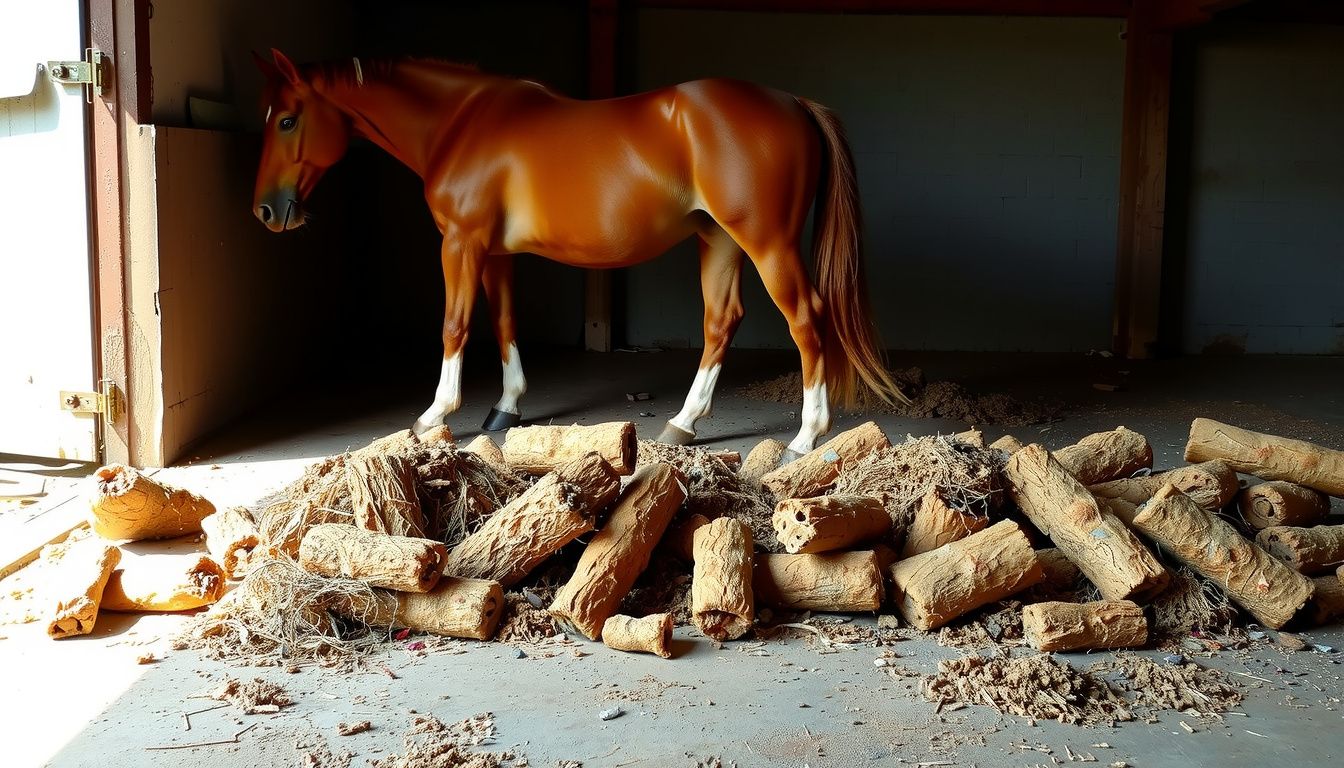
How Long Does Horse Manure Take to Compost for Gardens
Fresh horse manure is too strong for most gardens straight out of the stable. It can burn plant roots, carry weed seeds, and tie up nitrogen as it breaks down. Composting solves those problems, but it takes time. The honest answer: 4–12 weeks for a well-managed hot pile, 6–12 months for a casual cold pile, and longer if the pile is too dry, too wet, or too small. The good news is that the timeline is something you can control.
Why Composting Horse Manure Before Using It Matters
A pile of fresh manure and bedding is not the same as garden compost. Fresh manure contains high levels of nitrogen and ammonia, which can damage seedlings and sensitive roots. It also contains undigested weed seeds, and in some cases parasites or pathogens that survive in the gut of the horse. For more on this, see our guide on how long does it take for horse manure.
Composting transforms that raw material into stable humus. Once mature, the compost no longer heats up, smells neutral, and releases nutrients slowly as plants need them. This is why almost every experienced gardener treats composting as a necessary step, not an optional extra.
How Composting Horse Manure Works
Composting is controlled decomposition. Bacteria, fungi, and other microbes feed on the manure and bedding, breaking complex materials down into simpler, stable compounds. The process works best when the pile has the right balance of carbon, nitrogen, water, and oxygen. For more on this, see our guide on how long does it take cow manure to.
Horse manure is rich in nitrogen. Straw and wood shavings add carbon. When those ingredients are mixed and kept moist, microbial activity explodes and the pile begins to heat up. The USDA and university extension services have documented this process for decades, and the principles are consistent: feed the microbes, keep the pile breathing, and manage moisture.
The Four Phases of a Manure Pile
- Warming phase: Microbes multiply rapidly and the pile temperature rises above air temperature.
- Hot phase: The center climbs into the 130–160°F range. This is when weed seeds and pathogens are most reliably killed.
- Cooling phase: Easy-to-digest material is used up, and the pile slowly drops in temperature.
- Curing phase: Fungi and other organisms finish the job. The pile becomes dark, crumbly, and stable.
Each phase matters. Jumping too early and spreading compost that is still in the cooling phase can cause the same problems as fresh manure, just at a lower intensity.
Why Bedding Changes the Timeline
Straw breaks down quickly and is easy to turn. Wood shavings are more durable, which makes them great for horse bedding but slower to decompose. Sawdust is even finer and can create a dense, matted pile that limits airflow. If your pile is mostly shavings, expect a noticeably longer wait unless you add plenty of green material and turn more often.
How Long Does Horse Manure Take to Compost? Timelines at a Glance
There is no single date on the calendar. The timeline depends on pile size, moisture, turning frequency, and the amount of bedding mixed in. Here are the ranges that home gardeners typically see:
| Method | Active Composting | Curing Time | Total Before Use |
|---|---|---|---|
| Hot pile, turned weekly | 4–8 weeks | 3–8 weeks | 2–4 months |
| Cold pile, rarely turned | 6–12 months | No separate cure | 6–12+ months |
| Overwinter pile | Paused in cold soil | Several extra weeks | Often ready by late spring |
A hot pile needs to be large enough to hold heat, usually at least 3×3×3 feet, and it must be turned to reintroduce oxygen. A cold pile is simply stacked and left alone. It still works, but the outside often looks unfinished while the inside breaks down, so the whole pile needs more time to mature.
For climate-specific timing, local university extension guidance is useful, especially if you live in a region with short or very cold growing seasons.

A well-managed manure pile in the active heat phase: steam often rises after turning.
Factors That Control How Fast Horse Manure Composts
Saying “it depends” is not very helpful, so let’s look at exactly what it depends on.
- Carbon-to-nitrogen balance: Manure is high in nitrogen. Bedding, straw, leaves, and shredded paper add carbon. If the pile has too much carbon, it breaks down slowly. If it has too much nitrogen, it smells like ammonia.
- Moisture: Aim for a wrung-out sponge. Too dry and the microbes go dormant. Too wet and the pile turns anaerobic, meaning it starts rotting instead of composting.
- Oxygen: Turning the pile is the simplest way to add oxygen. Compacted piles, especially those made of fine shavings, quickly run out of air.
- Particle size: Small pieces compost faster than large ones. Long straw that mats together and whole flakes of shavings take much longer to disappear.
- Pile size: A small pile cannot hold heat. A pile that is too large can become heavy and hard to turn. The sweet spot for most gardeners is roughly 3–5 feet tall and wide.
- Season: Warm weather accelerates decomposition. In winter, the pile slows down dramatically unless it is large and well insulated.
In practice, the most common mistake is building a pile that is too dry. A pile that looks “stuck” often has a dry outer shell and a dry center, even if the surface was rained on recently.
Fresh lawn trimmings are a reliable nitrogen boost when the pile seems sluggish. Likewise, woodier materials slow the pile down, so they need extra greens and extra turning to keep pace.
Step-by-Step: How to Compost Horse Manure Faster
If you want usable compost in a single season, follow this process rather than just dumping manure in a corner.
- Pick a well-drained site. Place the pile on bare soil or a thin layer of coarse brush so excess moisture can escape and earthworms can move in.
- Build a pile that is at least 3×3×3 feet. This size holds heat well but is still manageable to turn with a pitchfork.
- Layer manure with browns and greens. Alternate stall waste with straw, leaves, and a small amount of green garden material. If the bedding is heavy on shavings, add more green material to balance the carbon.
- Water as you build. Dampen each layer until the whole pile is uniformly moist. Do not rely on rain to reach the center.
- Cover the top. A tarp keeps heavy rain out while still allowing airflow around the edges.
- Turn on a schedule. Turn the pile every 7–14 days while it is actively working. Move the outer material into the center and break up any clumps.
- Monitor the pile. A compost thermometer is helpful, but not essential. A steady warmth and shrinking volume tell you that the pile is working.
Adding green kitchen scraps is another way to keep the pile active. They provide moisture and nitrogen and help prevent the pile from stalling.
If the pile smells like ammonia, add dry carbon and turn it. If it refuses to heat, add water and nitrogen-rich material. Those two fixes solve most problems.
How to Tell When Horse Manure Compost Is Finished and Safe
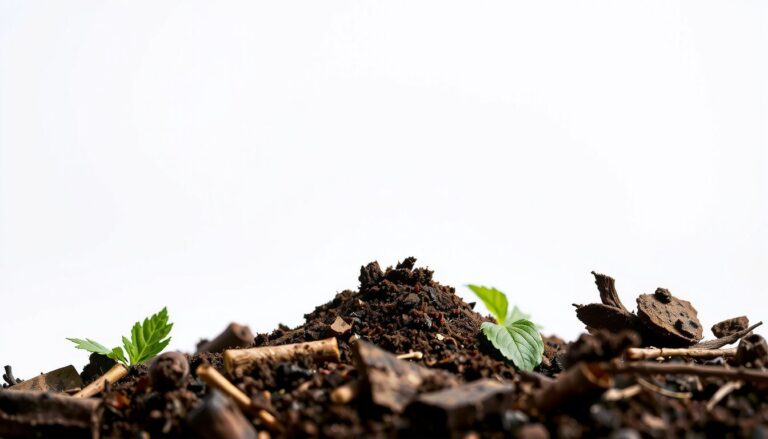
Finished compost looks nothing like fresh manure. It is dark, crumbly, and smells like forest soil. You should not be able to recognize individual droppings, and most of the bedding should be gone.
Here are the signs to check:
- Temperature: The pile stays near outdoor temperature for 5–7 days after turning.
- Texture: It crumbles easily and does not feel slimy or sticky.
- Smell: Earthy and neutral, with no ammonia, sourness, or barnyard odor.
- Volume: The pile has shrunk considerably and no longer settles quickly.
- Weed seeds: Few or none sprout when you keep a small sample moist in a tray.
A simple home test works well when you are unsure. Place a handful of compost in a sealed jar for 24 hours, then open it. If the smell is sour or ammonia-like, the pile needs more time and more oxygen.

Finished compost should look like dark soil, not bedding and droppings.
One practical warning: do not spread compost that still warms up after turning. It is not finished yet, and it can still interfere with seed germination and young roots.
Common Composting Problems and How to Fix Them
When a pile stalls, there is usually a single cause. The table below covers the most common failures and the simplest fixes.
| Problem | Likely Cause | Fix |
|---|---|---|
| Pile stays cold | Too small, too dry, or short on nitrogen | Build a 3×3×3-foot pile, add fresh manure or grass, and water thoroughly |
| Rotten smell | Too wet or compacted | Turn the pile and mix in dry straw, leaves, or shredded cardboard |
| Ammonia smell | Too much nitrogen, not enough carbon | Add dry browns and turn more frequently |
| Dry and dusty | Not enough water | Water while turning until it feels like a wrung-out sponge |
| Matted shavings | Fine particles and compaction | Add coarse, bulky material and stop compressing the pile with equipment |
Turning technique matters as much as frequency. Pull the outside material into the center and break up clumps so the microbes reach fresh surfaces. A pile that is simply flipped from side to side is not being fully mixed.
Using Composted Horse Manure in the Garden
Composted horse manure is a soil builder, not a concentrated fertilizer. It improves soil structure, increases water retention, and supports beneficial microbial life without the burn risk of fresh manure.
For most vegetable beds, spread 1–2 inches of compost over the surface and mix it into the top 4–6 inches of soil. For established perennials and shrubs, leave it on the surface as a mulch and let worms work it down.
- Vegetable beds: 1 inch for annual maintenance, up to 2 inches for poor or depleted soil.
- Lawns: A thin 1/4–1/2 inch layer is enough. Too much can smother the grass.
- Containers: Keep compost to 10–20% of the potting mix. Too much can hold excess water around roots.
A 4×8-foot raised bed needs roughly 8–10 cubic feet of compost to make a 1-inch layer. That is about three to four wheelbarrow loads, raked in before planting.
For containers, container colour also plays a role in how fast the potting mix warms up in spring, so choose pots that work with your local climate and sun exposure.
Safety and Biosecurity: Weed Seeds, Parasites, and Medication Residues
A properly managed hot pile reduces most risks, but a little caution is wise.
- Weed seeds: These are the most common complaint. They survive when the pile does not reach or hold a hot enough temperature. Consistent turning and a large pile solve this.
- Parasites and pathogens: Hot composting is effective, but always keep manure piles away from wells, ponds, and vegetable washing areas. Wash your hands and tools after handling compost.
- Medication residues: Manure from horses treated with dewormers or antibiotics may contain residues. If you are not sure, direct that manure toward ornamental beds or extend the curing time by several months.
One note on pace: safety is part of the answer to how long horse manure takes to compost, not just texture and smell. A pile that looks finished but was never truly hot may still contain viable weed seeds.
The chicken manure timeline is different from horse manure because poultry litter is much higher in nitrogen. If you are managing both, treat them as separate piles with different needs.
Conclusion
The shortest answer is straightforward: a well-managed horse manure pile is usually ready in 2–4 months, while a neglected pile takes 6–12 months or longer. What matters most is not luck but routine — building a pile large enough to heat, keeping it as damp as a wrung-out sponge, and turning it every week or two.
If you have a horse or access to stall waste, the best move is to start this week. Pick a level spot, set a simple weekly reminder for turning, and commit to one month of consistent management. That single month is what turns a smelly chore into a steady supply of free compost for your garden.
Frequently Asked Questions
Can I compost horse manure with straw and wood shavings?
Yes. Bedding adds carbon and improves airflow. Straw breaks down faster than shavings, so expect a longer wait with shavings. Turn the pile regularly and keep it as damp as a wrung-out sponge. In a managed hot pile, straw-bedded manure can finish in roughly two months; shavings usually take longer.
How can I tell when horse manure compost is ready?
Finished compost is dark, crumbly, and earthy-smelling, with no ammonia or barnyard odor. It should stay near outdoor temperature for several days after turning. If a handful in a sealed jar smells sour when opened, it needs more time and oxygen.
Is composted horse manure safe for vegetable gardens?
When compost reaches and holds temperatures above 130°F for several days, then cures, it is widely used in vegetable beds. To be extra cautious, apply it in fall or early spring, and avoid using manure from horses that were recently treated with dewormers or antibiotics.
How do I speed up horse manure composting?
Build a pile at least 3×3×3 feet, keep it as damp as a wrung-out sponge, turn it every 7–14 days, and balance the carbon in bedding with nitrogen-rich greens like grass clippings or kitchen scraps. Smaller particles and consistent turning produce usable compost in roughly 4–10 weeks.
Can I put fresh horse manure straight onto my garden?
Not directly on growing areas. Fresh manure can burn roots and contains weed seeds and pathogens. It can also tie up nitrogen as it breaks down. If you must use it fresh, apply it to empty beds in fall and till it in, then wait at least a few months before planting.
Why does my horse manure pile smell and not break down?
Odor usually means the pile is too wet, too compacted, or too high in nitrogen. Add dry straw, leaves, or shredded cardboard, turn it to let air in, and avoid letting rain pool in it. A sour pile usually recovers within a few weeks once aerobic conditions return.