How Long Does It Take Cow Manure To Compost For Gardens
You've just scored a free load of cow manure from a local farm, and now you're staring at a mountain of it wondering when it will be safe to put on your garden. It's a great question—and the answer makes the difference between lush tomatoes and scorched roots.
The short answer: actively managed cow manure can become usable compost in 6 to 12 weeks, while a neglected pile can take 6 to 12 months or longer. The exact timeline depends on how you manage moisture, airflow, temperature, and the carbon-to-nitrogen balance. You can also read our guide on best bagged compost for lawn.
This guide walks through realistic timelines for every method, the factors that speed up or slow down decomposition, how to know when your compost is truly finished, and common mistakes that stall the process. By the end, you'll have a clear plan to turn that free manure into black gold for your garden beds.
Why Composting Cow Manure Takes Time (And Why It Matters)
Composting cow manure isn't just about letting it sit until it stops smelling. It's a managed biological process where microorganisms break down manure, bedding, and plant material into a stable, soil-like substance that won't harm your plants.
Timing matters because "aged" manure and "finished" compost are not the same thing. Aged manure may be less smelly and less likely to burn plants, but it can still contain active weed seeds, pathogens, and ammonia that can harm your garden. Finished compost is dark, crumbly, and smells like fresh earth.
Applying fresh or under-finished manure to your garden can:
- Burn plant roots due to high ammonia and salt content
- Tie up nitrogen in the soil as microbes work to break down the material
- Introduce pathogens like E. coli or Salmonella
- Sprout weed seeds that survived the cow's digestive system
The clock also affects how quickly you can use the finished product. Understanding the variables helps you plan ahead and avoid the common problem of needing compost before it's ready.
Realistic Timelines: How Long by Composting Method
The time cow manure takes to compost depends less on the cow and more on the method you choose. Here are the typical timelines you can expect:
| Method | Time to Usable Compost | Best For |
|---|---|---|
| Hot composting (active) | 3–8 weeks + 2–4 weeks curing | Gardeners who want results fast |
| Cold composting (passive) | 6–12 months | Low-maintenance gardeners with space |
| Vermicomposting (worms) | 2–4 months after pre-aging | Indoor or small-scale setups |
| Static aerated pile (pipes or fan) | 4–12 weeks | Those who want speed without turning |

A properly managed compost pile with the right moisture and carbon balance heats up quickly and breaks down faster.
Hot composting is the fastest route because it works in the 130–160°F range, which accelerates decomposition and helps kill weed seeds and pathogens. Cold composting relies on ambient temperatures and steady microbial activity—it's slower but far less work.
A practical example: a gardener who mixes one wheelbarrow of fresh manure with two wheelbarrows of shredded leaves, keeps the pile damp like a wrung-out sponge, and turns it weekly can often produce dark, crumbly compost in roughly 6–10 weeks. The same pile left unturned may still look raw after four months.
For gardeners also handling poultry waste, the timeline differs significantly—composting chicken manure typically runs faster due to its higher nitrogen content, but it requires more careful carbon balancing.
The Four Critical Factors That Control Composting Speed
Temperature: The Pace-Setter
Heat is the single biggest accelerator. When your pile reaches 130–160°F (54–71°C), microbial activity peaks and breakdown happens quickly. At this temperature range, the pile also reduces weed seeds and harmful pathogens.
Cooler piles still compost, but they take months longer and are more vulnerable to weather swings. If the pile won't heat up, it's usually too small, too dry, or lacks enough nitrogen-rich material.
Moisture: The Goldilocks Zone
Cow manure is naturally wet, but adding dry bedding or leaves can swing the pile too far the other way. The sweet spot is "wrung-out sponge" moisture—wet enough to clump when squeezed, but not dripping.
Too dry: microbes go dormant, and decomposition stalls. Too wet: the pile goes anaerobic, smells sour, and breaks down slowly.
Aeration: Oxygen Fuels the Process
Composting is an aerobic process—microbes need oxygen to work efficiently. Without proper aeration, the pile turns anaerobic, producing foul odors and dramatically slowing decomposition.
Turn your pile regularly, use bulky materials like straw to create air pockets, or build your pile on a coarse base to allow airflow from below.
Carbon-to-Nitrogen Ratio: Balancing the Diet
Cow manure is nitrogen-rich, which is why it needs carbon-heavy materials like straw, dried leaves, or shredded cardboard to reach a workable C:N ratio (roughly 25:1 to 30:1). Too much nitrogen creates a slimy, ammonia-smelling pile; too much carbon slows everything down.
Fast range: 130–160°F, moist but not soggy, turned weekly, balanced browns Slow range: under 110°F, compacted, too wet or too dry, manure-heavy Fixes: add browns, turn more often, cover from rain, water lightly during dry spells
Hot Composting Cow Manure: The Fastest Approach
If you want usable compost in weeks rather than months, hot composting is your best option. It requires more effort, but it's the most predictable way to shorten the wait.
Getting the Pile Hot
For strong heat, build a pile at least 3x3x3 feet. Smaller piles lose heat too quickly; oversized piles can compact and become anaerobic. A simple recipe:
- 1 part cow manure (with bedding)
- 1 part dry leaves or straw
- Water until it clumps like a wrung-out sponge
What to Expect Week by Week
- Days 1–3: Temperature climbs rapidly if the mix is right
- Weeks 1–3: Active hot phase; turn every 5–10 days
- Weeks 3–6+: Cooling and curing; compost becomes darker and crumbly
Turning: The Right Frequency
Turn when the center cools noticeably. Pull outer material into the middle and break up clumps. Turning daily dumps too much heat; never turning creates dead zones where decomposition stops.
If the pile smells like ammonia, it needs more carbon. If it won't heat, it's too dry, too small, or too compacted.
Cold Composting Cow Manure: The Low-Effort Option
Not everyone has the time or energy for weekly turning. Cold composting is slower but far more forgiving—perfect for beginners or those with busy schedules.
Most gardeners should expect 6–12 months for cow manure to become stable compost this way, and up to 18 months in cool climates or during long, wet winters.
Making Cold Composting Work
- Layer smart: Mix manure with dry carbon materials to prevent matting
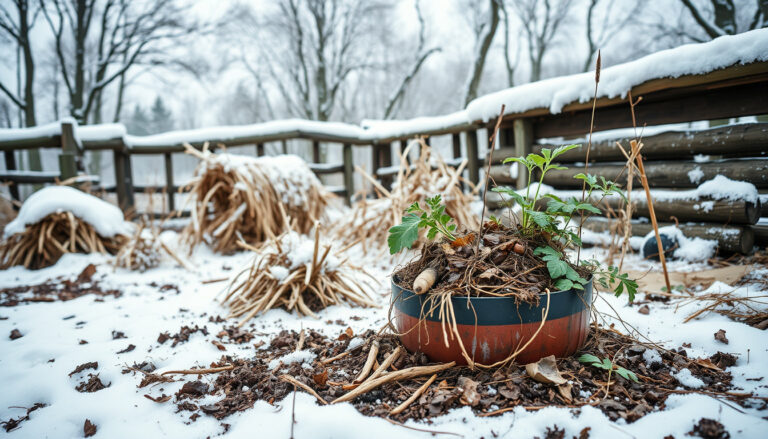
- Manage moisture: Cover the pile to shed rain and maintain sponge-like dampness
- Build for airflow: Use a pallet base or coarse material underneath
- Keep it sized: A 3x3x3-foot pile holds warmth better than a thin heap

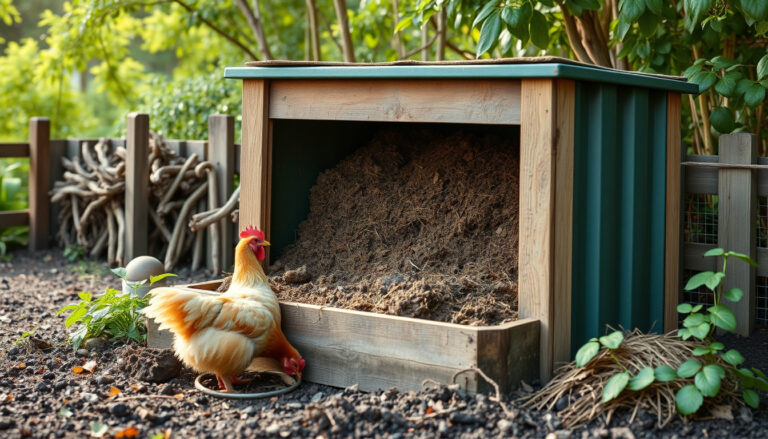
A covered pallet bin keeps rain out while allowing air to circulate—ideal for low-effort, cold composting.
A practical example: a small homestead cleans a cow shelter weekly and adds the manure to a covered, pallet-binned pile with shredded leaves. They turn it only every 6–8 weeks. By the next spring, the bottom half is dark and crumbly while the top is still finishing—so they harvest from the bottom and keep the cycle going.
Cold composting works well when you have space, time, and a steady trickle of manure rather than one big load. It's also less likely to overheat or dry out, making it friendly for beginners.
How to Tell When Cow Manure Compost Is Finished
The calendar can't confirm safety—only the compost's condition can. Finished compost is stable: it shouldn't heat up, stink, or burn plants, and it should look and smell like rich soil.
Signs Your Compost Is Ready
- Appearance: Dark brown, crumbly, with few recognizable manure pats or bedding chunks
- Smell: Earthy and pleasant, not sharp, sour, or ammonia-like
- Texture: Moist but not greasy; no slimy clumps when squeezed
- Temperature: No reheating after mixing or watering
Simple Tests for Confidence
The Bag Test: Seal a handful of compost in a zip-lock bag for 24–48 hours, then open it. A strong sour or ammonia odor means it needs more time and air.
The Germination Test: Mix compost 1:1 with potting mix, sow fast-growing seeds like radish or cress, and compare to a control pot. Poor germination or yellow seedlings signal unfinished compost or excess salts.
The Temperature Check: If the pile stays near outdoor temperature for two weeks after turning, microbial activity has slowed and the compost is approaching maturity.
For edible crops, fully finished compost matters most. When in doubt, let it cure longer—time is the simplest risk control. If you're also composting kitchen scraps and yard waste, the decomposition timeline for vegetable waste follows similar principles but often runs faster without the high nitrogen load of manure.
Common Mistakes That Slow Composting (And How to Fix Them)
When your compost timeline slips, it's usually because a few small process errors stack up. Here are the most common culprits:
Mistake 1: Composting Manure "As-Is" With No Bulking
Dense, wet manure mats together and turns anaerobic. Fix: Mix in straw, dry leaves, or wood shavings to keep the pile fluffy and breathable.
Mistake 2: Letting the Pile Stay Too Wet or Too Dry
Soggy piles cool down and smell; dusty piles stall completely. Fix: Squeeze-test a handful—if it drips, add dry carbon; if it crumbles and won't clump, water it while turning.
Mistake 3: Pile Too Small, Too Thin, or Left Uncovered
Heat escapes fast, especially in wind or rain. Fix: Build a compact mound at least 3x3x3 feet and use a tarp or breathable cover to reduce soaking and drying cycles.
Mistake 4: Turning at the Wrong Time
Turning daily dumps heat; never turning creates dead zones. Best practice:
- Turn when the center cools noticeably
- Pull outer material into the middle
- Break up clumps as you find them
Watch out: A persistent ammonia smell usually means excess nitrogen and poor airflow. If your pile reeks after rain, fork in two wheelbarrows of dry leaves, reshape it taller, and cover it. Odors typically fade within 24–48 hours.
Using Finished Cow Manure Compost in Your Garden
Once your compost passes the readiness checks, it's time to put it to work. Finished cow manure compost is a fantastic soil amendment that improves structure, adds organic matter, and slowly releases nutrients.
Application Guidelines
- Vegetable gardens: Work 1–2 inches into the top 6–8 inches of soil before planting
- Flower beds: Top-dress with a 1-inch layer and gently incorporate
- Lawns: Spread a thin layer (about 1/4 to 1/2 inch) and rake in
Safety Tips for Edibles
For root vegetables and leafy greens, always use fully finished compost. The USDA's guidance on manure use recommends applying raw manure at least 120 days before harvest for crops that contact the soil—finished compost eliminates this waiting period entirely.
If you have an excess, you can also mix finished compost into potting blends for containers. Pairing it with the right pot colors for plants can improve growing conditions by moderating soil temperature in sunny spots.
Frequently Asked Questions
Can I use cow manure compost before it's fully finished?
Partially finished compost can still burn plant roots and contain weed seeds or pathogens. It may also tie up nitrogen in the soil as microbes continue breaking down the material. Wait until your compost passes the bag test and shows no reheating after turning.
How do I speed up cow manure composting?
Hot composting is the fastest method. Build a pile at least 3x3x3 feet, balance one part manure with two parts carbon materials, keep it damp like a wrung-out sponge, and turn it every 5–10 days. The pile should reach 130–160°F within days.
Does bedding material affect how long it takes?
Yes. Straw and wood shavings add carbon and airflow, which helps the pile heat up and break down faster. Manure with heavy bedding often composts more predictably than pure manure, which tends to mat and go anaerobic without added browns.
Is composted cow manure safe for vegetable gardens?
Yes, when fully finished. The heat of proper composting kills pathogens and weed seeds. For edible crops, always use compost that has completed the curing phase and passes the germination test.
Can I compost cow manure in a tumbler?
Yes, but tumblers work best with smaller batches. Because of their size, they may not reach the high temperatures of a larger pile, so expect a timeline closer to cold composting—around 3–6 months. Add plenty of dry carbon to manage moisture.
What does finished cow manure compost look like?
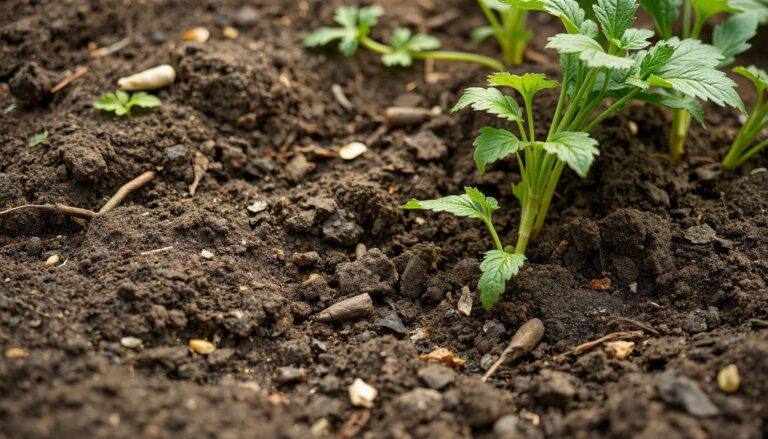
It's dark brown or nearly black, crumbly, and smells like forest soil. You shouldn't recognize original manure pats or bedding material. When squeezed, it holds together slightly but breaks apart easily.
Conclusion
Composting cow manure is a patience game, but the timeline is within your control. With active management—proper temperature, moisture, aeration, and carbon balance—you can turn fresh manure into garden-ready compost in as little as 6–12 weeks. Leave it alone, and you'll wait 6–12 months or more.
The key takeaway: consistency beats everything. A pile that's turned regularly, kept at the right moisture, and balanced with carbon materials will finish far faster than one that's neglected, regardless of what you're composting. The same principles apply whether you're working with manure, grass clippings, or wood chips.
Your next step: pick one method you can realistically maintain this month, gather your carbon materials, and start a well-balanced batch. In a few months, you'll have rich, safe compost ready to transform your garden soil.