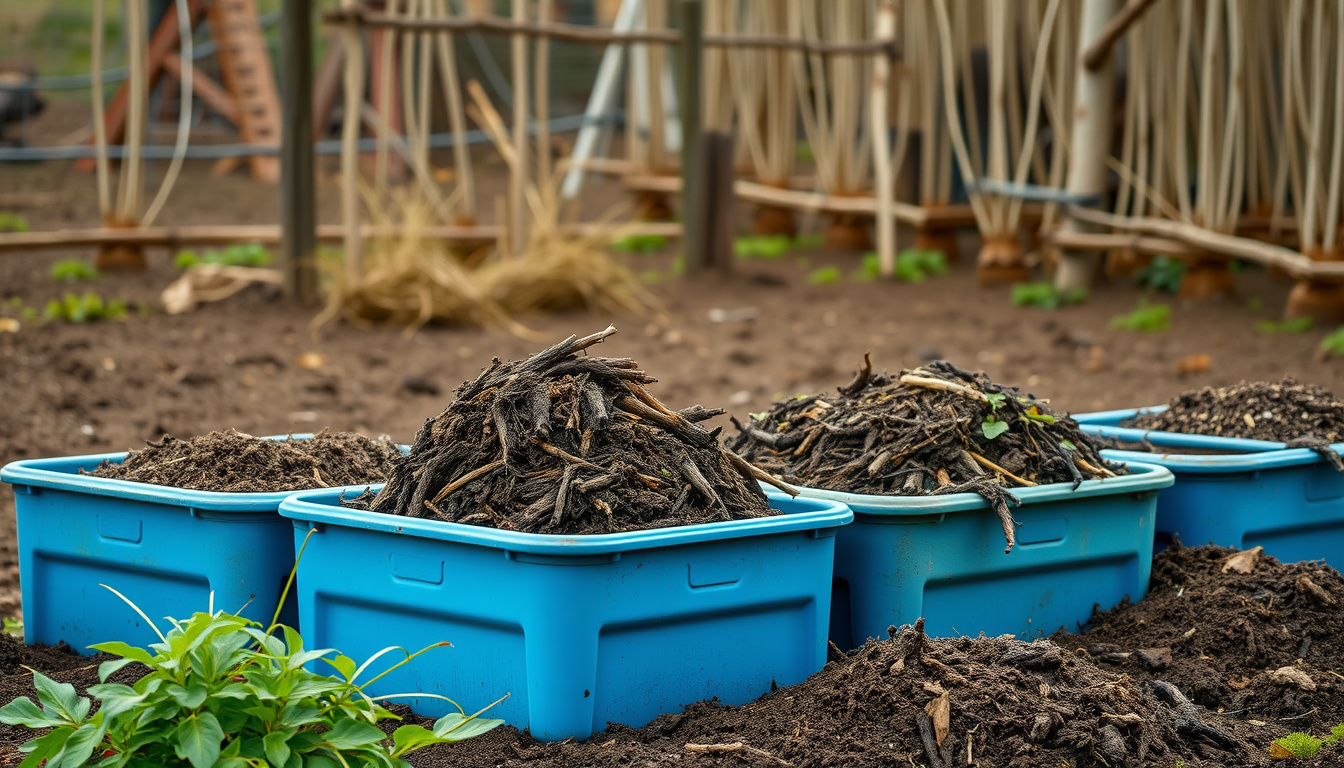
How Long Does It Take For Horse Manure To Compost: Best Proven Timeline And Simple Composting Tips
Standing at the edge of a fresh pile of horse manure and soiled bedding, most stable owners ask the same question: when will this actually be ready for the garden? The honest answer depends less on the calendar and more on how you manage the pile. Whether you have one horse or a full stable, understanding the composting timeline for horse manure separates a valuable soil amendment from a smelly, slow-moving heap.
Composting horse manure is one of the smartest ways to recycle stable waste. It reduces hauling costs, eliminates fly breeding grounds, and produces a rich, natural fertilizer for flower beds, vegetable gardens, and lawns. The key is knowing that the process follows a predictable path—if you give it the right conditions. You can also read our guide on how long does horse manure take to compost.
This guide walks through real-world timelines for hot and cold composting, the factors that speed up or slow down the breakdown, and the simple techniques that turn manure into black gold in weeks rather than months.
The Real Timeline: How Long Does Horse Manure Compost Take?
The short answer: hot composting transforms horse manure into usable compost in 3 to 4 weeks of active management, followed by a 4 to 8 week curing period. Cold composting takes considerably longer—typically 6 to 12 months—because the pile never reaches the high temperatures that accelerate decomposition. For more on this, see our guide on how long does it take cow manure to.
After reading, you will be able to estimate the timeline for your own setup, understand what controls the speed of breakdown, and know exactly when the compost is safe to use on your plants.
Hot Composting Timeline: 3–6 Months Total
- Days 1–3: The pile heats up rapidly as bacteria multiply, reaching internal temperatures of 130–150°F (55–65°C).
- Days 4–14: The thermophilic phase sustains high heat, breaking down proteins and killing weed seeds and pathogens.
- Days 15–21: Temperatures begin to drop as easily digested material is consumed. This signals the end of the active phase.
- Weeks 4–8: The curing phase stabilizes nutrients and allows remaining organic matter to finish breaking down.
- Total time: About 3 months from start to fully finished compost.
Cold Composting Timeline: 6–12 Months
- Months 1–3: The pile sits at ambient temperatures, decomposing slowly.
- Months 4–6: The center may warm slightly, but never reaches thermophilic levels.
- Months 6–12: Material gradually darkens and becomes crumbly, though weed seeds and pathogens may survive.
- Total time: At least a full year for reliable results, often longer in winter.
Realistic Expectations for Home Stables
Most backyard composters fall somewhere between these extremes. A pile that gets occasional turning and reasonable moisture will produce usable compost in 4 to 6 months. The most common failure is impatience—using compost before it has fully stabilized, which can harm plants and introduce weed seeds. For more on this, see our guide on how long does chicken manure need to compost.
What Controls the Speed of Horse Manure Composting?
Three factors determine whether your pile finishes in weeks or stretches into months: oxygen, moisture, and the carbon-to-nitrogen ratio. Get these right and the microbes do the heavy lifting. Get them wrong, and even the best manure will sit unchanged for a year.
Moisture and Aeration: The Oxygen-Water Balance
Microbes need both air and water to thrive. The sweet spot is the "wrung-out sponge" test: squeeze a handful of compost—if a few drops of water appear but it doesn't stream, the moisture is ideal. Too dry and microbial activity stalls; too wet and anaerobic bacteria take over, producing foul odors and slowing decomposition dramatically.
Turning the pile every 3 to 5 days during hot composting keeps oxygen flowing through the mass. Each turn introduces fresh air and redistributes moisture, keeping the entire pile active rather than just the outer layers.
Carbon-to-Nitrogen Ratio: Balancing Bedding and Manure
Horse manure is nitrogen-rich, while straw, wood shavings, and leaves provide the carbon that microbes need for energy. The ideal carbon-to-nitrogen ratio for hot composting is around 25–35 parts carbon to 1 part nitrogen.
- Too much carbon (mostly bedding): the pile heats slowly or not at all.
- Too much nitrogen (mostly manure): the pile smells strongly of ammonia and loses nitrogen to the air.
In practice, a mix of about 2 parts bedding to 1 part manure by volume works well for most home setups. If the pile fails to heat within a week, add more green material or urine-soaked bedding to boost nitrogen.
Particle Size: Smaller Breaks Down Faster
Manure mixed with coarse straw or large wood shavings resists decomposition because microbes can only attack surfaces. Chopping, shredding, or running the material through a compost screener dramatically speeds up the process. Smaller particles provide more surface area for microbial activity, which means faster heating and quicker breakdown.
Temperature Phases: What to Expect
Composting follows a predictable temperature curve:
- Mesophilic phase (first 48 hours): Moderate temperatures as initial bacteria multiply.
- Thermophilic phase (days 2–14): High temperatures as heat-loving microbes take over. This phase kills pathogens and weed seeds.
- Cooling phase: Temperatures drop as easily digested material depletes.
- Maturing phase: The pile reaches ambient temperature and the curing process begins.
If the pile never reaches the thermophilic phase, decomposition happens slowly and pathogens may survive. This is why hot composting is generally recommended for horse manure.
Cold Composting Horse Manure: Pros, Cons, and Timelines
Cold composting is the hands-off approach: pile the manure and bedding, let it sit, and wait. It requires minimal labor and no turning, but the timeline stretches dramatically.
What to Expect with Cold Composting
A cold pile of horse manure and straw bedding takes 6 to 12 months to break down into usable compost. The process is slow because temperatures remain near ambient levels, so microbial activity stays low. In winter, the pile essentially goes dormant.
Advantages of Cold Composting
- Minimal effort: Build the pile and walk away.
- No turning required: Perfect for those with limited time or mobility.
- Gentler on nutrients: Slower decomposition can preserve more nitrogen in the final product.
Disadvantages of Cold Composting
- Long wait: A year or more before the compost is ready.
- Weed seeds survive: Without high temperatures, weed seeds in the manure can germinate in your garden.
- Pathogen risk: Disease organisms may persist in under-composted material.
- Strong odors: Without aeration, the pile can become anaerobic and smelly.
Cold Composting Best Practices
- Build a pile at least 3 feet wide and 3 feet tall.
- Keep the pile covered to prevent drying out or waterlogging.
- Add carbon-rich material like leaves or straw to balance the nitrogen.
- Expect to wait at least a full season before using the compost.
Hot Composting Horse Manure: The 5-Step Method for Fast Results
Hot composting is the fastest way to turn horse manure into usable compost. It requires more work, but the payoff is a finished product in 3 to 4 weeks instead of a year. Here is the proven 5-step method.
Step 1: Build the Right Mix
Start with a balanced blend of manure, bedding, and additional carbon if needed. The ideal ratio is roughly 2:1 bedding to manure by volume. If the bedding is mostly straw, you may need to add leaves, shredded paper, or sawdust to reach the right carbon balance.
A pile that is at least 3 feet wide and 3 feet tall has enough mass to generate and retain heat. Smaller piles dry out quickly and fail to reach thermophilic temperatures.
Step 2: Heat It Up
The pile must reach 130–150°F (55–65°C) within the first few days. If it doesn't heat up, the mix is off—usually too much carbon or too little moisture. Add water or fresh manure and turn the pile to redistribute materials.
Maintain heat by keeping the pile covered or insulating the sides with straw bales. In cold weather, a larger pile holds heat better than a small one.
Step 3: Turn on Schedule
Turn the pile every 3 to 5 days during the active phase. Each turn restores oxygen and redistributes moisture and heat. Use a compost thermometer with a long probe to check internal temperatures at multiple depths.
- Day 3: First turn, when the pile has heated significantly.
- Day 7: Second turn, checking that temperatures remain in the thermophilic range.
- Day 10–14: Turn less frequently as temperatures begin to drop.
Step 4: Monitor Moisture and Temperature
Check moisture at each turn. The material should feel like a wrung-out sponge—not dripping, not dusty. Add water during turns if the pile seems dry. If temperatures drop below 110°F (43°C) during the active phase, turn immediately to re-introduce oxygen.
Step 5: Cure Before Using
After the active phase (roughly 3 weeks), the compost needs a curing period of 4 to 8 weeks. Move the pile to a holding area or simply stop turning it. During curing, the compost stabilizes, and any remaining ammonia dissipates.
Test readiness by checking for:
- Dark, crumbly texture
- Earthy, forest-floor odor
- No recognizable manure or bedding fibers
- No heat when the pile is turned
Ready to upgrade your compost game? Try the hot composting method this season and see how much faster your garden thrives.
Enclosed Bins, Tumblers, and Windrows: Which Method Is Fastest?
The container you use affects the composting timeline more than you might expect. Here is how the most common setups compare.
Open Piles (Windrows)
The classic open pile is the most flexible and often the fastest when managed well. Good airflow from the sides and top promotes aerobic activity, and the pile can be easily turned with a pitchfork. The downside is heat loss in cold weather, which can slow decomposition significantly.
Enclosed Bins
Bins retain heat better than open piles and keep the compost contained and tidy. They limit airflow, so regular turning is essential. With good management, an enclosed bin can produce finished compost in 3 to 4 months.
Compost Tumblers
Tumblers make turning effortless—just crank the handle every few days. They also retain heat well and keep moisture consistent. However, most tumblers are too small to reach thermophilic temperatures reliably. Plan for 2 to 4 months in a tumbler, with lower temperatures and less weed seed control than a large hot pile.
Factors That Override Container Choice
- Pile size: Anything under 3 cubic feet struggles to heat.
- Turning frequency: More turning equals faster breakdown, up to a point.
- Moisture management: Containers need drainage to prevent waterlogging.
- Carbon-to-nitrogen balance: This matters more than the container itself.
FAQ About Composting Horse Manure
How long does horse manure take to compost in a cold pile?
A cold pile takes 6 to 12 months to fully decompose, depending on climate, pile size, and moisture. Winter significantly slows the process. The final product may still contain weed seeds since the pile never reaches thermophilic temperatures.
How long does horse manure take to compost in a hot pile?
A well-managed hot pile produces usable compost in 3 to 4 weeks of active turning, followed by a 4 to 8 week curing period. Total time from start to garden-ready is roughly 2 to 3 months.
What is the fastest way to compost horse manure?
The fastest method combines:
- A balanced carbon-to-nitrogen mix (~30:1)
- A pile at least 3 feet wide and tall
- Turning every 3 to 5 days
- Consistent moisture at sponge-like levels
- Regular temperature monitoring
These conditions can produce finished compost in as little as 6 weeks in warm weather.
How do I know when horse manure compost is ready?
Ready compost is dark, crumbly, and smells like earth. It holds no recognizable manure or straw fibers, and it does not heat up when turned. If it smells like ammonia or urine, it needs more curing time.
Why is my horse manure compost taking so long?
Common causes include:
- Pile too small to retain heat
- Too much bedding and not enough manure
- Moisture too dry or too wet
- Infrequent turning
- Cold weather slowing microbial activity
Fix these issues and the process will accelerate dramatically.
Can I use fresh horse manure directly on my garden?
Fresh horse manure should not be applied directly to vegetable gardens. It can burn plant roots with excess nitrogen and may contain weed seeds and pathogens. Compost it first, or apply it in fall and allow winter to break it down.
Conclusion
Composting horse manure is a straightforward process once you understand the timeline and what controls it. Hot composting with regular turning and proper moisture can deliver usable compost in as little as 3 months, while cold composting requires a full year of patience. The difference comes down to management: heat, oxygen, moisture, and the right carbon-to-nitrogen balance.
Start with a pile at least 3 feet in each dimension, mix bedding and manure in roughly a 2:1 ratio, and turn it every few days. Monitor temperature and moisture, and do not skip the curing period. Your reward is a rich, earthy soil amendment that improves soil structure, feeds beneficial microbes, and helps your garden thrive.
If you are also dealing with other types of animal waste, the principles are similar. The composting process for poultry litter follows the same rules, and vegetable scraps break down on a comparable schedule.
Your next step: Go outside, check your current pile's internal temperature with a compost thermometer, and turn it if it has cooled below 110°F. That single action starts the clock on faster, more predictable compost.