How Long Does It Take For Grass To Decompose? Proven Timeline
You’ve just mowed the lawn, and now you’re staring at a growing pile of grass clippings. Will those green clippings vanish in a week, or will they sit there for months? The honest answer is that grass decomposition takes anywhere from 2 weeks to 3 months, depending entirely on how you manage the conditions.
The good news? Decomposition speed isn’t a mystery. It comes down to a handful of controllable factors: oxygen, moisture, particle size, and the carbon-to-nitrogen balance. In this guide, you’ll get realistic timetables for every common scenario—compost piles, lawn surfaces, soil burial, and even sealed yard waste bags—along with a clear action plan to speed things up without creating a smelly mess. You can also read our guide on how long does it take for compost to decompose.
The Short Answer: Grass Decomposition Timeline
| Scenario | Typical Decomposition Time |
|---|---|
| Warm, aerated compost pile (turned regularly) | 2–3 weeks |
| Thin layer of mulched clippings on soil | 10–18 days for visible breakdown |
| Unturned, thick pile (3–4 inches deep) | 6–10 weeks |
| Matted clippings on turf surface | 8–12 weeks |
| Sealed yard waste bag | 1–3 months (often stalls) |
| Deep soil burial (low oxygen) | 2–8 weeks or longer |
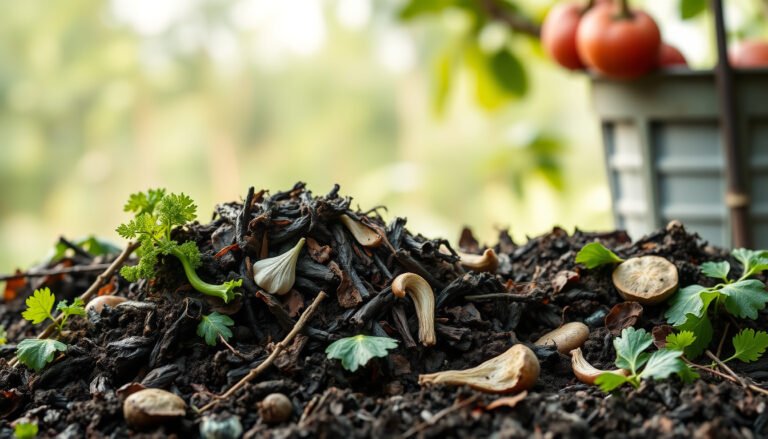
The key phrase here is "visible breakdown." Grass can look dark and unrecognizable on the surface while still containing intact fibers underneath. To know whether decomposition is truly complete, press a handful of material between your fingers. If it crumbles easily and smells earthy rather than sour, you’re done.
How Long Does Grass Take to Decompose in a Compost Pile?
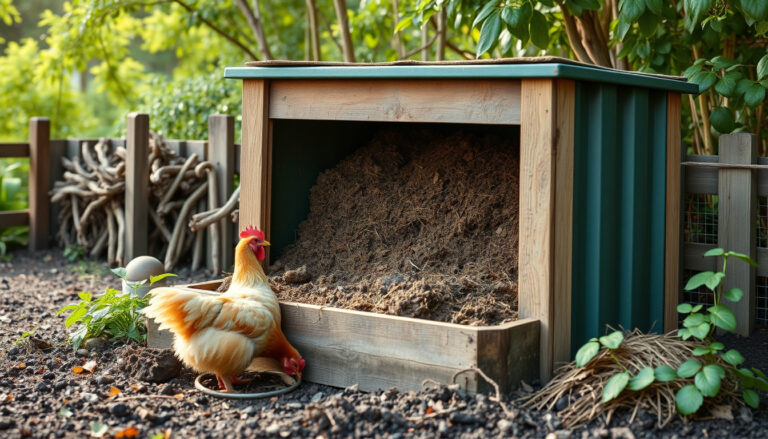
If you’re actively composting, grass clippings are a gardener’s gold—but only when handled correctly. In a well-managed, warm pile, grass clippings decomposition time is impressively short. For more on this, see our guide on how long does it take for grass clippings.
Composting Grass in a Pile: 2–6 Weeks
A properly balanced compost pile with regular turning typically breaks down grass clippings in 2 to 6 weeks. The key is to treat grass as a "green" nitrogen-rich material and pair it with dry "browns" like leaves, straw, or shredded cardboard to hit a carbon-to-nitrogen ratio near 25 to 30:1.
In practice, here’s what that looks like:
- Layer no thicker than 2 cm of fresh clippings at a time.
- Mix in roughly three times the volume of dry brown material.
- Keep the pile as damp as a wrung-out sponge.
- Turn every 3 to 5 days to reintroduce oxygen.
Under warm summer conditions—when internal pile temperatures reach 55–65°C—grass form is typically gone within a month. A common mistake is dumping a full mower bag of clippings into the pile without mixing. That dense, wet mass blocks airflow and turns anaerobic, slowing decomposition by weeks. For more on this, see our guide on how long does it take compostable plastic to.
When It Stalls: The Anaerobic Trap
If grass sits too thick and wet inside a pile, it transforms into a slimy, sour-smelling clump that holds its shape for months. This is not a failure of microbes; it’s an oxygen failure. The inside of a matted clump goes anaerobic, shifting the decomposition process to slower pathways that produce ammonia and rotten odors.
If you want the science-backed "why," university extension programs consistently confirm that oxygen and moisture are the limiting factors in organic decomposition. The University of Minnesota Extension offers a practical overview of how these conditions influence composting outcomes: University of Minnesota Extension. For more on this, see our guide on how long does it take to smoke fish.
How Long for Grass Clippings to Decompose on the Lawn Surface?
Many homeowners practice "grasscycling"—leaving clippings on the lawn after mowing. This method contributes to lawn thatch breakdown and returns nitrogen to the soil, but it requires a specific approach.
Thin Mulching: 1–2 Weeks to Invisible
When clippings are short (under 1 inch) and spread evenly across the turf, they can lose visible green texture in 10 to 18 days. The blackened, dry particles settle into soil level and become difficult to spot, especially with regular lawn activity and irrigation. For more on this, see our guide on how long does it take to deep fry.
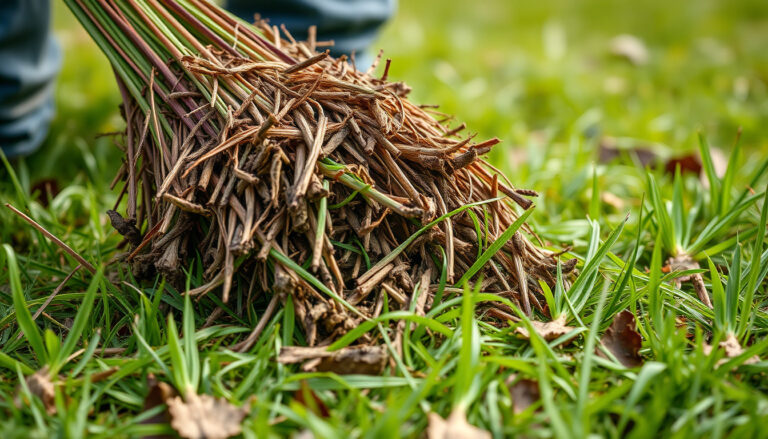
The critical condition is that the clippings must not form a mat. A single mowing session that deposits a solid, continuous layer of wet grass will create the opposite effect—a barrier that takes months to break down and can even suffocate the lawn beneath it.
Matted Clippings: Months of Disappointment
Leave a thick mat of clippings on your lawn, and you’re looking at 8 to 12 weeks before anything meaningful happens. In wet, compacted conditions, the mat can persist for up to 4 months.
The problem is structural. A dense mat restricts oxygen at the soil surface and creates a stable habitat for anaerobic bacteria, which work far slower than aerobic microbes. The center of the mat remains cool, glossy, and partially intact while the edges thin.
Practical fix: Rake matted clippings into the top inch of soil or thin them out across a wider area to restore oxygen contact. Lightly dampening the mat and mixing in dry leaves can also kick-start microbial activity.
Grass vs. Leaves vs. Thatch: Why Timing Differs
Not all organic materials decompose at the same speed, and grass is actually one of the fastest. But comparing it to leaves and thatch helps explain why your lawn’s schedule might feel slower than expected.
Grass Clippings
Fresh grass is roughly 80% water and rich in nitrogen. Its cellular structure is relatively soft, which makes it a fast food for soil microbes and compost bacteria. Under ideal conditions, individual blades lose structural integrity within 1 to 2 weeks.
Leaves
Leaves are higher in lignin and cellulose—complex structural compounds that resist decay. Whole leaves commonly take 2 to 6 months to decompose, even in a compost bin. Shredding them aggressively can compress that timeline to 4–8 weeks, but they will never break down as fast as grass.
Thatch
Thatch is a layer of dead and living stems, roots, and organic matter that accumulates between the soil and the grass blades. Unlike fresh clippings, thatch is dry, lignified, and densely packed. Its decomposition timeline depends on soil biology, moisture, and temperature, but it operates on the order of months rather than weeks. Proper aeration and top-dressing with compost are the proven ways to accelerate lawn thatch breakdown.
How to Speed Up Grass Decomposition Without Creating Odors
Odors are a sign that something has gone wrong. Healthy decomposition smells earthy and mild. A sour, ammonia-like, or rotten smell indicates anaerobic conditions that are also slowing down the process. Fix the airflow, and you fix both the smell and the speed.
Step-by-Step: The 4-Step Aerated Compost Method
- Chop — Cut clippings into 2 to 5 cm pieces. Smaller particles expose more surface area for microbes to colonize.
- Balance — Mix greens with dry carbon at roughly 1:3 by volume. Shredded leaves, straw, and uncoated cardboard work well.
- Moisten — Water until a handful feels like a wrung-out sponge. If liquid drips out, you have too much moisture.
- Turn — Aerate the pile every 3 to 5 days to reset oxygen levels.
Typically, this method produces crumbly, finished compost from grass clippings in 2 to 4 weeks during the growing season.
Monitor With Your Senses
Don’t rely only on a thermometer, though a compost thermometer helps. Pay attention to:
- Smell: Earthy = good. Sour or like rotten eggs = anaerobic.
- Texture: Crumbly and dark = progressing. Slimy or stringy = stalled.
- Heat: A warm center (above 43°C) signals healthy microbial activity.
If the pile turns sour, add dry carbon material immediately, break up clumps, and turn the whole pile. Rapid correction saves weeks.
Common Mistakes That Slow Grass Decomposition
When you know the pitfalls, the timeline no longer feels random. These mistakes consistently turn a 2-week process into a 2-month project.
Mistake 1: Piling Too Thick
A 30 cm heap of fresh grass clippings will almost certainly go anaerobic within days. The center becomes a black, odorous mat that resists decomposition for weeks. Always keep fresh layers under 15 cm and mix them into existing material.
Mistake 2: Ignoring Moisture Balance
Dry grass clippings decompose very slowly. Wet, dripping clippings suffocate the process. The goal is consistent, moderate moisture—think of a damp sponge sitting in a bucket, not floating in water.
Mistake 3: Skipping Particle Size Reduction
Long, unchopped grass blades shed water and resist compaction. They create dry pockets in a pile that look active on the surface but remain intact underneath. Chopping grass to 3–5 cm solves this problem before it starts.
Mistake 4: Avoiding Carbon Materials
Grass alone creates a sludgy, nitrogen-saturated pile. Without carbon-rich "browns," microbes run out of energy sources and decomposition slackens. Mix in dry leaves, shredded paper, or straw to balance the chemistry.
How Long Does Grass Take to Decompose in Soil?
Burying grass clippings directly into garden soil is one of the fastest and most practical methods for reducing waste volume.
Shallow Burial: 2–4 Weeks
When clippings are tilled into the top 10 cm of soil, they decompose in 2 to 4 weeks under warm, moist conditions. Soil microbes, earthworms, and other organisms rapidly colonize the fresh organic matter. The fine roots and soil structure naturally maintain oxygen flow, preventing the anaerobic stalls common in piles.
Deep Burial: Up to 8 Weeks or More
If clippings are buried deeper than 30 cm, oxygen becomes scarce, and decomposition slows substantially. In dense, clay-heavy soil, the timeline can extend to 2 months or longer. If you’re using deep burial for aesthetic reasons, accept the slower schedule.
The Surface-Contact Rule
The fastest decomposition in soil always happens where clippings maintain maximum surface contact with soil particles. Raking clippings into the top inch of soil—rather than leaving them on top—can cut the visible breakdown time in half.
What About Yard Waste Bags?
Many municipalities require grass clippings to be collected in paper yard waste bags. If you’re wondering how long grass clippings take to decompose inside one, the honest answer is: much longer.
In a sealed plastic bag, decomposition can stall entirely for 1 to 3 months. The lack of oxygen creates a pickling effect that preserves grass structure and produces sour, acidic conditions. Paper bags are better because they breathe, allowing some airflow and moisture exchange, but the process is still slower than open-air composting.
Best approach: If you must bag clippings, keep the contents loose, avoid packing them down, and store the bags in a sunny, dry location. Punctuate the bags to allow air exchange, and expect the timeline to move toward 6–10 weeks rather than 3 weeks.
FAQ: Grass Decomposition Time
Can grass clippings decompose on their own without a compost pile?
Yes. A thin layer of clippings left on the lawn or raked into soil will decompose naturally in 2–6 weeks, provided they aren't matted and the soil stays moist.
Does turning a compost pile actually speed up grass breakdown?
Absolutely. Turning every 3–5 days reoxygenates the pile, resets airflow channels, and distributes microbes. It can shorten the decomposition time by 50% or more compared to an unturned pile.
Should I add grass clippings to my compost bin?
Yes, but always mix them with brown materials. Pure grass creates a wet, nitrogen-heavy mass that compacts and smells. The correct ratio is roughly 1 part grass to 2–3 parts browns by volume.
How do I know when grass is fully decomposed?
Finished material looks dark, crumbles easily, smells earthy, and no longer resembles individual blades. Any material that holds its shape or shows intact fibers needs more time.
Conclusion
Grass decomposition time is completely predictable once you understand the mechanics. In an actively managed compost pile, you can expect usable material in 2–6 weeks. On the lawn, thin mulched clippings disappear in about two weeks, while thick mats stretch the process to a few months. Soil burial with good oxygen access falls in the 2–4 week range. The variables that matter are oxygen, moisture, particle size, and carbon balance.
The single best next step is to fix your starting conditions before worrying about troubleshooting. Chop the clippings, mix in dry carbon material, and keep the moisture at a wrung-out sponge level. If your current pile is stalling, turn it immediately, add bulking material, and check the texture rather than the color. Apply these controls, and your lawn waste will transform into nutrient-rich organic matter in weeks, not months.