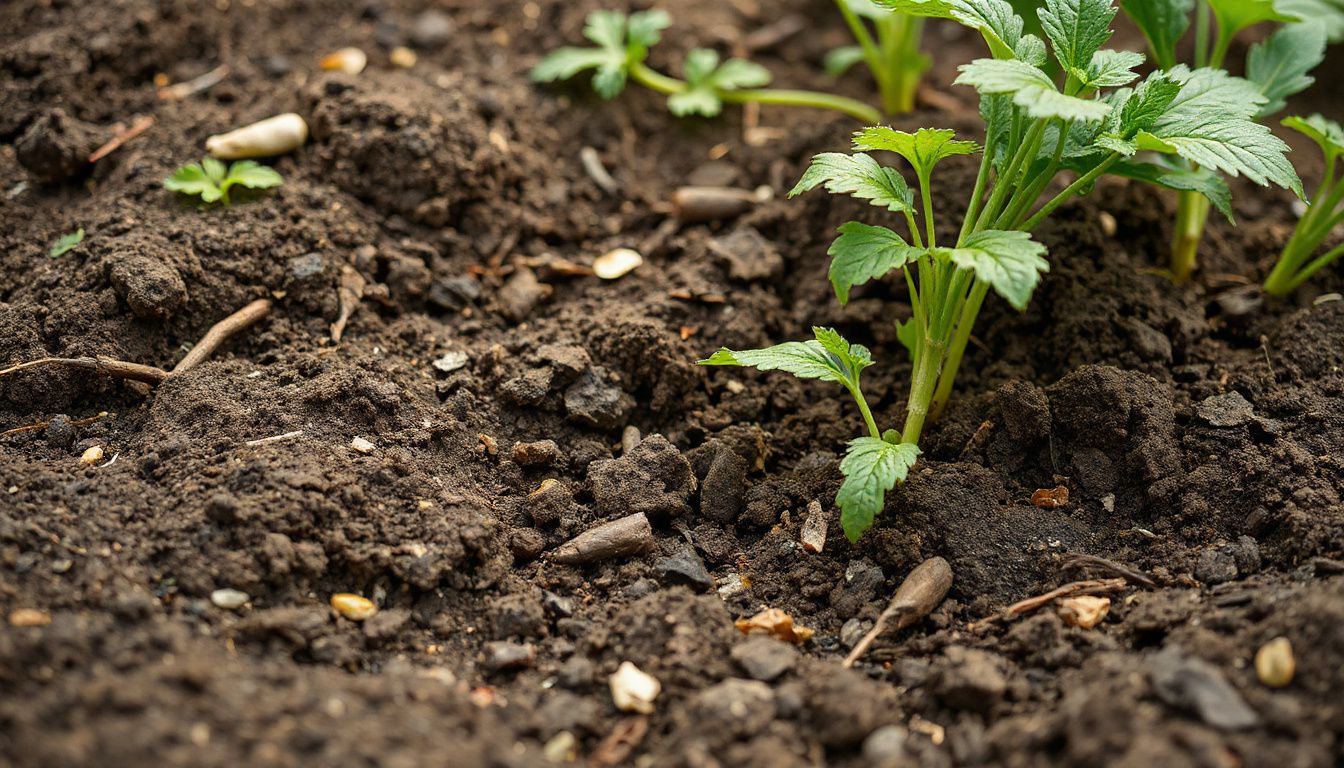
How to Prepare Ground for Planting Vegetables in 8 Steps
A productive vegetable garden starts long before the first seed goes in. If you’ve ever broken ground only to find compacted clay, a carpet of weeds, or soil that turns to concrete after a rain, you already know: the quality of your soil prep determines whether your carrots grow straight, your tomatoes set fruit, and your lettuce germinates evenly.
Preparing ground correctly means less watering, fewer pest problems, and stronger roots that can access nutrients deep in the soil profile. This guide walks through a repeatable, eight-step process that works for in-ground beds, raised beds, and small backyard rows. I’ve used these exact methods across sandy, clay-heavy, and rocky soils, and the difference is measurable — seedlings establish faster and beds need far less intervention later.
You’ll learn how to clear vegetation without triggering a weed explosion, test and amend soil based on real data, shape beds for drainage, and finish with a surface that holds moisture and promotes even germination. Let’s dig in.
Step 1: Clarify Goals and Gather the Right Tools
Before you touch a shovel, decide what “success” looks like. Are you aiming for high yields of heavy feeders like tomatoes and squash? A low-maintenance salad garden? A steady succession of root crops? The answer drives bed size, amendment choices, and irrigation.
Write down three decisions:
- Crops you’ll grow — heavy feeders need more compost and balanced fertility; legumes fix their own nitrogen; root crops want loose, stone-free soil.
- Harvest volume — a family of four eating daily greens needs more square footage than a couple harvesting weekend salads.
- Weed management style — will you hand-pull, hoe frequently, or mulch heavily? This affects bed width and path design.
Once goals are clear, gather tools. You don’t need a shed full of equipment. The core kit:
- Garden fork or broadfork for loosening without inverting soil layers
- Spade for cutting sod and edging
- Metal rake for leveling and creating fine tilth
- Hoe for weeding and making furrows
- Hand trowel for transplanting and detail work
- Wheelbarrow for moving compost and debris
- Soil test kit or lab submission supplies
- String, stakes, and a tape measure for straight lines and spacing
Pro tip: sharpen spade and hoe edges before you start. A dull blade tears roots instead of cutting them, which leaves fragments that can regrow.
Step 2: Clear Weeds, Sod, and Debris Without Spreading Seeds
Clearing the bed is where many gardeners accidentally create a bigger problem. Rototilling or aggressively chopping weeds spreads seeds and fragments rhizomes. Instead, work methodically.
 Lift weeds by the crown when the soil is slightly moist to remove as much root as possible without breaking it.
Start when the soil is moist but not sodden — roots slide out more completely. For annual weeds, grasp the crown and pull straight up. For perennial weeds with deep taproots (dandelion, dock) or spreading rhizomes (quackgrass, bindweed), use a garden fork to loosen the soil around the root, then lift the entire structure. Never chop these with a hoe; every cut piece can sprout.
For sod or a lawn conversion, slice under the grass with a sharp spade in 12-inch strips, then roll each strip like carpet. Shake off loose soil back onto the bed, but keep the sod roots out of the planting area — they’ll decompose slowly and compete for nitrogen. You can stack sod upside down in a corner to break down over a season, or discard it.
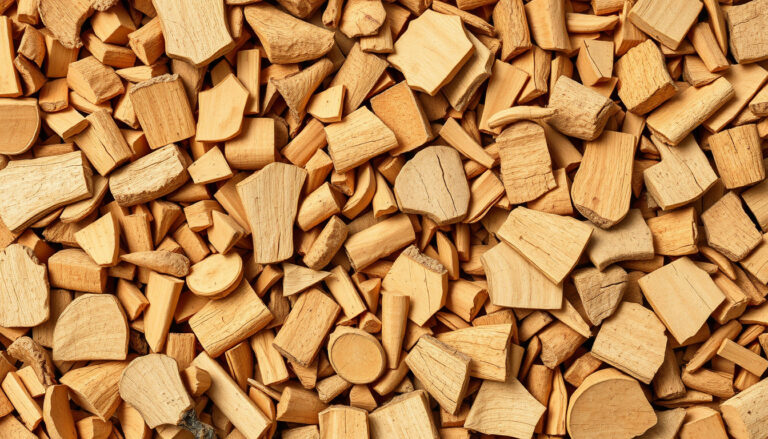
Next, rake out sticks, stones, and old mulch. Rocks larger than a golf ball interfere with root crops; a 2-minute pass now saves frustration later. If you’re using wood chips for paths, remember that [wood chips break down very slowly](https://gearventra.com/how-long-for-wood-chips-to-break-down/) and will tie up some nitrogen if mixed into the bed, so keep them on walkways only.
Common mistake: pulling seed-bearing weeds and shaking them over the bed. Bag seed heads immediately, and keep a separate bucket for “do-not-compost” material — anything with mature seeds or creeping roots.
## Step 3: Test Soil Texture and pH Before You Amend
Guessing at soil problems wastes money and can make things worse. For example, adding sand to clay creates a concrete-like texture, and dumping lime “just in case” can push pH above 8 where nutrients lock up. Test first.
**Texture jar test (free, takes 24 hours):**
1. Fill a clear quart jar one-third full with soil from 6–8 inches deep.
2. Add water to within an inch of the top, plus a drop of liquid dish soap.
3. Shake hard for two minutes, then let it settle undisturbed.
4. After 1 minute, mark the sand layer; after 2 hours, mark the silt layer; after 24 hours, mark the clay layer on top.
The relative thickness of each layer tells you your soil’s dominant particle size. Sandy soil drains too fast and holds few nutrients. Clay drains slowly and compacts easily. Loam — roughly 40% sand, 40% silt, 20% clay — is the sweet spot, but you can improve any texture with organic matter.
**pH test:** Most vegetables grow best between 6.0 and 7.0. Outside that range, phosphorus, iron, and manganese become less available even if they’re present in the soil. Use a home pH meter or, better, send a composite sample to your local cooperative extension lab. Take 8–10 sub-samples from different parts of the bed, mix them in a clean bucket, and submit one cup of the mix. The USDA’s soil health resources ([usda.gov](https://www.usda.gov)) confirm that pH and organic matter are the two most influential factors for backyard productivity.
Pro tip: if you’re in a hurry, test pH before adding any lime or sulfur, then retest three weeks after applying amendments to see the shift.
## Step 4: Improve Soil Structure With Compost and Targeted Amendments
Once you know your texture and pH, build fertility with organic matter first. Compost is the single most effective amendment for almost every soil type: it improves aggregation in clay, boosts water-holding capacity in sand, and feeds the microbial life that makes nutrients available to plants.
Spread **1–3 inches of finished compost** over the entire bed. In clay soil, use the higher end; in sandy soil, 2 inches is enough. Work it into the top 6–8 inches with a garden fork or broadfork. Avoid rototilling deeply — excessive tillage destroys soil structure and burns off organic matter.
If you’re making your own compost, know your timelines: [vegetable scraps and garden waste take several months to break down fully](https://gearventra.com/how-long-to-compost-vegetable-waste/) in a well-managed pile. Don’t apply partially decomposed material to a bed you’re about to plant; it will rob nitrogen as it finishes decomposing. Similarly, if you use chicken manure, [it must be fully composted before use](https://gearventra.com/how-long-to-compost-chicken-manure/) — fresh manure contains ammonia and pathogens that burn roots and contaminate leafy greens.
For specific problems, add targeted amendments based on your test results:
| Soil Issue | Amendment | Notes |
|------------|-----------|-------|
| Clay-heavy | Compost + aeration; avoid sand | Gypsum only if sodium is high (sodic soil) |
| Sandy | Extra compost, worm castings | Improves nutrient and water retention |
| pH below 6.0 | Garden lime | Apply at label rate, water in, retest in 3–4 weeks |
| pH above 7.5 | Elemental sulfur or acidifying compost | Works slowly; don’t expect instant correction |
| Low fertility (lab report) | Balanced organic fertilizer or composted manure | Match to crop needs; heavy feeders need more nitrogen |
Pro tip: compost should smell earthy and crumbly, never sour or ammonia-like. If it’s hot to the touch, it’s still decomposing — let it finish before applying.
## Step 5: Loosen and Shape Beds for Drainage and Root Growth
Roots need oxygen as much as water. In compacted soil, roots stay shallow, plants wilt after rain, and yields drop. Loosen the soil to a depth of 10–12 inches without inverting layers.
A broadfork is ideal: push the tines fully into the soil, rock the handles back to crack the soil vertically, then step forward 8–10 inches and repeat. This creates deep fissures for roots and water while preserving the soil food web. If you only have a garden fork, insert it to full depth, rock gently, and lift just enough to fracture the soil — don’t flip it over.

*Finish the bed by raking the top layer into a crumbly, level surface that drains evenly.*
```](https://www.writova.com/storage/articles/290/content_2_VfTcUvx3uA.jpg)
Next, shape the bed. A slightly raised profile — 4–8 inches above the surrounding paths — improves spring soil warming and sheds excess rain. On poorly drained sites, go higher; on sandy soil, a flatter profile is fine.
- Rake the surface level, breaking only large clods larger than a tennis ball.
- Pull soil from the paths onto the bed to create height.
- Keep beds no wider than 4 feet so you can reach the center from both sides without stepping on the growing area.
On a slope, orient beds across the contour rather than downhill. This slows runoff and lets water infiltrate instead of washing out seeds and soil.
## Step 6: Level, Rake, and Set Planting Lines for Efficient Sowing
A smooth, fine seedbed is critical for small seeds like carrots, lettuce, and spinach. Clods create air pockets that dry out and leave seeds stranded. Rake the top 1–2 inches until the texture resembles coarse breadcrumbs — uniform, crumbly, and free of large stones.
To level a bed quickly, use a straight board or the back of a landscape rake. Drag it across the surface like a screed, filling low spots and knocking down high spots. Don’t overwork wet soil; it smears into a hard crust when it dries. Test by squeezing a handful: if water drips out, wait a day.
Then set your planting lines. Straight rows aren’t just aesthetic — they simplify weeding, spacing, and irrigation.
- Mark row positions with taut string between two stakes.
- Use the handle of a hoe or the edge of the rake to draw shallow furrows to the recommended depth for each crop.
- Label each row with a stake or tag to avoid mix-ups at sowing time.
For intensive planting, you can skip rows and use a grid or broadcast method, but for beginners, rows are easier to manage.
## Step 7: Water In, Mulch, and Let the Bed Settle Before Planting
Water the prepared bed slowly until moisture penetrates 4–6 inches deep. This settles the soil around amendments, reveals low spots you missed, and gives you a clean, firm surface for seeding. A gentle shower or soaker hose works better than a hard jet, which seals the surface and causes runoff.
After watering, check the grade again. Fill any puddles with additional soil or compost, then lightly rake. If you see a flush of weed seedlings within 7–10 days, that’s a good sign — it means you’ve brought weed seeds to the surface where they’re easy to kill. Hoe them off at the thread stage before they develop true leaves. This “stale seedbed” technique can reduce weed pressure by 70–80% in the first month.
Now mulch. The right mulch depends on your planting method:
- **Direct-seeded beds:** hold off on mulch directly over seed rows until seedlings are 2–3 inches tall. Instead, mulch the paths and spaces between rows.
- **Transplant beds:** you can mulch immediately after planting, keeping the mulch an inch away from stems.
- **Mulch options:** straw, shredded leaves, or fine bark. Fresh grass clippings can mat and heat up; [if you let grass clippings dry and decompose partially first](https://gearventra.com/how-long-for-grass-clippings-to-decompose/), they make an excellent nitrogen-rich mulch.
Common mistake: spreading a thick mulch layer over seeded areas. Seeds can’t push through 4 inches of straw, and slugs hide in the damp layer. Wait until seedlings are established.
## Step 8: Do a Final Readiness Check Before You Plant
Before sowing or transplanting, run three quick tests to confirm the bed is truly ready.
1. **Squeeze test:** Grab a handful of soil from 4 inches deep and squeeze. It should form a loose ball that crumbles when prodded. If it stays in a hard clod, it’s too wet; if it won’t hold together at all, it needs more water or organic matter.
2. **Trowel test:** Push a hand trowel into the soil to its full depth. It should slide in with moderate pressure and no sudden stop. If you hit a hardpan layer within 8 inches, loosen again with a broadfork.
3. **Drainage test:** Pour a gallon of water over a 1-square-foot area. It should soak in within 2–3 minutes, not run off or sit on the surface. Slow infiltration means you need more compost or a higher raised profile.
If all three pass, you’re ready to plant. If you’re sowing carrots or parsnips, you can do a small test row first — good germination in 10–14 days confirms the bed is in excellent shape.
## Common Mistakes That Undo Your Ground Preparation
Even experienced gardeners slip up. Avoid these five pitfalls:
- **Rushing the process when soil is wet.** Working clay soil too wet destroys its structure for the entire season. Wait until a squeezed ball crumbles.
- **Over-tilling.** A rototiller creates a fluffy surface but a compacted “plow pan” just below the tiller depth. Use a broadfork instead, and keep tillage to the top 6–8 inches.
- **Skipping the soil test.** Adding lime, sulfur, or fertilizer without data is guesswork. A $15 lab test saves $50 in wasted amendments and a full season of poor growth.
- **Using uncomposted manure or fresh grass clippings.** Both can burn roots and introduce weed seeds or pathogens. Compost everything first.
- **Walking on the finished bed.** Every footstep re-compacts the soil you just loosened. Use boards or stay on paths.
## Frequently Asked Questions
### How deep should I dig to prepare ground for vegetables?
Loosen the soil to 10–12 inches for most vegetables. Root crops like carrots benefit from 12 inches or more of loose, stone-free soil. You don’t need to invert the soil; use a broadfork or garden fork to crack and aerate without destroying soil layers and microbial life.
### Can I prepare ground for vegetables without tilling?
Yes. The no-dig method layers 2–4 inches of compost directly on the soil surface after clearing weeds with cardboard or mulch. Earthworms and roots do the mixing over time. No-dig preserves soil structure, reduces weed seeds, and requires less labor, though it can take a season to fully loosen compacted soil.
### When should I prepare my vegetable bed — fall or spring?
Fall preparation is ideal because you can add compost, lime, and organic matter and let winter weather break up clods. If you only prepare in spring, wait until the soil is dry enough to crumble, then amend and plant within a week or two. Never work frozen or waterlogged soil.
### Do I need to add fertilizer when preparing the ground?
Only if your soil test shows a deficiency. Compost provides slow-release nutrients for most garden vegetables. Heavy feeders like tomatoes, corn, and squash benefit from a balanced organic fertilizer mixed into the planting row at the recommended rate. Avoid high-nitrogen synthetic fertilizers right before planting; they can burn seedlings.
### What’s the fastest way to kill grass and weeds before making a vegetable bed?
Spread cardboard or several layers of newspaper over the area, wet it thoroughly, then cover with 3–4 inches of compost. The light-blocking layer kills grass and annual weeds in 4–6 weeks, and the compost is ready to plant into. For perennial weeds like bindweed, you’ll still need to remove roots by hand.
### Should I add sand to clay soil when preparing a vegetable bed?
No. Sand + clay creates a dense, concrete-like texture that drains worse than clay alone. Instead, add 2–3 inches of compost and use a broadfork to loosen the clay. Over time, organic matter improves aggregation and creates natural drainage channels.
## Conclusion
Preparing ground for planting vegetables is the highest-leverage work you’ll do all season. Clear vegetation without spreading seeds, test your soil and pH, amend with compost and targeted nutrients, loosen without inverting, shape beds for drainage, and finish with a fine, settled surface. When the bed passes the squeeze, trowel, and drainage tests, your seeds and transplants will establish faster and need less coddling.
Your next move? Pick one bed, run through steps 1–8 this weekend, and plant a single crop you love. Observe how the soil behaves after watering and adjust next season. If you lack in-ground space, the same principles apply to containers — [choosing pot colors that don’t overheat your plants’ roots](https://gearventra.com/best-color-pots-for-plants/) is a smart next step. Good soil isn’t built in one day, but every season of thoughtful preparation compounds into healthier plants and heavier harvests.



4 Comments