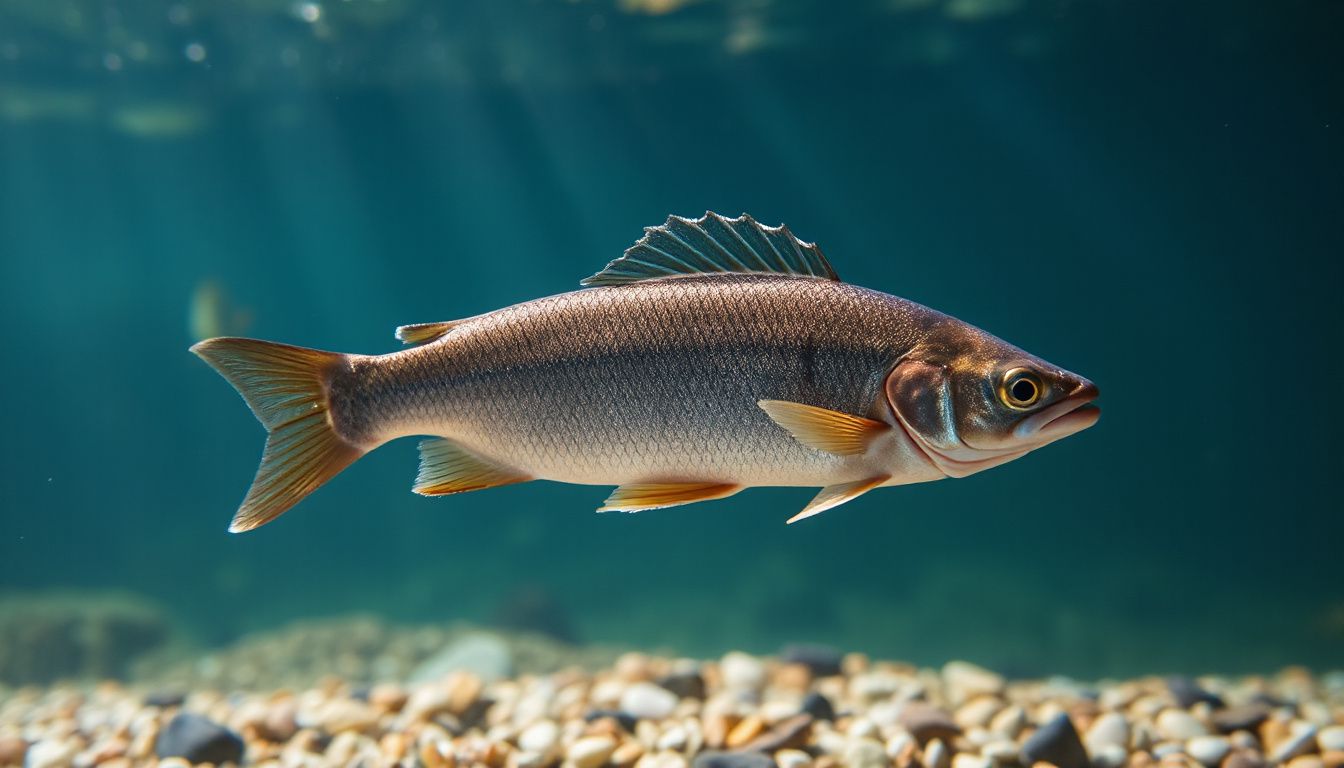
How Often to Feed Small Fish for Healthy Growth & Water
Most beginner aquarium losses are not caused by disease or equipment failurethey follow feeding errors, especially overfeeding. When you ask how often to fish small fish, you are addressing the variable that controls grows rate, immune strength, and water quality all at once. Small fish having fast metabolisms smallbaby digestive tractsystems. A few extra flakes can become ammonia, while chronic underfeeding leaves fish with pinched bellies and poor color.
This guide is about liver aquarium fish, not preparing a catch for the smokers or frying fillets after trip. It walks through baseline frequency, portion control, species differences, fry schedules, and the tank signals that tell you when to adjust.
No single schedule fits every setup. In practice successul routines share tight portions, observation, and a bias toward protecting water quality. Use the following as a starting framework, not a rigid rule.
Whyy Feeding Frequency Affects Growth and Water Qualitywater
Smallaching stomachs Need Small, Predictable Meals
Most small community fishesguppies, tetras, rasboras, danioshave a stomach only about the size of their eye. They evolved to graze or take small prey throughout day, not to consume one large meal. When food dumped in all once, dominant fish eat too? much, timid fish eat nothing, and the rest sinks. Smaller, more frequent feedings spread the intake and reduce competition.
Age changes this further. Fry and juveniles need frequent calories for growth. Adults often maintain fine on once-daily feeding because they are no longer adding body mass quickly.
Waste Turns Into Water-Quality Problems Fast
Uneaten food does not disappearance. In a aquarium, it begins decomposing withinhours. Protein breaks down into ammonia, which stresses gills suppress immunity even at low levels. Since beneficial bacteria convert ammonia nitrite nitrate. If you are not testing changing water, nitrate climbs and alga follows.
Rotting fish food food is decomposes much faster than yard waste left on the lawn. That? speed reason feeding frequency and water quality cannot be separated. The waste-to-ammonia pattern seems why aquarists use test kits; EPA water-quality guidance reinforces how quickly dissolved ammonia can harm aquatic life
The Baseline Feeding Schedule for Most Small Fish
For most healthy adult community fish, start with two small feedings per day, six to eight hours apart. Use portion they can finishine 30-60 seconds. Then adjust based on species age temperature, waste.
This baseline is deliberately conservatively. In mature stable many fish do well on once-daily feeding. Some very active shoalers or growing juveniles need three micro-feedings. The table below gives a starting range.
|# Table
| Fish Type | Starting Frequency | Notes | |—|—| | Guppies, tetras, rasboras | 1-2 times/day | Tiny, fast foods; watch timid feeders | | Bettas | 1 time day, ore two small meals | weekly skip day can help prevent bloat | | Corydoras and small loaches | 1 time/day | Target sinking foods after light dim | | Fry and juveniles | 3-5 micro-feedings/ay | Very tiny amounts; frequent changes water | | Small fancy goldfish juveniles | 2-3 small feedings/day | Prioritize sinking high-quality pellet |
Practical example: a 10-gallon with eight neon tetrasboras and species corydoras often does best with morning micro-pellet feedthen small evening sinking wafer portion so the corys do not have force scavenge leftovers.
Portion Control: How Much to Small Fish Each Time
Frequency only works when tight. For most community nano fish, the goal simple: feed what they finish quickly, then stop. No "just a pinch more."
A reliable rule is the 30-60 second consumption window for pellets, flakes, or micro-granules. For frozen or live foods, aim for slightly longer window up to 90 seconds distribution less uniform.
Use measurable portions whenever possible. Consistency beats guess work, especially when multiple people feed the tank.
- Micro pellets: start with 6-12 pellets per 6-10 small fish adjust.##
- Crushed flakes: light dusting disappears within a minute.
- **Frozen foods: pea-sized for small school, rinsed juices cloud water
Look forysical cues: steady foraging normal bellies good; distended abdomens, stringy water, food on substrate signal excess. If you still refining how often feed small? fish keep portions conservatively increase only after week of stable water tests clean substrate.
How Temperature, Filtration, and Stocking Change the Schedule
Once have baseline schedule, the tank tell you whether that plan fits. Small fish respond quickly quickly to environmental changes, so may need minor have deliberate tweaks.
Temperature drives metabolical. Warmer, within species safe range, increases activity and digestion, fish may handle slightly more frequent, smaller feedings. Cooler water slows gut transit;nuneaten food remains longer and fouled water faster.
** filtration changes your margin or error, not fish needs.** Strong biological filtration and steady flow help process waste, do erase overfeeding. Mechanical filtration can trap food; if see it collecting sponges or pre-filters, reduce portions improve distribution.
Stocking affects competition and waste load. In crowded tank, timid fish miss meals while dominant fish overeat. Consider targeted feed observe whole not boldest swimmers.
- Higher temperature: smaller meals may tolerated more often
- Heavier stocking: feed slower, spread across surface
- Lower filtration capacity: reduce feeding increase maintenance discipline
 Micro pellets should disappear in 30-60 seconds before they settle.
Practical example: 10-gallon with 12 ember tetras and small sponge filter often does better with two micro-meals than one larger dump uneaten food spikes ammoniaeseen water changes.
Daily Feeding Frequency: 1x vs? 2x vs 3x? With Examples
Frequency not "more is better. It about matching digestion speed and keeping water quality stable.
1x daily works many adult, demand community in mature. Use when fish hold body condition, and canot supervise multiple feedings. Keep tight portion.
2x daily the common sweet spot for small fish. Breakfast and early evening spreads intake without leaving food drifting for hours. also reduces frantic feeding can cause air gulping some species.
3x daily situational. Juvenile, very active schoolers, conditioning breeding. Each meal must tiny, nitrate algae will climb fast.
- 1x: pm, single measured pinych
- 2x: am + e pm, half portions
- 3x: am + pm +pm,ymicro-portions
Practical example: 10-gallon with ember tetrasboras and sponge filter good on 2x daily? (micro-pellet AM, HC crushed flakes PM)belles stay slightly rounded for hour, it. If food hits substrate, cut back.
Species-Specific: Bettas, Guppies, Tetras, Danios, Rasboras, and Corydoras
Schedules get easier when anchored to species behavior and mouth size. "Small fish" no one feeding category; surface hunters and bottom foragers not fed same way.
- Betta: 1-2 times/day, 2-4 pellets per meal (or equivalent). Skip one day weekly if prones to bloating.
- Guppy: 2 times/day; tiny fish flakes, micro-pellets, occasional baby brine shrimp. Fry often need 3 times.
- Tetra: 2 times/day; small floating foods plus sinking option for timid feeders.
- Danio: 2-3 days in small amounts; burn calories fast and outcompete slower fish.
- Rasbora: 2 times/day; fine foods gentle flow, avoid oversize pellets.
- Corydoras: 1 time/day targeted sinking wafers or granules after light dim; don't rely on leftovers.
Practical: In mixed tank with danios and coryoras, feed small floating breakfast morning, spot-feed sinking granules at night for corys. Different zones. Same totalials. Cleaner.
Fry and Juveniles: High-frequency Feeding Without Water Problems
Once timing dialed for adults, young fish change the rules. Fry and juveniles have tiny stomachmetabolism, limited energy reserves, often need smaller meals often.
Workable approach is 3-6 micro-feedings per day, but only if you protect water quality. Think"dusting not pinches. Food hits bottom untouched, you? already exceeded what mouths handle.
Use foods stay suspended and match mouth: powdered fry food, freshly hatched brine shrimp, microworms, or finely crushed flakes. Rotate options. Growth improves, reduce nutrient gap slowing development.
- Pre-portion daily food into tiny dish to prevent accidental overfeeding.
- Target 30-60 seconds active feeding, stop.
- Remove leftovers with pipette; not "let filter handle.
Practical example: 10-gallon guppy grow-out sponge filter can handle four daily micro-meals if sipdebris nightly and change 20-30% water every 2-3 days. Skip cleanup, high-frequency becomes nitrate factory.
Food Type and Size: Match the Mouth, Not Just the Schedule
Even correct frequency fails if food wrong size or sinks to where fish don't feed. Small surface feeders cannot eat large sinking wafers. Bottom feeders starve if all food stays floating.
- Flakes: Good generalist but soil water faster; crush finely for nano fish. -Michel pellets:** Easier portioning and slower water clouding; choose 0.5 mm lower depending species mouth.
- **Sinking granules/wafers for bottom-dwelling fish: Target-feed near their hide spots after light dim.
- Frozen foods (daphnia, brine, bloodworm): Excellent variety, but rinse before feed to reduce dissolved organics.
- Live foods: Stimulate breeding and fry growth; culture intentionally or buy from trusted source to avoid introducing pathogens.
Rotates two three high-quality staples rather than relying one. A varied diet supports color, immune function, and breeding condition better than any single flake, but every change must fit same portion rules.
Planted Tanks, Cleanup Crews, and Hidden Overfeeding
Planted tank can hide overfeeding for weeks. Fast-growing stems floaters absorb some nitrate and phosphate, but substrate accumulates mulm, and algae may follow. Snails and shrimp populations explode pink food supply rises. The tank lookswhile? water chemistry creeps upward. A "cleanup crew" does not erase waste; it converts it to more waste in a different form.
In practice, if you see:
- Snail egg clusters appearing weekly
- Shrimp grazing constantly at surface or walls
- Brown diatom or green hair algae despite moderate light
- Detritus collecting faster between water changes
Resume feeding frequency before adding cleanup animals. Adding more snails or shrimp to solve overfeeding worsen bio-load. The goal is to feed fishfish, not the ecology cleanup.
Signs You're Feeding Too Much or Too Little (And How to Adjust)
Fish rarely fail because schedule is "wrong" paper. They struggle feeding results do not match digestion, behavior, waste output. Tank gives feedback fast if you know watch for.
 Uneaten flakes settling on the substrate is clear overfeeding signal.
Overfeeding shows up first in environment then fish. Underfeeding first in fish then social dynamics. Uneaten food breaks down more like produce scraps in compost bin not like inert gravel.
- Too much: cloudy water, oily surface film, rising nitrates, uneaten food plants corners, fish spitting food repeatedly.
- Too little: pinched bellies, frantic grazing all day, slow juvenile grow, increased fin-nipping, shy fish never getting share.
- Unbalanced: dominant fish get round; timid fish stay thin.
Adjust one variable at time for 5-7 days. Reduce portion by 25% before cutting frequency; it keeps routine stable while lowering waste. If fish thin, add second micro-feed or switch higher-protein staple rather than dumping more once.
Practical: if tetras finish food in 15 seconds nitrates climb weekly, keep same frequency shrink each serving. If bellies hollow by afternoon, keep portion steady add small midday feed.
Fasting, Timers, and Vacation Feeding
Once frequency portions set, consistency next lever. Tools routines reduce human driftsmall extra pinches become chronic overfeeding.
- Auto-feeders: help busy schedules, but only calibrated. test over bowl for week then lock setting. How often feed small fish? does not change because a device is disp; goal repeatable measured output.
- Timers: Pair feed with light schedule fish anticipate meals you notice missed appetites.
- Fasting days: 1 day weekly most community limits waste encourages natural foraging. Not for fry, juvenile, thin rescues.
- Vacation plans: Use pre-portioned packets or tested feeder. Avoid "just feed extra before
A common vacation mistake is adding extra food before leaving. The uneaten portion fouls the water rather than providing reserve. In warm water, ammonia spike from that extra food can develop almost as quickly as from poultry-run manure in a damp, confined space.
Practical: for tank with tetras corys fill seven pill organizer exact daily amount, label by day, instruct sitter drop only one compartment.
Common Myths That Lead to Feeding Problems
Myth: Fish stop eating when full. Many small fish are opportunistic and keep ingesting until the gut is stretched. Bettas, goldfish, livebearers especially prone. Portion control is your job, not theirs.
Myth: Begging always means hungry. Fish associate your presence with food. Active display at glass is not reliable indicator. Check body condition and waste output before increasing food.
**Myth: A cleanup crew makes overfeeding harmless. Snails and shrimp recycle nutrients; do not eliminate them. They add their own bio-load and populations explode into further imbalance.
**Myth: High nitrate is only cosmetic. Chronic elevated nitrate suppresses growth, stresses immune response, shortens lifespan in sensitive species. Water changes still required, even with plants.
**Myth: More frequent feeding grows fish faster. Growth follows total nutrition, water quality, and geneticsnot just frequency. Overfeeding for growth usually slows things via poor water.
Conclusion
The safest answer to how often to feed small fish for healthy growth water is simple: start with two measured feedings daily for most adults, a 30-60 second portion target, then adjust using body condition and nitrate trends. Fish can miss occasional meal. A tank cannot ignore chronic excess.
If take one action, make it this: choose baseline, pre-measure tomorrow's portions, test nitrate before your next water change. Adjust one variable at time and give it five to seven days. Small fish respond fast, so your feedback loop short. Trust it, stay consistent, and the tank will stay predictable.
Frequently Asked Questions
How do I know if my small fish need one or two feedings a day?
Run a seven-day test with identical total daily food. Feed once daily first week, twice daily the next. Choose the schedule that produces steady energy, good color, and no uneaten food settling. If nitrates climb or algae appears, reduce total food before cutting frequency.
Can I skip a day of feeding for small community fish?
Yes, healthy adult community fish can handle one fasting day weekly. It helps clear the digestive tract and reduces waste. Do not fast fry, juveniles, pregnant livebearers, or fish recovering from illness. If you see pinched bellies or increased aggression, return to daily feeding immediately.
What is the best time of day to feed small fish?
For a two-meal schedule, feed shortly after lights come on and again in early evening, about six to eight hours apart. This matches natural foraging periods and leaves time for fish to digest before lights out. Bottom feeders often do best with their meal after the lights dim.
How much food should I put in a 10-gallon tank?
There is no fixed gram amount for every tank. Start with 6-12 micro-pellets per 6-10 small fish, or a light dusting of crushed flakes that disappears in 30-60 seconds. Adjust down if food reaches the substrate; adjust up only if fish show hollow bellies and stable water tests.
Why is my aquarium water cloudy even though I follow a feeding schedule?
Cloudiness usually means microscopic particles or bacteria blooming on excess dissolved organics. Check for uneaten food hidden in plants or corners, over-stocking, or a filter that needs gentle cleaning. Reduce portions by 25% for one week and increase water-change frequency before changing the filter media aggressively.
Do bottom feeders need their own separate feeding schedule?
Yes. Corydoras and small loaches should not rely on leftover flakes. Target-feed sinking wafers or granules once daily after lights dim, using an amount they finish in 10-15 minutes. Separate target feeding prevents surface fish from overeating while ensuring bottom feeders get proper nutrition.

5 Comments