Fisher Speaker Bluetooth How To Connect: Step-by-Step Setup
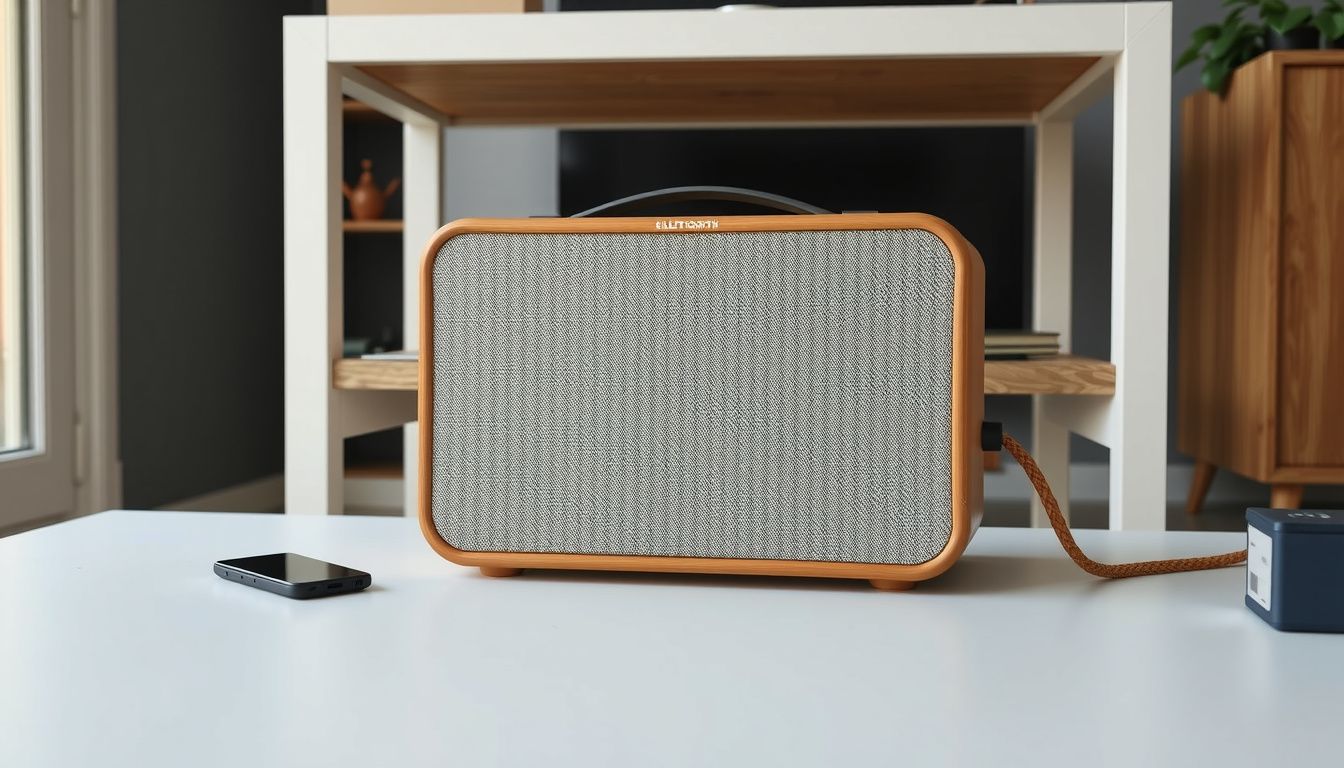
A Fisher Bluetooth speaker that powers on but refuses to connect is rarely broken. In most cases, the speaker is in the wrong source mode, still tied to another phone, or the phone is holding onto a stale pairing profile. This guide walks through the exact sequence to pair a Fisher speaker with a phone, tablet, or computer, then keep the connection stable when it matters.
Whether you're setting up for a backyard dinner or a pontoon outing, this guide helps you connect before the playlist matters. If you're also keeping an eye on burger cook times, a stable audio connection should be the easy part. Learning a simple steak on the grill doesn't have to compete with connection troubleshooting.
How Fisher Bluetooth Pairing Actually Works
Bluetooth pairing is a short, temporary handshake between the speaker and your phone, tablet, or laptop. When you put the speaker into pairing mode, it broadcasts a discoverable signal with its device name. Your source device scans for that signal, asks to connect, and the two devices exchange a security key. After that, the connection is saved so future pairings happen automatically.
Bluetooth operates on the 2.4 GHz band, the same crowded frequency range used by many Wi-Fi routers, microwaves, and wireless cameras. According to the official Bluetooth technology guidance, most portable speakers use Class 2 radios with a practical range of about 10 meters, or 33 feet. Walls, bodies, and nearby electronics can reduce that range quickly, which is why the first pairing works best at 3–6 feet.
A key distinction on Fisher speakers is the difference between the audio profile and the low-energy, or LE, profile. Many phones show two entries, such as “Fisher BT Speaker” and “Fisher-LE.” The LE entry is often used for remote control or firmware functions, not music playback. Choosing the wrong one is a common reason a speaker connects but stays silent.
Before You Start: Prepare the Fisher Speaker and Your Device
Most failed pairings happen before the phone ever opens Bluetooth settings. A low battery, the wrong input selection, or an old connection can all block a clean setup.
Charge the Speaker or Connect Stable Power
A Fisher speaker with a critically low battery may refuse to enter pairing mode or may drop the connection mid-setup. Bluetooth radios can behave erratically when voltage dips, and some speakers silently disable discoverability when power is too low.
If the unit supports USB or wall power, plug it in during the first pairing. That removes battery voltage from the equation and lets you focus on the actual connection. Set the speaker volume to a moderate level around 60–70% before pairing. This prevents a surprise blast later and makes it easier to confirm sound is actually routing through the speaker.
Select Bluetooth Source Mode
Many Fisher units have a Mode or Input button that cycles through AUX, USB, FM, and Bluetooth. If the speaker is still set to AUX or FM, your phone will never see it in a Bluetooth scan.
Press the Mode or Input button until the display reads “BT,” “Bluetooth,” or a Bluetooth icon appears. On models with voice prompts, the speaker may announce “Bluetooth mode.” That usually means the correct source is selected, but it does not always mean the speaker is actively pairing. You still need to trigger pairing mode in the next step.
A quick look at the front panel or indicator light often reveals the current source. If the light is solid rather than blinking, the speaker is likely idle or already connected, not advertising.
Clear the Path on Your Phone or Laptop
Bluetooth works best when the source device is not juggling multiple audio endpoints at once. If your phone is already connected to earbuds, a car kit, or a smartwatch that supports audio, disconnect those temporarily before pairing the Fisher speaker.
On most phones, turn Bluetooth off, wait five seconds, and turn it back on. This clears temporary scan errors and forces the phone to refresh its device list. If your phone requires location services for Bluetooth scanning, make sure Location is enabled and Airplane Mode is off.
A common mistake is leaving the speaker paired to a second phone or tablet. Many Fisher speakers do not support multipoint operation, so they will refuse new pairing requests until the existing connection is dropped. If someone else previously used the speaker, ask them to turn off Bluetooth or “Forget” the speaker on their device.
How to Put a Fisher Speaker Into Pairing Mode
Pairing mode is a temporary discoverable window. If the Fisher speaker never enters that window, your phone will not show it in the scan list no matter how many times you refresh.

A rapidly blinking Bluetooth LED usually means the speaker is advertising and ready to pair.
Start by confirming the speaker is powered on and set to the Bluetooth source. Then trigger pairing mode with the correct button combination. The exact method varies by model, but most Fisher speakers use one of the patterns below.
| Fisher speaker type | Pairing action | What you should see |
|---|---|---|
| Portable BT speaker with a dedicated Bluetooth button | Press and hold the Bluetooth button for 2–5 seconds | Rapid blue or white flash, or an audible “Pairing” prompt |
| Compact speaker with Play/Pause only | Power on, then hold Play/Pause for 3–5 seconds | LED alternates colors or blinks quickly |
| Speaker with a Mode/Input button | Press Mode to select BT, then hold Play/Pause or Bluetooth | “BT” on the display plus a blinking icon |
| Shelf system or soundbar with remote | Press the Bluetooth or Pair button on the remote | Display shows “Pairing” or a flashing BT indicator |
Confirm the Pairing Indicator
A solid LED usually means the speaker is already connected or idle, not actively advertising. A rapid blink or an audible “Pairing” prompt means it is discoverable. If you see a slow blink, the speaker may be powered on but not in pairing mode.
Pairing mode typically times out after 60–120 seconds. If the speaker name does not appear in your phone’s list within 20 seconds, restart pairing mode on the speaker rather than repeatedly refreshing the phone. Power-cycling the speaker can also force it to drop a stuck session.
If your Fisher speaker has NFC, you may be able to tap the phone against the NFC mark instead of using the button sequence. This is convenient, but it still requires Bluetooth to be enabled on the phone and the speaker to be in the correct source mode.
Connect from iPhone, Android, Windows, or Mac
Once the speaker is discoverable, move to the source device. Keep the speaker within 1–3 meters for the first connection.
iPhone or iPad
Open Settings > Bluetooth and make sure Bluetooth is turned on. Wait for the Fisher speaker name to appear under Other Devices. Tap the name once, then watch for “Connected” under My Devices.
If the speaker does not appear, toggle Bluetooth off and on, move closer, and re-enter pairing mode on the speaker.
Android Phone or Tablet
Open Settings > Connected devices and enable Bluetooth. On some Android versions this is under Settings > Bluetooth or Settings > Connections. Tap Pair new device, then tap the Fisher speaker entry and approve any pairing prompt.
Android menus vary by manufacturer, but the core sequence is the same: enable Bluetooth, open pairing or scan, select the speaker, and confirm.
Windows 10 or 11
Go to Settings > Bluetooth & devices, turn on Bluetooth, then select Add device > Bluetooth. When the Fisher speaker appears in the list, click it and wait for the “Your device is ready to go” confirmation.
Windows sometimes shows the speaker under “Audio” and “Other devices.” Select the audio entry if both appear. After pairing, open the sound output menu from the taskbar and choose the Fisher speaker as the default output.
macOS
Open System Settings > Bluetooth. On older macOS versions this is under System Preferences. Turn Bluetooth on, then click Connect next to the Fisher speaker name.
If the speaker is already listed under My Devices, click it once and choose Connect. If it does not connect, remove it and pair again from the Other Devices section.
Confirm Audio Output Route
Pairing is only half the job. A successful Bluetooth connection does not always mean audio is routed to the speaker.
Play a known audio file, such as a song or short video, rather than a silent notification. Raise volume in two places: the phone or computer, and the speaker itself. Check the output route in the media player or system sound settings.

Select the Fisher speaker entry that shows an audio or speaker icon, not an LE control channel.
On Android, open the Bluetooth device settings for the Fisher speaker and make sure Media audio is enabled. On Windows and macOS, confirm the speaker is selected as the active output device. A common mistake is pairing successfully, then opening an app that remembers the last output, such as earbuds or a smart TV, and sends sound elsewhere.
Troubleshooting Fisher Speaker Bluetooth Problems
When pairing fails or audio drops, isolate the issue to one of three stages: discovery, authentication, or signal stability after connection.
Speaker Won’t Appear in the Bluetooth List
The most likely cause is that pairing mode has timed out or was never triggered. Restart pairing mode and keep the speaker within 3–6 feet of the phone. Turn Bluetooth off and on again on the phone, and confirm the speaker is not connected to another device.
If you previously paired the speaker, remove the old profile before trying again. On iOS, tap the “i” next to the device and choose Forget This Device. On Android, tap the gear icon and choose Unpair. On Windows or macOS, remove the device in Bluetooth settings, then add it again.
Pairs but No Sound
Select the audio profile, not the LE entry. In the phone’s Bluetooth device settings, make sure Media audio is enabled. On a computer, open the sound output list and choose the Fisher speaker instead of internal speakers.
Check both volume levels. The phone volume and the speaker volume are separate controls. If the speaker is at 10% and the phone is at 80%, the output will be weak even though the connection is fine.
Drops, Stutter, or Short Range
Bluetooth is a short-range radio link. Walls, metal shelves, microwaves, USB 3.0 hubs, and crowded 2.4 GHz Wi-Fi can all degrade performance. Move the speaker away from routers, smart TVs, game consoles, and USB docks.
Reduce the distance and keep line of sight where possible. If a laptop is the source, update the Bluetooth driver on Windows or apply system updates on macOS. Many random disconnects trace back to outdated radio firmware or power management settings.
Speaker Won’t Leave a Previous Device
If the Fisher speaker keeps reconnecting to another phone, turn off Bluetooth on that phone or remove the speaker from its saved device list. Power-cycle the speaker after disconnecting the old device, then put it back into pairing mode.
If the speaker has a reset pinhole or a long-press reset combination, using it can clear a stuck connection. Check the owner’s manual for the exact reset method before trying random button combinations.
Real-World Setup for Outdoor Listening
Once paired, a Fisher speaker is most useful in places where a phone speaker is not loud enough. Before a long drive in an affordable road-trip car, pair the speaker with the phone you will use for navigation and offline playlists at home, then confirm auto-reconnect once inside the car.
On the water, keep the speaker on a dry, stable surface and away from the helm while handling a pontoon. A sudden wake can send it sliding, and a wet surface can interfere with the control buttons.
After smoking fish on the deck, the speaker may sit in a humid, greasy area. Wipe it down and disconnect Bluetooth to save battery. When cleaning the boat after a day out, remove the speaker from the dock box or console so it does not auto-pair with every nearby device.
A practical routine is to choose one primary device for the speaker, label it in Bluetooth settings so it is easy to spot, and run a 10-second audio check before guests arrive or a meeting starts.
Conclusion
Connecting a Fisher Bluetooth speaker is simple once you control the three variables that cause most failures: correct source mode, active pairing mode, and a clean device list. Charge the speaker, select Bluetooth input, trigger the rapid LED or “Pairing” prompt, and choose the audio profile rather than the LE entry.
Your next step is to pair the speaker with your main phone or laptop now, play a short test track, and confirm both volume levels. Doing that once while the steps are fresh will make the next connection automatic and far less frustrating.
Frequently Asked Questions
Why won’t my Fisher speaker show up in Bluetooth?
The speaker is probably not in pairing mode or is still connected to another device. Set the source to Bluetooth, hold the pairing button until the LED blinks rapidly, move within 3–6 feet, and turn Bluetooth off and on again on your phone. Disconnect the speaker from any previous device first.
What is the difference between Fisher-LE and Fisher in my Bluetooth list?
Fisher-LE is a low-energy control channel, often used for remote functions or firmware updates, not audio streaming. Choose the entry with an audio or speaker name. If only the LE entry appears, re-enter pairing mode and scan again.
Can a Fisher Bluetooth speaker connect to two devices at once?
Many Fisher portable speakers do not support multipoint, so only one active audio source can connect at a time. To switch devices, disconnect or forget the speaker on the first phone, then put the speaker back into pairing mode and connect the second device.
How do I reset a Fisher Bluetooth speaker?
Power off the speaker, then look for a small reset pinhole or hold the power and volume buttons together for 5–10 seconds. The exact method varies by model, so check the owner’s manual. A reset clears the saved pairing list and can fix a stuck Bluetooth module.
Why does my Fisher speaker connect but play no sound?
The source device may still be routing audio to its internal speaker or earbuds. Select the Fisher speaker as the active output, enable media audio in Bluetooth device settings, and raise the speaker volume separately. Some apps also remember the last output device.
How far can I move from my phone before audio cuts out?
Typical Class 2 Bluetooth range is about 10 meters, or 33 feet, with a clear line of sight. Walls, bodies, and 2.4 GHz interference reduce that distance. Keep the speaker in the same room and reposition it away from Wi-Fi routers and metal objects if dropouts occur.