How Long To Bbq A Hamburger: Best Proven Timing For Juicy Results
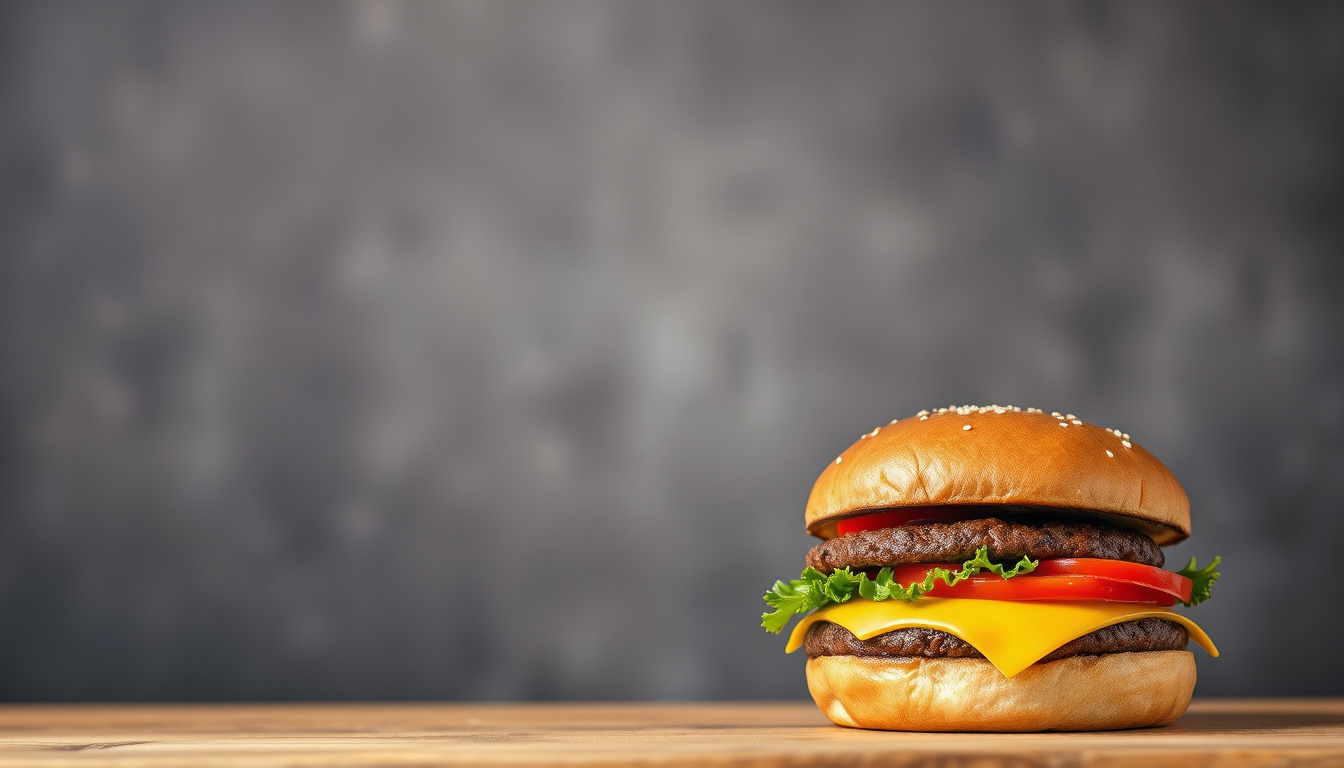
When you stand over a hot grill with raw patties in front of you, “how long to bbq a hamburger” seems like a simple question. The honest answer is: it depends on three things you can control — patty thickness, grill temperature, and whether the patty is over direct or indirect heat. The best backyard cooks don’t rely on a fixed minute count. They use time as a framework and temperature as the final word.
This guide gives you proven timing ranges, a simple 5-step grilling method, and the thermometer habits that separate juicy burgers from dry or undercooked ones.
Burger BBQ Time Is Really Heat-Transfer Time
Burger BBQ time is the interval from when the patty touches the grate until the center reaches a safe internal temperature. That interval is driven by heat transfer, not by surface color or smoke. Burgers fail when cooks time them without accounting for heat lag: a thick center takes longer to warm than the outside, even when the outside looks finished.
Ground beef also carries a higher food-safety stake than whole steaks because grinding distributes bacteria throughout the meat. The USDA food safety guidance is clear: cook ground beef to an internal temperature of 160°F. A patty that reaches 160°F in the center is safe, and it can still taste juicy if you handle it correctly.
Once you understand that crust forms quickly but the center needs time, burger timing starts to make sense. The same lesson applies to other cuts — the steak grilling fundamentals you already know carry over almost perfectly, except burgers need a higher final temperature.
What Grill Temperature Should You Use For Burgers?
Set the grate temperature between 450°F and 500°F for the searing phase. This range gives you a strong crust in 90 to 120 seconds without drying out the surface before the center catches up.
If your grill only has one dial, preheat on high until the grate thermometer stabilizes, then adjust down if the temperature climbs past 500°F. In practice, a stable 475°F grill cooks consistent burgers far better than a grill that spikes to 600°F and then drops.
Direct vs Indirect Heat Zones
Direct heat is your browning phase. Indirect heat is your finishing phase. This two-zone setup lets you sear the patty quickly, then move it to a cooler area where the center can cook through without burning the outside.
Once the zones are set, you can use the same layout for other foods; grilling pizza with two zones is a good test of how stable your indirect side really is.
How To Preheat And Verify With a Grill Thermometer
The thermometer built into a grill lid often measures air near the top, not the heat at the grate. Use a grate-level thermometer for a true reading. Preheat with the lid closed, and wait until the temperature holds steady for a few minutes before adding patties.
Also calibrate your instant-read thermometer in ice water before the season starts. A thermometer that reads 2°F off can mean the difference between a safe patty and an undercooked one.
Why Lid-Down Cooking Changes The Timeline
The lid is not optional. With the lid up, heat escapes and the grate temperature swings. With the lid down, trapped heat and steam cook the center faster and keep temperatures stable. Keep the lid closed except for flipping, probing, and moving patties. Every time you lift the lid, add time to your mental clock.
How Long To BBQ A Hamburger By Patty Thickness

Thickness changes cook time more than grill temperature for typical backyard patties.
Patty thickness matters more than diameter. Two burgers that weigh the same can differ by half an inch if one was shaped by hand, and that difference changes cook time by several minutes. Use an 80/20 beef blend (80% meat, 20% fat) for the best balance of juice and browning. Leaner blends cook faster but dry out faster, especially when cooked all the way to 160°F.
These starting times assume a preheated grill at 450°F and a two-zone fire:
| Patty Thickness | Direct-Heat Time Per Side | Finishing Step | Approx. Total Grill Time |
|---|---|---|---|
| 1/2 inch | 2–3 minutes | 30–45 seconds lid-down | 5–7 minutes |
| 3/4 inch | 3–4 minutes | 1 minute lid-down | 7–9 minutes |
| 1 inch | 4–5 minutes | 2–3 minutes indirect heat | 10–13 minutes |
| 1.5 inch | 5–6 minutes | 3–5 minutes indirect heat | 13–17 minutes |
The exact minute count matters less than the rhythm: sear on direct heat, finish on indirect heat, and always confirm with a thermometer. The same thickness-based thinking shows up when cooking bone-in chicken thighs in the oven — size shifts the timing more than the recipe suggests.
How To Measure Doneness Without Guessing
Doneness is not what a burger looks like; it is what a thermometer says. The outside can look dark and charred while the center is still under 140°F, especially if a flare-up has been scorching the surface.
Use these doneness cues as secondary checks only:
- The interior should be light brown or tan with no pink near the center.
- Juices should run clear, not pink or watery.
- The patty should feel springy when pressed, not soft or mushy.
- Smoke color from the grill does not indicate doneness.
Instant-Read Thermometer Technique
Insert the probe through the side of the patty, not the top. This pushes the tip into the geometric center and keeps it away from the grate. Wait for the reading to stabilize, usually a few seconds, and record the time it took to reach 160°F. That recorded time becomes your personal timing baseline for the next batch.
Doneness Cues: Color, Juices, And Spring-Back
Color and texture are helpful, but they should never overrule a thermometer. A gray-brown interior with clear juices is a good sign. A springy patty that holds its shape under light pressure is also a good sign. If the patty feels mushy or the juices look pink, put it back on the heat.
Carryover Cooking And Resting
Meat keeps cooking after it leaves the grill. This carryover effect can raise the center temperature by 2–5°F during the first few minutes of rest. For that reason, pull the patty at around 155°F if you are aiming for a final 160°F. Rest it for 3–5 minutes before serving so the juices redistribute.
The same principle applies to other proteins cooked with dry heat — fish straight from the fryer also continues cooking internally after it hits the tray. Resting is not a waste of time; it is part of the cooking process.
The 5-Step BBQ Timing Method For Consistent Burgers
A repeatable method beats a random minute count every time. Use this sequence for every burger cook, and you will tighten your timing with each batch.
- Build a two-zone fire. Preheat one side for direct searing and leave the other side cooler for indirect finishing.
- Set a temperature target. For ground beef, that target is 160°F. Plan to pull the patties at 155°F and let carryover finish the job.
- Start timing when the lid closes. Place the patties, close the lid, and begin your clock. This gives you a defined starting point.
- Sear, then finish. Cook the first side over direct heat, flip once, sear the second side, then move the patties to the indirect side until the center reaches 155°F.
- Pull early and rest. Take the patties off the grill, let them rest for 3–5 minutes, and verify that they reach 160°F before serving.

Pull the patties a few degrees below target and let carryover cooking finish them.
This method works because it separates browning from cooking. Direct heat builds the crust; indirect heat controls the pace. The result is a safely cooked burger that is still moist.
Common Mistakes That Make Burger Timing Go Wrong
Most timing failures are not caused by a bad recipe. They are caused by small habits that disrupt heat and moisture mid-cook.
Pressing Patties: Why It Steals Moisture
Pressing a patty with a spatula forces juice out of the meat and onto the fire. It also flattens the patty, changes its thickness, and makes the timing unreliable. A common mistake is pressing to “speed up” cooking. In reality, it speeds up browning while the center starves for moisture.
Fix it by shaping patties with a shallow dimple in the center, then leaving them alone until the first flip.
Cooking From Cold: How It Shifts The Clock
A patty straight from the fridge takes noticeably longer to reach 160°F in the center. It also tends to brown unevenly because the outside spends more time over the heat. Take the patties out of the fridge 20–30 minutes before grilling so they warm slightly. Do not leave them out for more than an hour, and keep raw beef chilled until you are ready to cook.
Steady heat is a theme in nearly every barbecue recipe; even pork chops cooked low and slow show how much timing depends on a stable cooking environment.
Flipping Too Often: Heat Loss And Uneven Cooking
Flipping every 30 seconds disrupts the crust and lets heat escape each time the patty is lifted. For most burgers, one flip at the midpoint is enough. If flare-ups occur, move the patty to the indirect side instead of flipping it more. Frequent flips create an undercooked center and a dry outer rim.
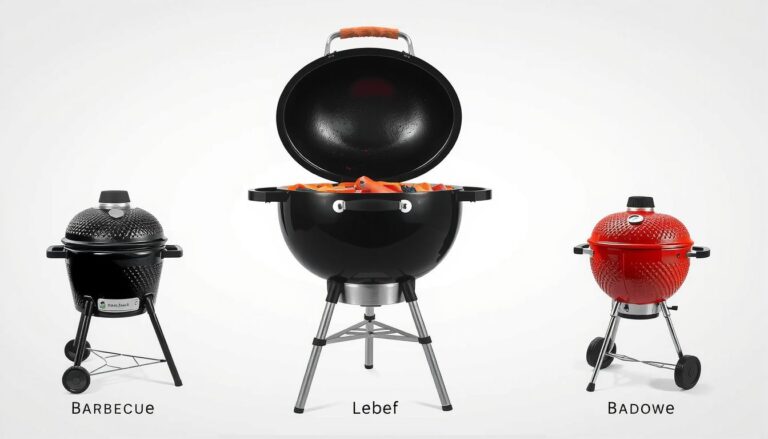
Gas vs Charcoal: Does The Fuel Change BBQ Burger Timing?
Both gas and charcoal can make an excellent burger, but they behave differently on the clock. The main difference is heat recovery.
| Factor | Gas Grill | Charcoal Grill |
|---|---|---|
| Heat stability | Steady and easy to control | Larger temperature swings |
| Recovery after lid opens | Fast | Slower |
| Startup time | 10 minutes or less | 20–30 minutes |
| Flavor | Clean, minimal smoke | Smoky, more complex |
| Best for | Predictable burger timing | Flavor-first cooks |
In practice, a gas grill gives you a more predictable “how long to bbq a hamburger” answer because it returns to temperature quickly. A charcoal fire can run hotter at peak moments, then cool down after you open the lid or add food. If you cook with charcoal, use the lid-down method and avoid repeated checks.
The same rule applies when you are hot-smoking fish: let the cooker settle before the protein goes in, because temperature swings alter the clock.
FAQ: How Long To BBQ A Hamburger
What is the recommended cooking time for a hamburger on a BBQ?
Most burger patties take 6–10 minutes total, depending on thickness and grill temperature. Treat time as a guide, not a guarantee. The burger is ready when the center reaches 160°F on an instant-read thermometer.
How long do you BBQ a 1/2-inch-thick hamburger?
A 1/2-inch patty takes about 4–6 minutes per side over direct heat, followed by a short lid-down finish. Thin patties can overshoot quickly, so check the temperature before pulling them.
How long should you BBQ a hamburger to reach medium-rare?
For ground beef, the official guidance is 160°F, which is well above medium-rare. Whole steaks can be cooked to 130–135°F for medium-rare, but ground meat carries more risk. If you want a pinker center, use a freshly ground blend and understand that you are moving outside USDA guidance.
How long does it take to BBQ frozen hamburger patties?
Frozen patties take roughly 10–16 minutes total, depending on thickness. Keep the lid down more often, avoid pressing, and always verify the center temperature before serving. A cold or frozen patty can look browned on the outside while the inside is still raw.
How long should you rest a hamburger after BBQ before cutting?
Rest burgers for 3–5 minutes before cutting or serving. This allows the juices to redistribute, so the center stays moist. Cutting immediately causes juice loss and makes a properly cooked burger feel dry.
Is it better to flip a hamburger once or multiple times?
Flip once, around the midpoint, for even crust development and stable timing. Multiple flips are only useful for managing flare-ups or very uneven hot spots. Each flip interrupts heat transfer and can push the center’s temperature rise off schedule.
Conclusion
Great burgers do not come from a magic number. They come from a repeatable system: a stable two-zone fire, uniform patty thickness, a reliable thermometer, and a short rest.
Before your next cook, calibrate your thermometer, write down 155°F as your pull temperature, and do one test batch at 3/4-inch thickness. Adjust the next batch based on the thermometer, not the clock. That is how “how long to bbq a hamburger” stops being a search query and becomes a routine you can repeat every time.