How Long To Bake BBQ Chicken Legs: Time, Temperature, And Doneness Tips
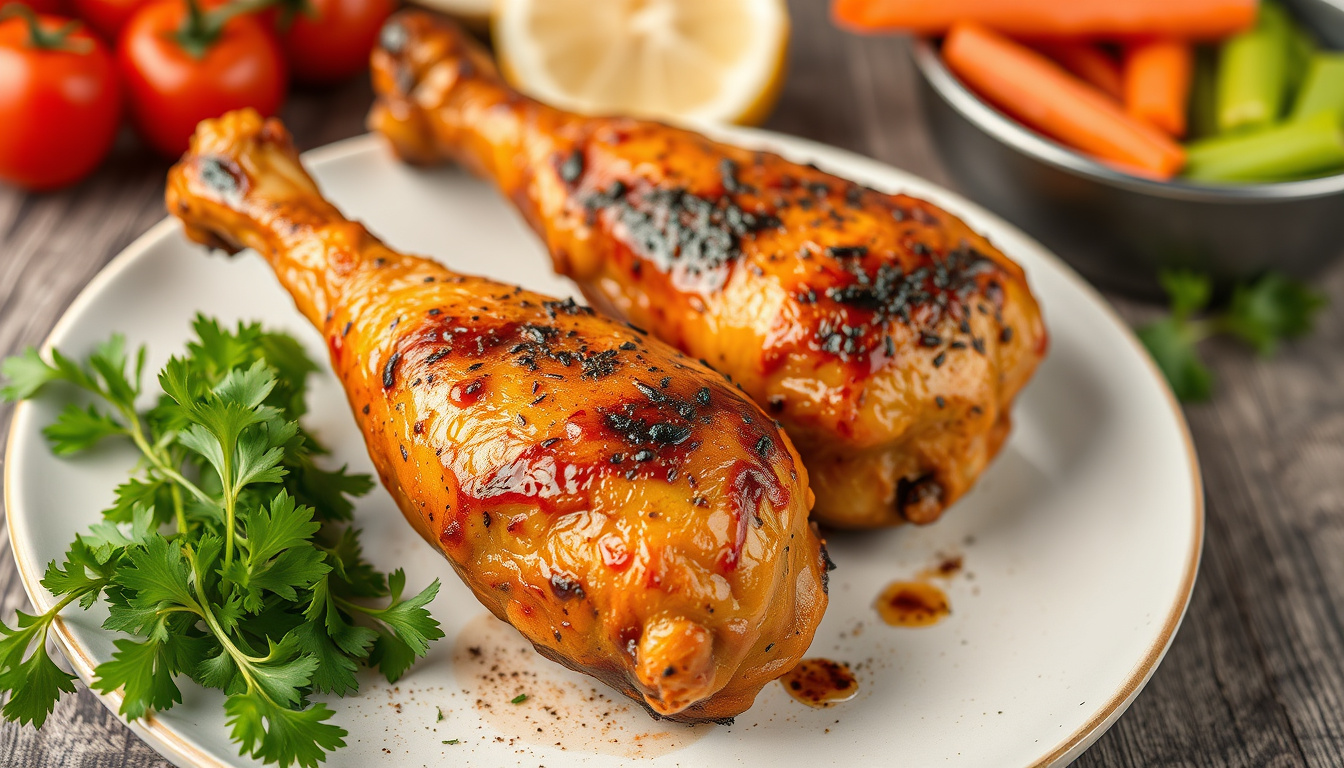
A tray of glossy, sticky BBQ chicken legs is one of the most reliable weeknight wins you can pull from an oven. But the difference between juicy, lacquered drumsticks and dry meat under a burnt, bitter sauce usually comes down to three things: oven temperature, tray spacing, and when you add the sauce.
For most medium drumsticks, the practical answer is 35 to 45 minutes at 400°F. That range exists because drumstick size, starting temperature, and even your specific oven can shift the final time. This guide covers exact timing by leg size, why sauce should go on at the end, how to check doneness without guesswork, and the common mistakes that ruin baked BBQ chicken legs. You can also read our guide on best steak to grill for beginners.
The Right Oven Temperature for Baked BBQ Chicken Legs
The temperature you choose sets the pace for the entire cook. It controls how quickly the interior heats, how well the skin renders, and how much time you have before the sugars in barbecue sauce start to burn.
Why 400°F Is the Best Starting Point
For most home ovens, 400°F gives the best balance of speed, browning, and forgiveness. Bone-in chicken legs have a lot of connective tissue and a thick bone running through the center. That bone slows heat transfer, so too low a temperature can leave you waiting while the outside dries out. You can also read our guide on how long to bbq a hamburger.
At 400°F, the meat reaches a safe temperature in roughly 35 to 45 minutes while the skin has enough dry heat to turn crisp and deeply browned. Lower temperatures, like 325°F, force the legs to spend much longer in the oven. By the time the center is done, the surface can be leathery. Higher temperatures, like 450°F, cook the outside too quickly. The skin can look done long before the thickest part of the leg is safe to eat.
One practical note: home oven dials are often off by 25°F or more. If you’ve ever made a reliable barbecue-style pizza and noticed uneven browning, your oven likely runs hot or cold in certain zones. A small standalone oven thermometer is the easiest way to remove that variable before you cook poultry.
When Lower or Higher Temperatures Make Sense
You can bake chicken legs at other temperatures, but you need to adjust your expectations.
| Oven Temperature | Typical Bake Time | What to Expect |
|---|---|---|
| 350°F | 50–60 minutes | More forgiving if you step away, but softer skin |
| 375°F | 45–55 minutes | Good balance if you want a slower render |
| 400°F | 35–45 minutes | Best all-purpose texture and speed |
| 425°F | 30–35 minutes | Faster browning, but sauce can burn quickly |
| 450°F | 25–30 minutes | High risk of burnt exterior and undercooked center |
Lower heat is useful if you are juggling other dishes, but you may need a final 2–3 minute broil to crisp the skin. Higher heat works only if you stay close to the oven and add sauce very late.
How Long to Bake BBQ Chicken Legs at 400°F
At the recommended 400°F, plan for a total bake time of 35 to 45 minutes for medium drumsticks. The wide range exists because drumsticks from different packages can differ significantly in weight and thickness.
Timing Ranges by Drumstick Size
Use this table as a starting point, then confirm with a thermometer.
| Leg Size | Approximate Weight | Bake Time at 400°F |
|---|---|---|
| Small | 4–5 oz | 30–35 minutes |
| Medium | 6–7 oz | 35–40 minutes |
| Large | 8–10 oz | 40–50 minutes |
| Crowded tray | Any size | Add 5–10 minutes |
Why Tray Spacing and Oven Hot Spots Change the Clock
The timing table assumes your legs are spread in a single layer with a little space between them. If you crowd the tray, cold air cannot circulate properly. Steam gets trapped, which slows browning, makes the skin soggy, and extends the total cook time.
A common mistake is loading a sheet pan so tightly that the legs touch. In practice, this is one of the fastest ways to end up with unevenly cooked chicken. Give each drumstick at least an inch of space. Better yet, set the legs on a wire rack placed inside a rimmed baking sheet. That lifts them out of their rendered fat and lets hot air reach the underside.
Most ovens also have hotter and cooler zones. The back corners and areas near the heating element often run hotter. Rotate the baking sheet front to back about halfway through the bake so all the legs brown evenly.
If you use a convection setting, reduce the temperature to 375°F and start checking about 10 minutes earlier than the standard range. Convection air speeds both browning and moisture loss.
The Sauce Timing That Prevents Burnt, Bitter Legs
The single biggest mistake people make is slathering barbecue sauce on chicken legs before they go into the oven. Most barbecue sauces are loaded with sugar, honey, molasses, or high-fructose corn syrup. Sugar begins to caramelize around 320°F and burns quickly above 350°F. In a 400°F oven, a thick layer of sauce can turn bitter and black long before the meat is cooked through.
Two-Coating Method for Glossy, Sticky Skin
Apply your first coat of sauce during the last 8 to 10 minutes of baking. This gives the sugar enough time to set into a glossy glaze without carbonizing. Brush lightly and evenly. Too much sauce in one spot will pool, slide off, and burn on the pan.
For a thicker, stickier finish, brush a second, lighter coat during the final 2 minutes or immediately after the tray comes out of the oven. The residual heat will set the second layer.
If the sauce starts to look dry or darken too fast, check the internal temperature. If the meat is already at 165°F or higher, pull the tray out. The sauce will continue to thicken as the legs rest.
Sauce choice matters here. Thick, sweet Kansas City–style sauces burn faster than vinegar-based or mustard-based sauces. Highly sweetened sauces with honey or molasses need the shortest final saucing window. Thinner sauces are more forgiving but may require a second coat for real cling.
Step-by-Step: Juicy BBQ Chicken Legs in the Oven
This method separates the cooking phase from the saucing phase. That simple structure prevents most of the common failures.
Step 1: Dry, Season, and Rest
Pat the chicken legs completely dry with paper towels before seasoning. Surface moisture turns to steam in the oven, and steam keeps skin from crisping.
Season generously with salt and black pepper. Garlic powder, smoked paprika, onion powder, or cayenne are all good additions, but even salt and pepper will carry a lot of flavor once the sauce is added. Let the seasoned legs sit at room temperature for 15 to 20 minutes. This takes the chill off the meat and helps it cook more evenly.
For more flavorful meat, season the legs and let them rest uncovered on a wire rack in the refrigerator for several hours or overnight. The salt has time to penetrate, and the dry refrigerator air helps the skin crisp later. The same dark-meat prep and temperature check work well when baking thighs.
Step 2: Bake to Near-Done Temperature
Place the legs on a wire rack set inside a rimmed baking sheet. Bake uncovered at 400°F. Start checking the internal temperature about 5 minutes before the shortest expected time for your drumstick size.
The goal at this stage is to bring the meat close to its final temperature before any sauce goes on. For tender, juicy dark meat, that usually means pulling the legs when they reach about 170°F to 175°F in the thickest part, then saucing after.
Step 3: Brush, Finish, and Rest
Brush on the first thin coat of barbecue sauce and return the tray to the oven for 8 to 10 minutes. The sugar should set into a sticky glaze without burning.
Remove the legs from the oven and let them rest for 5 to 10 minutes under a loose piece of foil. Resting allows the internal temperature to even out and the juices to redistribute. Carryover cooking will push the temperature up another 5°F to 10°F, so pulling the tray slightly early is part of the plan.
How to Check Doneness Without Guesswork
Timers are useful, but they are not the final authority. Two legs from the same package can finish at different times because of slight differences in thickness and position in the oven.
Safe Minimum Temperature vs. Best Texture
The USDA safe minimum internal temperature guidance says all poultry should reach 165°F to be safe to eat. That is the non-negotiable baseline.
However, dark meat like chicken legs is more tender and juicy at 175°F to 185°F. At those higher temperatures, collagen in the connective tissue breaks down into gelatin. The meat becomes easier to bite, and the drumstick releases from the bone more cleanly. This is why many experienced cooks intentionally take bone-in legs past the minimum safe temperature.
Where to Insert the Probe Correctly
Insert an instant-read thermometer into the thickest part of the drumstick, away from the bone. A bone conducts heat faster than meat, so touching it can give a falsely high reading. Check several legs, especially the largest ones, before you call the tray done.
Visual Cues and Carryover Cooking
A thermometer is the most reliable tool, but visual cues help confirm the result. The juices should run clear, not pink. The meat near the joint should feel springy rather than rubbery. The skin should be slightly shriveled and crisp around the edges, not soft or pale.
Carryover cooking typically adds 5°F to 10°F after you remove the tray from the oven. If you want to finish at 180°F, pull the legs when they read around 170°F to 175°F. This is especially important if you plan to broil or sauced them at the end.
Baking from Chilled, Fridge-Cold, or Frozen Legs
The starting temperature of the chicken changes the bake time.
Cold, refrigerator-temperature legs will add roughly 5 to 10 minutes to the total bake time compared with legs that have rested at room temperature. Letting seasoned legs sit out for 15 to 20 minutes before baking helps reduce this gap.
For frozen legs, the best approach is to thaw them overnight in the refrigerator. Thawing on the counter is not safe because the outer layer can enter the temperature danger zone while the center is still frozen. If you must cook from frozen, lower the oven temperature to 350°F and expect at least another 20 to 30 minutes. Start checking temperature only after the exterior has firmed and the skin has begun to brown. Cooking from frozen is possible, but the texture is less predictable and saucing becomes harder because the surface releases moisture longer.
Oven-Baked vs. Grilled vs. Smoked Chicken Legs
Different cooking methods change the time, texture, and flavor profile.
| Method | Typical Time | Internal Target | Key Difference |
|---|---|---|---|
| Oven baked | 35–45 minutes at 400°F | 175–185°F | Reliable, even heat |
| Grilled | 25–35 minutes over medium indirect heat | 175–185°F | Char and light smoke |
| Smoked | 75–120 minutes at 225–250°F | 175–185°F | Deep smoke and bark |
Oven baking is the most foolproof route for a weeknight meal. There is no coal bed to manage and no smoker temperature to hold. Grilled legs need an indirect zone so the sauce does not flame up, and the same instant-read habit you would use to check a burger’s doneness applies. If you are comfortable with a beginner-friendly steak cut on the grill, moving chicken legs outside is not a huge leap. Low-temperature fish smoking follows similar steady-heat patience even though the protein is much more delicate.
Serving, Storing, and Reheating Leftovers
Let the legs rest fully before serving. Serve them hot with coleslaw, cornbread, roasted potatoes, or a simple green salad. A spoonful of the caramelized pan juices drizzled over the top adds extra flavor.
Store leftovers in an airtight container within two hours of cooking. Cooked chicken legs stay at best quality in the refrigerator for 3 to 4 days. For longer storage, freeze them for up to 4 months at 0°F or below. Frozen cooked legs are safe beyond that, but texture gradually declines.
To reheat, place the legs in a covered baking dish with a splash of chicken broth or water. Warm them at 350°F for 15 to 20 minutes, or until the internal temperature reaches 165°F. Remove the cover for the last few minutes if you want to re-crisp the skin. The microwave is fastest but usually makes the skin rubbery and the meat unevenly heated.
Common Mistakes That Ruin Baked BBQ Chicken Legs
Avoid these issues and your results will improve dramatically.
- Saucing too early: Sugar burns at 400°F. Sauce goes on during the final 8 to 10 minutes.
- Trusting the timer alone: Drumstick size, tray spacing, and oven accuracy all shift the cook time. Use a thermometer.
- Overcrowding the pan: Touching legs trap steam and prevent browning. Leave space or use a wire rack.
- Skipping the drying step: Wet skin steams instead of crisps. Pat the legs dry before seasoning.
- Not preheating fully: A cold oven extends cook time and leaves the skin pale. Let the oven reach 400°F before loading the tray.
- Probing the bone: The bone reads hotter than the meat. Insert the thermometer into the thickest part away from bone.
- Skipping the rest: Cutting in immediately lets juices run out. Rest 5 to 10 minutes.
In practice, saucing too early and overcrowding the pan are the two failures I see most often. Fix those two habits and the rest of the method becomes much easier to control.
Frequently Asked Questions About Baking BBQ Chicken Legs
How long do you bake chicken legs at 400 degrees?
Plan for 35 to 45 minutes for medium drumsticks. Smaller legs may finish in 30 to 35 minutes, while larger legs can take up to 50 minutes. Always confirm the internal temperature reaches at least 165°F, or 175°F to 185°F for more tender dark meat.
How long should I bake chicken legs at 350 degrees?
At 350°F, bake chicken legs for 50 to 60 minutes. The lower heat is gentler, but the skin will be less crisp. A quick broil at the end can help, but only after the meat has reached a safe temperature.
Should I cover chicken legs when baking?
No. Covering the tray traps moisture and creates steam, which prevents the skin from crisping. Bake the legs uncovered so dry heat can brown the surface and render the fat.
Why is my chicken skin chewy?
Chewy skin usually comes from too much moisture or insufficient heat. The oven may not have been fully preheated, the tray may have been overcrowded, or the legs may have been wet when they went in. Use a wire rack, leave space between pieces, and pat the skin dry first.
Can you bake frozen chicken legs?
It is possible, but results are less predictable. Thaw frozen legs in the refrigerator overnight for the best texture. If you must bake from frozen, reduce the heat to 350°F and add at least 20 to 30 minutes. Check several legs to be sure every piece reaches the safe minimum temperature.
What internal temperature should chicken legs reach?
Chicken legs are safe at 165°F, but most cooks prefer 175°F to 185°F because the connective tissue breaks down and the meat becomes more tender. Use an instant-read thermometer in the thickest part of the leg, away from the bone.
Conclusion
The “how long” in baked BBQ chicken legs is really two questions. First, how long until the meat is safely cooked? That answer comes from a thermometer, not a timer. Second, how long should the sauce spend on the heat? That answer is always short and always at the end.
Set your oven to 400°F, plan for roughly 35 to 45 minutes, and treat that window as a guide rather than a rule. Pull the legs when they hit 170°F to 175°F, sauce them for the final few minutes, and let them rest. You will get a tray of sticky, juicy drumsticks with crisp skin and no bitter burnt sugar.
If you want to apply the same sauce-late rule to another cut, boneless chops cook well with this oven method. For a completely hands-off barbecue dinner, a slow cooker approach works especially well for pork.