How Long Does It Take For Koi Fish To Grow: Growth Timeline, Size Milestones, And Factors That Affect Development
Most koi keepers ask this question while watching a slim 4-inch juvenile drift past a lily pad. The honest answer is that a koi’s growth timeline is not a fixed date on a calendar. Under strong husbandry, many koi reach 18–24 inches by year 4 or 5 and continue adding mass slowly for years after that. In a neglected pond, the same fish may stall at half that size.
Growth depends on water temperature, nutrition, oxygen, stocking density, and genetics. When those factors work together, juvenile koi can add 1–2 inches per month during warm seasons. When they don’t, even a genetically gifted fish will underperform. This guide breaks down the realistic timeline, the size milestones that matter, and the specific conditions that speed up or slow down development. You can also read our guide on how long does it take to smoke fish.
The Real Koi Growth Timeline: What to Expect
Koi do not grow at a steady rate all year. In temperate climates, they grow in bursts during warm months and slow or stop when water cools. The table below assumes a well-managed pond with stable water quality and consistent feeding during the growing season.
| Age | Typical Length | Key Development Focus |
|---|---|---|
| 3–6 months | 3–6 inches | Rapid juvenile growth, slim body |
| Year 1 | 6–10 inches | Fastest length gain of the fish’s life |
| Year 2 | 10–14 inches | Body depth starts to build |
| Year 3 | 14–18 inches | Pattern clarity improves, girth increases |
| Year 4–5 | 18–24 inches | Slower growth, physique refinement |
| Year 6+ | 24–36 inches | Mature size, condition maintenance |
These ranges are not a guarantee. A koi raised in a heated pond with heavy filtration and high-quality feed may reach the upper end or slightly beyond. A koi in an overstocked, unheated pond may fall well below. You can also read our guide on how long does it take to deep fry fish.
First Year: The Fastest Growth Window
The first year is the most productive growth period in a koi’s life. A 3-inch fish purchased in spring can realistically reach 8–10 inches by autumn if water temperatures stay between 20–25°C for several months. In practice, keepers who feed 3–4 small meals per day during peak warmth and maintain excellent water quality see the strongest first-year gains.
Temperature swings and skipped feedings are expensive at this stage. A week of cold weather in June or a filter crash in July can erase a significant portion of the season’s potential, and that lost growth rarely returns later. You can also read our guide on how long does it take to acclimate fish.
Years Two and Three: Building Body Depth
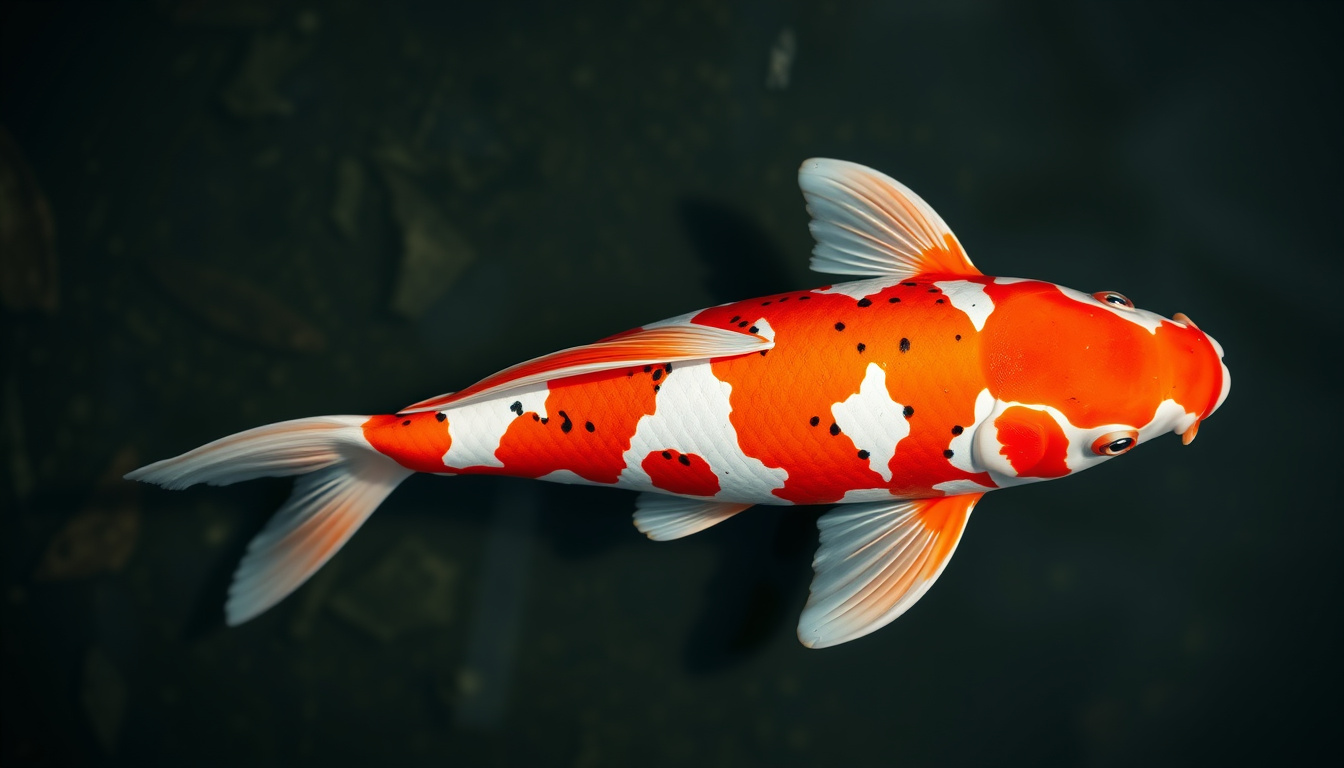
By year two, length gain slows a little, but the fish begins to look like a true koi. The body deepens behind the head, the shoulders widen, and the midsection thickens. This is the stage where a koi stops resembling an elongated goldfish.
Color and pattern also evolve. Young koi often have unstable, smudged markings. It is normal for a year-two koi to look blotchy or unfinished. By year three, the pattern usually stabilizes and the color intensifies, although some bloodlines continue shifting for longer.
Mature Years: Refinement Over Speed
Year four and five are about refinement. Most koi have reached 18–24 inches, and the dramatic monthly growth of the juvenile years is over. Mature fish add mass slowly, and their skin quality, scale alignment, and color depth become the main signs of progress. A well-kept mature koi may still gain an inch or two per year, but it will never again grow as quickly as a yearling.
Size Milestones That Matter Beyond Length
Length alone can mislead you. A koi that grows 4 inches in a season but remains thin has grown longer, not necessarily better. Experienced keepers evaluate several milestones together.
- Length: Nose to tail fork, measured consistently.
- Body depth: The distance from the top of the back to the belly just behind the gills.
- Girth: Circumference around the widest part of the body.
- Condition: The relationship between length and weight. A healthy koi should look full, not hollow behind the head.
- Pattern and skin quality: Color clarity, scale alignment, and luster improve as a fish matures.
A fish that adds length without body depth is often underfed, stressed, or genetically limited. In contrast, a shorter koi with strong girth and clean skin may be developing better than a longer, thin one.
Factors That Affect Koi Growth Rate
The same koi can grow 12 inches in one pond and only 8 inches in another. Growth is a response to environment, not a fixed trait.
Water Temperature and Seasonal Metabolism
Koi are ectothermic, meaning their body temperature matches the water around them. Their metabolism follows the same pattern. Growth happens almost entirely when water stays above 15°C. Between 20°C and 25°C, digestion and food conversion are most efficient. Below 15°C, digestion slows sharply. Below 10°C, most koi stop feeding and rely on stored energy.
USGS water science guidance explains how water temperature drives biological activity, oxygen availability, and aquatic life cycles. In a typical temperate pond, the active growing window may be only five or six months long. A heated pond or a warm climate extends that window and produces faster annual growth.
Nutrition Quality and Feeding Strategy
Food quality matters as much as quantity. During warm months, koi need a high-protein diet, typically 35–40% protein, to support muscle and tissue development. In cooler water, lower-protein wheat germ formulas are easier to digest. The FDA’s guidance on selecting nutritious foods for pet fish reinforces that species-appropriate protein levels and feeding practices are core to fish health.
Consistency is just as important. Three or four small meals per day produce better conversion than one large meal. Uneaten food decays, raises ammonia, and reduces appetite, so portion control protects both growth and water quality.
Stocking Density and Dissolved Oxygen
Koi need space to access oxygen. High stocking densities increase competition for dissolved oxygen, especially on hot afternoons and after feeding. When oxygen is limited, koi prioritize survival over growth.
A common guideline is 500 gallons of water per adult koi, with juveniles requiring proportionally less. Overstocked ponds often look active at feeding time but produce slow, stunted fish over time. Even when water tests look acceptable at the surface, the oxygen demand near the bottom can suppress growth.
Genetics and Bloodline
Not all koi have the same ceiling. Japanese-bred koi from known bloodlines often carry a higher growth potential than pond-grade fish. One bloodline may top out around 20 inches, while another can reach 30 inches or more in the right conditions.
When buying koi for growth potential, ask about the breeder and parent stock. Genetics set the upper limit. Most fish never reach that limit because environment, feeding, and water quality fall short.
How to Measure and Track Koi Growth at Home
Guessing is the enemy of good koi keeping. A simple growth log can reveal problems weeks before they become visible.
Measure every 14 days during the growing season. Use a soft measuring tape or a koi measuring board, and record:
- Total length from nose to tail fork
- Body depth just behind the gills
- A photograph from the same side and angle each time
Log water temperature, ammonia, nitrite, and pH alongside each measurement. This lets you connect growth stalls to environmental events. If a fish stops growing, the records will show whether the temperature dropped, oxygen dipped, or water quality shifted at the same time.
Compare photos every eight weeks rather than weekly. Koi growth is gradual, and monthly photo comparisons show changes that weekly measurements obscure.
Feeding Strategies for Optimal Growth
A seasonal feeding plan protects water quality and accelerates growth.
| Season | Temperature | Feeding Strategy |
|---|---|---|
| Spring | 15–20°C | One light daily feed with wheat germ food, increasing gradually |
| Summer | 20–28°C | 3–4 daily feeds with high-protein growth food, small portions |
| Autumn | 15–20°C | Reduce frequency and return to wheat germ food |
| Winter | Below 10°C | Stop feeding entirely |
In summer, remove uneaten pellets after about two minutes. If food remains, reduce the next portion. Consistent small meals keep digestion efficient without overwhelming the filter.
Water Quality and Pond Environment
Water quality is the foundation of every growth milestone. Ammonia, nitrite, and low oxygen all suppress appetite and divert energy away from growth.
A common mistake is relying on a filter that was sized for juvenile fish. As koi grow, their waste output increases, and a filter that worked in year one can become inadequate by year three. Test ammonia and nitrite weekly during the growing season, and upgrade filtration before the fish biomass outgrows it.
Organic matter is a hidden growth limiter. Leaves, grass clippings, uneaten food, and fish waste all release nutrients as they decompose. If you manage compost or mulch near the pond, timing matters. Curing poultry waste properly before it enters the water prevents ammonia spikes. Fully composting kitchen scraps reduces the soluble nutrients that feed algae. Knowing how quickly grass clippings decay helps you keep them out of the pond in the first place. Wood mulch used along a path can also leach organic acids as it breaks down slowly, so keep it away from runoff paths.
If you grow marginals in containers, a pot color that stays cooler can help keep the planting area from overheating, but this is secondary to filtration and oxygen management.
Common Mistakes That Stall Koi Growth
These quiet mistakes suppress growth even when a keeper is otherwise attentive.
Overfeeding During Temperature Swings
When water drops from 22°C to 16°C over a few days, digestion slows. Feeding the same summer ration causes uneaten food to rot, ammonia rises, and appetite falls further. Reduce feed by 30–50% when temperatures fall, and stop entirely below 10°C.
Skipping Quarantine for New Fish
New koi can introduce parasites or bacterial infections that cause chronic stress. Stressed fish divert energy toward survival, not growth. A 4–6 week quarantine protects both new arrivals and the established fish.
Ignoring Filtration Capacity
A filter that was adequate for small juveniles becomes insufficient as fish grow. Even brief ammonia spikes damage gill tissue and suppress feeding. Monitor ammonia and nitrite weekly, and upgrade filtration before the fish load exceeds the system’s capacity.
Signs Your Koi Are Growing Well
Healthy growth shows up in more than just a tape measure.
- Eager feeding behavior as you approach the pond
- Smooth, tight scales with no lifting or cloudiness
- Active swimming without gasping at the surface
- Visible body depth building behind the head
- Color that becomes more vibrant over time
If you see these signs alongside steady length increases, your management is working. If not, return to the fundamentals: temperature, oxygen, filtration, and feeding consistency.
Growth Timeline Summary
| Year | Size Range | What to Focus On |
|---|---|---|
| Year 1 | 4–10 inches | Consistent feeding, warm water, ample oxygen |
| Year 2 | 10–14 inches | Body depth and pattern development |
| Year 3 | 14–18 inches | Girth, skin quality, color intensity |
| Year 4 | 18–22 inches | Physique refinement |
| Year 5+ | 22–36 inches | Condition maintenance, slow mass gain |
The timeline flexes based on climate, pond size, and genetics, but the milestones hold across most setups. A koi at 18 inches by year three has been well managed. One still at 10 inches likely faces correctable environmental constraints rather than bad genetics.
Frequently Asked Questions
How big do koi get in 1 year?
In optimal conditions, most koi reach 6–10 inches in their first year. Warmer water, frequent feeding, and low stocking density push growth toward the upper end. Cool water and irregular feeding slow it down.
How fast do koi grow in a pond?
During warm months, koi can grow 1–2 inches per month. In a pond with a five-to-six-month growing season, that often means 5–10 inches of total growth per year, depending on age and genetics.
Do koi grow to the size of their tank?
No. Growth is limited by water quality, oxygen, and stress, not by container size alone. A small pond with poor filtration will stunt koi, but a well-filtered system allows a fish to approach its genetic potential. Cramped conditions still compress oxygen and increase stress.
How long does it take a koi to reach full size?
Most koi reach 80–90% of their potential size by year 4 or 5. Full maturity, including final body depth and condition, often takes 5–7 years under consistent care.
Why is my koi not growing?
The most common causes are water temperature below 15°C, overstocking, low dissolved oxygen, irregular feeding, or chronic stress from poor water quality. Rule out these environmental factors before blaming genetics.
Can you speed up koi growth?
Yes, within genetic limits. Stable warm water, high-quality protein fed consistently, excellent filtration, and moderate stocking density all maximize growth. You cannot exceed the fish’s genetic ceiling, but most pond koi are kept well below it.
Final Thoughts: Growth Takes Time, but Conditions Accelerate It
No amount of care can make a koi outgrow its genetics. But most keepers never approach that limit. They lose growth to inconsistent feeding, seasonal temperature swings, neglected filtration, and overcrowding. Correct those variables, and the inches follow.
Start with a simple growth log this week. Record the length of your largest and smallest koi, the water temperature at feeding time, and the last date you cleaned or serviced the filter. Revisit those numbers in eight weeks. If growth has stalled, the log will show you whether the problem is temperature, water quality, or feeding. That single habit gives you more control over your koi’s development than any chart or general timeline ever will.