What Temperature to Fry Fish in Vegetable Oil for Crispness
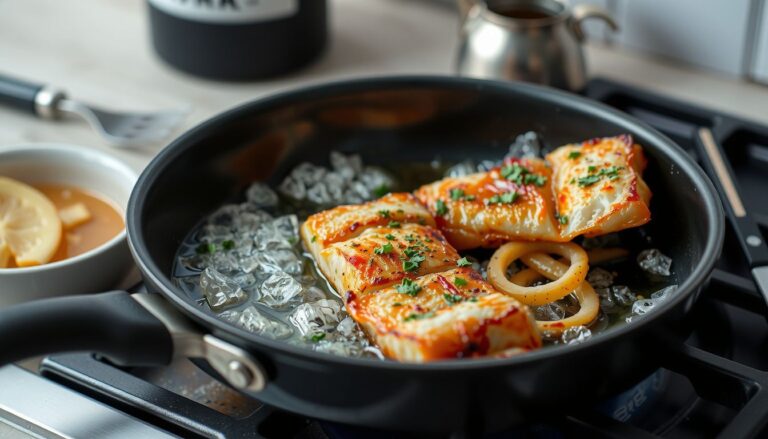
Few things rival the satisfaction of biting into a perfectly fried piece of fish—a crust that cracks open with a clean snap, revealing fluffy, moist flakes inside. Yet achieving that ideal texture often eludes even experienced home cooks. The culprit isn't the recipe or the seasoning; it's the oil temperature.
The sweet spot for frying fish in vegetable oil is 350–375°F (175–190°C) . Within that window, moisture in the fish rapidly converts to steam, creating a barrier that repels oil while the coating sets into a golden, crisp shell. Drop below that range, and the crust absorbs oil like a sponge. Exceed it, and the exterior burns before the center finishes cooking. You can also read our guide on blackstone grill how to use.
This guide walks through everything that influences that temperature—fish thickness, batter types, equipment, and technique—so you can produce restaurant-quality fried fish consistently at home.
Why Oil Temperature Determines Crispness
Frying works through rapid heat transfer. When fish meets oil at the right temperature, the water on the surface instantly vaporizes, creating a steam layer that pushes oil away while the coating dehydrates and crisps. This same process prevents the fish from absorbing excess grease. For more on this, see our guide on how hot does oil need to be to.
The science is straightforward:
- Oil too cool (below 325°F): moisture escapes slowly, batter absorbs oil, coating turns soggy or slips off entirely
- Oil too hot (above 385°F): the exterior browns and burns before heat reaches the center, leaving raw fish
- Oil just right (350–375°F) : the crust sets within seconds, steam releases steadily, and the interior cooks gently through residual heat
The USDA's food safety guidelines recommend cooking fish to an internal temperature of 145°F. This matters because temperature control isn't just about texture—it's about ensuring the thickest part of the fillet reaches safe doneness without destroying the coating.
Visual Cues for Proper Temperature
Instead of relying solely on a thermometer, learn to read what the oil tells you:
| Oil Condition | Visual Signs | Result |
|---|---|---|
| Too cool | Faint bubbles, lazy sizzle | Greasy, pale, soggy coating |
| Too hot | Heavy smoking, oil shimmers strongly | Burnt crust, raw center |
| Optimal | Steady bubbling, gentle ripple | Golden-brown, crisp, even cooking |
When a piece of fish enters the oil, expect the temperature to drop 25–50°F. That's normal. The real skill lies in preheating slightly above your target so the oil settles into the ideal range after you add the fish. For more on this, see our guide on how to deep fry fish in a pan.
Best Practices for Cooking Fish in Vegetable Oil
Proper technique ensures every batch comes out consistently crisp. Start with these practical steps:
- Pat the fish completely dry before any coating—surface moisture turns to steam that degrades the crust
- Season the coating, not just the fish, so flavor distributes evenly through the crust
- Fry in small batches—overcrowding drops oil temperature dramatically and traps steam
- Flip only once, when the first side releases cleanly from the pan (usually 2–3 minutes)
- Rest on a wire rack, not paper towels, to prevent steam from softening the crisp crust
Batch Size Matters
Adding two fillets to a pot with four inches of oil is fine; adding six is a problem. A good rule of thumb: for every 1–2 pieces of fish, allow the oil to recover for 60–90 seconds before adding more.
If you're new to frying fish, a digital probe thermometer with a clip is essential for monitoring ongoing heat. In practice, the difference between great and average fried fish is nearly always a direct result of the 10 degrees you weren't tracking. For more on this, see our guide on how long does it take to deep fry.
Adjusting Temperature for Fish Type and Coating
Fish is not uniform—a ¼-inch sole fillet cooks in half the time as a 1-inch cod loin, while oily fish like salmon absorb and transfer heat differently than lean white fish. The coating also transforms how heat interacts with the flesh.
Matching Temperature to Fish Thickness
The ideal starting temperature balances the time needed for the interior to reach 145°F against the time the coating takes to brown:
- Thin fillets (under ½ inch) — tilapia, sole, flounder: fry at 340–355°F for 2–3 minutes
- Standard fillets (½–¾ inch) — cod, haddock, pollock: fry at 350–365°F for 4–6 minutes
- Thick cuts (3/4–1 inch) — halibut, catfish, swordfish: fry at 360–375°F for 6–8 minutes
For thicker pieces, you have two better options: start at higher heat to set the crust, then reduce to finish cooking; or slice the fillet horizontally to reduce thickness, ensuring even cooking. For more on this, see our guide on how to fry fish with flour and egg.
Temperature Tips by Coating Type
- Flour dredge: handles higher heat (up to 375°F) and browns quickly into a thin, shattering crust
- Breadcrumb or panko: best at 350–365°F—panko browns fast, so excess heat creates bitter, dark spots
- Beer batter: needs steady mid-range heat (350–360°F) so the batter sets fully before absorbing oil
- Cornmeal coating: crisp and sturdy; works well at 365–375°F for a bold exterior
A common mistake is treating all coatings the same. A flour-dusted whiting will burn at the heat that perfects a thick beer-battered cod. Let the coating and thickness dictate the exact number.
How to Measure and Maintain Consistent Oil Temperature
Consistency separates good frying from great frying. The best tool for this task is a clip-on deep-fry thermometer that attaches to the pot's side with the probe immersed in oil but not touching the pan bottom.
Follow this sequence for steady heat management:
- Preheat oil to 360–375°F, holding for 2–3 minutes so the oil and pot stabilize at the same temperature
- Verify with your thermometer—if it reads below target, adjust the burner in small increments; oil heats slowly, so avoid cranking heat to high
- Just before dropping fish, confirm the temperature, then reduce heat slightly to compensate for the drop
- After adding fish, expect a natural dip to 325–350°F; resist turning the burner to high immediately
- Maintain 340–360°F through the cook, flipping once halfway
- Before the next batch, let the oil recover to your target temperature (usually 60–90 seconds)
The Buffer Strategy
Start at the higher end of your intended range. Because adding fish drops temperature, beginning at 375°F means the oil settles closer to 350°F after the drop. Beginning at 350°F risks falling below 325°F, which allows absorption and sogginess.
Step-by-Step Frying Timeline
Step 1: Prep and preheat — Fill a Dutch oven or heavy pot no more than half full with vegetable oil. Heat to 360–375°F and maintain for 2–3 minutes. Dry fish thoroughly and coat as desired.
Step 2: First batch — Gently lower 1–2 coated fillets into the oil away from you to prevent splashes. The temperature will drop—this is expected. Adjust burner to maintain 340–360°F.
Step 3: Cook, flip once — Leave the fish undisturbed for 2–4 minutes (depending on thickness) until the bottom is golden brown and releases easily. Flip once and cook until the second side matches.
Step 4: Check doneness — The crust should be deep golden-brown with a light crunch when tapped. Check internal temperature reading 145°F in the thickest part if you have any doubt about thickness.
Step 5: Rest and repeat — Transfer to a wire rack set over a baking sheet (never stack pieces). Let oil return to 350–375°F before dropping the next batch.

Troubleshooting Common Frying Problems
Every frying failure has a temperature-related cause. Match your symptom to the fix:
Soggy, oily coating — The oil ran too cool or the pan was overcrowded. The coating absorbed oil because steam couldn't escape. Fix: reduce batch size, ensure oil recovers between groups, and maintain at least 340°F.
Burnt outside, raw center — Oil too hot for the thickness. The crust browned before the interior warmed. Fix: lower the target to 345–355°F for thick fillets, cook longer, or reduce fish thickness by butterflying.
Pale, blond crust — Oil temperature collapsed below 325°F and never recovered. Fix: preheat higher (375°F), fry fewer pieces, and wait longer between batches.
Excessive foaming — Wet food or overcrowding. Water rapidly vaporizing during the temperature crash causes foam. Fix: pat the fish heartily with paper towels and fry in smaller batches.
Coating falls off in the oil — Fish surface was moist, or the oil was too cool, preventing the coating from setting before turbulent steam displaced it. Fix: dry fish thoroughly, let coated pieces rest 5–10 minutes before frying, and confirm at least 350°F.
Oil Quality, Reuse, and Safety
Maintaining clean oil is critical for consistent results. Vegetable oil degrades each time it's used, with smoke point lowering and off-flavors developing. For frying fish once a week, you can typically reuse oil 2–3 times before quality declines.
Signs your oil is spent:
- Noticeable "fishy" or stale smell even when cold
- Rapid browning of food
- Excessive foaming during heating
- Dense smoke at temperatures below 375°F
- A sticky, thick residue on cooled oil
Reuse properly:
- Let oil cool completely to room temperature
- Strain through a fine-mesh sieve lined with cheesecloth or a coffee filter
- Store in a sealed container away from light and heat
- Keep a simple marker on your kitchen calendar for each use
Disposal — never pour oil down the drain. Cool it completely, pour into a non-recyclable container with a lid, and place it in the trash. Some communities offer recycling drop-off sites for larger batches.
Frequently Asked Questions
What temperature do I need for frying fish in vegetable oil?
The ideal range is 350–375°F (175–190°C). Vegetables oil can handle these temperatures without smoking, and the range is high enough to crisp the coating quickly while still cooking the fish through. Stay closer to 350–360°F for thin fillets and 365–375°F for thicker pieces.
How do I know when oil is at 350 degrees without a thermometer?
Drop a small cube of bread into the oil. At 350°F, it should sizzle and turn golden brown in about 30–40 seconds. If it browns immediately, the oil is too hot; if it takes longer emerging pale and oily, the temperature is too low. For better consistency, use a clip-on thermometer.
How long does fish take to fry in vegetable oil?
Most fillets take 4–8 minutes total at 350–375°F, flipping halfway. Thin fillets under ½ inch may finish in 3–4 minutes, while thick 1-inch cuts can take 7–9 minutes. Always check the thickest piece reaches an internal temperature of 145°F.
Can I reuse vegetable oil after frying fish?
Yes, you can reuse it 2–3 times if properly strained and stored. Let the oil cool, strain out any debris, and keep it in a sealed glass jar away from light. When it smells strongly fishy, foams excessively, or smokes at normal frying temperatures, discard it.
Why is my fried fish soggy?
Sogginess happens when oil temperature drops below 325°F. The coating absorbs oil because steam can't force moisture outward. Prevent this by preheating to 370–375°F, frying in small batches, drying the fish well, and letting the oil recover to target temperature between batches.
Should I fry fish at 350 or 375 degrees?
Start at 375°F so the temperature settles around 350°F after you add the fish. Thinner fillets do better at the lower range (350°F), while thick cuts and wet batters benefit from higher initial heat. Using a buffer at 375°F prevents the temperature crashing below the critical zone.
Conclusion
Perfect fried fish comes down to a single discipline: maintaining the right temperature from preheat to final batch. Keep vegetable oil between 350–375°F, fry in small batches, let oil recover between loads, and match heat to the thickness of your fillets.
Before your next fry, set up your thermometer, measure how long it takes to reach 365°F, and practice holding it steady through two small batches. That simple exercise will shift your frying from inconsistent to reliably crisp—the whole meal will taste like you've been doing this for years.