How Big Does Betta Fish Tank Need To Be For Health
The short answer is clear: a single betta needs at least a 5-gallon tank to stay healthy long-term. Anything smaller forces you to battle unstable water chemistry, rapid temperature swings, and a stressed, lethargic fish.
A betta’s tank size isn’t about luxury—it’s the difference between a fish that merely survives and one that actively thrives. In a too-small container, ammonia builds up within hours, heaters overheat the water, and there’s no room for the hiding spots and gentle current a betta needs. You can also read our guide on how to anchor a boat.
In practice, most experienced keepers treat 5 gallons as the true baseline for a heated, filtered, cycled setup. A 10-gallon tank is even more forgiving and often easier to maintain, not harder. This guide breaks down exactly why size matters, how to choose the right tank, what equipment each size needs, and how to upgrade safely if your betta is currently in a bowl or tiny cube.
The Minimum Tank Size: What Most Keepers Get Wrong
Many bettas are still sold in cups, bowls, or 1–2 gallon “kits” because the fish can technically breathe air from the surface. That fact leads to the most common myth in betta keeping: “small water volume is fine.”
Here’s the reality: a 1-gallon container can swing from safe to toxic in less than 24 hours. Uneaten food and fish waste produce ammonia, and in a tiny volume there isn’t enough water or beneficial bacteria to dilute and process it. The result is red gills, clamped fins, fin rot, and a dramatically shorter lifespan. For more on this, see our guide on how often do you clean a betta fish.
The practical minimum for a single betta is 5 gallons. A 5-gallon tank gives you:
- Enough volume for a small heater and gentle filter
- Stable temperature throughout the day and night
- Room for the nitrogen cycle to function
- Space for plants, a hide, and an open swim lane
- A realistic maintenance routine—one partial water change per week, not daily panic
A 10-gallon tank is an even better choice if you have the space. It holds parameters steadier, gives more layout options, and forgives occasional missed maintenance. For community setups with tank mates, 10–20 gallons is strongly recommended.

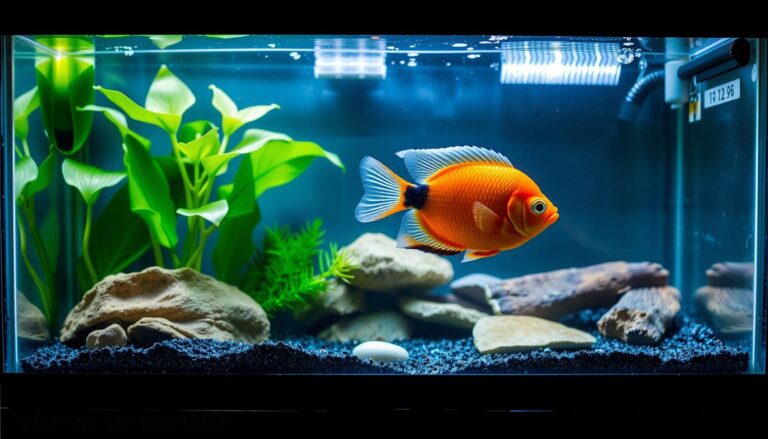
This type of low, long 5-gallon setup gives a betta room to patrol while keeping water parameters manageable.
Why Tank Size Directly Affects Water Quality and Stability
Bigger tanks don’t just look better—they behave better. Water is your betta’s entire environment, and volume is the single biggest buffer against mistakes and environmental changes. For more on this, see our guide on how hot does oil need to be to.
Ammonia, Nitrite, and the Nitrogen Cycle
Fish waste and leftover food rot into ammonia, which is highly toxic to bettas even at low levels. In a healthy cycled tank, beneficial bacteria convert ammonia into nitrite, then into less harmful nitrate, which you remove through water changes.
In a small tank, that bacterial colony has nowhere to establish itself in sufficient numbers. A tiny filter or a bare bowl simply can’t process waste fast enough. According to the CDC’s guidance on pet fish health, poor water quality is one of the most common causes of illness in aquarium fish, making regular monitoring and adequate filtration essential. The larger the water volume, the more diluted the waste and the slower the toxin buildup—giving the bacteria time to work. For more on this, see our guide on how long does a fish tank take to.
Temperature Stability
Bettas are tropical fish that do best in 78–80°F water. Small containers lose heat quickly when the room cools at night or the air conditioner runs. A 1–2 gallon bowl might swing 5–8°F in a single day, which stresses the immune system and invites diseases like ich. A 5–10 gallon tank with an adjustable heater holds a much steadier temperature, which is one of the quiet reasons larger tanks produce healthier fish.
Stress and Behavior
A cramped, bare bowl leaves a betta constantly exposed and unable to establish a territory. Chronic stress hormones weaken the immune response. In a properly sized tank, you can add plants, floating cover, and a hide without walling in the fish—creating the “sight breaks” that keep a betta calm and encourage natural behaviors like patrolling, resting, and bubble nesting. For more on this, see our guide on how long does it take a fish tank.
A common mistake: measuring success by whether the fish is alive. Survival is not the same as health. A betta in a 2-gallon tank can live for months while slowly declining—then crash suddenly. Judge the setup by stability, not survival.
Choosing the Right Tank Shape: Footprint vs. Height
Gallons are one thing; dimensions are another. A tall, narrow 5-gallon “portrait” tank and a long, low 5-gallon rectangle hold the same water but feel very different to the fish.
Bettas are surface-oriented fish. They breathe air, rest near the top, and patrol horizontally. A longer footprint (width and length) matters more than extra height. A tank that is 16–24 inches long lets a betta cruise in straight lines, which you’ll see in calmer pacing and less glass surfing. Tall, deep tanks force constant vertical trips and can exhaust long-finned males—especially plakat and halfmoon varieties that carry heavy finnage.
Practical rules for choosing dimensions:
- Prioritize horizontal length over depth. A standard 5-gallon rectangle or a 10-gallon long is ideal.
- Keep water depth moderate. 8–12 inches is comfortable for most bettas; deeper than that and surface trips become work.
- Maximize surface area. Gas exchange happens at the surface, and more surface area supports better oxygen levels and stable temperature.
- Always use a lid. Bettas jump, and warm humid air above the water supports their labyrinth organ.
If you’re choosing between two tanks of the same volume, pick the one with the larger footprint. In practice, a standard 5-gallon rectangular tank usually produces better behavior than a 5-gallon cylinder or cube.
Essential Equipment by Tank Size: Heaters, Filters, and Cycling
Tank size determines what equipment fits and how stable that equipment can keep the environment. Bettas need gentle flow, consistent heat, and a mature biological filter—and smaller tanks punish equipment mismatches immediately.
Filtration
A filter must be sized to the tank but tuned for low flow. Sponge filters are the default choice for bettas because they provide excellent biological filtration with almost no current. Hang-on-back filters can work if the outflow is baffled. The goal is steady ammonia processing without pushing a long-finned fish around the tank.
Heating
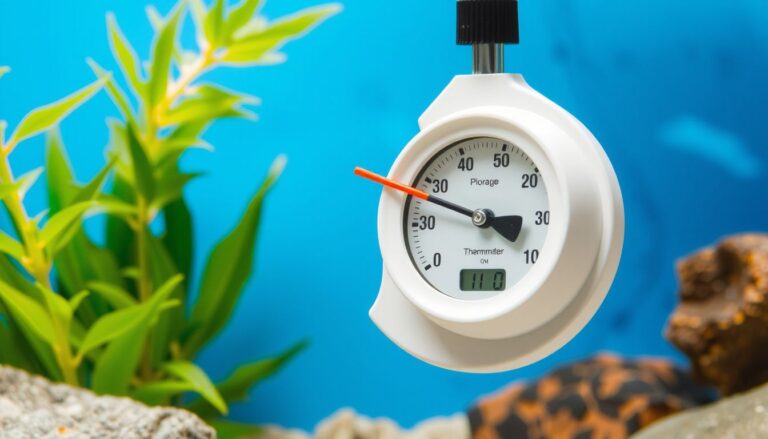
An adjustable heater is non-negotiable. Preset heaters often hold 78°F poorly in tiny tanks or overheat them. Look for a heater rated for your exact water volume—5 watts per gallon is a common guideline—and always use a separate thermometer to verify the temperature. In a 10-gallon tank, the larger water mass makes temperature swings slower and more forgiving.
Cycling the Tank
“Cycling” means establishing the beneficial bacteria before adding fish. This takes 2–6 weeks and requires consistent testing for ammonia, nitrite, and nitrate. In a small tank, the cycle is fragile; one overfeeding can crash it. In a 10-gallon tank, the larger bacterial colony is far more resilient. This is why larger tanks feel easier for beginners, even though the initial setup is the same.
Equipment guide by tank size:
| Tank Size | Filter Type | Heater Power | Maintenance Realism |
|---|---|---|---|
| 2.5 gal | Tiny sponge or air-driven | 10–15W preset, risky | Daily or near-daily water checks |
| 5 gal | Small sponge or adjustable HOB | 25–50W adjustable | Weekly 20–30% water change |
| 10 gal | Larger sponge or gentle HOB | 50W adjustable | Weekly water change, very stable |
| 20 gal+ | Sponge plus HOB or canister | 100W+ | Weekly/biweekly, community-ready |
In practice, the cheapest long-term setup is usually a 10-gallon tank with a quality sponge filter and an adjustable heater. You’ll spend less time fighting parameters—and less money replacing sick fish.
When Bigger Is Better: Stocking, Tank Mates, and Territorial Needs
A single betta can live happily in 5 gallons. But the moment you want tank mates, the minimum disappears. Bettas are territorial, and crowding is the fastest way to trigger fin nipping, relentless flaring, and chronic stress.
Bigger tanks are necessary when:
- Adding bottom dwellers like corydoras or small loaches—they need floor space and clear feeding zones
- Keeping schooling fish such as ember tetras or harlequin rasboras—they require group numbers and swim length
- Housing shrimp or snails—they reproduce and increase bioload
- Feeding heavily—frozen foods and frequent meals raise waste output
- Keeping a male and female together—only attempt in 20+ gallons with dense cover, and even then with caution
For a single betta plus a few peaceful tank mates, a 10-gallon long is the practical starting point. A 20-gallon long gives you room for a genuine community with clear territories: upper plants for the betta, midwater lanes for schoolers, and open bottom patches for scavengers.

In a larger, longer tank, a betta and peaceful tank mates can coexist with enough visual separation to avoid constant chasing.
Avoid the temptation to “test” a small tank with tank mates. In a 5-gallon cube, even normally peaceful species will trigger territorial behavior because there is nowhere to retreat.
Setting Up a Betta-Friendly Layout: Plants, Hides, and Flow
Once you have the right tank size, how you fill it determines whether the fish actually uses the space. A betta needs cover, rest stops, and gentle circulation—not a decor-packed box.
Plants
Broad-leaf live plants like anubias, java fern, and amazon sword give bettas somewhere to rest near the surface. Floating plants such as frogbit or salvinia diffuse harsh light and create shaded zones. Silk plants work if you don’t want live plants, but avoid plastic plants with sharp edges. When selecting containers for any potted aquarium plants, the same principles of drainage and material choice apply to your houseplant pots—choosing the right color and porousness matters for root health.
Hides
Provide at least two hides placed at opposite ends of the tank. Smooth ceramic caves, coconut shells, or driftwood arches work well. Run your finger over every edge—if it catches skin, it will shred fins.
Flow Rate
Bettas come from slow-moving water. A filter that creates a strong current turns the tank into a treadmill. Always baffle hang-on-back outputs with a sponge or point them at the back wall. Sponge filters are naturally gentle and double as a surface for beneficial bacteria.
Safe Decor
Avoid anything sharp, rough, or with small openings where a curious betta could get stuck. The pantyhose test is a simple standard: rub a piece of pantyhose over the decor—if it snags, the decor is unsafe.
A well-structured 10-gallon tank with a sponge filter, a few broad-leaf plants, and two hides typically produces a betta that explores calmly instead of pacing the glass. That’s the visible payoff of getting both size and layout right.
Real-World Tank Size Comparison: 2.5 vs 5 vs 10 Gallons
Numbers on paper don’t show what daily ownership feels like. Here’s what each common size actually demands in terms of time, money, and stress.
| Feature | 2.5 Gallons | 5 Gallons | 10 Gallons |
|---|---|---|---|
| Water change frequency | Every 2–3 days | Weekly | Weekly or every 10 days |
| Temperature stability | Poor—swings fast | Good | Excellent |
| Ammonia spike risk | High | Moderate | Low |
| Room for heater + filter | Limited | Adequate | Generous |
| Behavior of betta | Often lethargic, clamped | Active, explores | Active, natural territory |
| Beginner-friendliness | Not recommended | Good | Best |
A 2.5-gallon tank is a constant balancing act. If you miss a top-off by a day, the heater may expose itself and the temperature drops. If you overfeed once, ammonia spikes overnight. Some keepers make it work with daily attention and live plants, but it’s not a realistic long-term home for a beginner.
A 5-gallon tank is the sweet spot for most single-betta keepers. It fits on a desk, holds steady with weekly care, and gives the fish room to behave naturally without demanding a huge footprint.
A 10-gallon tank is “easy mode.” The extra water volume smooths over small mistakes, gives you room for a better aquascape, and keeps maintenance predictable—even if you skip a week now and then.
How to Upgrade from a Small Tank to a Healthier Setup
If your betta is currently in a bowl, vase, or 2-gallon cube, the upgrade should happen as soon as possible—but do it without shocking the fish further. Moving a betta abruptly from toxic water into clean water can itself cause osmotic stress.
Here’s a safe step-by-step approach:
- Set up the new tank first. Fill a 5–10 gallon tank, install the heater and filter, and start cycling it. If you can, use established filter media or bottled beneficial bacteria to speed up the cycle.
- Match the temperature. Warm the new tank to the same temperature as the old container, then allow it to rise gradually to 78–80°F over several hours.
- Acclimate slowly. Float the betta in a bag or cup in the new tank for 15–20 minutes, then add small amounts of new-tank water every 5 minutes for another 15–20 minutes before releasing.
- Transfer only the fish. Do not pour old dirty bowl water into the new tank. The goal is to leave ammonia behind, not bring it along.
- Monitor closely for the first week. Test daily for ammonia and nitrite, and have a water conditioner on hand.
If you must move the fish before the new tank is cycled, perform a fish-in cycle with daily testing and small water changes. This is more work, but far better than leaving the betta in a bowl.
Frequently Asked Questions
Can a betta live in a 1-gallon tank?
Technically yes for a short time, but not healthily. Ammonia builds quickly, temperature swings wildly, and there’s no room for adequate filtration or heating. A 1-gallon tank demands daily water changes and constant monitoring—it’s not a realistic long-term home.
Is 5 gallons really enough for a betta?
Yes, for one betta it is the accepted minimum. A 5-gallon tank can hold a stable cycle, a proper heater, and a gentle filter. It gives the fish room to swim and enough water volume to stay forgiving between weekly water changes.
Do bettas prefer tall or long tanks?
Long tanks. Bettas are surface-oriented and swim horizontally. A longer footprint gives them room to patrol and breathe comfortably, while tall narrow tanks force constant vertical trips and can exhaust long-finned fish.
What happens if a betta tank is too small?
Water quality deteriorates quickly, causing ammonia poisoning, fin rot, and stress. The fish may become lethargic, stop eating, or pace frantically. Small tanks also make temperature regulation nearly impossible, weakening the immune system over time.
Can I keep a betta with tank mates in a 5-gallon?
Not recommended. A 5-gallon tank is suitable for one betta, and possibly a few small shrimp or snails with heavy planting. Adding fish tank mates triggers territorial aggression because there is nowhere to escape—10 gallons or more is needed for a community.
Does a bigger tank make betta care easier?
Absolutely. A 10-gallon tank dilutes waste, holds temperature steadier, and forgives missed maintenance. New keepers often find that stepping up to 10 gallons reduces their daily workload rather than increasing it.
Final Thoughts
The honest answer to how big does betta fish tank need to be for health is simple: 5 gallons minimum, 10 gallons better. A healthy betta is a product of stable water, consistent heat, and a calm environment—and all three become dramatically easier to achieve as water volume increases.
Don’t let store packaging or outdated “bowl” advice dictate your setup. Measure your available space, set a realistic budget for a heater and filter, and choose the largest tank you can comfortably maintain. Your betta will reward you with brighter colors, more activity, and a lifespan measured in years rather than months.
If you’re planning to move into a larger home for your fish, treat the upgrade as the start of a better routine—not just a bigger glass box. A stable, well-planted 10-gallon tank is one of the most satisfying setups in the hobby to maintain.