How Long Does It Take For Leaves To Compost: Best Proven Timeline For Leaf Composting
Every autumn, millions of homeowners rake, bag, and haul away fallen leaves. Those leaves are often treated as yard waste, but they are actually one of the best free soil builders available. The real question is simple: how long does it take for leaves to compost?
The honest answer is anywhere from 6 weeks to more than 2 years, depending on how you manage the pile. A hot, regularly turned pile can produce crumbly compost in a single season. A neglected heap of whole leaves can sit for years and barely change. The good news is that the fastest methods do not require expensive equipment. They require a few timing habits and one very important physical change: shredding the leaves. You can also read our guide on how long does it take for compost to decompose.
This guide gives you realistic timelines for every common method, explains why leaves break down at different speeds, and walks you through a proven 7-step system for faster leaf compost.
What Really Controls the Speed of Leaf Composting
Before you estimate a timeline, you need to understand what is happening inside the pile. Composting is biological decomposition, and the microbes doing the work have four basic needs. You can also read our guide on how long does chicken poop take to compost.
The Four Microbial Needs
Moisture. Microbes need water to survive and move nutrients through the pile. If leaves are dry, they simply sit there. The goal is the texture of a wrung-out sponge: damp enough that a handful holds together, but not wet enough to drip.
Oxygen. Most decomposition is aerobic, meaning it requires oxygen. Whole leaves mat together when wet, which blocks airflow. Without oxygen, decomposition slows and the pile can turn anaerobic, producing sour, rotten smells. You can also read our guide on how long does compost take to break down.
Nitrogen. Leaves are almost pure carbon. Microbes need nitrogen to build proteins and reproduce. Without a nitrogen source, the microbial population stays small and sluggish.
Particle size. This is the factor most people overlook. Whole leaves resist water and form impenetrable layers. Shredded leaves expose far more surface area, giving microbes many more entry points to colonize. You can also read our guide on how long does horse manure take to compost.
The Carbon-to-Nitrogen Ratio, Made Simple
The ideal carbon-to-nitrogen ratio for a compost pile is roughly 30:1, according to EPA home composting guidance. Dry leaves typically range from 40:1 to 80:1, so they are far too carbon-heavy on their own.
| Ingredient | Approximate C:N Ratio |
|---|---|
| Dry, brown leaves | 40:1 to 80:1 |
| Fresh grass clippings | 15:1 to 25:1 |
| Vegetable scraps | 15:1 to 20:1 |
| Coffee grounds | 20:1 |
| Aged manure | 10:1 to 20:1 |
A practical rule of thumb is to add one part green material for every two to three parts shredded leaves. If autumn grass has stopped growing, you can use vegetable scraps, coffee grounds, or a small amount of aged manure. You can also read our guide on how long for grass clippings to decompose.
If you have a source of well-aged chicken manure, it supplies nitrogen quickly and follows a composting timeline of its own. The same principle applies to other green kitchen waste, so mixing leaves with vegetable scraps gives microbes the balanced diet they need.
Why the Calendar Alone Cannot Predict a Timeline
Two piles of leaves started on the same day can finish months apart. Weather, pile size, moisture, and ingredient mix all shift the outcome. That is why the timelines below represent ranges, not guarantees. A cold, dry autumn will slow everything down. A warm, wet one will speed it up.
Leaf Composting Timelines by Method
Here is the realistic range for each common approach, from fastest to slowest.
| Method | Timeline to Finished Compost | Effort Level | Best For |
|---|---|---|---|
| Hot composting | 2–4 months | High | Gardeners who want fast results |
| Compost tumbler | 3–5 months | Moderate | Smaller loads, easier mixing |
| Cold composting | 1–2 years | Minimal | Gardeners in no hurry |
| Leaf mold | 6–12 months | Very low | Soil conditioner, not fertilizer |
| Bag method | 6–12 months | Very low | Limited space, low maintenance |
Hot Composting: 2–4 Months
Hot composting is the fastest route, but it requires commitment. You are aiming for internal temperatures of roughly 130–160°F (55–70°C), which means building a pile at least 3 feet wide and 3 feet tall. Current USDA gardening resources recommend the same basic conditions for active home composting: enough mass, enough moisture, and regular aeration.
The keys to hot composting with leaves are shredding them thoroughly and mixing in generous amounts of nitrogen-rich material. A pile of pure leaves will never heat up. The green material is what fuels microbial growth and drives the thermometer upward.
For the first several weeks, turn the pile every two to three days to keep oxygen flowing. You will know it is working when the center feels warm and steam rises on cool mornings.
Compost Tumbler: 3–5 Months
A compost tumbler is an excellent middle ground for people who want faster results without building a giant pile. The rotating action exposes new surfaces to oxygen, which static piles cannot do on their own.
For best results, fill the tumbler no more than two-thirds full so the material can move freely. Spin it every two to three days. Check moisture weekly, because tumblers tend to dry out faster than ground-level piles. If it looks dry, add water and give it a few extra rotations.
Cold Composting: 1–2 Years
If you are happy to let nature run the process, an unmanaged pile of leaves will eventually decompose. Eventually is the key word: expect 12–24 months, and sometimes longer in dry climates.
Cold composting still benefits from basic attention. Turning the pile even once a month speeds things up. Keeping it mildly moist in summer prevents it from stalling completely. If you never turn it at all, you are effectively making leaf mold rather than rich compost.
Leaf Mold: 6–12 Months
Leaf mold is often confused with compost, but it is a different product. Leaf mold comes from fungal decomposition, not bacterial decomposition. It takes 6–12 months and produces a dark, spongy material that is outstanding for holding moisture in soil. It contains very little nutrient value.
Many gardeners deliberately aim for leaf mold because it requires almost no effort. If your main goal is improving soil structure rather than feeding plants, leaf mold is a perfectly smart outcome.
Bag Method: 6–12 Months
The bag method is ideal for people with limited space. Fill thick plastic bags with moist, shredded leaves, poke several holes for airflow, and stash them somewhere out of the way. Check every few months and add water if the leaves have dried out.
This method produces something similar to leaf mold. It is slower and less predictable than a managed pile, but it keeps the process tidy.
Shredding Changes Everything
If you only take one tip from this article, make it this: shred your leaves. It is the single highest-impact change you can make, and it can realistically cut decomposition time by half or more.
What Happens When You Skip Shredding
Whole leaves have a waxy cuticle that repels water. When they get wet, they mat together into dense sheets that block airflow. Microbes struggle to get a foothold on that smooth, waterproof surface. In practice, a pile of whole leaves can sit for 18 months and still contain recognizable leaf blades.
The Shredding Difference
Shredded leaves behave completely differently:
- They hold moisture like a sponge instead of shedding it.
- They stack more loosely, preserving air pockets.
- They expose cut edges where microbes can enter immediately.
- They mix far more evenly with nitrogen-rich greens.
The Best Ways to Shred Leaves
The easiest method is running a lawn mower over a pile of leaves. Two or three passes reduces them enough. You can also use:
- A leaf vacuum with a shredding function.
- A string trimmer inside a large trash can.
- A chipper-shredder, if you already own one.
- Rubbing dry leaves through a wire mesh.
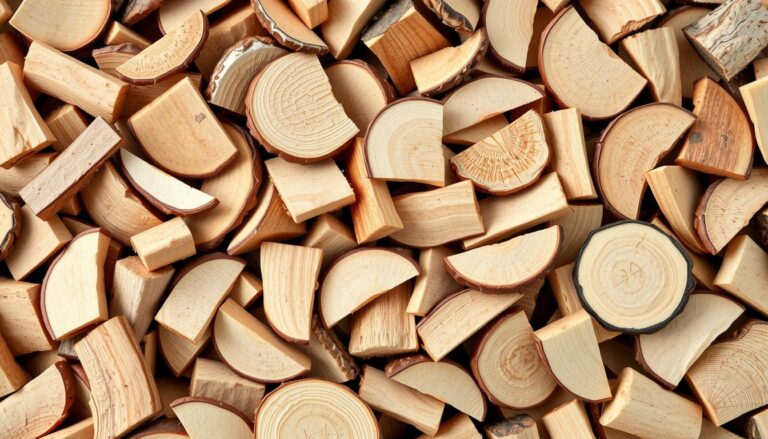
Do not expect shredded leaves to break down as slowly as wood chips. They are softer and lower in lignin than tough woody inputs, so they finish much faster.
The 7-Step Method for Fast Leaf Composting
Here is a proven system for producing finished leaf compost in 10–14 weeks, assuming you start in autumn and live in a region with at least moderate rainfall.
Step 1: Gather and Shred
Collect dry leaves and shred them thoroughly. This one step cuts the total timeline in half.
Step 2: Build a Proper-Size Pile
Aim for a pile at least 3 feet wide and 3 feet tall. Smaller piles will not retain enough heat. Add the material in alternating layers: about three parts shredded leaves to one part green material.
Step 3: Moisten Every Layer
Water each layer as you build. The pile should feel like a wrung-out sponge all the way through, not just on the surface. This is the most common step people skip.
Step 4: Wait 4–5 Days, Then Turn
Let the pile sit for several days so the microbial population can build. Then turn it completely, moving the outside material into the center and the center material toward the outside.
Step 5: Turn Every 3–4 Days
For the next month, turn the pile every three to four days. This is the active heating phase, when decomposition moves fastest.
Step 6: Monitor Moisture and Temperature
Check moisture every time you turn. If the pile feels dry, add water. If it is soggy and smells, add dry shredded leaves to soak up the excess.
Step 7: Let It Cure
Once the pile stops reheating after turning, usually around week 8–10, leave it undisturbed for two to four more weeks. Curing allows the compost to stabilize before you put it on plants.
Turning: The Maintenance That Matters
Turning the pile is not optional if you want speed. Aeration introduces fresh oxygen, breaks up anaerobic pockets, and redistributes moisture and microbes.
- Hot composting: turn every 2–3 days while the pile is heating.
- Tumbler: rotate every 2–3 days.
- Warm, passive pile: turn weekly if you want to speed things up.
- Cold pile: turn every few weeks, or not at all if you are willing to wait.
In practice, most people turn too little, not too much. A pile that is never turned develops a sour smell from anaerobic bacteria. If your pile smells like ammonia or rotten eggs, it needs oxygen immediately.
Common Mistakes That Slow Down Leaf Composting
Even experienced gardeners make these errors. Fix them early and you will save months of waiting.
Mistake #1: Letting Leaves Dry Out
Dry leaves do not compost. They just sit. In arid climates, you may need to water the pile weekly. Use the squeeze test: grab a handful and squeeze. If no water drips and the material crumbles instantly, it is too dry.
Mistake #2: Building with Pure Leaves
Without nitrogen, a leaf pile will never heat up. If grass clippings are not available, use coffee grounds, vegetable scraps, or a light sprinkling of lawn fertilizer. The key is giving microbes enough nitrogen to multiply.
Mistake #3: Ignoring the Pile for Months
A neglected pile is not “cold composting.” It is just a pile of leaves. Even cold composting benefits from occasional turning and moisture checks. Set a reminder to check the pile every two to three weeks.
Mistake #4: Compacting the Pile
Stomping down leaves to make them fit feels productive, but it suffocates the pile. Loose stacking preserves the air pockets microbes need. If you want to add more leaves, mix them into the existing pile rather than compressing them on top.
Mistake #5: Judging by the Outside
The outer layer of a pile is often dry while the center is soaked. Reach into the middle before deciding whether to add water. The center is where most of the action happens.
How to Tell When Leaf Compost Is Finished
Time-based estimates are useful, but the real answer comes from looking at the material itself.
Visual and Sensory Checks
Finished leaf compost should be:
- Dark brown to black throughout.
- Crumbly, with no recognizable leaf blades.
- Earthy-smelling, like a forest floor.
- Cool, with no reheating after turning.
The Sifting Test
Run a handful through a quarter-inch screen. Most of it should pass through easily. What remains should be twigs and stems, not leaf structure. Return anything uncomposted to the active pile.
The Germination Test
For the most reliable check, plant fast-growing seeds such as radishes or beans in a small tray of compost. If they germinate and grow normally within 7–10 days, the compost is stable and safe for plants.
Using Finished Leaf Compost in Your Garden
Once the compost is ready, put it to work around your property.
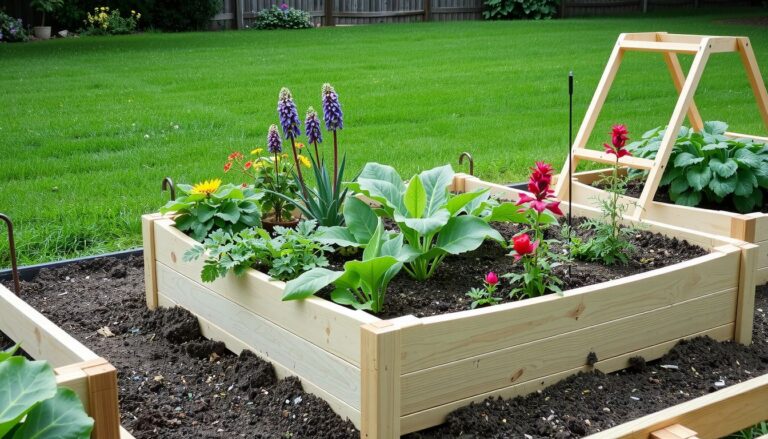
- As a soil amendment: work 2–3 inches into garden beds before planting. It improves drainage in clay soils and water retention in sandy soils.
- As a mulch: apply a 2–4 inch layer around trees, shrubs, and perennials. It suppresses weeds and insulates roots.
- In potting mixes: blend one part finished compost with two parts potting soil for containers. Just make sure the compost looks fully broken down before mixing.
- For lawn top-dressing: rake a thin layer, about half an inch, over the lawn after aerating.
Once you are growing in containers, the quality of the potting mix matters more than the container itself. That said, container color choices can affect root temperature and how often you need to water, so pick pots with the local climate in mind.
Frequently Asked Questions
How long does it take for leaves to compost in a pile?
A managed pile with shredded leaves and plenty of nitrogen can finish in 3–6 months. An unmanaged pile of whole leaves will typically take 12–24 months.
How long does it take for leaves to compost in a tumbler?
With regular rotation and proper moisture, a tumbler can finish in 3–5 months. If you shred the leaves and mix in grass clippings, it can be ready on the faster end of that range.
Why are my leaves not decomposing?
The most common culprits are dry leaves, a lack of nitrogen, or a compacted pile with no oxygen. Fix all three and decomposition will speed up quickly.
Can I compost leaves without turning them?
Yes, but expect it to take 1–2 years. To help a no-turn pile, shred the leaves and make sure the pile stays moist and balanced with green material.
Are oak leaves harder to compost than maple leaves?
Oak leaves are tougher and higher in tannins, so they take longer. Shredding helps significantly. Mixing oak leaves with softer species balances the pile.
How do I store leaves for composting later?
Keep shredded leaves in a dry bin or breathable bags. Moisten them slightly before adding to a spring or summer compost pile.
Can I use leaf compost as mulch?
Yes. Leaf compost makes excellent mulch around trees and shrubs. It suppresses weeds, holds moisture, and slowly feeds the soil.
Start This Weekend: Your Action Plan
The best time to start leaf compost is the week the leaves fall. Waiting until spring means the material has dried out and lost some of its value. Here is the immediate plan:
- Collect and shred as many leaves as you can this weekend.
- Build a pile at least 3 feet wide and 3 feet tall.
- Alternate shredded leaves with green material, then water each layer.
- Turn the pile every 3–4 days for the first month.
- Check moisture at the center before every turn.
A small investment of weekend time can give you dark, crumbly compost by early spring. Start with a single pile this weekend, and by planting time you will have a free soil builder that beats most bagged products.
Conclusion
So, how long does it take for leaves to compost? With active management, as little as 2–4 months. Left completely alone, it can take close to 2 years. The variables that matter most are shredding, moisture, nitrogen, and turning.
Choose the method that matches your patience level. Hot composting gives the fastest results. A tumbler offers the best balance of effort and speed. Cold composting is fine when you are in no rush. Whichever route you choose, remember that leaves are one of the best free resources your yard produces each year. A little effort now leads to healthier soil, stronger plants, and less waste heading to the landfill.