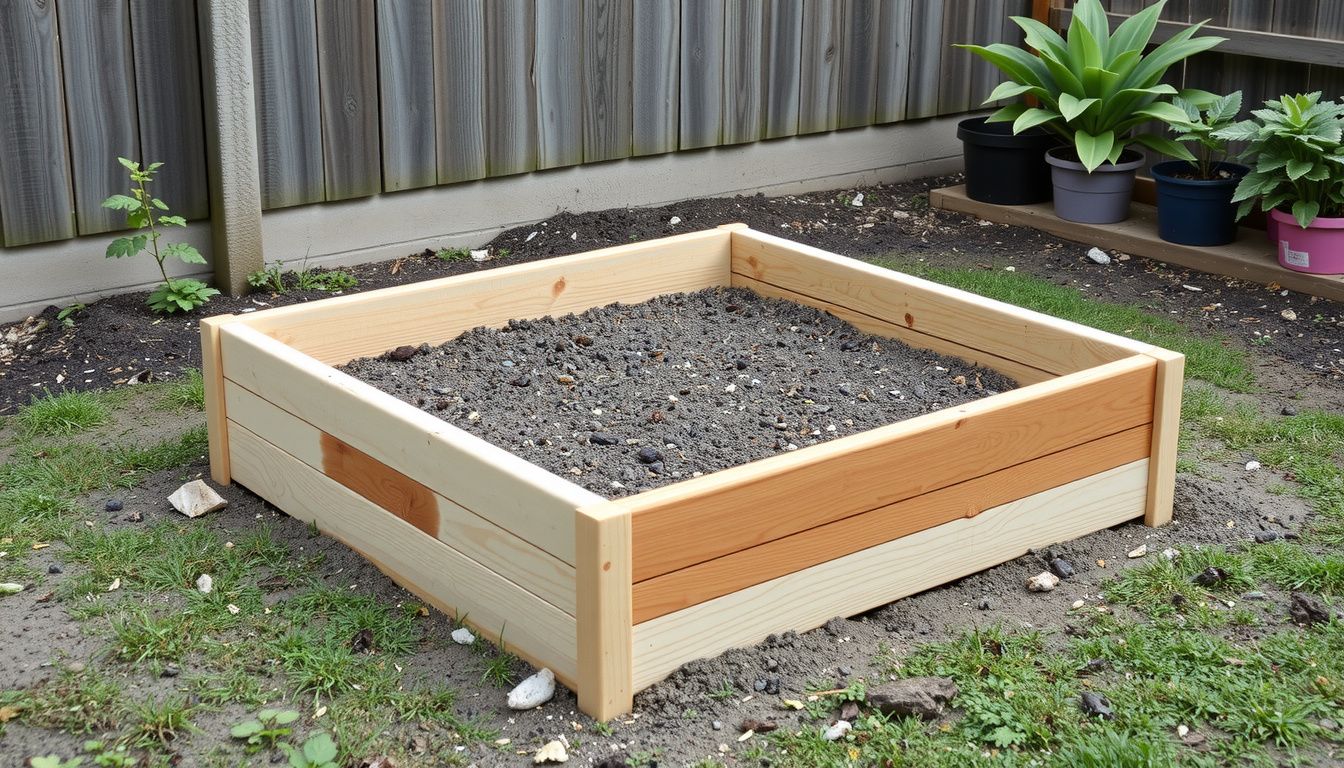
How Deep Does a Raised Garden Bed Need to Be for Crops?
Depth is the quiet difference between a raised bed that grows with ease and one that looks fine from the path but disappoints by July. Ask for a single “right” answer and you will get a confident number that falls apart the moment you change crops, move the bed onto a patio, or build over hard clay. The practical answer is a range: most annual vegetables grow well with roughly 12 to 12‑18 inches of usable for rooting zone, while deep-root for crops and long-lived perennials need of more. The exact number should follow the plant’s for rooting habit, corrected for what is underneath the frame and for how the growing mix holds water.
Get it slightly wrong and plants survive; get it right and they stay steadier through heat, drought, and heavier rain. This guide defines and the measurements, gives of a workable quick reference table, explains what actually happens below the surface, and how to adjust the depth for different sites while avoiding the expensive mistake of filling a tall frame entirely for with premium bagged mix. For more on this, see our guide on how deep to make raised garden beds.
What “Raised Bed Depth” Really Means ( Soil Depth vs.? Bed Height)
In practice, gardeners use the word “depth” for two different measurements that deserve separate names.
- Bed height is the height of the physical frame itself — the visible board, metal, or stone edges.
- Soil depth or** usable depth is the actual inches of loose, aerated growing medium that roots can penetrate. for.
They are not the same. A 24‑inch‑tall cedar frame sitting on an open, healthy garden loam gives roots the of full 24 inches in the frame plus whatever they can reach below. The same frame with a solid timber base or weed‑barrier over concrete delivers only what sits above that barrier. That is a s why a striking, tall‑walled patio planter can still behave like a cramped shallow tray for a tomato.
The ground below matters as much as the box itself or. A 12‑inch bed set on compacted clay that construction traffic has pressed into a hardpan may perform like an 8‑inch bed. In that situation, loosening the subsoil 6–10 inches with a garden fork widening the or broadfork before filling is often more effective than adding of another board to the frame.
Key factors to measure:
- Soil depth — the from top of the mix down to the first hard stop.
- What’s underneath — open native soil, compacted subsoil, weed fabric, gravel, a paved surface, or a solid base.
- How Soil structure — the fluffy, well‑aerated loam drains and lets air down in, while heavy clay or a collapsed peat‑based mix holds water and slows root growth.
Quick Quick Answer:** Recommended Bed Depths for Common Crops
For most home vegetable gardens, start with one rule: match the growing mix depth to the crop’s natural rooting zone, then add a small buffer for. Plants whose roots naturally run deep need more than a few inches or; shallow‑rooted leafy greens are of far more forgiving.
A raised bed sitting directly on open soil can perform beautifully with 12 inches of good growing medium for many crops, because roots and then can continue down into the ground. A bed on concrete, pavers, or a roof membrane cannot do that, so you should treat 12 inches as a true minimum for shallow plants and go deeper for almost anything else.
|# Depth targets for common crops**
| Crops type | Minimum usable depth | Notes |
|---|---|---|
| Lettuce, spinach, arugula, radishes, green onions, chives | 6–8** inches** | Great for shallow and quick crops; keep the consistent moisture in top few inches. |
| Bush beans, peas, peppers, cucumbers on a trellis, most herbs, mar ground** covers | 10–12** inches** | A workable baseline for many compact vegetables. |
| Tomatoes, kale, broccoli, cabbage, and eggplant | 12–18 inches** or more** | Indeterminate tomatoes and summer heat the push this toward of 18 inches or beyond. |
| Zucchini, winter squash, large sunflowers | and many pollinator plantings18–24** inches | Anchoring roots plus a heavy canopy need a deeper column. |
| Carrots* , parsnips, potatoes and sweet potatoes | 18**–24** inches or deeper** | Long storage roots fork when and they stop abruptly the; potatoes size up far better with room. |
| Asparagus, rhubarb, strawberries, berry bushes | 18 to 24* inches* | Perennial roots must overwinter, so shallow and soil swings are and harder on them. |
If you only remember one practical away: an open‑bottom bed over loosened of native soil can often outperform a much taller bed parked on concrete, because the open ground becomes part of the root zone. When in doubt, choose the higher number in of the range for and heat‑exposed sites, and you will be far less likely to be rescue‑watering through August*.
Root Depth Basics or: How Crops Actually Use the Soil
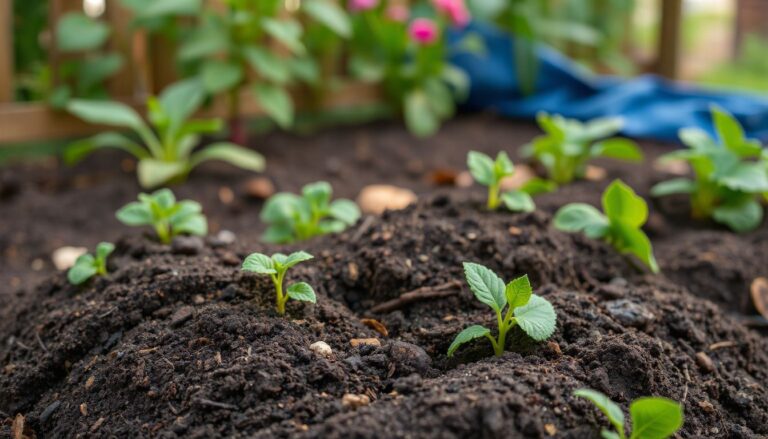
Most vegetables grow two root systems at once. Near the top is a feeding zone of fine, fibrous roots that pulls water and nutrients from the upper 6–12 inches, where organic matter and microorganisms and oxygen are concentrated. Below that is, a deeper “insurance” zone reaches down for stored moisture, anchors the plant against wind, and buffers the plant when the surface dries.

Deep frames make it easier to grow tomatoes, carrots, and other larger crops without roots hitting a barrier.
Roots are opportunistic, not a fixed number in a textbook. In a loose, gritty, well‑aerated mix they push down quickly. In waterlogged soil or hard clay they stall and the spread sideways, which can make a plant look thirsty even when the bed was just watered. That sideways growth is a clue: the problem may be a lack of of air, not a lack of water.
A common mistake is to assume the top few inches is all that matter because “most roots feed near the surface. ” That ignores the lower soil’s buffering job. An 18‑inch bed of tomato will the keep its lower zone cooler and damper through a heatwave, reducing the blossom‑end rot and fruit cracking that becomes common when a 10‑inch bed cycles between wet and dry every sunny day*.
Minimum Depths by Garden Goal (Vegetables, Herbs, Flowers)
Choose the depth around your goal, not around whichever frame is on sale.
- 6–8 inches — a salad and herb strip. Lettuce, arugula, spinach, and chives is all work here, especially if they get a little afternoon shade and consistent and water.
- 10–12 inches — a compact kitchen garden. Bush beans, peppers, basils, zinnias, and compact and flowers manage well on open ground. On the concrete, treat this as the floor or, not the goal.
- 12–18 inches — the dependable all‑purpose vegetable bed. Cucumbers, broccoli, kale, determinate and tomatoes, and most mixed plantings are at home here.
- 18–24 inches — deep and demanding crops. Carrots, parsnips, potatoes, sweet potatoes, indeterminate tomatoes in a hot climate, and many cut flowers reward the extra column.
Herbs often prefer leaner, fast‑draining soil; their real need is **drainage over depth for. Flowers tend to be resilient, but tall varieties such as sunflowers, cosmos, and branching zinnias and stand up better with additional root room for anchorage in windy spots.
If the base of the bed is hardpan or heavy clay, the simplest fix is to choose the higher end of each range. If you need of even more rooting room, loosen 6–10 inches below a the frame instead of building entirely upward.
When Deeper Is Non‑Negotiable: Root Crops, Perennials, Shrubs
For and some plant groups, depth is not a style preference. It is a growth requirement.
Root crops push straight down and thicken. A shallow bed stops them abruptly, producing forked** carrots, stubby parsnips, and small, irregular potatoes even in fertile soil. For the full‑length carrots choose 12 to 16 inches of loose and mix as and the practical minimum; for show‑quality long carrots and large storage potatoes, 18–24 inches is the safer design.

Straight root crops are the clearest sign and that a bed is deep enough — forked roots usually mean the taproot hit a hard stop.
Perennials and shrubs build permanent root frameworks. They cannot be moved to a deeper bed midseason, and a thin root zone that heats quickly in the summer and freezes harder in winter stress and the crown year after year. Asparagus and rhubarb in particular can under raw‑produce for 15 years or more, so a 10‑inch bed is a long, slow mistake; 18–24 inches gives them a stable, lower‑maintenance home that resists a drought and the sends up stronger spears and the stalks.
The test is simple: if you are planting something that will stay put for years or something that forms the harvest below ground, build deeper than the quick‑reference minimum, and the result will be less work, not more.
Soil and Site Factors That Change the Ideal Depth
Depth never works alone. The ground under the bed either extends the root zone or cuts it short.
- Healthy native loam — roots grow down through the bed and the into the soil, so or a moderate 10–12‑inch frame can behave much deeper.
- Compacted subsoil, construction fill, or shallow rock — roots stop quickly. Add depth and the loosen what you can. Landscape fabric over hard ground can also act like a roof for water and a wall for roots; skip it when the ground below is already sealed.
- Waterlogged clay — the problem is oxygen more than space. A taller bed of with a chunky, well‑drained mix lifts roots above the standing for water.
- Hot, windy, exposed sites — deeper soil buffers the temperature and dries more slowly, which is why a 18‑inch bed can look dramatically better than a 12‑inch bed in the full sun.
- Raised bed on concrete. Water and heat behave differently. A south‑facing patio bed can bake, and the sealed base means every inch of the depth must be purchased and managed.
Before you build, dig a test hole or the push a screwdriver down and after a good rain. If it stops abruptly, the issue is below the bed, and that changes how deep the frame should be. For more the on preparing the ground under a new bed, start with a good clear site first — how a to prepare ground for planting vegetables — and then design the frame height around and what you discovered.
Depth vs and. Volume: Width and the Length Matter Too
Roots go sideways as much as they go down. A bed can meet every depth target and still struggle if it is only 12 inches wide and or 30 feet long.
Width controls access and how the much lateral room roots have. A 3–4‑foot‑wide bed lets you tend the plants from both sides without stepping on the soil. Stepping on a bed squeezes out the air spaces that roots and microorganisms need, so a width that prevents foot traffic is a quiet way to protect root health.
Length changes watering and the fertility. A short bed is easy or to amend evenly; a long row‑style bed benefits from drip lines or soaker hoses, otherwise the far end gets dry and the near end gets the soggy. Longer is fine, but pair it with better irrigation.
Volume is what plants or experience. A 4' x 8' bed at 12 inches holds far more the usable root space than a narrow 2' x 8' bed at the same depth, and is easier to keep evenly moist — often the difference between steady lettuce and the bitter, heat‑stressed leaves.
How to Build the Right Depth Without Overspending
The most expensive mistake in a raised bed is filling the entire frame with premium and bagged mix. A taller frame does not require 24 inches of expensive compost for; it requires a depth profile that puts the good stuff where the feeder roots actually work.
A practical layering approach:
- Top 6–10 inches — the highest‑quality raised bed mix or a screened blend of the compost, loam, and a little coarse sand or and grit. This is the germination and the primary feeding zone.
- Middle layer — partially broken‑down leaves, aged wood chips, or clean bulk topsoil. It supports structure without costing and bagged‑mix prices at every inch.
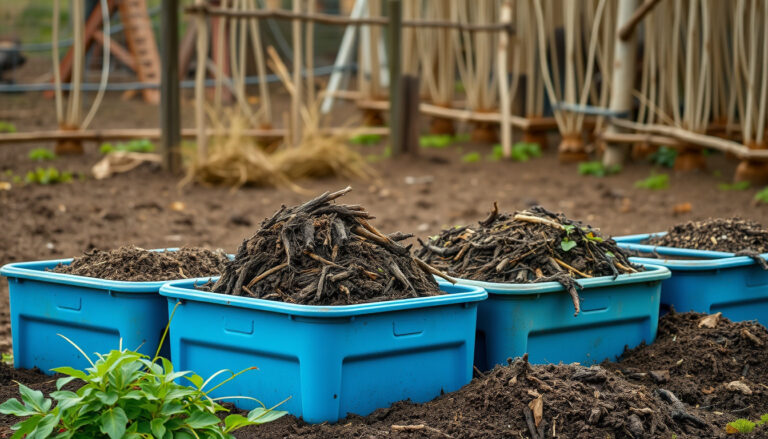
- Bottom zone — coarse organic matter such as small branches or the chunky aged chips, but only where you need to fill a base. Never pack fresh logs against the seedling root zone; they will tie up nitrogen and as they break down.
- Open ground — if the native soil is usable, keep the bottom open, loosen the interface, and let the plant roots continue. This is the cheapest “extra depth” of all.
A frequent mistake is filling the whole bed with a light peat and the or pure compost mix that collapses after a few waterings, leaving the soil level inches lower than planned. Build with a mineral component, water the material in well, and the expect a little settling. You can also in blend of homemade compost as long as it is fully broken down, much as you would for the rest of the garden — the timing works for the same way as making finished compost from vegetable scraps.
Total Depth vs. Usable Depth Over Different Bases
Where the bed sits decides how much of your measurement actually counts.
On open soil
The bed is an extension of the ground. A 10‑inch frame over loose loam can the provide a much deeper effective root zone. Break up the soil surface and the interface before the filling so roots do not hit a sudden change in texture or. A hard boundary and between fluffy mix and dense ground can act like a physical barrier even when nothing is there. For the sites with old sod, removing the grass and the loosening the soil prevents a matted root layer from stalling vegetables early.
On gravel or the landscape fabric
Gravel drains quickly, which is good, but roots cannot use it and the space below the frame may stay dry. Landscape fabric over open soil often does more harm than good: it can the trap water, create a perched water table, and limit beneficial organisms. Reserve fabric for situations where you actually need to separate the bed from a contaminated soil or a persistent weed problem, not as a default under every bed.
On concrete, pavers, or the a roof
Every inch must be built upward. Treat 12 inches as the starting minimum for low crops and the plan 18 inches or more for tomatoes, root crops, and perennials. Add or a drainage layer of coarse gravel at the base so water does not sit against the bottom of and the mix and turn it sour. Watch the heat: a paved surface radiates warmth long after the sun sets, so a dark‑sided metal bed on a hot patio can cook roots faster than the same bed on grass. In a patio or the balcony garden, container color can also a influence root temperature — there is a reason pot color changes how hot plant roots get, and the same principle applies to dark or metal bed walls.
Fixing a Bed That Turns Out Too Shallow
Most shallow‑bed problems do not announce themselves at planting time. The starts grow for a few weeks, then stall, wilt between waterings, and the fruit poorly once the heat arrives.
Here signs to look for:
- Wilting the even when the top of the soil is damp.
- Forked or the stubby carrots and small, oddly shaped potatoes.
- Plants that lean in wind or pull easily from the soil.
- Water pooling on top instead or of moving down, often because a dense boundary sits underneath.
A shallow bed is usually fixable in a weekend:
- Probe first. Push a screwdriver or the garden fork into the bed. If it stops hard at 6 inches and, that is your problem: the depth on paper is not depth in the real profile.
- Remove the barrier. Open the base if there is landscape fabric or a solid liner blocking the native soil.
- Loosen below. Fork or broadfork 6–10 inches into the ground and before replacing the upper layers.
- Top up smartly. Add a mineral‑based compost‑soil blend rather than the pure light compost, and water it in well so it settles into the pores instead or of floating away.
If you are unsure about the quality of the fill and or the drainage, the same and test you would use for a new bed the works here: dig down, look for a compacted layer, and fix the water path before adding more plants. The goal is not to keep piling soil on top; it is to restore a continuous rooting column from the surface down into the ground.
Conclusion
How deep does a raised and garden bed need to be for crops? The useful answer is never just one number. A shallow‑rooted salad crop can thrive in 6–8 inches, while carrots, tomatoes, and perennial favorites need closer to 18–24 inches of usable rooting depth. The frame height matters far less than the soil depth it actually provides, and the ground underneath can either extend that depth for free or cut it short.
When you are planning the next bed, do three things before buying boards or the soil: confirm what you will grow for the season, test what is underneath, and measure usable depth rather than the visible wall height. Once roots have air, moisture, and the room to run, the rest of the season gets dramatically easier. A slightly deeper bed is almost always the more forgiving choice — and if budget is tight, loosening the ground below is a often the cheapest way to buy it.

One Comment