What Do You Do With Compost: 9 Practical Ways to Use It
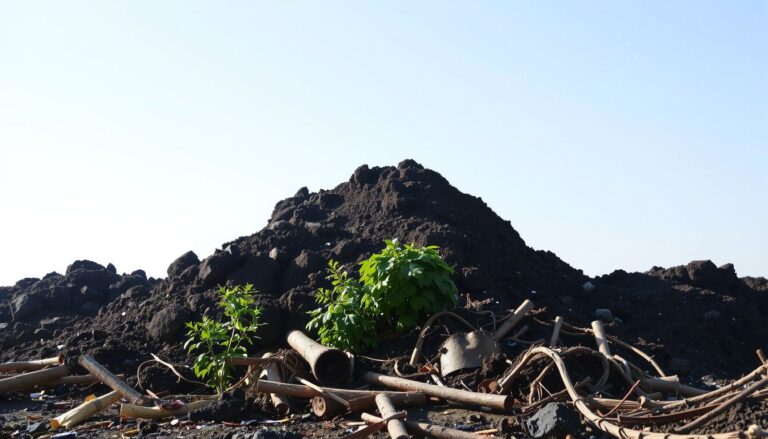
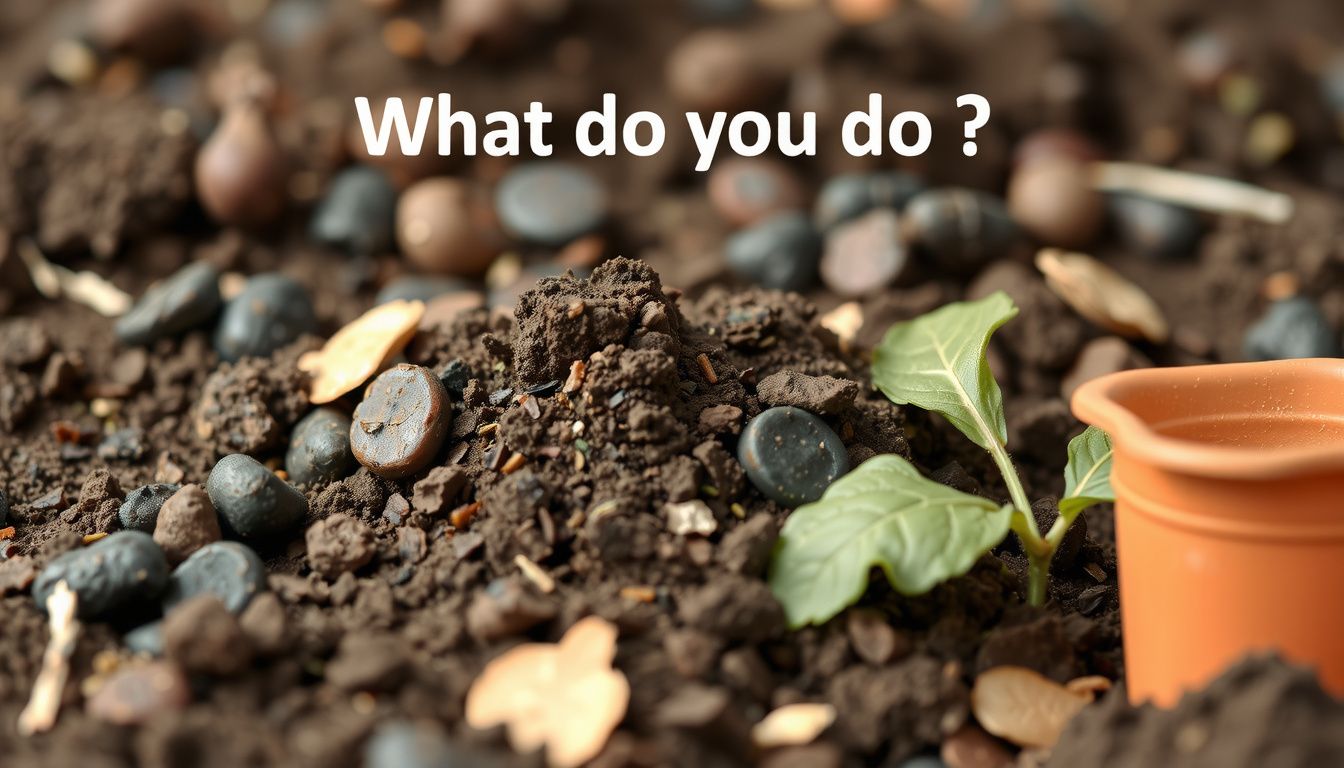
Finished compost is that dark, crumbly, earthy-smelling material that signals your kitchen scraps and yard waste have finally transformed into something valuable. But once it's ready, many gardeners pause and wonder: what exactly do I do with it now?
The short answer: compost is a versatile soil amendment, not a fertilizer or potting mix substitute. Used correctly, it improves soil structure, boosts moisture retention, feeds beneficial microbes, and slowly releases nutrients that plants actually use. Whether you have a sprawling vegetable garden, a modest lawn, or a few houseplants on a windowsill, there's a practical use for every bit of finished compost you produce. You can also read our guide on how deep does a raised garden bed need to be.
Below are nine proven ways to put compost to work, along with guidance on how much to use and when to skip it entirely.
How to Know Your Compost Is Ready
Before applying anything to your garden, confirm your compost is fully mature. Using unfinished compost can steal nitrogen from your soil as it continues to decompose, leaving your plants hungry instead of nourished.
A mature pile shows these signs:
- Smell: Earthy and mild, with no ammonia, sulfur, or rotting odor
- Texture: Crumbly and loose, not slimy or clumping into wet balls
- Color: Deep brown to nearly black, with no recognizable food scraps
- Temperature: Cool to the touch, even after turning
Try the simple bag test: seal a handful of compost in a plastic bag for 24 hours. When you open it, it should smell fresh and earthy—anything sour or swampy means it needs more time to cure. For further reading, see epa.gov.
Another practical method is the seed germination test. Plant a few radish or bean seeds in a small pot of your compost. If they sprout and grow normally, your compost is ready. Poor germination suggests the pile hasn't finished breaking down.
9 Practical Ways to Use Finished Compost
1. Top-Dress Garden Beds
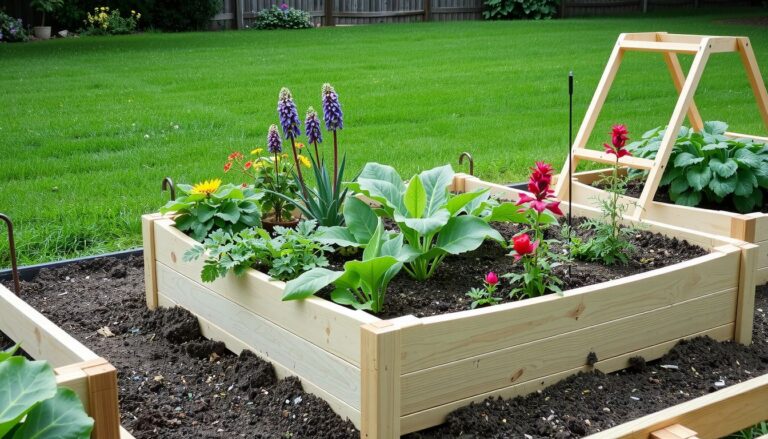
The easiest and most effective way to use compost is as a surface dressing. Spread 1–2 inches of finished compost over established garden beds in spring or fall, and let earthworms, rainfall, and soil organisms work it downward naturally.
This approach protects the soil surface, slowly feeds your plants, and builds organic matter without disturbing healthy soil structure. Avoid digging compost deeply into established beds—research from university extension services consistently shows that surface application benefits soil biology more than aggressive tilling.
For vegetable beds you're preparing to plant, you can mix compost into the top 4–6 inches of soil. But keep it gentle. Over-tilling breaks down soil aggregates and disrupts the fungal networks that help plants access nutrients.
2. Mix Compost Into New Planting Holes
When planting trees, shrubs, perennials, or vegetable transplants, mixing a handful of compost into the backfill soil gives young plants a steady start.
For each planting hole, blend about one part finished compost with three parts of the native soil you dug out. This ratio provides slow-release nutrition without creating a "bathtub" effect where water collects around roots.
Keep compost from directly touching the plant's root ball or crown. A buffer zone of regular soil prevents rot and allows roots to grow outward naturally as they seek nutrients.
3. Use Compost as Mulch
Compost makes an excellent mulch that both feeds the soil and suppresses weeds. Unlike wood chips or bark, compost breaks down relatively quickly, delivering nutrients and improving soil texture as it goes.
Apply a 1–3 inch layer of coarse, unscreened compost around established plants, keeping it a few inches away from stems and trunks. This technique helps retain soil moisture, moderates soil temperature, and prevents erosion on sloped ground.
For perennial beds, a compost mulch in early spring gives plants a slow-release boost just as they begin their main growth phase. Refresh with a thin ½-inch layer in mid-summer if the original dressing has broken down completely.

A 2-inch layer of compost spread across a garden bed works as both mulch and slow-release nutrition.
4. Amend Container Planting Mixes
Potted plants thrive with a portion of compost blended into their potting mix. But compost alone is too dense and moisture-retentive for most containers—it can waterlog roots and smother them.
For best results, mix finished compost into your regular potting mix at a ratio of 10–30% by volume. Two parts commercial potting mix to one part screened compost works well for most vegetables and flowering annuals.
Screening your compost before adding it to containers removes larger woody bits and creates a finer, more uniform texture. This prevents the chunky pieces from creating air pockets or clogging drainage holes in the bottom of pots.
5. Top-Dress Lawns
A thin layer of compost across your lawn—called topdressing—improves grass health, strengthens root systems, and helps the lawn better handle drought and foot traffic.
Apply ¼–½ inch of screened compost evenly over the grass in early spring or early fall when grass is actively growing. Use a shovel-and-rake method, a compost spreader, or a wide landscape rake for consistent coverage. Always water afterward to help the compost settle down into the grass canopy.
For the best results, aerate your lawn first. Core aeration pulls small plugs of soil out, creating channels for compost to work into the root zone. After aerating a 1,000-square-foot lawn, you'll need roughly 8–12 cubic feet of screened compost to achieve a full topdressing.
6. Feed Trees and Shrubs
Trees and shrubs benefit when you apply compost in a wide ring around the root zone, not piled against the trunk. The feeder roots that absorb water and nutrients spread out well beyond the tree's canopy, so concentrate your compost there.
Spread ½–1 inch of compost starting about 6 inches from the trunk, extending outward to the drip line—the area where water falls off the outermost branches. Then cover with 2–4 inches of organic mulch like wood chips or shredded bark.
This "compost ring" technique supports steady nutrient cycling, boosts soil moisture retention, and encourages beneficial mycorrhizal fungi that help tree roots absorb nutrients. Avoid the "volcano" style of piling mulch up against the trunk, which promotes rot and disease.
7. Boost Houseplants
Indoor plants respond well to modest compost additions, but with a lighter hand than garden beds. Container plants grow in confined spaces where any amendment quickly becomes a large percentage of the total root zone.
Mix 10–20% screened compost into fresh potting mix when repotting your houseplants, or apply a thin ¼-inch topdressing to established pots and water it through. The compost provides trace minerals and beneficial microbes that help indoor plants stay vibrant.
Always screen indoor compost to remove any visible bits of unfinished material, which can attract fungus gnats. And avoid using compost as a complete potting medium—it compacts easily in containers and can stay too wet indoors.
8. Brew Compost Tea for a Liquid Boost
Compost tea—a liquid extract made by steeping finished compost in water—delivers a quick dose of soluble nutrients and beneficial microorganisms directly to plant foliage and soil.
To make it, place a shovel of finished compost in a burlap sack or old pillowcase, suspend it in a bucket of dechlorinated water, and steep for 24–48 hours, stirring occasionally. Strain the liquid and apply it to your garden with a watering can or sprayer.
Compost tea works best as a supplement, not a replacement for regular compost applications. It provides a short-term boost for seedling establishment, stressed plants, or container growers who can't apply large amounts of solid compost. Use it within a few hours of brewing for peak microbial activity.
9. Store, Bag, and Share Extra Compost
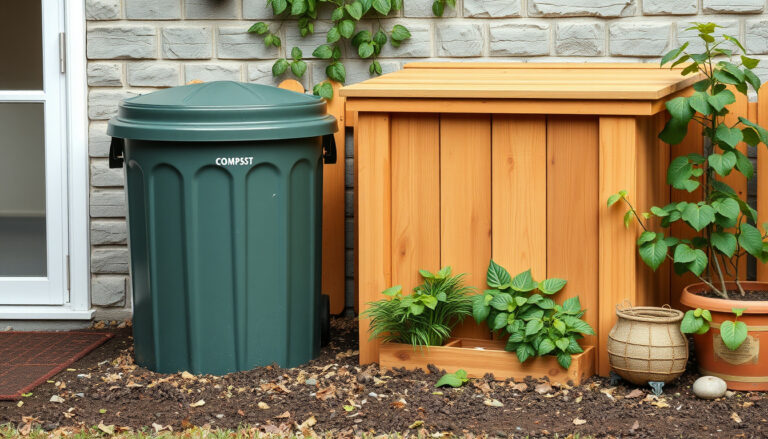
Finished compost doesn't spoil like food, but it needs proper storage to maintain its quality. If left exposed, rain leaches soluble nutrients, heat dries it to dust, and weeds can establish themselves in the rich material.
For short-term storage, keep compost in a covered bin, lidded tote, or a shaded pile under a breathable tarp. The ideal moisture level is like a wrung-out sponge: damp enough to support microbial activity, but not so wet that it goes anaerobic and smells sour.
Sharing extra compost with neighbors, community gardens, or local plant swaps solves your surplus and builds goodwill. Label your bags with the basic feedstocks used and roughly how long the pile cured. Most gardeners will happily take finished compost off your hands.
How Much Compost to Use and How Often
Compost is a soil builder, not a quick-release fertilizer. A consistent, moderate application outperforms occasional, heavy applications every time.
| Application Area | Recommended Amount | Frequency |
|---|---|---|
| New garden beds | 2 inches mixed into top 6–8 inches | Once before planting |
| Established beds | 1–2 inches as topdressing | Once per season |
| Containers | 10–30% blended into potting mix | Each time you repot |
| Lawns | ¼–½ inch screened compost | Spring and/or fall |
| Trees and shrubs | ½–1 inch under the drip line | Once per year |
| Houseplants | 10–20% of mix or thin topdress | At repotting or quarterly |
Heavy-feeding vegetables like tomatoes, squash, and brassicas may benefit from a midseason ½-inch side-dressing around the base of the plants. Just keep compost a few inches away from the main stem.
When Not to Use Compost
Compost isn't the right answer for every situation. Here are the key times to set it aside:
Acid-loving plants. Blueberries, azaleas, rhododendrons, and camellias prefer acidic soil. Compost is often neutral to slightly alkaline, which can raise soil pH and stress these plants. Use pine bark fines, pine needles, or peat-based mulch instead.
Seed starting. Delicate seedlings need sterile, fine-grained, low-nutrient media. Compost introduces microbes and particles that can cause damping-off disease or reduce germination rates. Stick with a purpose-made seed-starting mix for trays and plugs.
Known contamination. If your compost came from weed seeds that didn't break down, diseased plant material, or persistent herbicide residues, don't spread it on garden beds you value. When sourcing compost from unknown origins, ask about feedstocks and perform a simple bioassay—grow beans in a small sample and watch for distorted growth.
Drainage-challenged pots. In containers with poor drainage, compost only makes the problem worse. Add perlite or pumice for aeration instead, and use compost sparingly at 10% or less.

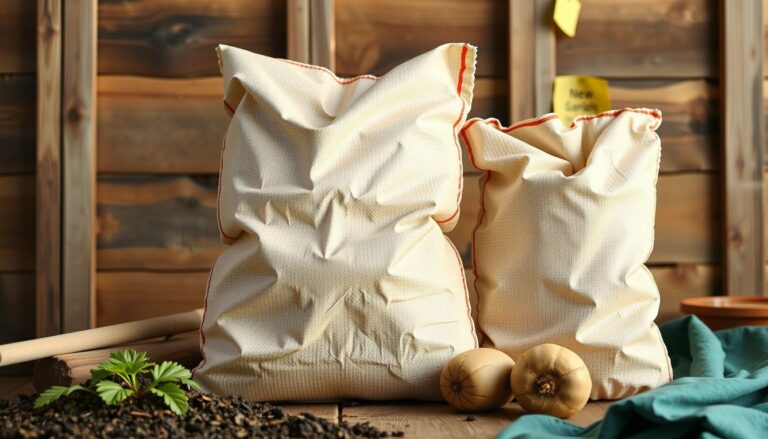
Finished compost can be stored in breathable bags or bins for later use in garden beds and potting mixes.
Common Compost Mistakes to Avoid
Even experienced gardeners occasionally slip up when using compost. Avoid these frequent errors:
Piling compost against stems or trunks. Compost holds moisture, which promotes rot, fungal disease, and pest pressure when it contacts live plant tissue. Always leave a gap of at least a few inches.
Leaving compost exposed to the elements. A thin layer of compost dries out quickly and forms a crust that sheds water. Rake it lightly into the soil surface or cover it with a layer of organic mulch.
Expecting compost to replace fertilizer. Compost improves soil biology and provides some nutrients, but heavy-feeding crops may still need targeted fertilization based on soil test results.
Applying unevenly. Thick clumps create water-shedding spots, while thin patches get no benefit. Screen coarse compost for topdressing and rake it evenly for consistent coverage.
Frequently Asked Questions
Can I use compost as potting soil?
No. Compost is too dense and moisture-retentive to work alone in containers. Blend it at 10–30% by volume with a quality potting mix for best results.
How long does compost continue to release nutrients?
Finished compost releases nutrients slowly over 1–3 years, depending on soil temperature, moisture, and biological activity. It's best treated as a long-term soil builder, not an immediate nutrient source.
Can I put compost on top of the soil without mixing?
Yes. Topdressing is actually the preferred method for established beds. Earthworms and rainfall work the compost into the soil naturally without disturbing structure.
Is compost safe for vegetable gardens?
Fully finished, properly cured compost is safe and beneficial for vegetable gardens. Avoid using raw manure or unfinished compost near edible crops, as these can harbor pathogens.
How often should I add compost to my garden?
Most gardens benefit from an annual application of 1–2 inches. Vegetable beds that are intensively cropped can handle a spring and fall application.
Does compost attract pests?
Properly finished compost has an earthy smell that doesn't attract flies or rodents. Unfinished piles with food scraps can draw pests, which is another reason to wait until compost is fully mature.
Conclusion
Finished compost is one of the most versatile tools in any garden—it builds soil, feeds plants, retains moisture, and improves texture with a single application. The 9 strategies above cover everything from topdressing beds to brewing tea, giving you practical options no matter the size or style of your growing space.
The key takeaway: treat compost as a long-term soil investment, not a quick fix. Use moderate amounts consistently, keep it away from plant stems and crowns, and let soil biology do the work of delivering the benefits.
This week, pick one area to improve—a tired garden bed, a thirsty lawn patch, or a houseplant that's looking sad—and apply a modest layer of finished compost. Note the condition before and after, then adjust your approach next season. You'll see the difference compost makes, one handful at a time.