San Diego’s Best Fishing Spots: Where to Go 2026
If you’ve ever typed “Where is the best place to fish in San Diego?” into a search bar, you know the answers are all over the map. Some people swear by La Jolla. Others point to a quiet freshwater reservoir.
A few just say “anywhere there’s water.” The truth is that the best spot depends on you and your gear.
As of 2026, San Diego County offers roughly 70 miles of coastline plus more than a dozen public piers and several inland reservoirs. That variety is a blessing, but it makes a single “best” answer impossible. Instead of chasing a one-size-fits-all pick, you need a simple decision tree.
We’ll show you how to match your setup and target species to the right location on your very first trip.
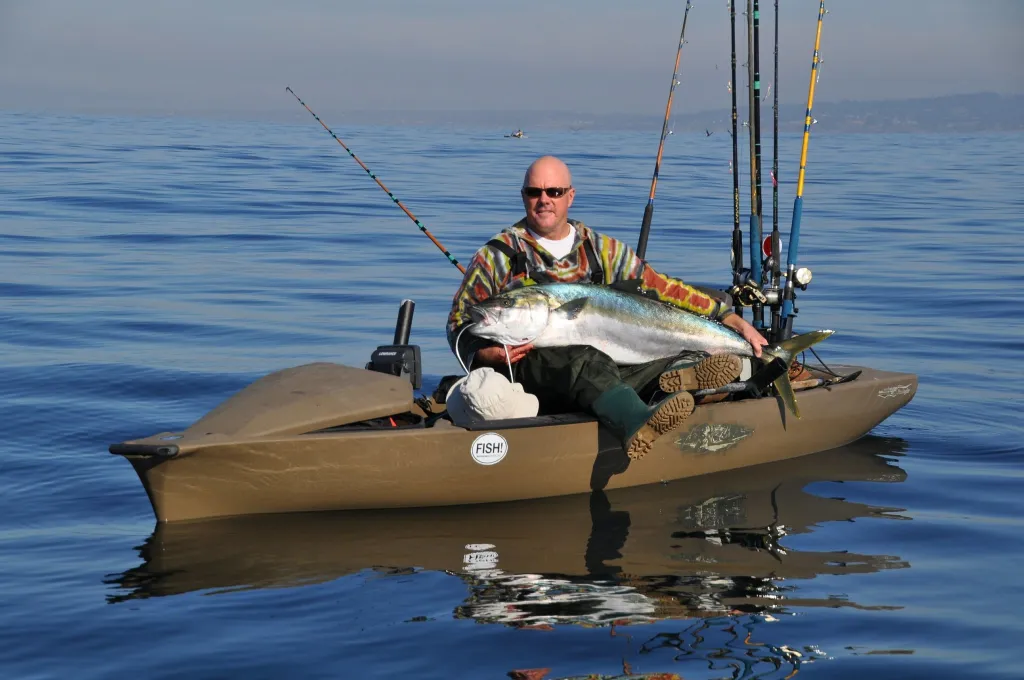
Image source: Bing (Web (fair-use with source credit))
Quick Answer
The best place to fish in San Diego depends on your setup and target species. For most anglers, the answer is a public pier. Ocean Beach and Shelter Island work well.
For serious offshore fishing, book a half-day party boat. No single spot beats all others.
Why “Best Place” Is the Wrong Question for San Diego Fishing
The phrase “best place” sounds simple, but it hides a lot of variables. A family casting off a pier wants calm water and easy parking. A kayak angler wants kelp structure and maybe a shot at yellowtail.
A surfcaster just wants a stretch of sand with a decent trough. Those are three different trips.
What works for one person will waste another’s day. If you want halibut, you need sandy flats near the surf line. If you want calico bass, you target rocky structure or kelp.
If you want stocked trout, you drive to a reservoir like Lake Murray. The question is not “Where is best?” but “What do you want to catch, and where can you reach it from?”
That’s where the conditions come in. Before you pick a spot, check the current regulations from the California Department of Fish and Wildlife. They change seasonally.
Also, remember that a quality reel makes a big difference for bass fishing, so don’t skimp on the gear that actually touches the water.
The Two Variables That Decide Everything: Target Species and Setup
Once you stop looking for a universal answer, everything gets clearer. Two variables narrow down the entire county for you: target species and fishing setup.
Your setup is the physical way you’re casting. It could be a public pier, a stretch of surf, a kayak, a private boat, or a freshwater reservoir. Each one puts you near different fish.
Your target species picks the exact spot within that setup.
Here’s a quick reference for how San Diego breaks down:
| Setup | Best For | Typical Species |
|---|---|---|
| Public pier | Families, beginners, no-license outings | Surfperch, mackerel, bonito |
| Surf shore | Active anglers who like walking the beach | Barred surfperch, spotfin croaker, halibut |
| Kayak | Independent paddlers with some skills | Calico bass, halibut, seasonal yellowtail |
| Private boat | Serious offshore anglers | Yellowtail, bluefin tuna, rockfish |
| Freshwater reservoir | Largemouth bass and trout fans | Largemouth, trout, bluegill |
If you’re just starting out, this table is your shortcut. A family on a pier is not looking for tuna. An angler on a kayak is not going to drive to a glassy reservoir.
Pick one setup, then dive into that branch below.
If you’re thinking about buying a boat, you’ll want to learn the basics of handling a pontoon before you go. That knowledge saves you from crowded launch ramp headaches.
Decision Branch 1: Pier Fishing (No License Needed)
If you want the easiest possible day on the water, choose a public pier. You don’t need a California fishing license at any of the state’s public piers. That alone makes them a top answer for tourists and families.
Just bring a rod, some bait, and a bag of patience.
San Diego has several good piers, but three stand out.
Shelter Island Pier is a sheltered spot near a bait shop, so it’s ideal if you forget your gear. Ocean Beach Pier is the longest pier in the city and offers the most variety, though it gets crowded on weekends. Crystal Pier in Pacific Beach is family-friendly and sits right over sandy bottom, which keeps kids entertained with surfperch and small mackerel.

Image source: Bing (Web (fair-use with source credit))
Most pier time is slow and steady. You’ll catch mackerel, surfperch, and bonito. If you’re lucky, a halibut will cruise through.
Use a drop shot with squid or anchovies. Check the tide: an hour before or after high tide usually produces more bites.
If you keep your catch, smoking your catch adds a nice dinner option for the night. The pier is also a great place to practice casting before you try more challenging spots.
Decision Branch 2: Surf Fishing Along the Silver Strand and North County
If you prefer standing in the surf with your feet in the water, surf fishing is your branch. It works best for barred surfperch, spotfin croaker, and corbina. Occasionally, a legal halibut will sit in the trough right behind a sandbar.
The Silver Strand State Beach is a long, flat stretch that holds fish most of the year. Imperial Beach is another option, but always check for sewage spill advisories after rain. North County anglers can work the outer jetty at Oceanside Harbor, which gives you both sand and rocks for structure.
The fishing is best during the first two hours after sunrise and the last two hours before sunset. An incoming tide pushes baitfish closer to shore, so plan your trip around those windows. Check tide predictions from NOAA, because a 5-foot swell turns a calm surf into a washing machine.
Use a Carolina rig with sand crabs or bloodworms on a medium-weight rod. Cast past the first wave break and let it settle. Keep your line tight and watch for subtle bites, perch are small and quick.
You’ll need a standard California fishing license for surf fishing. Pier rules don’t apply here, so grab your license before you hit the sand.
Decision Branch 3: Kayak Fishing in La Jolla Kelp Beds and Mission Bay
Kayak fishing is a middle ground between shore and boat. You get the independence of paddling your own craft, plus access to water that surfcasters can’t reach. La Jolla is the most famous spot in the county for this, and for good reason.
The La Jolla kelp beds hold calico bass, halibut, and occasional yellowtail. In summer, even bluefin tuna have shown up within a few miles of the launch. Mission Bay is the opposite vibe: flat water, protected channels, and plenty of spotties and sand bass.
It’s a better choice for beginners or anyone who dislikes ocean swells.
You can launch a kayak at La Jolla Shores or use Mission Bay’s designated launch points. Pay attention to the marine reserve boundaries near La Jolla. Fishing inside the reserve is prohibited and heavily enforced.
Stay outside the bull kelp line and target the edges.
Safety is non-negotiable here. Wear a PFD, carry a VHF radio or whistle, and check wind forecasts. The ocean can go from glassy to bumpy in an hour.
If you’re on a kayak, you’re sitting low, so a 15-knot wind can make the return trip miserable.
Owning a kayak is simple, but regular maintenance still matters. If you ever graduate to a larger boat, cleaning your boat after a saltwater trip keeps the hardware working. For aluminum hulls, the right paint and hull maintenance prevents corrosion for years.
The photo at the top of this article shows exactly what La Jolla kayak fishing looks like on a good day. That’s the payoff when the variables line up.
Decision Branch 4: Boat Fishing from San Diego Bay to the Coronado Islands
If you have access to a boat, your options expand dramatically. Private boats can run to San Diego Bay, the Nine Mile Bank, or the Coronado Islands. Full-day and overnight party boats leave daily from Point Loma and Shelter Island.
San Diego Bay itself holds spotted bay bass, sand bass, and halibut around the bridge pilings. The calm water makes it a safe place to learn boat fishing. If you want yellowtail and tuna, run south to the Coronado Islands.
That’s Mexican water, so bring a Mexican fishing license. The bite peaks from June through October.
Party boats are the easiest middle ground. Half-day trips cost $80 to $250 and include bait, tackle, and a crew that knows the local marks. They’ll put you on rockfish, calico bass, and occasional yellowtail.
No boat ownership required.
If you’re launching your own skiff, go early. Weekends pack the ramps by 7 a.m., and the good parking disappears fast. Check marine forecasts before you go.
Ocean conditions change quicker than most expect.
Decision Branch 5: Freshwater Reservoirs Like Lake Murray and San Vicente
Freshwater reservoirs offer a quiet break from the Pacific. Lake Murray sits close to downtown and gets stocked with trout during the cooler months. San Vicente is the big bass fishery, with a reputation for double-digit largemouths.
Barrett Lake is the most exclusive, requiring a reservation and entry lottery.
Each reservoir follows its own rules. Some allow private boats, while others only rent them out. A California fishing license is always required.
Some lakes also need an extra reservation pass. Check the San Diego County Parks and Recreation page before heading out.
For bass, throw swimbaits or drop-shot rigs along submerged structure. For trout, use a sliding sinker with PowerBait or nightcrawlers. The calm water makes these lakes perfect for beginners and kayak paddlers who want zero current.
The Marine Protected Area Trap: Where You Can’t Fish Without a Ticket
San Diego has several Marine Protected Areas, or MPAs. These no-take zones cover a big slice of the local coastline. Fishing is illegal inside them, and the fines are steep.
The biggest trap for visitors is the La Jolla reserve. It looks fishy, with kelp beds and deep water right off the cliffs. But it’s fully protected.
Boundaries are marked on shore, but first-timers still drift inside by accident.
Your best move is to check the CDFW MPA map before you launch. Learn the exact boundary for your spot. If you’re in a kayak, stay well outside the bull kelp line.
If you’re on the beach, don’t cast into the reserve.
Penalties vary, but expect a costly citation and possible gear confiscation. It’s not worth the risk.
Mistakes That Cost Anglers Time, Fish, and Money
The most common mistake is fishing the wrong tide. Bites slow during slack water, then turn on again when the current moves. Ignoring local bag limits is another trap.
Always check the latest CDFW regs before you go.
Gear failure is quietly expensive. Old line snaps on a big fish. Hooks rust and lose their point.
A quick pre-trip check takes five minutes but saves you a lost trophy.
Parking is a constant headache at popular spots. Ocean Beach and La Jolla fill up by mid-morning. Arrive early or carry a backup plan.
Finally, don’t ignore the wind. A clear sky can still bring gusts that turn a kayak paddle into a workout. Check the marine forecast before you launch.
The 30-Second Decision Guide: Matching Your Situation to the Right Spot
Here’s a quick way to narrow down the whole county. Answer these questions in order, then pick your spot.
Do you have a California fishing license? No, and don’t want one? Choose a public pier.
Do you want to stand in the surf? Head to Silver Strand or Oceanside.
Are you comfortable on a kayak in open water? La Jolla and Mission Bay become your options. Do you own a boat?
Run to San Vicente for bass or stay in the bay for spotties. Want to chase tuna? Book a party boat.
Every choice has a cost and a gear list. Match your license status, your setup, and your energy level, and you’ll find a good day. The best place to fish in San Diego is simply the one that fits your situation.
What to Check Before You Go (Tides, Closures, Parking, and Costs)
A quick pre-trip checklist saves you from a wasted morning. Start with the tides. Most San Diego species bite best during moving water, so target the two hours around high tide or low tide.
Slack water slows everything down.
Next, check the local closures. Sewage spills and red tides can shut down beaches for days. The County of San Diego posts health advisories online.
Also verify MPA boundaries, since they shift along the coast.
Parking is the hidden headache. Ocean Beach Pier, La Jolla Shores, and Shelter Island all fill up early on weekends. Arrive before 7 a.m. or have a backup spot.
Metered lots accept cards and mobile payments.
Costs add up faster than you’d expect. A resident license runs about $60 plus a $6 ocean enhancement validation. Non-residents pay more.
Add parking fees, bait, and tackle, and a simple outing lands around $50 to $120 per person.
| Item | Typical Cost |
|---|---|
| Annual California license | $60–$65 |
| Ocean Enhancement Validation | $6 |
| Pier fishing (no license) | $0 |
| Bait and tackle | $15–$40 |
| Half-day party boat | $80–$250 |
| Kayak rental | $40–$80 per day |
If you’re driving from inland, factor in fuel and bridge tolls. It rarely breaks the budget, but it’s smart to know before you go.
Final Verdict: The Safest Bet for Most Anglers Visiting San Diego
The safest bet for most anglers is a public pier. Ocean Beach Pier or Shelter Island Pier gives you free access, no license hassle, and consistent action. You’ll catch mackerel, surfperch, and maybe a halibut without needing a boat or advanced skills.
If you want a more active day, try surf fishing at Silver Strand. It’s a short walk from the parking lot, and the perch bite reliably year-round. For something more ambitious, book a half-day party boat.
You’ll cover more water and learn from the crew.
The “best” place in San Diego truly depends on your situation. Match your setup to your target species, and you’ll find a spot that works. Use the decision guide above and check the conditions before you leave.
That’s the real secret.
Frequently Asked Questions
Do I need a fishing license to fish from a pier in San Diego?
No. Public piers in California do not require a fishing license. That includes Ocean Beach Pier, Shelter Island Pier, and Crystal Pier.
You still need to follow size and bag limits.
What fish can I catch from shore in San Diego?
From piers and surf, you’ll commonly catch barred surfperch, spotfin croaker, mackerel, and young halibut. Kayak and boat anglers target calico bass, yellowtail, and tuna.
When is the best time of year to fish in San Diego?
Fishing works year-round. Summer brings yellowtail and tuna close to shore. Winter offers rockfish and white seabass.
Spring and fall deliver steady action for bass and surfperch.
Can tourists fish in San Diego without a license?
Tourists need a California fishing license for any fishing except public piers. A one-day license costs around $17. Multi-day options and annual passes are also available through CDFW.
Are there any fishing spots closed to the public in San Diego?
Yes. Marine Protected Areas, like the La Jolla reserve, are off-limits to fishing. Some reservoir shorelines may also restrict access.
Always check local signs and CDFW maps before you start.