Best Spots to Take Kids Fishing in San Diego 2026
Where to take kids fishing in San Diego? If you’ve ever asked that and got back a list of surf beaches, you already know the problem. Big waves, heavy surf, and impatient little legs don’t mix.
The real answer isn’t one spot. It’s a process.
California makes this easier than most states. Kids under 16 don’t need a fishing license, and public ocean piers let everyone fish without one, per the California Department of Fish and Wildlife. That removes two big barriers for a family outing.
Let’s work through the conditions that matter.

Image source: Web (Bing) / gettyimagesbank.com (Web image (fair-use with source credit))
The Real Problem: Why “Fishing in San Diego” Doesn’t Work for Kids as a Simple Search
Search for “where to take kids fishing in San Diego?” and you’ll get lists of piers, beaches, and deltas with no context. Most of those lists are written for adults. They assume you can handle long waits, heavy surf, and rocky jetties.
Kids don’t work that way. A 5-year-old needs action within minutes. They need flat ground, close parking, and a restroom within sprinting distance.
A rock jetty at Sunset Cliffs looks scenic, but one slip on barnacles ends the trip.
The real issue is that San Diego offers three completely different water types: inland lakes, protected bays, and open-ocean piers. Each one suits a different kind of kid on a different kind of day. You have to filter by conditions before you choose a spot.
The Quick Answer: Three Types of Water, Three Levels of Kids
The best bet for most families is a stocked lake like Santee Lakes. For saltwater without a boat, pick a calm bay or harbor. For zero license hassle, use a public pier.
Match the venue to your kid’s age and attention span. Lakes offer fast action, piers offer ocean species, and bays offer protected water.
Think of three levels of kids: the little one who needs instant action, the grade-schooler who needs frequent bites, and the older kid who can handle a slow stretch. Here’s how the three water types stack up.
| Water type | Best for | Kid-friendly factor | License note |
|---|---|---|---|
| Stocked lakes (Santee Lakes, Lake Murray, Lake Poway) | Toddlers, first-timers, ages 5-8 | Calm water, fast bites, nearby bait shops and restrooms | Adults 16+ need a California freshwater license |
| Bays and harbors (Mission Bay, Shelter Island, San Diego Bay) | Ages 6-12, windy days on the coast | Protected water, easy shore access, less surf | Adults 16+ need a California sport license for shore fishing |
| Public ocean piers (Ocean Beach, Shelter Island, Crystal, Oceanside, Imperial Beach) | Ages 8+, families who want ocean fishing | No license required, bait stands onsite, railings help keep kids safe | No license needed for anyone fishing from the pier |
As of 2026, these rules haven’t shifted much. Piers remain the easiest no-license option.
Condition Variable 1: Your Kid’s Age and Attention Span
Age and attention span drive every choice in this article. The younger the kid, the shorter the trip needs to be, and the more stocked the water should be.
- Toddlers (ages 2-4): You have about 15 good minutes. Pick a stocked lake like Chollas Lake, where fishing is restricted to kids 15 and under. The water is calm, the dock is low, and the other anglers are all families. Bring snacks and leave before the meltdown.
- Ages 5-8: You have 30-45 minutes of real interest. They can cast a spincast rod with help, but they need bites fast. Santee Lakes or Lake Murray are ideal because trout and catfish are stocked regularly.
- Ages 9-12: They can handle an hour or more. This is the sweet spot for pier fishing. Ocean Beach Pier and Shelter Island Pier offer constant action from mackerel, perch, and occasionally bonito.
- Teens: They can wait longer and cast farther. Bays and piers work, but so do the shorelines of Mission Bay when the tide is moving.
If you’re stuck between two age bands, pick the cheaper and easier venue. A slow day at a pier is still a better story than a frustrating hour at a lake.
Condition Variable 2: Your Gear and Experience Level
Your gear doesn’t need to be fancy. It needs to be small enough for a child to handle.
A 5-6 foot spincast combo with 6-10 lb test line covers every venue in this article. Kids lack the wrist strength for a baitcaster, so skip anything complicated. A simple bobber and a size 6 hook will outfish 90% of adult setups.
For adults who already enjoy bass fishing, the same setup you use for trout will work fine. The right reel makes a huge difference when teaching a child to cast cleanly without tangles.
If you’re a beginner parent, choose a venue that removes friction. Santee Lakes has a tackle shop on site and rents rods. That means you don’t need to own a single piece of gear to make this work.
If you already own a boat, the calculus changes. Mission Bay and San Diego Bay offer protected water and easy launches. Family-friendly boats like pontoon rentals turn a slow morning into an adventure.
Just practice handling a first launch before you have children aboard.
Condition Variable 3: Time of Year and Time of Day
Timing is the difference between a hero day and a short meltdown.
Go early. Bites are strongest between sunrise and 10 a.m. On the coast, the marine layer keeps things cool in the morning, then the wind builds by afternoon.
Wind makes casting miserable for small kids.
| Season | Where to go | What bites |
|---|---|---|
| Winter and spring | Stocked lakes (Lake Murray, Lake Miramar, Lake Poway, Santee Lakes) | Rainbow trout, bluegill |
| Summer | Piers, Mission Bay, lakes early | Mackerel, bonito, catfish, bass |
| Fall | Ocean piers (Ocean Beach, Shelter Island, Oceanside) | Mackerel, barred surfperch, opaleye |
For piers and bays, check tides before you leave. The two hours around high tide usually fish best. We use NOAA tide predictions to plan.
A rising tide pushes baitfish toward structure, and predators follow.
If you keep a few mackerel for dinner, they’re perfect on a grill. Smoking your catch is another easy route for families who want to extend the adventure into the kitchen.
Decision Branch 1: Best Lakes for Kids (Fast Action, Low Stress)
Stocked lakes are the closest thing to a guaranteed hit for young anglers. With regular trout and catfish stocking, the fish are there. The water is still, which means casting is easier for little wrists.
Santee Lakes is the top pick for most families. It has a tackle shop, rod rentals, restrooms, and picnic grounds. Lake Murray is a close second with free parking and wide grassy banks.
Lake Poway and Dixon Lake, up in North County, are stocked with rainbow trout from winter through spring.
Chollas Lake is the secret weapon. Fishing is restricted to kids 15 and under, so no adults crowd the shoreline. A young child gets to fish, and the parents just supervise.
It’s free, it’s calm, and it’s designed for exactly this scenario.
| Lake | Location | Best for | Fees | Bonus |
|---|---|---|---|---|
| Santee Lakes | Santee | Ages 4-8, first-timers | Entry fee per vehicle | Rod rentals, bait shop, playground |
| Lake Murray | La Mesa | Ages 6-10, picnic family trips | Free entry, paid use areas | Wide grassy shore, easy parking |
| Chollas Lake | Mid-City | Ages 2-8 | Free | Kids-only fishing |
| Lake Poway | Poway | Ages 8+, beginners | Entry fee per vehicle | Trout stocked, clear water |
| Dixon Lake | Escondido | Ages 8+, patient kids | Entry fee per vehicle | Quiet coves, shaded spots |
If you’ve never taken a child fishing, start with Santee Lakes. If your kid is under 6 and prone to wandering, pick Chollas Lake. If you want a scenic family day with the cooler packed, Lake Murray is your call.
Decision Branch 2: Best Bays and Harbors for Kids (Calm Saltwater)
Mission Bay is basically a boating pond for San Diego. The outer edges near Crown Point and Fiesta Island offer protected water with almost no surf. You get the saltwater feel without the ocean waves.
The shoreline around Shelter Island is another winner. The bay side has a flat fishing pier, sandy beaches, and a bait shop right on the harbor. The water stays calm, and the views of the downtown skyline keep kids distracted.
These spots are best for ages 6-12. There’s enough space to cast a light line for spotted bay bass, croaker, or perch. High tide concentrates the baitfish near shore, so plan around the NOAA tide charts.
One thing to watch: wind. Afternoon winds on Mission Bay can make casting messy. Go early, and you’ll have glassy water and active fish.
Decision Branch 3: Best Piers for Kids (No License, Handy Bait)
Public piers are the easiest saltwater option because nobody needs a license. Parents can fish alongside kids without buying a single permit. That saves money and removes paperwork from the morning.
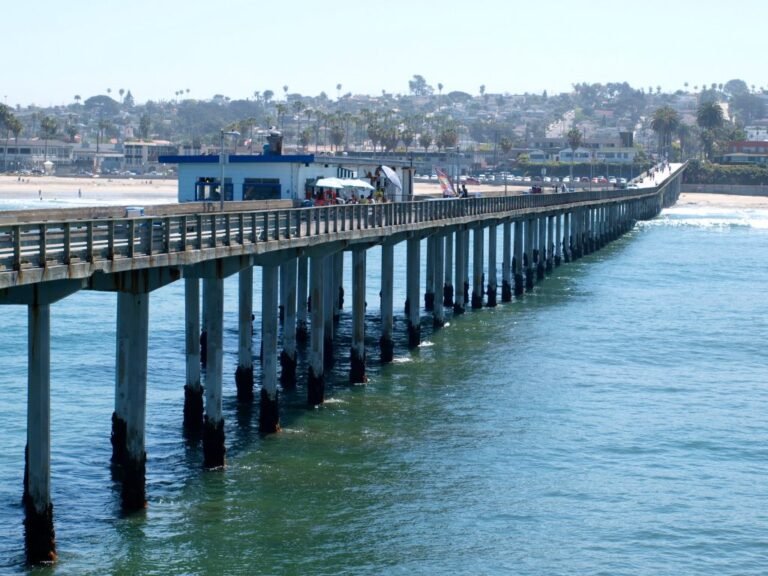
Ocean Beach Pier is the longest pier in San Diego. The end holds mackerel and bonito, while the midway section produces smaller perch and jacksmelt. It has a bait stand, restrooms, and snack shops nearby.
Shelter Island Pier is shorter and better for little kids. The railing height feels manageable, and the walk is short. Oceanside Pier up north is a solid choice on summer mornings when the mackerel run thick.
| Pier | Kids’ ease | Common catches | Parking |
|---|---|---|---|
| Ocean Beach Pier | Moderate | Mackerel, bonito, smelt | Street parking, fills up |
| Shelter Island Pier | High | Perch, mackerel, croaker | Paid lots nearby |
| Crystal Pier | High | Surfperch, smelt, small sharks | Limited, often full |
| Oceanside Pier | Moderate | Mackerel, bonito, perch | Large paid lot |
Pick a pier only when your child can handle open water. The railings help, but the ocean still feels big and loud. If your kid is anxious near waves, skip piers and stick with lakes or bays.
Step-by-Step: Plan a Low-Stakes Two-Hour Fishing Trip
The best first trips are short on purpose. Two hours from first cast to packing up is plenty. Here’s the sequence that works.
- Check wind and tides the night before. Wind under 8 mph is ideal.
- Pick the venue based on age. Lake for under 6, bay or lake for 6-10, pier for 10+.
- Gather gear the night before. Spincast rod, bobber, hooks, sinkers, bait.
- Arrive early. Sunrise to 9 a.m. is the golden window.
- Set up with everything within arm’s reach. Snacks, water, sunscreen, towels.
- Cast short, not far. Kids don’t need distance, they need bites.
- Watch the bobber together. Make it a game: “Watch for the red tip to dip.”
- Celebrate every tiny fish. Then pack up before the interest fades.
A common mistake is overplanning the species and underplanning the child. Simplicity wins. A bobber, a small hook, and a piece of worm beats a tackle box full of lures.
What to Pack and What Bait to Buy
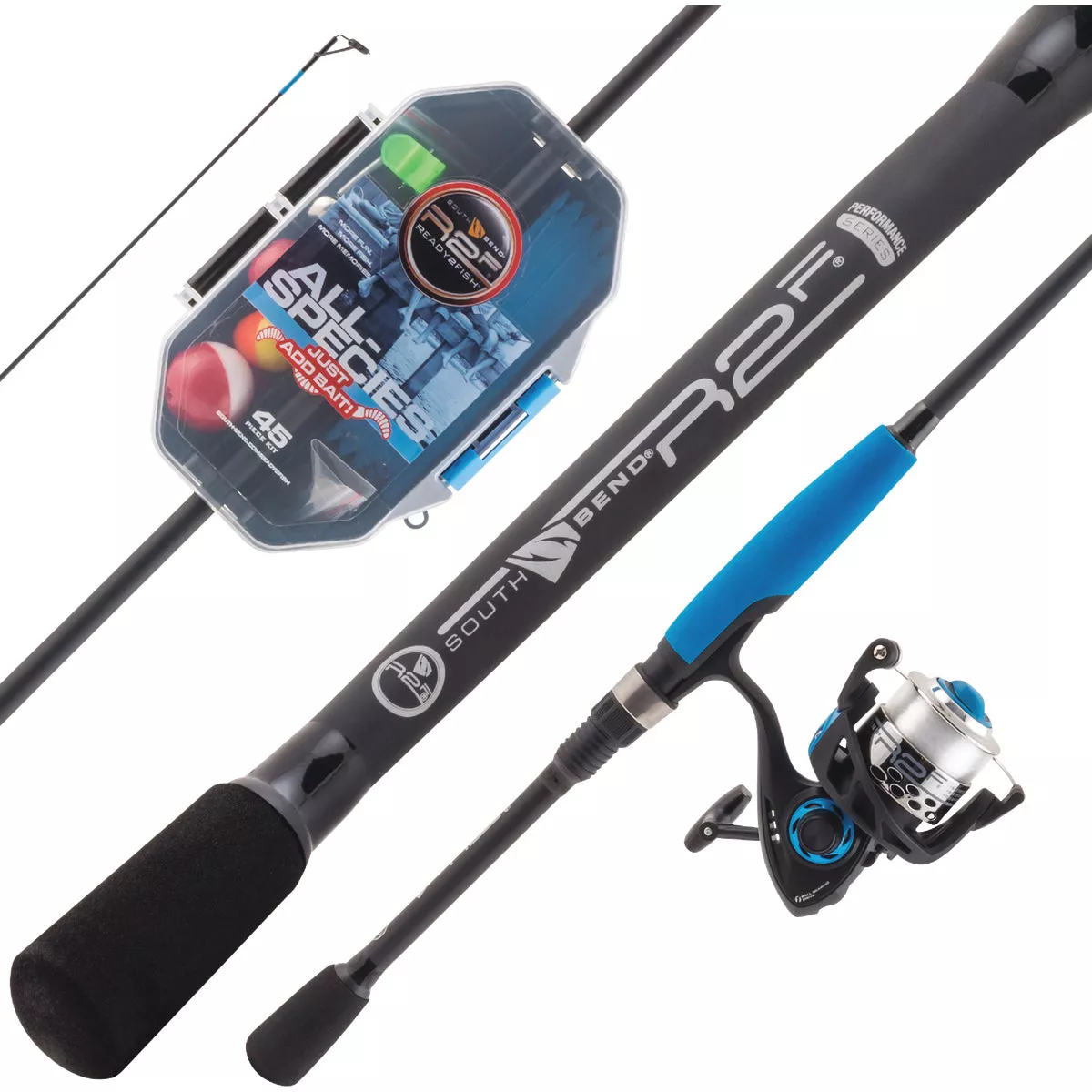
Image source: Bing (Web (fair-use with source credit))
The gear list is shorter than you think. A 5-6 foot spincast combo is the core. For a kid, that’s the perfect size.
Add a few red-and-white bobbers, size 6 or 8 hooks, and some split shots.
Bait depends on the water type.
- Freshwater lakes: Use nightcrawlers or worms for bluegill and catfish. PowerBait works well for stocked trout.
- Saltwater bays: Shrimp or squid pieces catch perch and croaker.
- Ocean piers: Frozen anchovies or live bait from the pier store attract mackerel.
Pack for the weather, not the fishing. Sunscreen, hats, reusable water bottles, and a small first-aid kit cover you. Toss in a towel and a change of shoes for water adventures.
If you want to avoid buying gear altogether, Santee Lakes rents rods and sells bait on site. That’s the lowest-risk way to test whether your child even likes fishing. Many kids love the idea but lose interest after 10 minutes.
Renting keeps the financial stake small.
License Rules and Costs You Need to Know
Adults 16 and older need a valid California fishing license for lakes and bay shorelines. Public ocean piers are completely free for everyone, no license required. That rule alone decides many family outings.
A California resident fishing license for fresh and saltwater runs roughly $60 per year as of 2026. Non-residents pay more. Kids under 16 fish free everywhere, but they still need to follow bag limits.
Save money with the state’s Free Fishing Days. The California Department of Fish and Wildlife (CDFW) publishes two or three dates each year when no license is needed anywhere. Those dates are perfect for trying a lake without buying a permit.
Mistakes Even Well-Meaning Parents Make
Mistakes on a family fishing trip are rarely dangerous. They just end early with a crying kid and a tangled line. Avoid these common ones.
- Picking a surf beach first. Waves, wind, and sandy gear frustrate beginners. Start with a lake or bay.
- Buying adult-sized gear. A 7-foot rod is too heavy for small wrists. Get a 5-6 foot spincast combo.
- Staying too long. Two hours is the sweet spot. Leave on a high note, not after a meltdown.
- Ignoring the wind. Wind ruins casting and blows bait away. Check the forecast before you leave.
- Fishing for yourself instead of the child. Let the kid cast. Let the kid reel. You handle bait and hooks.
- Skipping snacks and water. A hungry child is done in minutes. Pack more than you think you need.
- Forgetting the net. Getting a fish to shore with just a hook and line is hard. A small landing net helps you land and release quickly.
The biggest mistake is taking it too seriously. Fishing with kids is about the experience, not the catch.
Safety Around Hooks, Water, and Sun
The risks on a kids’ fishing trip are real but manageable. Three areas need attention: water, hooks, and sun.
Water safety: Choose venues with no current. Stocked lakes and bay shorelines have little to no flow. Public piers have railings, but keep a hand on toddlers near any dock edge.
Life jackets are wise on piers and boats, even for adults who can swim.
Hook safety: Stay calm and cut the line. Barbed hooks need a push-through-and-snip method, or a trip to urgent care if it’s buried deep. Never yank a hook out backward.
Sun protection: Saltwater reflects sunlight hard. Use reef-safe sunscreen, hats with brims, and sunglasses. Reapply every two hours.
Dispose of monofilament line properly. Many lake shops and pier bait stands have recycling bins. Birds, seals, and fish get entangled in loose line quickly.
The 60-Second Decision Guide for Any Given Day
Use this quick check before you load the car. It collapses everything into one glance.
| Condition | Best choice |
|---|---|
| Kid is under 6, wants fast bites | Chollas Lake or Santee Lakes |
| Kid is 6-10, windy afternoon | Santee Lakes or Lake Murray |
| Kid is 8+, sunny morning, no license wanted | Ocean Beach or Shelter Island Pier |
| Kid is 9+, family has a boat | Mission Bay or San Diego Bay shorelines |
| Weekend, crowds expected | Lake Poway or Dixon Lake instead of popular piers |
| First trip ever, no gear owned | Santee Lakes, rod and bait rented on site |
If two options seem equal, pick the one with the shortest car ride. A short drive preserves patience for the actual fishing.
Frequently Asked Questions
Do kids need a fishing license in California?
No. Kids under 16 can fish without a license anywhere in the state, including lakes, bays, and the ocean. Adults fishing alongside them on public ocean piers also skip the license.
On lakes and shorelines, adults aged 16 and older need a valid license.
What’s the best bait for a child’s first trip?
Worms for freshwater, shrimp for saltwater. Both are cheap, easy to handle, and attract a wide variety of fish. PowerBait and other dough baits work well for stocked trout.
Avoid live bait like minnows for young kids, since it’s harder to hook and keep alive.
Can you fish at Mission Bay without a boat?
Yes. The entire bay perimeter is public shoreline. Crown Point, Fiesta Island’s east side, and the Santa Clara Point area all offer easy access.
You can cast from the sand or the grassy banks. Parking fills up on weekends, so arrive before 9 a.m.
What’s the best time of year for kids’ fishing in San Diego?
Spring is the strongest season overall. Stocked lakes hold trout, bays hold perch, and the weather is mild. Summer mornings are excellent for piers and catfish lakes.
Winter is fine if you stick to stocked lakes and skip the wind-prone coast.