How to Make a Garden Step-by-Step for a Healthy Backyard
How to make a garden step-by-step often starts with a familiar moment: they’re standing in the yard after a rain, noticing puddles in one corner and weeds thriving where flowers should be. They want fresh herbs, color, and a space that feels cared for, but the choices—soil, sun, layout—get overwhelming fast.
Look, a successful garden isn’t about guesswork. It’s a repeatable process that turns an empty patch (or a few containers) into a growing system that fits their time, climate, and budget. This guide walks them through each phase, from planning to planting, with clear checkpoints.
They’ll learn how to:
- Choose the right location based on sunlight, drainage, and access to water
- Prep soil properly, including testing and improving structure
- Pick plants that match their season, space, and maintenance level
- Plant, mulch, and water with fewer mistakes
Practical example: if they have a 4×8-foot sunny spot, they can map two 1-foot paths, add compost, then plant tomatoes at the back, basil in front, and lettuce along the edges for a simple, productive starter bed.
Plan the Garden Layout and Choose the Right Location
Now they’ve got a clear reason to start; the next move is choosing a spot that won’t fight them all season. A smart location does half the work, because sunlight, drainage, and access determine how often plants struggle—or thrive. They should plan the layout on paper before any digging starts.
They can begin by watching the yard for one or two days. Morning and afternoon sun patterns shift more than most people expect, especially near fences and trees. A simple sketch with notes beats guessing later.
Action checklist for picking the right location:
- Sun: aim for 6–8 hours for vegetables; 4–6 hours works for many herbs and leafy greens.
- Drainage: avoid low spots where puddles linger 24+ hours after rain.
- Water access: keep the garden within hose reach to prevent skipped watering.
- Wind and heat: use a wall, hedge, or trellis as a windbreak if the site is exposed.
- Soil and roots: stay clear of large tree roots that steal moisture and nutrients.
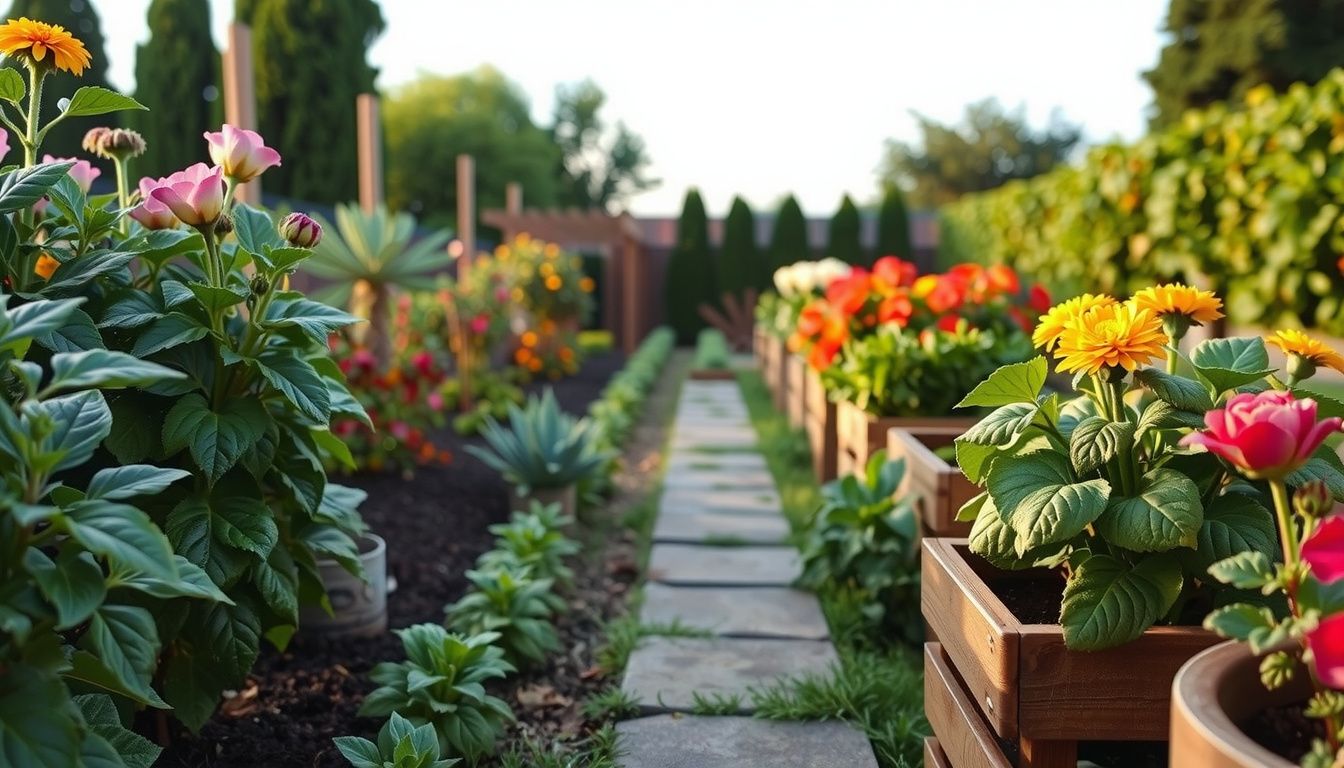
Next, they should choose a layout style that fits maintenance capacity. Raised beds offer cleaner edges and better control over soil quality, while in-ground rows can scale cheaply for larger spaces. Container gardens work when soil is poor or space is limited.
Common mistakes include placing beds too far from the house, making paths too narrow, and cramming plants without airflow. Paths should be wide enough for a wheelbarrow or at least comfortable foot traffic. They should also leave room for future growth, not just seedlings.
Practical example: they mark a 4 ft x 8 ft bed with string in a sunny area near the outdoor spigot. After a rain, they notice water collects at the far corner, so they shift the bed 3 feet uphill and orient it north–south for even light on both sides. That one adjustment prevents rot and improves yield.
Pro tip: they can place the garden where they’ll see it daily; frequent visual checks catch pests and watering issues early.
Before You Start: Gather Tools, Materials, and Plant Choices
Look, planning is only useful if they can execute without constant trips to the store. Before breaking ground, they should stage tools, materials, and plants so the first workday is focused and efficient. This step reduces half-finished beds and rushed planting decisions.
They should start with a basic tool kit, then add items based on garden type. A raised bed needs lumber and soil mix; an in-ground plot needs more digging and edging. They’ll save time by laying everything out near the site.

Core tools most gardens need:
- Spade or shovel, hand trowel, and garden fork
- Rake, hoe, and pruning snips
- Gloves, measuring tape, stakes, and string line
- Watering can or hose with spray nozzle
Materials to gather before planting:
- Compost or well-aged manure, plus mulch (straw, shredded leaves, or bark)
- Soil amendments based on a soil test (lime, sulfur, balanced fertilizer)
- Plant supports: cages, trellis netting, or bamboo stakes
- Labels and a simple notebook for dates and varieties
Plant choices should match the site conditions and the gardener’s schedule. If they travel often, drought-tolerant herbs and perennials are safer than thirsty vegetables. They should also check their local frost dates and choose varieties with days-to-maturity that fit the season.
Common mistakes include buying plants before the bed is ready, overestimating space, and skipping supports until vines sprawl. They should buy only what fits the planned layout and have cages or trellises ready on day one.
Practical example: they choose three “starter wins”: cherry tomatoes (with cages), bush beans, and basil. They stage two bags of compost, a roll of drip hose, and mulch beside the marked bed, then plant the same afternoon—no delays, no stressed seedlings.
Pro tip: they should keep receipts and plant tags; they’re useful for troubleshooting and repeat buys next season.
Prepare the Soil and Build Beds or Rows
Now the plan turns physical. Before any seed packet opens, they’ll get better results by shaping the soil into a structure that drains well, warms faster, and stays easy to weed.
They should start by clearing the footprint down to bare soil. Pull weeds by the roots, remove rocks and sticks, and cut sod into strips if grass is present. If perennial weeds are thick, they’ll save time by smothering the area with cardboard for 2–3 weeks before digging.
Next comes soil preparation. They’ll loosen soil 8–12 inches deep with a garden fork or broadfork, then mix in organic matter. Aim for 2–3 inches of compost across the surface, worked into the top 6–8 inches, because most vegetables feed in that zone.
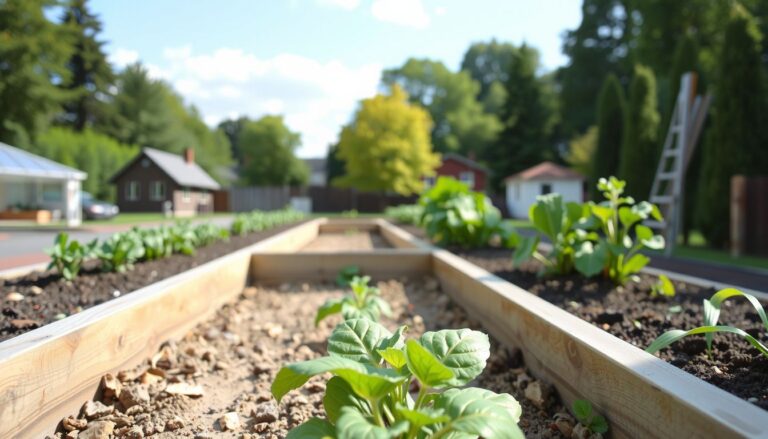
Bed or row building comes next. Raised beds (mounded soil without frames) suit wet sites and heavy clay; rows can work well for larger gardens and wide spacing crops. Either way, they should keep walking paths out of growing zones to prevent compaction.
- Mark bed width: 3–4 feet wide so they can reach the center without stepping in.
- Set path width: 18–24 inches for a wheelbarrow or kneeling space.
- Shape the bed: mound soil 4–8 inches high; rake the top flat.
- Water lightly: settle soil, then re-rake for a smooth planting surface.
Pro tip: If soil is sticky, they should wait. Working wet soil creates clods that last all season. A quick test: squeeze a handful; if it forms a shiny ribbon, it’s too wet.
Common mistakes: adding fresh manure right before planting (can burn roots), building beds too wide to reach, and skipping compost because the soil “looks fine.” Those shortcuts usually show up as stunted growth and constant watering.
Practical example: A homeowner with clay soil builds two 4×12-foot mounded beds, adds 3 inches of compost, and keeps 2-foot wood-chip paths. After a heavy rain, the beds drain within hours while the surrounding lawn stays soggy, letting seedlings establish without root stress.

Plant Seeds and Transplants in the Correct Order
With beds formed, timing becomes the big lever. They’ll get steadier harvests by planting in waves and matching each crop to soil temperature, frost risk, and growth speed.
They should begin with the hardiest crops first. Cool-season vegetables tolerate light frost and prefer cool soil, while warm-season crops stall or rot if planted too early. Planting order also matters for spacing: tall crops and trellises go in before low growers so nothing gets shaded unexpectedly.
- Plant cool-season seeds: peas, radishes, spinach, carrots, and lettuce as soon as soil is workable.
- Set out cool-season transplants: broccoli, cabbage, and onions after hardening off.
- Install supports early: trellises for peas/beans and cages for tomatoes before roots spread.
- Plant warm-season transplants: tomatoes, peppers, and eggplant after nights stay reliably mild.
- Sow warm-season seeds: beans, squash, cucumbers, and corn when soil is warm.
They’ll plant seeds at the correct depth to avoid failures. A simple rule works: plant seeds about 2–3 times as deep as the seed is wide. Then they should label rows immediately; it prevents accidental hoeing of slow germinators like carrots.
Pro tip: They can stagger plantings every 10–14 days for quick crops like lettuce and radishes. That keeps harvests coming instead of arriving all at once.
Common mistakes: planting tomatoes before soil warms, crowding seedlings “just in case,” and skipping hardening off for transplants. Those errors cause shock, disease, and weak stems.
Practical example: In a mixed bed, they sow peas along a trellis first, then direct-seed carrots in a neighboring strip. Two weeks later, they transplant broccoli into the open center. After the last frost, they replace the finished peas with pole beans, keeping the same trellis productive without expanding the garden footprint.
Maintain, Troubleshoot, and Harvest for Continuous Growth
Now the garden’s in the ground, and how to make a garden step-by-step becomes a routine of small checks that prevent big setbacks. They’ll get better results by observing daily and acting weekly. Consistency beats intensity.
Maintenance starts with water, mulch, and quick scouting. They should water deeply at the root zone, then let the top inch of soil dry slightly to discourage fungus and shallow roots. A 2–3 inch mulch layer (kept off stems) stabilizes moisture and blocks weeds.
- Watering: Morning irrigation, slow and deep; avoid wetting foliage at night.
- Weeding: Pull when soil is damp; remove roots before weeds seed.
- Feeding: Side-dress heavy feeders (tomatoes, squash) with compost or a balanced fertilizer once they’re established.
- Support: Tie tomatoes and pole beans early; don’t wait for stems to sprawl and snap.
Troubleshooting works best when they diagnose before they treat. Yellow leaves can mean nitrogen deficiency, overwatering, or root stress; they should check soil moisture first, then look for pests on leaf undersides. If they see aphids, a strong water spray can knock them back, and insecticidal soap can finish the job if pressure stays high.
Common mistakes show up fast. Overwatering causes slow growth and leaf curl; underwatering causes midday wilt that doesn’t recover by evening. They should also avoid “panic pruning,” since removing too many leaves can sunscald fruit and stall plants.
Look at one practical example: a gardener notices cucumber leaves stippled and webbed in late June. They confirm spider mites by tapping a leaf over white paper, then they hose the undersides, increase mulch to reduce dust, and apply horticultural oil in the evening. Within a week, new growth emerges clean, and flowering resumes.
Harvesting is maintenance, too. They should pick frequently to keep plants producing, cut greens above the crown for regrowth, and harvest fruits at peak color and firmness. Clean cuts reduce disease entry, and removing overripe produce prevents pests from settling in.
Start Here
Now it’s time to turn intention into a simple routine. How to make a garden step-by-step works best when they keep the next actions small, repeatable, and tied to their calendar, not their motivation. A garden that gets five minutes of attention most days will usually outperform one that gets a big burst once a month.
They should lock in three habits that protect progress without overthinking it:
- Set a weekly check-in (same day, same time) to spot issues early.
- Track one metric (watering frequency, pest sightings, or harvest weight) to learn fast.
- Keep a “ready kit” by the door so quick tasks don’t become chores.
Example: a renter with a small backyard can schedule a Sunday 10-minute walk-through, jot notes on leaf color and moisture, then adjust the week’s watering once—no spreadsheet required. Next step: they should pick a start date this week, set a recurring reminder, and do the first check-in tomorrow.
Related read: How to Grow Vegetable Seedlings: Step-by-Step Indoors