How to Stay Cool While Camping: Step-by-Step Setup
Camping in summer heat can turn a dream trip into a miserable, sleepless grind. The tent becomes an oven by 9 a.m., your sleeping bag feels like a sauna, and even sitting still leaves you drenched. But heat doesn't have to cancel your plans. By combining smart campsite selection, deliberate airflow, sun management, hydration, and heat-safe routines, you can stay comfortable without hauling a generator and an air conditioner.
This guide lays out a practical, step-by-step plan for reducing heat load during the day and sleeping cooler at night. Whether you're camping in arid desert heat or sticky humidity, these tactics work because they target how your body and shelter actually interact with the environment. You can also read our guide on how to sharpen an axe with a grinder.
In this guide you'll learn how to:
- Assess heat risk before you even leave the driveway
- Pack a compact, effective hot-weather cooling kit
- Choose a campsite and pitch a tent that stays shaded and breezy
- Create real cross-ventilation inside and around your shelter
- Use water and evaporation to cool your skin and core
- Eat, drink, and time activities to minimize internal heat
- Optimize your sleep system for hot nights
- Recognize and respond to early signs of heat illness
A mid-summer lakeside campground example: pitch the tent under morning shade, face the door into the prevailing breeze, and hang a tarp 12–18 inches above the rainfly to create an air gap. Add a damp bandana on the neck and a liter of water with electrolytes, and both an afternoon hike and a night of sleep become dramatically safer and more comfortable.
Assess Heat Risks and Set a Cooling Goal
Heat management starts with a quick risk check and a clear target. A camper who knows their limits makes better decisions before the day gets punishing. Don't wait until you're already overheated to start thinking about staying cool.
First, scan the forecast for heat index, not just air temperature. Humidity, wind, and overnight lows determine whether your body can actually recover. The National Weather Service's heat safety resources explain how humidity reduces sweat evaporation, making 90°F feel like 105°F or worse. If the overnight low stays above 75°F, your body never gets a real break. That means you need aggressive daytime cooling and earlier wake times.
Next, assess exposure at the site. Direct sun, reflective sand or rock, and still air can make a "90°F day" feel far hotter than the thermometer suggests. A paved campsite radiates heat for hours after sunset. A sandy site reflects sunlight upward into your face. A site sheltered from wind traps humidity. Each factor multiplies the heat load.
Factor in personal risk too. Kids, older adults, pregnant women, people on certain medications, and anyone with a history of heat illness need to be more conservative. What's uncomfortable for one person can be dangerous for another.
Then set a simple, measurable cooling goal. Examples include:
- Environmental goal: Have shade covering the tent and seating area by 10 a.m.
- Hydration goal: Drink 16–24 oz per hour in peak heat, with electrolytes.
- Behavior goal: Stop strenuous hiking when the heat index hits 95°F.
Practical example: A pair camping in Moab sees a 102°F high and 78°F low. They decide to finish hikes by 9 a.m., create a shaded "cool zone" at camp with a tarp and wet towels, and take 10-minute water-dousing breaks every hour. That's a plan, not hope.
Before You Start: Pack a Hot-Weather Cooling Kit
The fastest wins come from packing with intent. A dedicated hot-weather kit prevents you from improvising when sweat, sun, and fatigue are already stacking up. The goal is to have everything accessible in seconds, not buried under the tent and sleeping bags.
Build the kit around three core needs: shade, airflow, and rapid skin cooling. Keep items lightweight, multipurpose, and easy to reach. A good kit fits in a single tote or dry bag that rides on top of your gear.
Shade and shelter tools:
- Tarp or reflective sunshade (at least 10×12 feet for real coverage)
- Extra guylines and sturdy stakes for windy conditions
- Repair tape for unexpected rips
Airflow and ventilation:
- Battery-powered fan or two (USB-rechargeable models save battery waste)
- Spare batteries or a power bank
- Breathable camp chair or mesh lounger — solid fabric chairs trap heat
Rapid skin cooling:
- Cooling towel or lightweight microfiber towel
- Spray bottle for misting
- Cotton bandana for neck-wetting
- Small basin or collapsible bucket for foot soaks
Hydration support:
- 2–4 liters of water capacity per person
- Electrolyte packets or tablets
- Insulated bottle to keep water cold longer
Sun protection:
- Wide-brim hat
- UPF-rated long-sleeve shirt
- Broad-spectrum sunscreen
Pro tip: Pack all of this in a single "heat bag" that stays on top. A common mistake is bringing only water and sunscreen, then discovering there's no shade hardware or fan power when the afternoon wind dies and the sun peaks.
 A dedicated heat kit keeps shade, airflow, and cooling tools within arm's reach.
Practical example: A family heading to a lake packs one tarp, two fans, electrolyte packets, and a few towels in a tote. At noon, they rig shade in five minutes and rotate the kids through towel-and-spray cool-downs every 30 minutes.
Choose a Cooler Campsite and Pitch for Shade
Site choice and tent orientation can drop perceived heat fast — often more than any gadget you can buy. The goal is simple: shade early, shade long.
Scan for natural shade that lasts past mid-morning. A tall tree line to the east is the most valuable asset because it blocks the first blast of sun that turns tents into ovens. Watch for dead branches or leaning trees, though — they're a safety hazard in wind. Dense canopy beats sparse shade. Rock outcrops and pavilion edges also work when rules allow.
Use terrain like a tool. Slightly higher ground catches more breeze, while low basins trap warm air and humidity. If the campground is near water, remember that lakes and rivers can raise nighttime humidity and make sleep feel hotter, even if the daytime breeze feels nice.
Key campsite selection criteria:
- Durable shade: Look for a dense canopy, rock outcrop, or structure edge.
- Door orientation: Position the tent so the door faces away from sunrise when possible, reducing direct morning solar gain.
- Distance from heat sources: Grills, fire rings, and sun-baked asphalt radiate heat long after the sun sets.
- Ground cover: Grass stays significantly cooler than bare dirt, sand, or pavement.
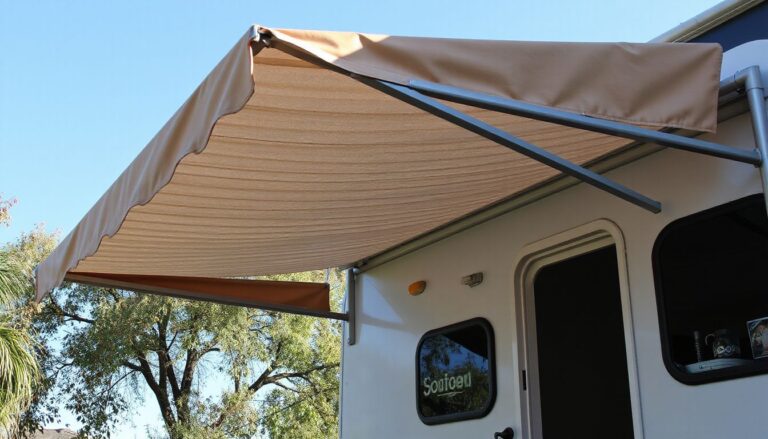
Pro tip: If shade is limited, hang a reflective tarp as a "roof" with an air gap above the tent. A common mistake is draping a tarp directly on the rainfly. That blocks airflow and can actually trap heat inside, making things worse. The gap is what allows hot air to escape.
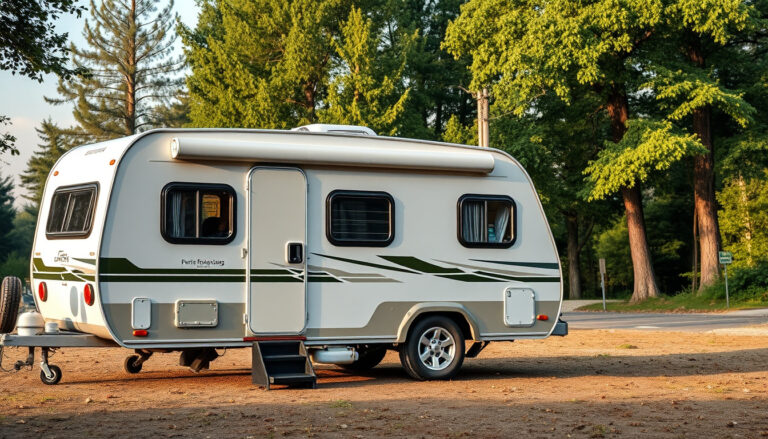
Practical example: At a state park loop with scattered trees, choose a pad with morning shade from pines, point the door northwest, and set a high tarp 12 inches above the tent. By 9 a.m., the interior stays noticeably cooler than neighboring sites sitting in full sun. If you're camping near the water with a boat, a reliable pontoon boat anchor point can also serve as a cooling swim platform.
Build Airflow: Vent the Tent and Add Wind-Friendly Layouts
Once the spot is set, treat airflow like a system. Hot air has to escape, and cooler air needs a clear path in. Small layout changes create steady cross-ventilation that can lower the tent interior by several degrees.
Start with the tent itself. Prop rainfly vents open, and unzip doors or mesh panels as conditions allow. If bugs are heavy, rely on mesh while keeping solid fabric minimized. The difference between a sealed tent and a vented one at noon is dramatic — often 10°F or more.
Create a deliberate vent path:
- Align to prevailing wind: Place the tent so wind hits a mesh panel, not a solid wall.
- High-low venting: Open low vents for cool intake and high vents for hot exhaust. Hot air rises, so give it an exit at the top.
- Vestibule strategy: Keep the vestibule cracked open, not sealed tight. A sealed vestibule blocks the only door-level airflow.
- Fan placement: Aim a battery fan across the sleeping area, not straight down. You want air moving over skin, not just blowing into the floor.
Manage the "wind shadow" around camp. Coolers, vehicles, and privacy screens can block breeze and turn a site stagnant. A car parked ten feet upwind of the tent can kill the only breeze you have. Keep the tent 6–10 feet from cars or large walls of gear, place chairs and the kitchen downwind so they don't block intake airflow, and dry wet items away from the tent to avoid humidifying the sleeping zone.
Pro tip: On still nights, run a fan at the door to pull cooler air in, then crack a high vent to exhaust heat. A common mistake is sealing the rainfly completely "just in case" of rain — that often makes the tent hotter than the outside air. When you're setting up near the water, knowing how to handle a pontoon boat in wind helps you position your setup where the breeze is strongest.
Use Water and Evaporation to Cool Skin and Core Temperature
Once shade and airflow are handled, you can pull the biggest remaining lever: evaporative cooling. When water evaporates off skin or fabric, it carries heat away and can drop your perceived temperature fast. It works best in dry air and with any breeze. In humid conditions it's less effective but still useful when paired with airflow.
Start with skin-level cooling that doesn't waste water. Rinse your forearms, neck, and behind the knees — those areas sit close to major blood vessels, so cooling them cools your circulating blood. Then sit in moving air and let evaporation do the work. A quick rinse uses far less water than a full shower and delivers most of the benefit.
 Evaporative cooling works best when wet fabric meets moving air.
Simple evaporation techniques:
- Wet bandana method: Soak a bandana, wring it out, and wear it on the neck. Re-wet every 30–60 minutes as it dries.
- Evaporation towel: Drape a damp microfiber towel over your shoulders. Keep it damp, not dripping — dripping wastes water and soaks your clothes.
- Mist and fan combo: A light spray of water plus a handheld fan beats heavy soaking. You get the same cooling with a fraction of the water.
- Feet cooling: Dip your feet in a shallow basin or stream edge for 2–5 minutes, then air-dry. Your feet have dense blood flow and act as efficient radiators.
Pro tip: Keep one water bottle reserved specifically for "cooling water" and store it out of the sun. A common mistake is soaking clothes at midday in humid weather — it feels clammy and traps heat if there's no airflow to evaporate the moisture. Save the soak for dry heat.
Practical example: At a desert campground, wet a neck gaiter, sit under a tarp edge where wind funnels, and rotate the gaiter between two people while the other one dries on a line. Two people can share one towel indefinitely this way.
Eat, Drink, and Time Activities to Reduce Heat Load
Manage heat from the inside too. Food digestion, dehydration, and poorly timed movement all raise core temperature. A simple routine keeps energy steady without turning your body into a furnace.
Hydration strategy: Drink early and consistently, not only when thirsty. Thirst already means you're behind. For long, sweaty stretches, plain water isn't enough — sodium losses can drive headaches, muscle cramps, and fatigue. Pair water with salty snacks or a low-sugar electrolyte mix. Aim for small sips every 10–15 minutes during activity rather than chugging a liter at once.
Food choices that keep you cooler:
- Cooling foods: Fruit, yogurt, wraps, and chilled pasta salads digest easily and don't spike metabolic heat.
- Avoid heavy fried meals: They require more energy to digest, raising core temperature just when you don't need it.
- Limit caffeine and alcohol in peak heat: Both can worsen dehydration and disrupt the sleep you need for recovery.
Timing matters as much as food. Plan hiking, wood gathering, and camp breakdown for early morning or late evening. Protect midday for shade, water cooling, and low-effort tasks. A common mistake is pushing a "quick" noon hike that turns into heat stress when the wind dies and shade disappears. If you're planning a grilled dinner, grilling burgers quickly at the right temperature means less standing over a hot fire.
Practical example: On a 92°F day, hike from 6:30–9:30 a.m., eat a salty wrap and melon at 10, rest through 3 p.m., then cook after sunset when both the air and your appetite have cooled. If you're craving hot food at camp, a BBQ pizza oven can cook fast without heating your whole campsite.
Sleep Cooler: Optimize Bedding, Clothing, and Night Venting
How to stay cool while camping often comes down to what touches your skin for 7–9 hours at night. A hot tent can feel survivable at dusk and miserable by 2 a.m. Small swaps in bedding, clothing, and venting cut heat buildup dramatically.
Bedding choices that reduce insulation and moisture:
- Use a summer sleeping bag or a bag unzipped as a quilt. A 3-season bag rated for cold weather will roast you on a summer night.
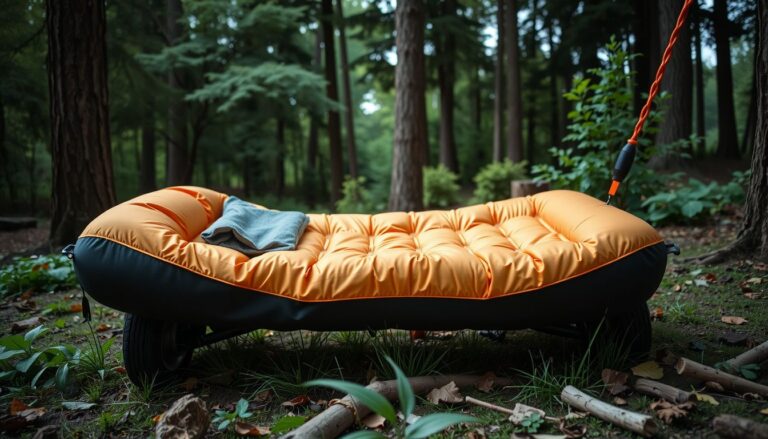
- Choose a breathable sleeping pad. Uninsulated or low-R-value pads feel much cooler than high-R winter pads designed to reflect body heat.
- Swap fabrics. Cotton percale or lightweight linen sheets feel cooler than brushed polyester, which traps heat and moisture.
- Keep a small towel handy to wipe sweat so bedding stays drier through the night.
Clothing controls sweat evaporation. Sleep in a loose, light-colored base layer that breathes. Avoid tight synthetic fabrics that cling and trap moisture. If bugs allow, sleeping without socks and with sleeves rolled up increases heat loss through your extremities.
Night venting should be deliberate. Open opposing vents and doors for crossflow. Use a headlamp to verify that mesh is fully exposed and rain flaps aren't blocking airflow. A small battery fan aimed across — not directly at — your face improves evaporation without drying your eyes.
Practical example: In a humid lakeside campground, unzip the bag fully, sleep on a low-R pad with a percale sheet, wear a loose merino tee, and crack two vents plus the door mesh. That combination usually drops perceived heat enough to stay asleep through the night.
Surviving the Midday Peak: Active Cooling Tactics
Between 11 a.m. and 4 p.m., shade and airflow alone often aren't enough. This is when you need active cooling tactics that work even when the air feels like a hair dryer.
Create a designated cool zone. Set up a tarp or reflective shade over a seating area, aim a battery fan through it, and keep a spray bottle and wet towels within reach. This becomes the default hangout spot during peak heat. One well-shaded, well-ventilated zone beats spreading your gear across a hot site.
Rotate cooling methods. Put your feet in a cool water basin for ten minutes, then move to the shade with a wet neck bandana, then mist your arms and face. Alternating methods prevents any single one from losing effectiveness as your body adapts.
Get in the water if it's safe. A lake, river, or stream is nature's air conditioner. Even a 10-minute swim or wade can drop your core temperature enough to reset your comfort for an hour. After swimming, sit in the shade with airflow to avoid that post-swim humid stagnation. If you fish during the trip, a quality bass reel makes early-morning and evening sessions more productive while midday stays reserved for cooling off.
Pro tip: If temperatures are extreme, consider a midday siesta in the shade rather than fighting the heat. Lying still in a ventilated hammock or on a mesh cot with a wet towel over your torso can be the single most effective cooling action available.
Recognizing Heat Illness: When to Stop and Act
No campsite setup is worth risking heat exhaustion or heat stroke. Knowing the early warning signs means you can intervene before a bad afternoon becomes a medical emergency.
Heat exhaustion warning signs:
- Heavy sweating, headache, nausea, or dizziness
- Muscle cramps
- Cool, clammy skin despite the heat
- Fatigue or weakness
- Dark urine or no urine output
If you or someone in your group shows these signs: stop activity immediately, move to shade, loosen clothing, sip cool water with electrolytes, and apply wet cloths to the neck, armpits, and groin. The CDC's guidance on heat-related illness provides clear first-aid steps for every level of severity.
Heat stroke is a medical emergency. Signs include confusion, slurred speech, hot dry skin (sweating may stop), rapid pulse, and possible loss of consciousness. Call for emergency help immediately and cool the person aggressively with any water available while waiting.
Pro tip: Heat illness is easier to prevent than treat. Set a group rule: if anyone feels dizzy, nauseous, or confused, everyone stops and cools down. No destination, hike, or campsite upgrade is worth heat stroke. Before heading out for hot-weather trips, make sure your vehicle can handle the drive comfortably, since a breakdown in the heat creates its own emergency.
Frequently Asked Questions
How do I cool a tent without electricity at night?
Focus on passive airflow and evaporation. Pitch under shade, open opposing vents for cross-ventilation, unzip the rainfly, and sleep on a low-R pad with breathable sheets. A wet bandana or towel on your neck provides evaporative cooling through the night. A battery fan helps, but good venting does most of the work.
Is it safe to run a battery fan inside a tent all night?
Yes, a battery-powered or USB fan is safe and effective. It won't generate heat like some AC units and consumes minimal power. Aim it across your body, not directly at your face, to avoid dry eyes. Check battery life before relying on it for an entire night.
What color tent stays coolest in summer?
Light-colored fabrics — white, tan, or light gray — reflect more sunlight and stay cooler than dark green, blue, or black tents. Dark tents absorb solar radiation and can heat up noticeably faster. If you have a dark tent, a reflective tarp above it makes the biggest difference.
How much water should I drink while camping in the heat?
Aim for 16–24 ounces per hour during active, hot conditions, plus electrolytes on top of that for sodium replacement. Don't wait until you're thirsty. Monitor urine color: pale yellow means you're hydrated; dark yellow means drink more and add electrolytes.
Can you sleep in your car to stay cool while camping?
Yes, if the car has good ventilation. Crack windows and use mesh window screens to keep bugs out. A car's metal body heats up in the sun, so park in shade and wait until evening to sleep inside. A battery fan helps move air through the cabin.
What should I not do in extreme camping heat?
Avoid strenuous activity during midday, drinking alcohol heavily, sealing your tent completely, and ignoring early signs of heat illness. Don't push through dizziness or nausea — stop and cool down immediately. And never leave children or pets in a parked vehicle, even briefly.
Conclusion
Staying cool while camping isn't about buying expensive gear or suffering through the heat. It's about stacking small, deliberate decisions: choosing shade, creating airflow, managing hydration, timing your activity, and optimizing your sleep setup. Each tactic works, but together they transform a hot campsite into a comfortable one.
The key takeaway is this: heat problems build slowly and are easier to prevent than fix. Start with a cooling goal, pack a dedicated heat kit, and build your campsite around shade and breeze. When temperatures climb, use water and evaporation to reset your body, and never ignore early warning signs of heat stress.
Your next step is simple: pack your heat kit, pick a hot day close to home, and run a rehearsal. Set up the tent in the heat, test your shade and fan setup, and sleep one night in your yard. A two-hour practice session now will save you from a miserable weekend later. Once your setup is dialed in, you can enjoy summer camping trips with confidence — and a much cooler night's sleep.