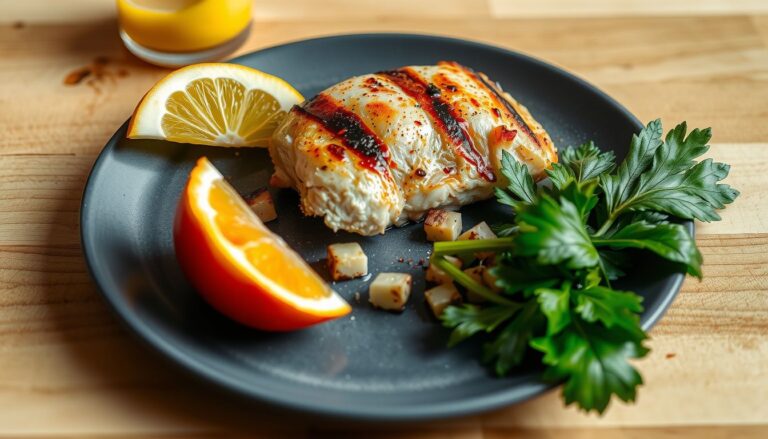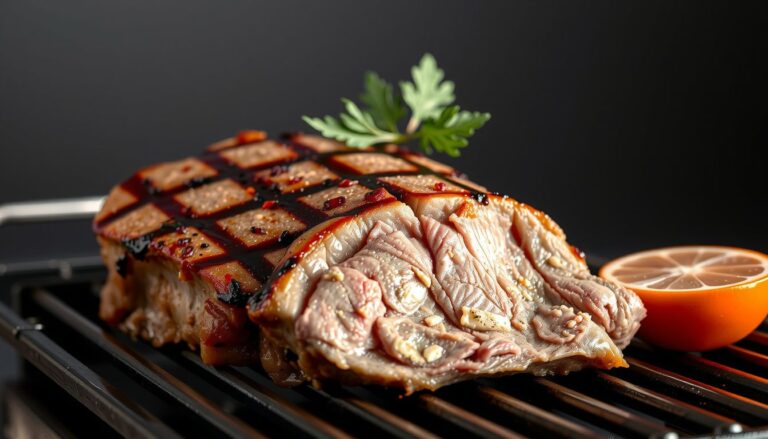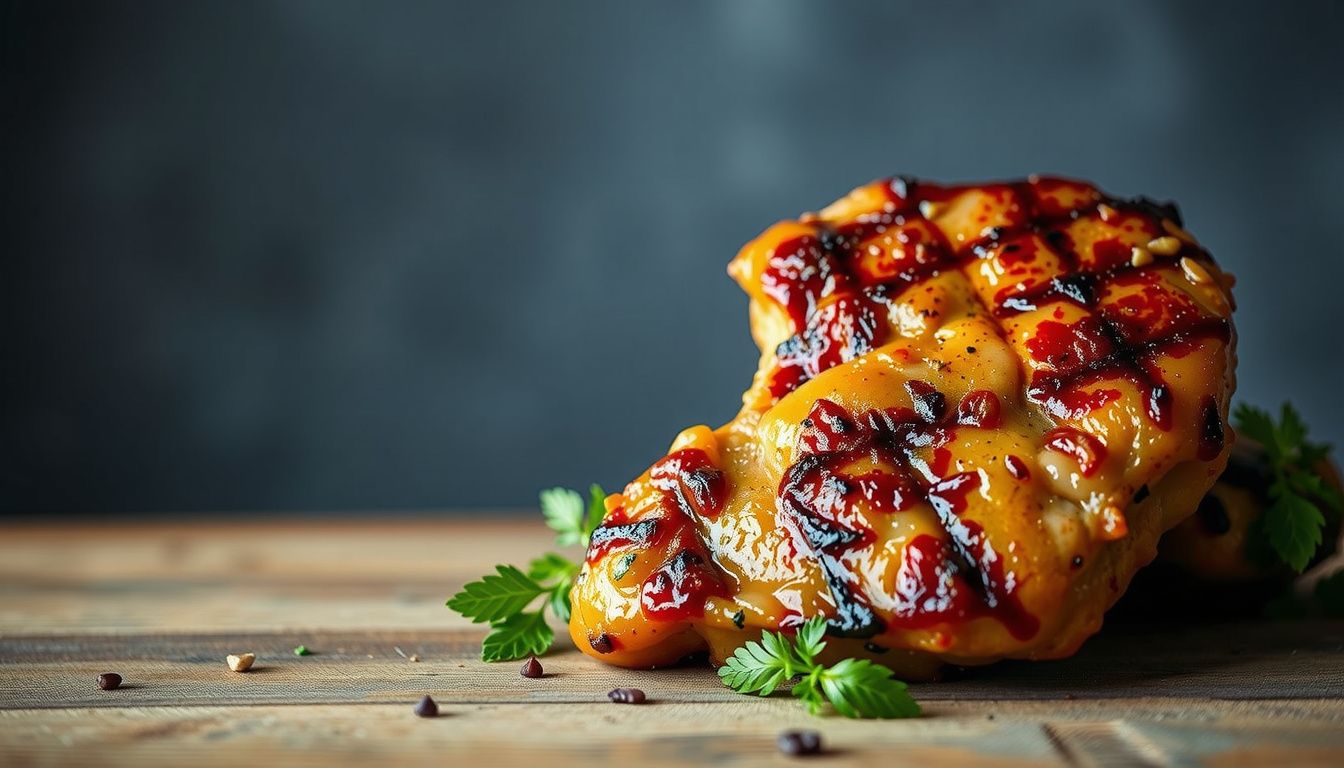
How Long Does It Take to BBQ Pork Chops for Juicy Results
Pork chops have a reputation problem. They're lean, they cook fast, and the line between perfectly juicy and disappointingly dry is measured in minutes — sometimes seconds. If you've ever bitten into a chop that felt more like a hockey puck than a tender cut of meat, you know exactly what I mean.
The good news? With the right timing, temperature targets, and a few simple techniques, you can consistently pull chops off the grill that are lightly charred on the outside and genuinely juicy in the center. This guide breaks down realistic cook times by thickness and cut, explains how grill setup changes the clock, and gives you the practical checks that prevent overcooking. You can also read our guide on charcoal bbq how to cook.
What Determines How Long It Takes to BBQ Pork Chops
There's no single answer to how long it takes to BBQ pork chops because several variables interact on the grate. Understanding these factors is what separates cooks who guess from cooks who get it right every time.
Thickness is the biggest driver. A thin 1/2-inch chop can be fully cooked before a thick 1 1/2-inch chop even warms through. Every additional half-inch of thickness isn't linear — it adds meaningful time because heat has to penetrate further toward the center. For more on this, see our guide on how long does it take to bbq a.
Bone-in versus boneless changes the math. Bone-in chops typically take longer because the bone slows heat transfer and shields part of the meat from direct exposure. That same bone, however, can act as a buffer against drying out during those extra minutes.
Grill temperature and setup matter as much as the meat itself. Direct high heat browns the surface quickly but can overshoot the center on thicker cuts. A two-zone setup — one hot side for searing, one cooler side for finishing — stretches total time slightly but dramatically improves control and reduces the chance of a charred exterior with a raw middle. For more on this, see our guide on how long does it take to bbq a.
Lid position changes the cooking environment. Cooking with the lid closed turns your grill into a convection oven, circulating hot air around the chops and speeding up the cook. Leaving the lid open keeps things slower and more uneven.
Other factors that reliably shift timing include:
- Starting temperature: Chops straight from the fridge take longer and cook less evenly than ones rested at room temperature for 15–20 minutes.
- Cut and fat content: Rib chops with good marbling cook differently than lean loin chops.
- Target doneness: Pulling at 140–145°F and resting produces radically different results than cooking until the meat feels firm.
BBQ Pork Chop Timing Chart by Thickness and Cut
Charts don't replace a thermometer, but they set realistic expectations. The times below assume a preheated grill, lid closed when practical, and a goal of 145°F internal temperature followed by a short rest for carryover cooking. For more on this, see our guide on how long to cook bbq pork chops in.
These ranges apply to typical medium-high grilling (about 400–450°F) using a two-zone setup: sear on the hot side, finish on the cooler side if needed. Wind, grill type, and thick sugary sauces can nudge times in either direction, so treat this as a planning tool rather than gospel.
| Chop Thickness | Boneless Loin Chop | Bone-In Rib/Loin Chop |
|---|---|---|
| 1/2 inch | 4–6 minutes total | 5–7 minutes total |
| 3/4 inch | 7–9 minutes total | 8–10 minutes total |
| 1 inch | 10–12 minutes total | 12–14 minutes total |
| 1 1/2 inches | 16–20 minutes total | 18–22 minutes total |
In practice, if you're grilling 1-inch bone-in chops, a reliable approach is to sear for 2–3 minutes per side, then move them to the cooler zone for another 6–8 minutes, flipping once, until the thickest chop reads 145°F in the center. For more on this, see our guide on how long does it take to bbq a.
For a completely different cooking method when the weather won't cooperate, understanding how long boneless chops take in the oven can be just as useful.
Grill Temperature Targets: Direct vs Indirect Heat Timing
Once you know your chop's thickness, the heat strategy becomes the main timing lever. The cleanest approach pairs direct heat for browning with indirect heat for finishing, so the exterior doesn't outrun the center.
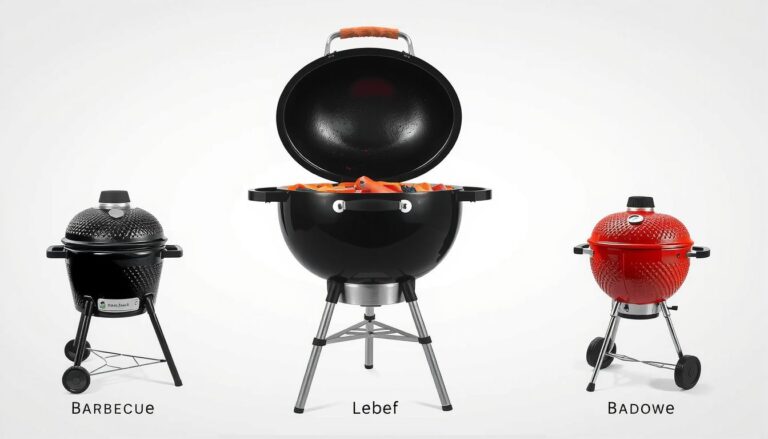
For most pork chops, aim for a two-zone grill: one side hot, one side moderate. On gas, that means one burner on high and the others on medium-low. On charcoal, bank the coals to one side and leave a cooler zone on the other.

Searing over the hot zone builds a crust before the chops move to indirect heat.
Useful temperature targets look like this:
- Direct heat: 450–550°F for fast sear marks, about 2–4 minutes per side
- Indirect heat: 325–375°F to gently reach doneness, about 4–10 minutes depending on thickness
- Pull temperature: 140–145°F internal, then rest 3–5 minutes
All-direct cooking is quicker but riskier, especially for chops thicker than 1 inch. The outside can char before the center reaches a safe temperature. If you're newer to grilling, starting with cuts that are more forgiving can build confidence — there's a reason certain steaks are recommended for first-timers.
In practice, a 1-inch chop seared at 500°F for 3 minutes per side, then moved to 350°F indirect heat for 5 minutes, will typically hit the right internal temperature while keeping a crisp, flavorful edge.
Bone-In vs Boneless Pork Chops: How Timing Changes
The bone isn't just for show. It changes how heat moves through the meat, and that shifts your clock.
Boneless chops cook faster and more evenly, but they punish overcooking. With no bone to buffer the heat, they can jump from juicy to dry in a couple of minutes on a hot grill.
Bone-in chops usually take a little longer because the bone slows heat transfer and shields a section of meat from direct exposure. That extra time can actually work in your favor: the bone gently protects the meat closest to it, and the additional minutes give fat more time to render.
As a practical rule at similar thickness:
- Boneless: often 1–3 minutes less total cook time
- Bone-in: often 2–5 minutes more, especially past 1 inch thick
- Carryover: bone-in cuts can coast a bit more during resting because the bone holds heat
Placement matters too. When finishing bone-in chops on indirect heat, position them with the bone side toward the hotter area. That helps the protected section catch up without burning the exposed surface.
How to Tell Pork Chops Are Done: Internal Temp and Visual Cues
Don't guess at doneness — verify it. The most reliable answer to how long it takes to BBQ pork chops is: until the center hits 145°F (63°C), then rests.
According to the USDA Food Safety and Inspection Service, whole cuts of pork should reach a minimum internal temperature of 145°F followed by a three-minute rest. That rest is part of the safety recommendation, not just a texture preference.
A fast-read probe thermometer should be inserted into the thickest part of the chop, avoiding bone and fat pockets that can skew the reading. If you're cooking bone-in chops, probe near the bone but not touching it, since bone conducts heat differently than meat.
Visual cues still help, especially when timing varies. In practice, a perfectly cooked pork chop shows several signs working together:
- Firm-but-springy feel when pressed, not soft and not rock-hard
- Clear or barely pink juices, not red and not watery gray
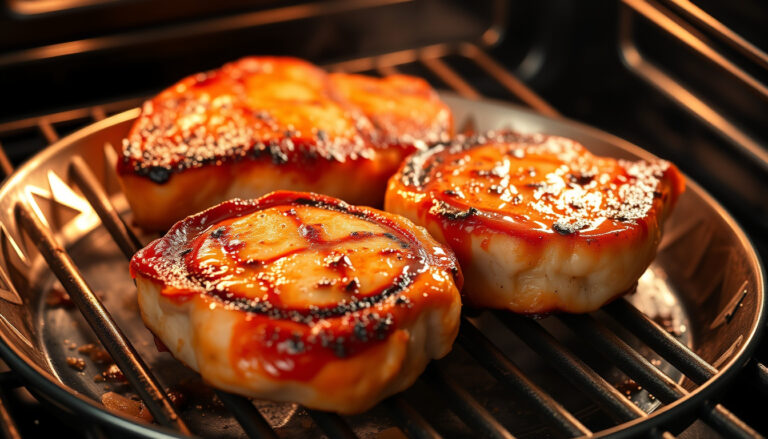
- Light browning with defined grill marks and small char specks
- Edges pulling slightly from the grates as the surface sears
A common mistake is slicing into a chop to "check" if it's done. That releases juices immediately and guarantees a drier result than if you'd used a thermometer.
Step-by-Step Timing Method for Consistent BBQ Pork Chops
Consistency comes from a repeatable routine, not a rigid "minutes per side" rule. This method keeps chops juicy while still building color and that grilled flavor you want.
Step 1: Preheat and stage zones. Preheat the grill fully, then set a hot direct zone and a cooler indirect zone. Timing starts only when the grates are hot and you're ready to close the lid. If you're using charcoal, give the coals time to ash over before cooking. If you're firing up a pizza oven instead, the same principles of heat management apply.
Step 2: Sear with a clock. Place chops over direct heat and sear in short, controlled intervals:
- Sear 2–4 minutes with the lid closed
- Flip and sear 2–4 minutes
- Flip again if needed for color, 1–2 minutes
Step 3: Finish by temperature, not time. Move chops to indirect heat once the exterior looks right, then check internal temperature every 2–3 minutes until 145°F, followed by a 3-minute rest.
Step 4: Rest and serve. Let chops rest on a warm plate, loosely tented if the kitchen is cool, then slice across the grain.
In practice, on a medium-hot grill, two bone-in chops seared for 3 minutes per side then finished indirectly for 4–6 minutes will usually land right where you want them — but the thermometer has the final say.

A three-to-five-minute rest lets juices redistribute before you cut into the chop.
Common Timing Mistakes That Make Pork Chops Dry (and Fixes)
Pork chops are lean, so small timing errors quietly pull moisture out. Here are the mistakes I see most often — and the straightforward fixes for each one.
Cooking by clock alone and peeking too often. Every time you open the lid, heat escapes and the cook stretches longer. Trust your setup and check less frequently.
Saucing too early. Sugar-heavy barbecue sauces scorch quickly over high heat. If you brush early, you'll extend cooking time to fix burnt sauce and dry out the meat in the process. The fix: sauce only in the final 1–2 minutes of cooking.
Keeping thin chops over direct heat the whole time. Thin chops can't take prolonged high heat. A quick sear on both sides is often all they need before moving to gentler heat.
Cutting to "check doneness." Slicing vents juices instantly. A thermometer answers the question without the damage.
Skipping the room-temperature rest. Fridge-cold chops cook unevenly. Let them sit at room temperature for 15–20 minutes before grilling.
Not accounting for carryover cooking. The internal temperature keeps rising after you pull the chops. If you wait until 145°F to pull, you might serve them at 150°F or higher — noticeably firmer and drier. Pull slightly early and let the rest finish the job.
For slower, more hands-off methods that avoid many of these timing problems entirely, a crock pot approach works surprisingly well.
Resting, Carryover Cooking, and Serving for Best Texture
Once chops come off the grill, the job isn't done. Resting controls juiciness, and carryover cooking can quietly push the center past your target if you serve immediately.
Resting gives muscle fibers time to relax so juices redistribute instead of spilling onto the plate when you cut. A short rest also evens out temperature from edge to center. For most chops, 5 minutes is a solid baseline; thicker cuts benefit from 7–10 minutes.
Carryover cooking means the internal temperature keeps rising after removal. That rise is larger with thicker chops and higher grill heat. In practice, pulling a thick chop at 140°F and resting it for 7 minutes often lands you right at 145°F.
- Rest uncovered or loosely tented — tight foil traps steam and softens the crust.
- Use a warm plate so the exterior doesn't cool while the center finishes.
- Slice across the grain for a softer bite, especially with loin chops.
- If you're cooking multiple chops, remember that timing varies by chop, so check each one rather than assuming they're all done together.
If you're weighing this grilled method against other cooking approaches, barbecue-baked pork chops in the oven follow similar temperature logic with a different time curve.
Frequently Asked Questions
How long do you grill 1-inch pork chops?
For 1-inch boneless pork chops, plan on 10–12 minutes total over medium-high heat using a two-zone setup. Bone-in chops of the same thickness typically need 12–14 minutes. Sear for 2–3 minutes per side, then finish on indirect heat until a thermometer reads 145°F.
Should you grill pork chops with the lid open or closed?
Closed. Closing the lid traps heat and creates a convection effect that cooks the chops more evenly and speeds up the cook. Frequent lid-opening is a common mistake that adds time and dries out the surface. Keep it closed and trust your two-zone setup.
What temperature should pork chops be?
Whole pork chops should reach 145°F (63°C) internal temperature, followed by a three-minute rest. This applies to both bone-in and boneless cuts. Using a fast-read thermometer in the thickest part of the chop is the most reliable way to confirm doneness.
How long should pork chops rest after grilling?
Rest pork chops for 5 minutes as a baseline. Thick chops benefit from 7–10 minutes. Resting lets juices redistribute and allows carryover cooking to finish the center. Keep the rest uncovered or loosely tented — tight foil traps steam and ruins the crust.
Why are my grilled pork chops always dry?
Dry chops almost always trace back to overcooking, often caused by cooking by time instead of temperature, saucing too early, or skipping the rest. Pull chops at 140°F and rest, sauce near the end, and use indirect heat to finish thicker cuts without charring the surface.
How do you keep pork chops moist on the grill?
Use a two-zone setup so you can sear quickly and finish gently. Salt properly, pull at 140°F, and rest for 5 minutes. Brining even a simple salt-and-sugar solution for 30 minutes before grilling can also help lean chops stay juicy throughout the cook.
Conclusion
The real answer to how long it takes to BBQ pork chops isn't a single number — it's a process. Thickness, bone-in or boneless cut, grill temperature, and a good thermometer all play a role in the final result. If there's one takeaway, it's this: cook by temperature, not by the clock.
Here's your next step: grab a meat thermometer, set up a two-zone grill, and run through the step-by-step method once or twice. Take a note of your setup time and note the pull temperature that worked best. You'll have a repeatable routine that works for whatever cut you pull from the package — and a plate of chops that finally shakes the dry pork chop reputation for good.