How High to Fill Raised Garden Bed for Healthy Root Growth
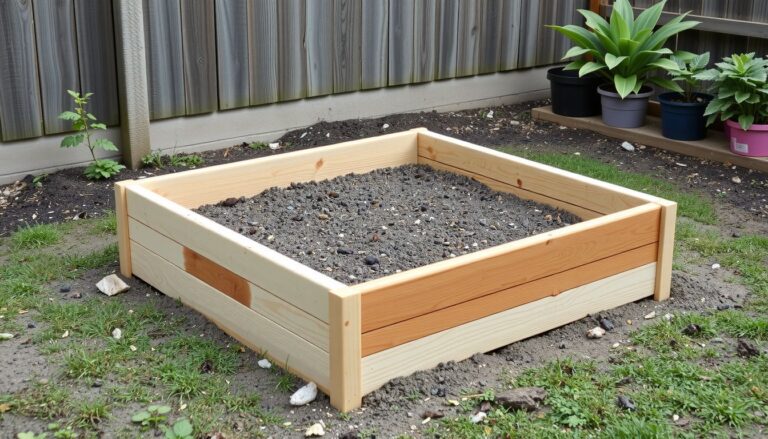
How high to fill raised garden bed is one of those small decisions that can make a big difference in how fast plants take off. Fill it too low and roots dry out; fill it too high and the soil settles, sinks, and wastes money. Getting the height right keeps watering, nutrients, and root growth working together.
Most beds look “full” on day one, then drop after the first few waterings as air pockets collapse and organic materials break down. That’s normal. The goal is to start with enough mix so the surface ends up at a practical level for planting and mulching without spilling over the sides.
Gardeners who build and maintain raised beds year after year tend to follow a simple approach: account for settling, match the fill to the crop, and avoid layering mistakes that create soggy zones. For example, if they’re planting lettuce in a 12-inch bed, they’ll often fill to about 1 inch below the rim, water deeply, then top off before planting.
Look, this guide will help them decide the best fill height based on:
- Bed depth and expected settling
- Plant type (shallow greens vs. deep-rooted crops)
- Soil mix (compost-heavy blends settle more)
Keep reading and they’ll know exactly where to stop filling, what to do after the first watering, and how to avoid the most common raised-bed setup regrets.
Why Fill Height Matters: Drainage, Roots, and Settling
Once the bed is built, fill height becomes the quiet factor that controls how the whole system behaves. A raised bed isn’t a pot; it drains through the soil profile, and the top few inches are where moisture swings fastest.
Drainage improves when there’s enough soil depth for water to move down and spread out instead of pooling near the surface. Beds filled too shallow can stay soggy after irrigation, while overfilled beds can shed water off the sides if the soil crowns above the frame.
Rooting depth is the other driver. Many vegetables will tolerate modest depth, but they perform best when roots can run, branch, and access consistent moisture. Shallow fill can force roots to circle and compete, which shows up as stunting or quick wilting in heat.
Then there’s settling. Fresh soil mixes contain air pockets and fluffy organic matter that compresses. Expect a noticeable drop after the first few waterings and a few weeks of decomposition.
- Drainage: stable moisture without waterlogging
- Roots: deeper access to nutrients and water
- Settling: 10–25% height loss is common in new fills
Practical example: a gardener fills a 12-inch bed to the rim with a compost-heavy mix; after two rains, it drops to about 9–10 inches. They top it off with 2–3 inches of soil and mulch, restoring depth without burying stems.
Standard Rule of Thumb: How Much Soil Most Beds Need
Look, most gardeners get reliable results by filling close to the top, then planning for settling. A common target is to fill a new bed to within 1–2 inches of the rim, then top up after the first month.
For established beds, the rule changes slightly: maintain a finished soil level about 2–3 inches below the top edge. That gap reduces spillover during watering, leaves room for compost, and makes mulching easier.
Depth expectations depend on what they grow. Leafy greens can thrive with less, but fruiting crops reward extra depth and steadier moisture.
- 6–8 inches: salad greens, shallow herbs, quick crops
- 10–12 inches: most vegetables (tomatoes, peppers, beans)
- 12–18 inches: carrots, parsnips, potatoes, long-season beds
As a practical example, a 2×8-foot bed that’s 12 inches tall is filled to 11 inches initially. After settling to 9.5 inches, they add 1.5 inches of compost and 1 inch of topsoil, landing at a stable 12-inch working depth without constant refills.
When someone asks how high to fill raised garden bed, the dependable answer is “near the top now, then adjust for settling and the crop’s root depth.”
Fill Height by Bed Depth: 6, 12, 18, and 24 Inches
Now comes the part most gardeners want a straight answer on: match fill height to bed depth, then leave a little room for watering and top-dressing. A bed that’s packed to the rim tends to spill soil during rain, hand-watering, and weeding.

Use these depth-based targets as a reliable starting point:
- 6-inch bed: Fill to about 5 inches. It’s shallow, so keep expectations realistic and choose compact-root plants.
- 12-inch bed: Fill to 10–11 inches. This is a common “all-purpose” depth for many kitchen-garden crops.
- 18-inch bed: Fill to 16–17 inches. It supports larger root zones and holds moisture better in hot weather.
- 24-inch bed: Fill to 22–23 inches. Ideal when they want maximum root depth, less drought stress, and fewer midseason nutrient swings.
Keep 1–2 inches of headspace at the top. That gap helps mulch stay put and makes slow, deep watering easier.
Practical example: If they install a 12-inch cedar bed for a patio garden, filling to 11 inches leaves enough lip to add a 1-inch compost layer later without soil washing over the edge.
Adjusting Fill Height for What They’re Growing (Vegetables, Herbs, Flowers)
After the bed depth is set, the crop choice fine-tunes the final fill height. Different plants use soil volume differently, and the goal is to give roots enough space without creating a messy, overfilled rim.
Vegetables usually benefit from being close to the depth-based maximum, especially for steady moisture and nutrient access. If they’re planting heavy feeders, they’ll also want room to top-dress compost during the season.
Herbs often prefer slightly less fill and sharper drainage. Many Mediterranean herbs thrive when the surface dries a bit between waterings, so leaving extra headspace for a gritty mulch can help.
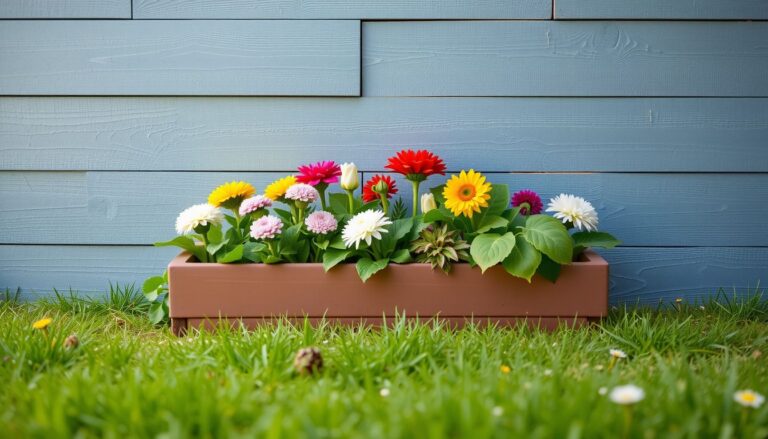
Flowers vary, but most annuals do well with modest root depth and consistent moisture. Taller ornamentals and cut-flower rows appreciate deeper fill so they anchor well and don’t flop in wind.
- Vegetables: fill higher; reserve 1–2 inches for compost and mulch.
- Herbs: fill a touch lower; consider a drier top layer.
- Flowers: moderate fill; go deeper for tall, top-heavy varieties.
Practical example: In an 18-inch bed, they might fill to 17 inches for tomatoes and peppers, but stop at 16 inches in an herb section to add a gravelly mulch that keeps crowns from staying wet.
Layering vs Full-Soil Fills: When to Use Each Method
Now that the fill height is dialed in, the next decision is what goes under that top layer. Gardeners typically choose between a full-soil fill or a layered fill (often called “hugelkultur-lite”). Each method can work, but the best choice depends on budget, bed depth, and how fast they want the soil profile to stabilize.
Full-soil fills use soil (or a soil/compost blend) from bottom to top. They’re the most predictable option for root crops, intensive planting, and beds under 12 inches where every inch of root zone matters. They also settle less dramatically, which makes watering and nutrient management easier.
Layered fills use bulky, low-cost materials in the lower portion, then quality soil in the top. This is most useful in deep beds (18–24 inches) where filling entirely with premium mix gets expensive and unnecessary for many plants.
- Use full-soil for carrots, beets, onions, and tight-spacing vegetable beds.
- Use layering for tomatoes, squash, perennials, and large beds where cost matters.
- Avoid “hot” layers like fresh manure or thick, uncomposted grass where roots will sit.
Practical example: In a 24-inch bed, they might place 8–10 inches of clean sticks and coarse wood chips, add 2 inches of finished compost, then cap with 12–14 inches of high-quality garden soil where the plants actually root and feed.
How to Plan for Soil Settling and Top-Off Timing
Look, settling is normal—and it’s the reason “done filling” rarely means “done forever.” Even when they’ve chosen the right method for how high to fill raised garden bed, gravity, watering, and decomposition compress the profile. Planning for that movement keeps plants from ending up in a shallow, crusty bowl by midseason.
The timing depends on what’s in the bed. Full-soil fills usually drop modestly after a few deep waterings. Layered fills can sink more as the bottom materials break down and air pockets collapse, especially in the first 6–12 months.
- Right after filling: Water deeply in two rounds to reveal early settling.
- After 2–4 weeks: Top off if the surface dropped more than 1–2 inches.
- Each season: Add 1–2 inches of compost as a maintenance “reset.”
Practical example: If they fill a new bed in early April and notice the soil line has fallen 2 inches by May, they can add a 1-inch compost layer plus 1 inch of soil mix, then mulch. That restores grade without burying crowns or smothering seedlings.
For best results, they should keep the final soil level slightly below the rim to allow mulch and watering space, then schedule top-offs as routine maintenance, not a surprise fix.

Best Materials to Fill the Bottom: What Helps and What Hurts
Now that the fill strategy is chosen, the bottom layer is where many raised beds quietly succeed or fail. The goal is simple: save money and improve structure without creating a soggy, shrinking mess.
Helps: use bulky, slow-to-break-down materials that keep air pockets while still letting water move. They should be free of weed seeds, chemicals, and disease.
- Untreated logs, branches, and wood chips (best in deeper beds where roots won’t sit in the “wood zone”)
- Coarse leaf mold or shredded leaves (packed lightly, not matted)
- Clean straw (not hay) as a temporary filler under a thick soil cap
Hurts: avoid materials that compact, contaminate, or steal nitrogen right where young roots start. Also skip anything that forms a water-holding “bathtub” layer.
- Construction debris, painted/treated lumber scraps, or pressure-treated offcuts
- Thick cardboard stacks that stay slick and slow drainage in heavy clay
- Fresh manure or kitchen scraps at the bottom (unpredictable settling and pests)
Practical example: a gardener filling a 24-inch bed can place 6–8 inches of untreated branches, then 2 inches of shredded leaves, then finish with their soil mix, keeping the top layer consistent and plant-ready.
Troubleshooting Common Fill Mistakes (Too High, Too Low, Poor Mix)
Look, even careful gardeners misjudge fill height once moisture, settling, and plant growth kick in. The fix is usually quick if they diagnose the symptom instead of adding random soil.
Too high: soil spilling over the rim, mulch sliding off, and seedlings washing out after watering. They should rake soil down 1–2 inches below the edge, then add mulch; if the bed is already planted, they can gently remove soil from paths and re-grade.
Too low: roots drying fast, visible “dish” in the center, and poor germination. They should top off with the same soil blend used originally, water it in, then recheck after a week to confirm the new level holds.
Poor mix: standing water, crusting, or stunted growth despite fertilizing. Common causes include too much compost, too much fine topsoil, or not enough coarse mineral structure.
- If it stays wet: mix in coarse perlite/pumice or pine fines and reduce compost next top-off
- If it dries too fast: add screened compost and a small amount of coconut coir
- If it compacts: aerate lightly and incorporate a chunkier amendment during replanting
Practical example: when a bed settles 3 inches mid-season, they can top off with their original blend, then mulch, instead of “fixing” it with straight compost that later turns dense and waterlogged.
Quick Fill-Height Checklist for Any Raised Garden Bed
Now, for the fast, no-guesswork check: how high to fill raised garden bed comes down to a few on-site cues, not a perfect number on paper. A quick walkthrough prevents dry edges, soggy roots, and constant top-offs.
Run this checklist before the first watering. It takes two minutes and saves a season of adjustments.
- Leave a watering lip: stop filling when there’s a 1–2 inch rim at the top so water doesn’t sheet off the sides.
- Check surface level: the soil should be flat to slightly crowned in the center (about 1/2 inch) if the bed sheds water quickly.
- Confirm plant clearance: keep soil 1 inch below any wooden cap rail to reduce splashback and rot risk.
- Do the squeeze test: a handful should clump, then crumble with a poke; if it stays muddy, don’t fill higher.
- Plan a top-off line: mark the inside wall with tape where the soil “should” sit after the first settling.
Example: a gardener filling a 4×8 bed for tomatoes stops 1.5 inches from the top, lightly crowns the center, then waters once and rechecks the tape mark the next day. If the level drops below the mark, they top off before transplanting so cages sit solid and moisture stays even.
The Bottom Line
Now the bed’s plan is clear: how high to fill raised garden bed comes down to protecting root space while leaving a workable rim for watering and mulch. A smart fill height prevents spillover, reduces dry edges, and keeps plants stable as the season progresses. It also makes routine tasks—top-dressing, replanting, and watering—feel effortless instead of messy.
For a real-world check, they can picture a 12-inch-tall bed for salad greens: leaving a small lip at the top keeps compost and mulch from washing out during a heavy hose soak, while still giving shallow roots plenty of room. The goal is simple—consistent moisture, clean edges, and predictable plant growth.
Before planting, they should do three quick steps:
- Water the bed thoroughly and recheck the surface level.
- Rake flat, then form planting rows or pockets.
- Add mulch, keeping stems clear.
Next step: fill to the chosen line, water once, and plant the first crop this week.