The Best Power Bank for Backpacking: Lightweight Picks for Long Trips
Best Power Bank for Backpacking: Lightweight Picks for Long Trips comes down to more than raw capacity. A trail charger needs to survive rain, fit a tight pack, and top up a phone quickly. Buyers often grab a charger after a phone hits low power mid-trail. The right size saves weight without leaving you guessing when a headlamp dies.
The ELECOM NESTOUT Rugged Power Bank 15000mAh is the pick we keep recommending for mixed terrain. Its IP67 shell and 32W USB-C PD output handle wet packs and short recharging windows. For a lighter load, smaller 10000mAh banks still make sense. Think about this the same way you think about choosing a road trip vehicle before a long drive. For more on this, see our guide on best lightweight sleeping pad for backpacking.
Comparison Chart of Best Power Bank for Backpacking: Lightweight Picks for Long Trips
| Product | Details | Rating | Buy |
|---|---|---|---|
|
Editor’s Choice

|
ELECOM NESTOUT Rugged Power Bank 15000mAh |
★★★★☆4.8/5 |
Check on Amazon |
|
Top Pick
|
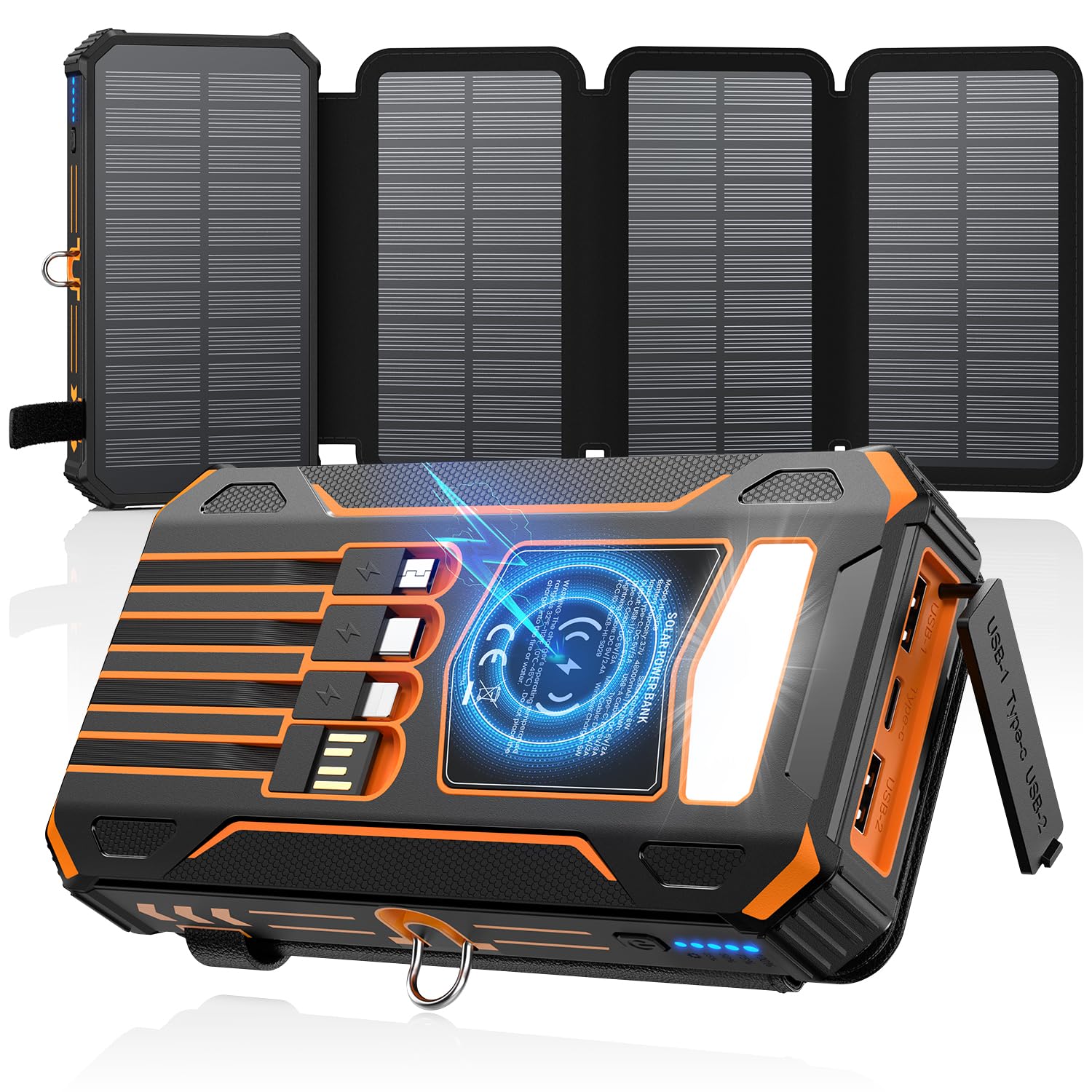
SOARAISE Solar Charger Power Bank 48000mAh |
★★★★☆4.5/5 |
Check on Amazon |
|
Best Budget

|
NOBIS Portable Charger 20000mAh 45W |
★★★★☆4.7/5 |
Check on Amazon |
|
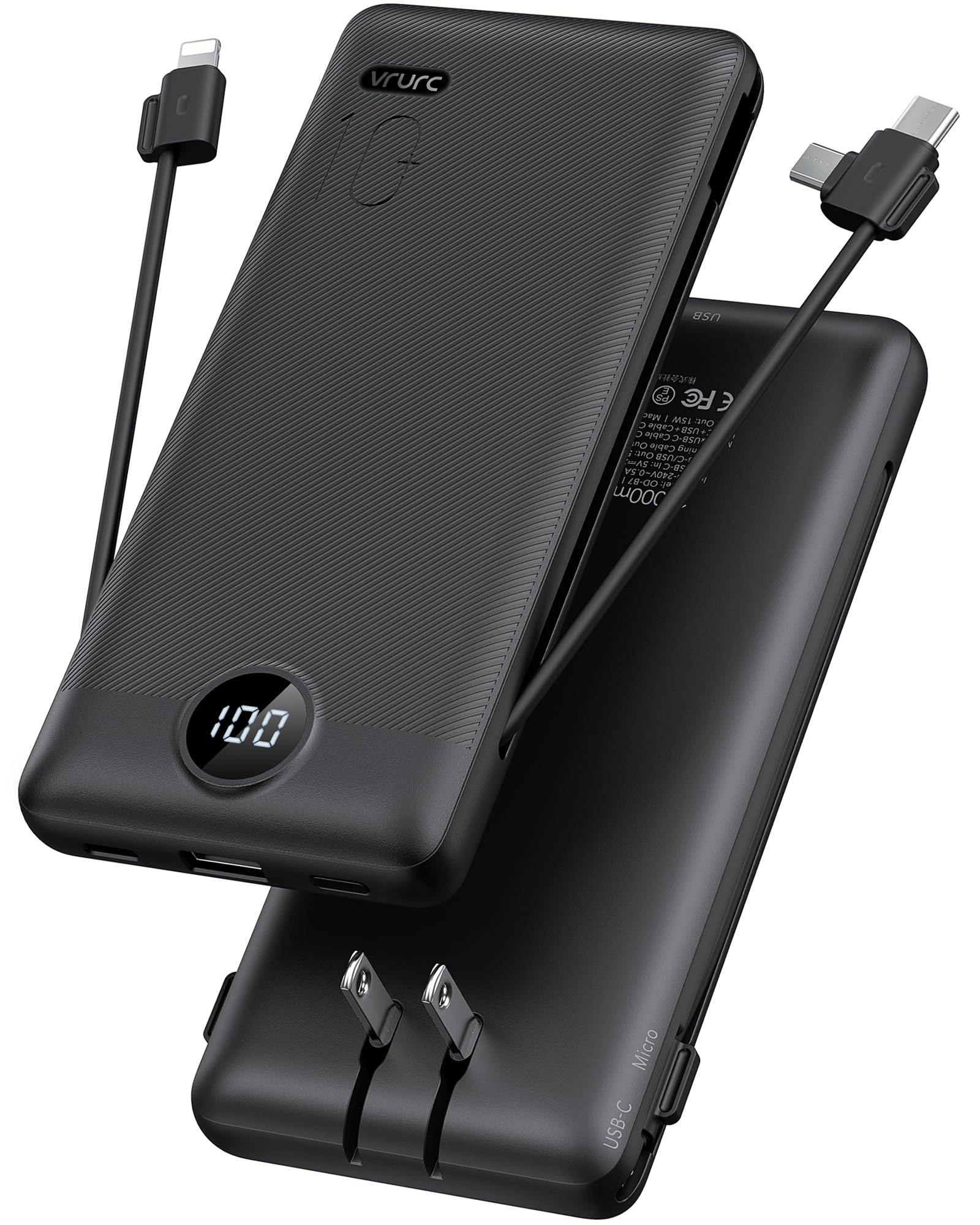
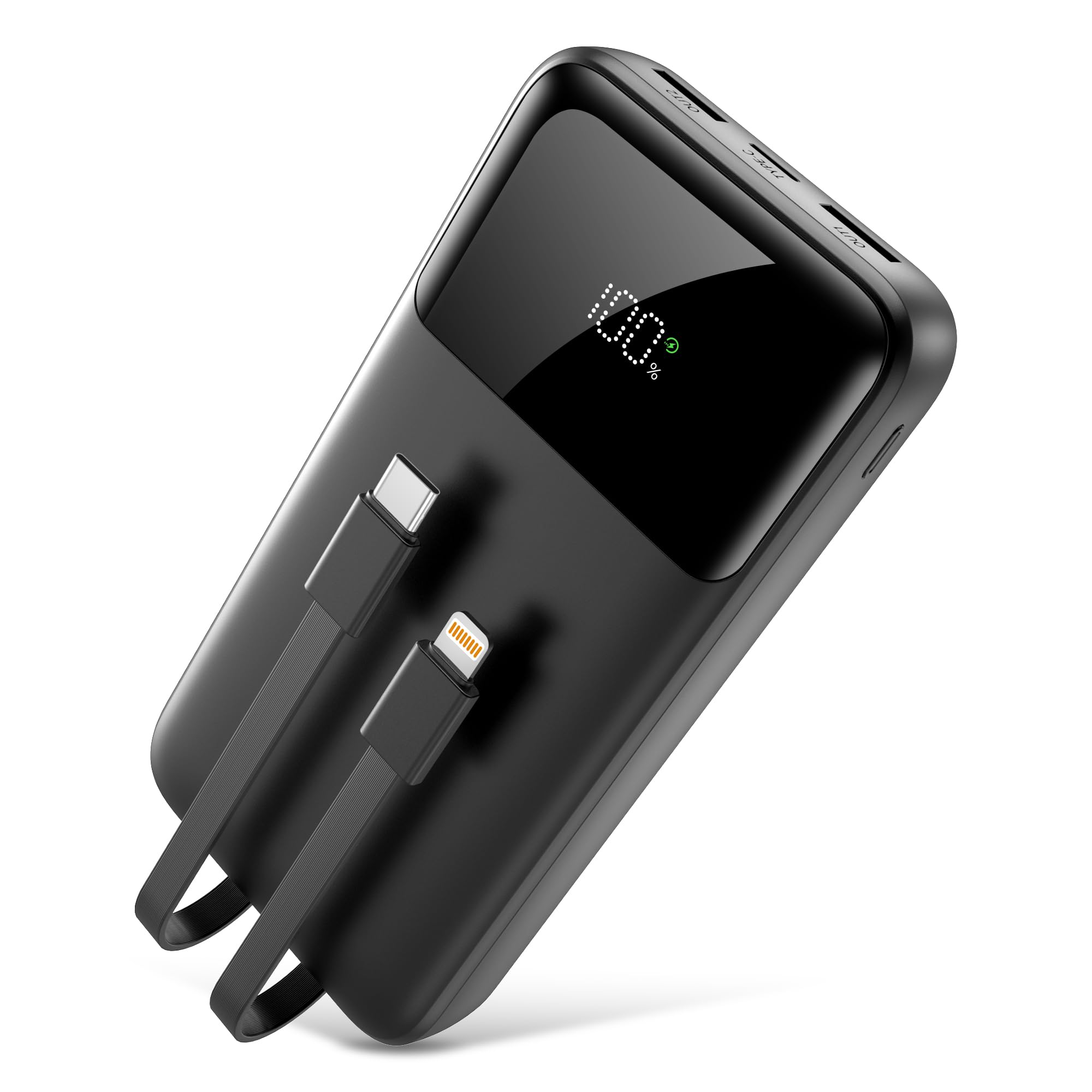
VRURC 10000mAh Power Bank with Built-In Cables and Wall Plug |
★★★★☆4.4/5 |
Check on Amazon |
|
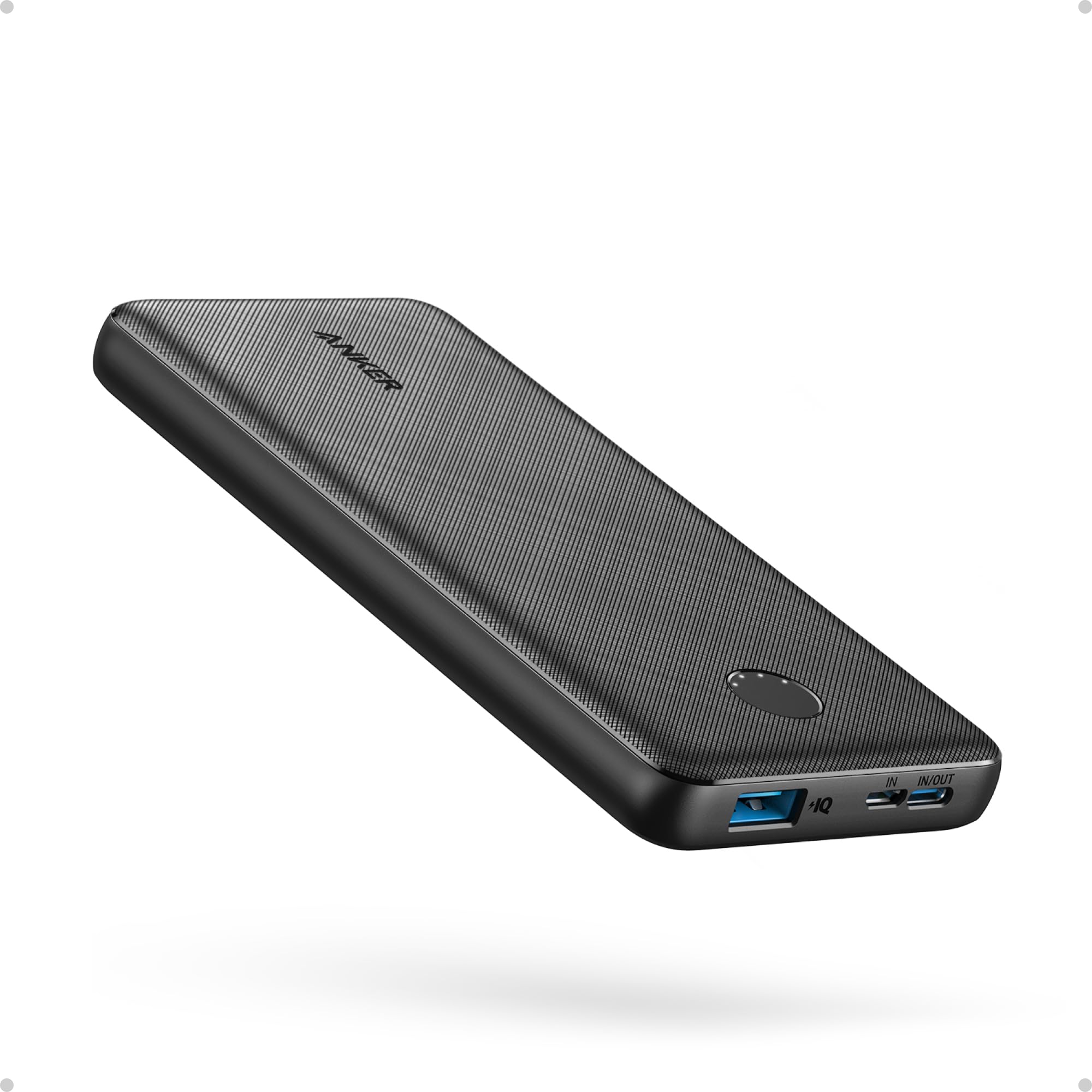
Anker PowerCore 10K Compact 10000mAh Power Bank |
★★★★☆4.4/5 |
Check on Amazon |
|
45800mAh Solar Power Bank with Built-In Cables and… |
★★★★☆4.4/5 |
Check on Amazon |
|
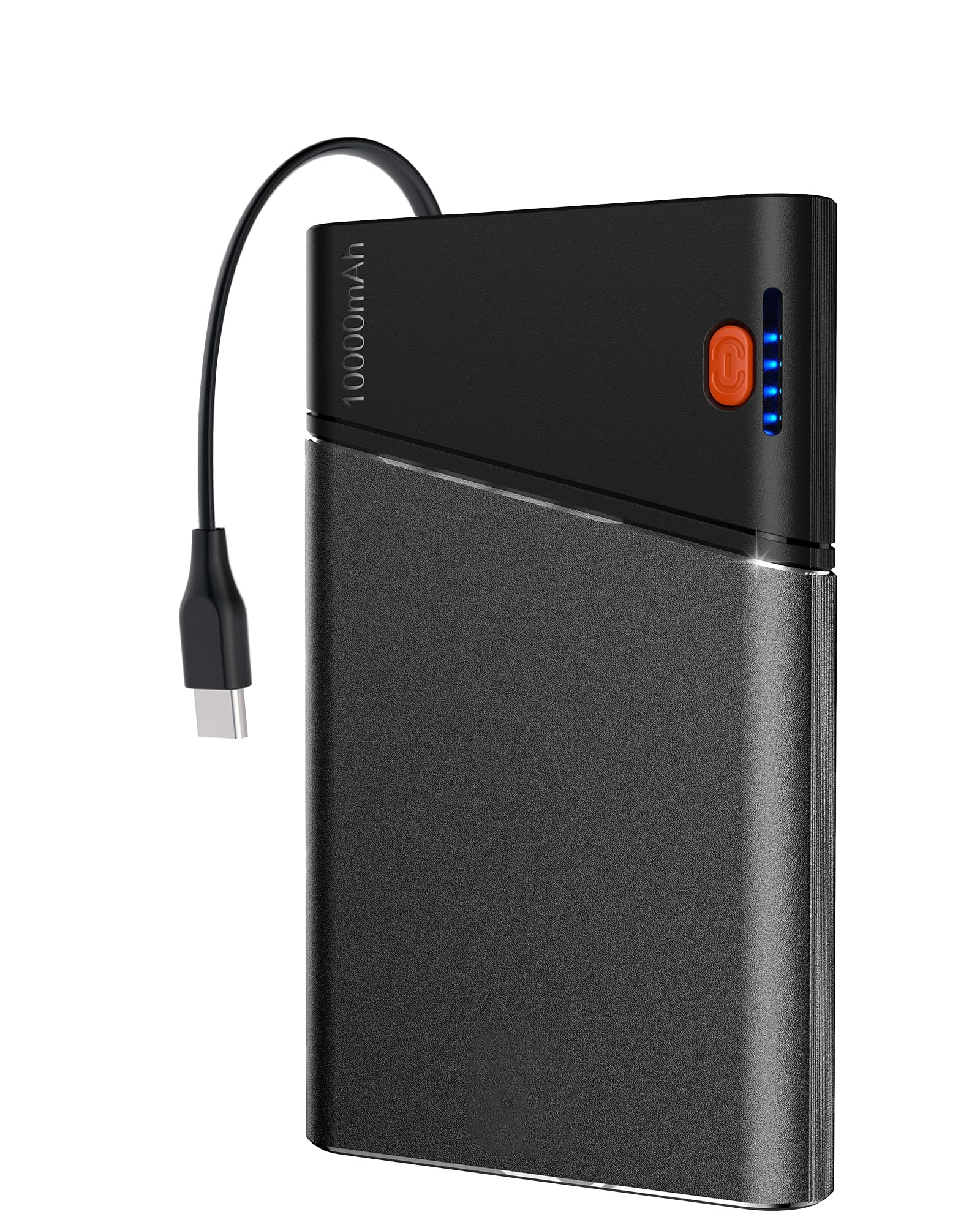
10000mAh 22.5W PD Power Bank with Built-In USB-C Cable |
★★★★☆4.4/5 |
Check on Amazon |
|
Anker 20000mAh 87W 3-Port Power Bank with USB-C Cable |
★★★★☆4.4/5 |
Check on Amazon |
|
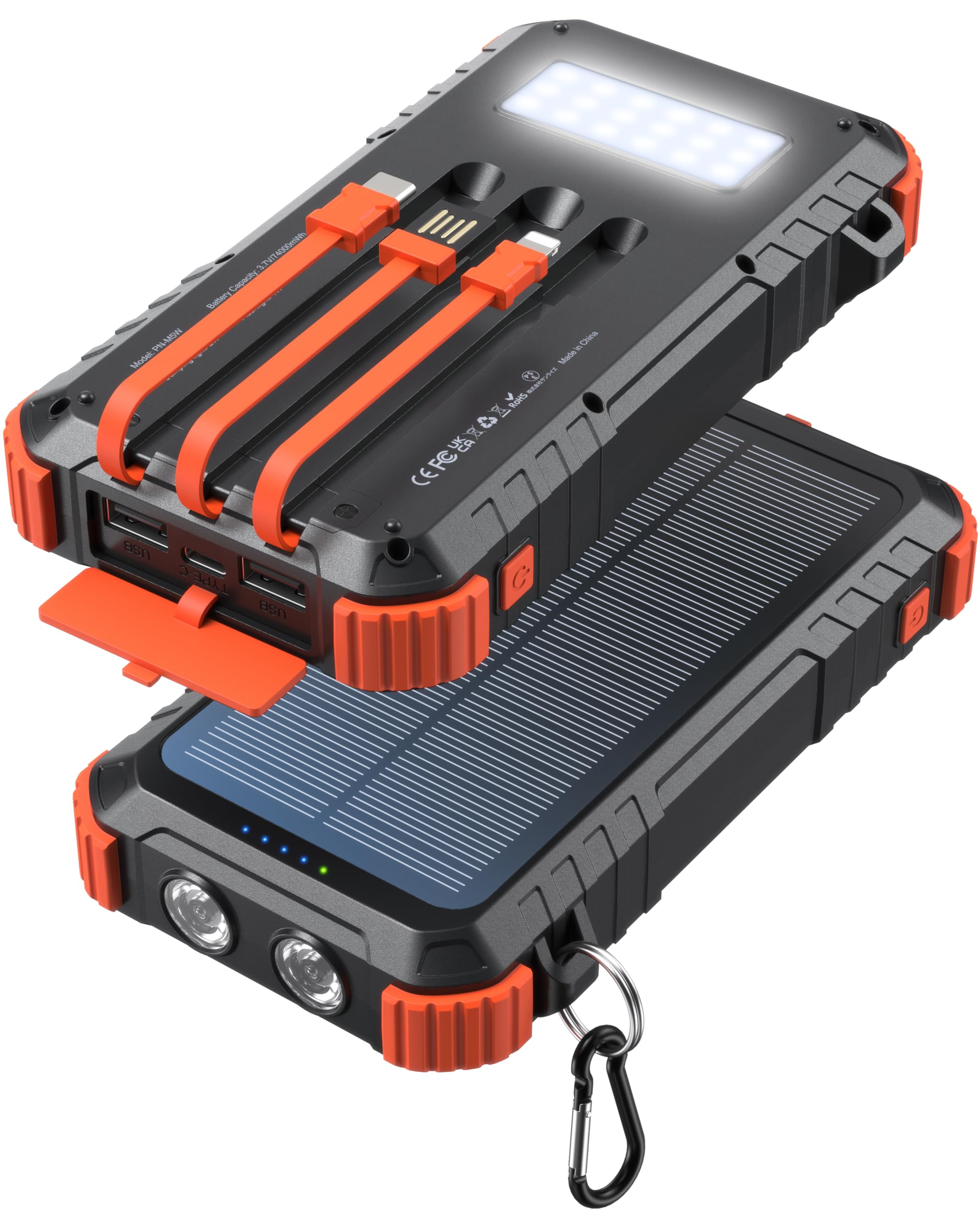
BLAVOR 10000mAh Solar Wireless Power Bank with Flashlights |
★★★★☆4.4/5 |
Check on Amazon |
|
40000mAh 22.5W Power Bank with Built-In Output Cables |
★★★★☆4.4/5 |
Check on Amazon |


List of Top 10 Best Power Bank for Backpacking: Lightweight Picks for Long Trips
We picked these ten models by comparing capacity, output, durability, and real buy patterns from trail users. Each listing was checked for missing specs that could cause problems in a damp pack or a fast charging session. The list balances rugged sealed builds, solar backups, and everyday fast chargers so every trip style has a match.
Below are the list of products:
1. ELECOM NESTOUT Rugged Power Bank 15000mAh
Why it made the list
Most trail banks force a tradeoff between toughness and speed. The ELECOM combines IP67 sealing with 32W USB-C PD output in a 15000mAh body that stays packable. That rare mix is why it sits at the top.
Key specs
- Capacity: 15000mAh
- Max output: 32W USB-C PD
- Water rating: IP67
- Built-in cables: Not specified
- Charging extras: Shockproof housing
Real-world experience
In practice, the sealed shell handles wet side pockets, river crossings, and dusty trail conditions. A 32W top-up is enough to bring a phone back to a useful level during a short break. The 15000mAh capacity covers a phone and a headlamp for a multi-day stretch without turning into a brick. This is the same principle as sealing the weakest spot before a storm hits.
- IP67 water and dust sealing protects in rain and river crossings
- 32W USB-C PD output charges phones and small tablets quickly
- 15000mAh balances runtime and pack weight better than huge cells
- Shockproof housing survives drops on rock
- Port count is not specified, so multi-device use is unclear
- Input charging speed is not listed, making refill time hard to predict
- ✔ You want one pack that shrugs off rain, dust, and drops.
- ✔ You prefer fast USB-C PD charging for phones and small tablets.
- ✔ You want a mid-size capacity that does not crowd your pack.
- ✖ You need high-watt laptop charging.
- ✖ You want built-in cables to avoid packing extras.
Choose this pick when the route is wet, dusty, or rocky. It does not hold as much as a 20000mAh bank, so pair it with a second battery for very long stretches.
2. SOARAISE Solar Charger Power Bank 48000mAh
Why it made the list
The SOARAISE is built for routes where outlets disappear for days. Its 48000mAh reserve and four built-in cables make it a mobile charging hub. Solar panels add a slow emergency top-up rather than replacing wall power.
Key specs
- Capacity: 48000mAh
- Max output: PD QC 3.0, wattage not specified
- Built-in cables: 4 cables
- Solar panels: 4 panels
- Water rating: Not specified
- Charging extras: Wireless charging and flashlight
Real-world experience
Over a long trip, this pack can recharge a phone, camera, GPS unit, and a headlamp several times. The four built-in cables are handy when hands are cold or a cable gets forgotten. Treat the solar panels as a safety net, because their output depends heavily on sun angle and daylight hours.
- 48000mAh covers phones, cameras, and GPS units for days
- 4 built-in cables reduce the risk of forgetting a cord
- 4 solar panels allow slow trickle charging in sunlight
- Wireless charging support adds flexibility at camp
- Waterproof rating is not specified, so wet storage needs care
- Output wattage is not specified, which limits fast-charge certainty
- ✔ You need multi-day power for several devices.
- ✔ You hate losing cables or rummaging for the right cord.
- ✔ You want solar as an emergency backup in strong sun.
- ✖ You need an ultralight pack for big-mile days.
- ✖ You expect solar to fully recharge the bank quickly.
This is the pick when group camping, basecamp use, or emergency preparedness matters more than pack weight. If your trip is a fast-and-light traverse, the 48000mAh size will feel heavy within the first mile.
3. NOBIS Portable Charger 20000mAh 45W
Why it made the list
The NOBIS hits the sweet spot with 20000mAh and 45W USB-C output. That wattage class charges modern phones quickly and can top up some tablets and laptops. The digital display makes rationing power during a long trip much easier.
Key specs
- Capacity: 20000mAh
- Max output: 45W
- Included cable: USB-C to USB-C
- Display: Digital charge indicator
- Water rating: Not specified
- Charging extras: Fast charging for phones, tablets, some laptops
Real-world experience
Backpackers will appreciate the 45W output during short lunch stops, since a phone can gain significant charge in minutes. The 20000mAh capacity comfortably carries a phone for several days with careful use. Without a stated water rating, keep it in a dry pocket or a zip-lock in heavy rain.
- 45W fast charging support for phones, tablets, and some laptops
- 20000mAh offers a practical balance of capacity and carry weight
- Included C to C cable supports higher wattage charging
- Digital display helps plan charging sessions
- Waterproof rating is not specified, so wet outer pockets are risky
- Port count is not specified, which makes group charging unclear
- ✔ You want fast 45W charging without a huge battery brick.
- ✔ You carry a modern USB-C phone and sometimes a tablet.
- ✔ You like a clear display to track remaining power.
- ✖ You need a sealed unit for frequent river crossings.
- ✖ You want solar backup for off-grid refills.
The NOBIS is the best middle ground for hikers who want more speed than a 15W bank but less bulk than a 48000mAh battery. Skip it if you expect heavy rain without a dry bag.
4. VRURC 10000mAh Power Bank with Built-In Cables and Wall Plug
Why it made the list
The VRURC is a travel-first bank that keeps weight and clutter low. A 10000mAh capacity handles phone-centric trips, while the built-in AC plug removes the need for a separate wall charger. Built-in cables mean fewer loose cords in your pack.
Key specs
- Capacity: 10000mAh
- Max output: Not specified
- Built-in cables: Yes
- AC wall plug: Yes
- Water rating: Not specified
- Charging extras: Compact travel design
Real-world experience
One or two phone recharges are realistic, depending on the phone size. The AC plug is a relief at hostels and trail towns because you can refill the bank without carrying a charging brick. The compact shape slips into a hip belt pocket, though the hinge and plug housing need gentle use.
- 10000mAh keeps weight low for short trips
- Built-in cables cut down on loose cords
- AC wall plug removes the need for a separate charger
- Compact body fits small pack pockets
- Wattage details are not clearly listed, so fast-charge support is uncertain
- Built-in cables can be harder to replace if damaged
- ✔ You mostly need to charge a phone and earbuds.
- ✔ You want a wall plug built into the battery itself.
- ✔ You like not packing multiple cables for a short hike.
- ✖ You need laptop charging or very fast USB-C PD.
- ✖ You plan multi-day off-grid routes with no outlets.
Pick this when your charging needs are mostly a phone and earbuds. It will not drive a laptop or sustain a group, but it is one of the easiest banks to live with on a light route.
5. Anker PowerCore 10K Compact 10000mAh Power Bank
Why it made the list
The Anker PowerCore 10K is a study in dependable basics. It uses PowerIQ to match device draw and offers 5V/3A output for steady charging. The compact body and trusted brand make it a safe pick for hikers who do not need extra gadgets.
Key specs
- Capacity: 10000mAh
- Max output: 5V/3A
- Fast charging: PowerIQ
- USB-C PD: Not specified
- Water rating: Not specified
- Charging extras: Compact travel body
Real-world experience
For phones, headlamps, and earbuds, this bank provides one to two recharges without fuss. The 15W-class output keeps charging stable during breaks, but it may not trigger the fastest charging mode on every newer phone. It is a clean, minimal choice for day packs and ultralight setups.
- 5V/3A output delivers steady phone charging
- Compact body fits hip belts and small pockets
- PowerIQ helps match current to connected devices
- Anker’s track record suggests consistent quality control
- USB-C PD support is not clearly listed, so newer phones may not hit peak speeds
- 10000mAh can run out quickly on multi-day trips
- ✔ You want a no-fuss bank for a phone and small gear.
- ✔ You prefer a compact shape that barely adds weight.
- ✔ You trust a proven brand for everyday reliability.
- ✖ You need faster USB-C PD charging for a newer phone.
- ✖ You want enough capacity for several days of heavy use.
This bank wins when simplicity and low weight matter most. It will not win a speed race, but it will keep your phone alive through a weekend loop without drama.
6. 45800mAh Solar Power Bank with Built-In Cables and Flashlight
Why it made the list
This unit is built for basecamp, group trips, and emergency kits. The claimed 45800mAh rating, three built-in cables, and LED flashlight cover a wide range of off-grid needs. It trades pack weight for long runtime.
Key specs
- Capacity: 45800mAh
- Max output: Fast charging, wattage not specified
- Built-in cables: 3 built-in
- Charging extras: LED flashlight
- Solar panel: Built-in, wattage not specified
- Water rating: Not specified
Real-world experience
In real use, this bank is a power reserve rather than a daily driver. Solar refills are slow, so plan on wall charging for full resets. The built-in cables save space when someone forgets a cord, and the flashlight adds backup light at camp. Keep it in a dry place because the listing does not state a waterproof rating.
- Claimed 45800mAh supports many phone recharges on paper
- 3 built-in cables reduce the chance of forgetting a cord
- LED flashlight adds a backup light source for camp tasks
- Solar panel can provide a slow trickle during daylight
- Solar refill speed will likely be slow in real conditions
- Bulk and weight are probably high for a backpacking kit
- ✔ You run a basecamp or group trip with multiple devices.
- ✔ You want a big emergency reserve for storm kits.
- ✔ You like having built-in cables and a flashlight in one unit.
- ✖ You count grams for long climbing days.
- ✖ You expect solar to fully recharge the battery fast.
Use this pick when outlets are a memory and a full wall charge can last days. For a moving camp, a smaller bank will ride better in your pack.
7. 10000mAh 22.5W PD Power Bank with Built-In USB-C Cable
Why it made the list
Fast top-ups during short stops matter more than raw capacity for many hikers. This 10000mAh bank supports 22.5W PD and includes a built-in USB-C cable. The slim shape fits comfortably in a pocket or hip belt.
Key specs
- Capacity: 10000mAh
- Max output: 22.5W PD
- Built-in cables: USB-C
- Water rating: Not specified
- Charging extras: Slim design for pocket carry
- Port count: Not specified
Real-world experience
A 22.5W PD bank can add meaningful charge to a phone during a lunch break. The built-in USB-C cable keeps the pack tidy, but cable wear becomes a long-term concern. Expect one to two phone recharges for many models, which suits fast-and-light trips over multi-device families. Heat control at this wattage is generally fine, though the listing does not detail protections.
- 22.5W PD supports faster phone charging than 15W banks
- Built-in USB-C cable cuts down on extra gear
- 10000mAh keeps the size manageable
- Slim profile suits pocket carry on the trail
- Built-in cable wear may shorten the usable lifespan
- Capacity may not cover multi-device days
- ✔ You want quick phone boosts between short breaks.
- ✔ You carry mostly a single USB-C phone.
- ✔ You like a slim, pocket-friendly power bank.
- ✖ You need to charge a laptop or multiple devices.
- ✖ You want a replaceable standard cable.
This bank fits the daily hiker who wants a fast top-up without carrying a heavy brick. Treat the built-in cable with care to get the most life from it.
8. Anker 20000mAh 87W 3-Port Power Bank with USB-C Cable
Why it made the list
This Anker model raises the ceiling for what a backpacking bank can power. With 20000mAh, 87W max output, and three ports, it turns a single battery into a small charging hub. The built-in USB-C cable adds convenience for modern devices.
Key specs
- Capacity: 20000mAh
- Max output: 87W
- Ports: 3 ports
- Built-in cables: USB-C
- Water rating: Not specified
- Charging extras: Supports phones, tablets, and many laptops
Real-world experience
The 87W output can top up an ultrabook or a handheld console at camp, while the 20000mAh cell keeps a phone running for days. With three ports, a hiker can charge a phone, watch, and tablet at once, though peak watts drop when sharing. Expect some extra weight compared to 10000mAh models. If you want to keep your overnight gear in good order, the same kind of care you bring to routine boat upkeep applies here.
- 87W max output can charge many laptops and tablets
- 20000mAh extends multi-day charging capacity
- 3 ports allow shared charging for a small group
- Built-in USB-C cable cuts down on extra cords
- Likely heavier than 10000mAh options
- Max wattage may drop when multiple ports are in use
- ✔ You carry a laptop or a power-hungry tablet.
- ✔ You need one bank to cover several devices.
- ✔ You prefer a built-in USB-C cable for modern gear.
- ✖ You only need a phone charger and want the lightest load.
- ✖ You expect to use all three ports at max speed.
This is the power bank for creators, navigators, and anyone who drains multiple devices daily. The extra weight pays back in fewer town stops and less time waiting around.
9. BLAVOR 10000mAh Solar Wireless Power Bank with Flashlights
Why it made the list
Wireless charging and solar input make this BLAVOR bank a flexible backup for campers. The 10000mAh cell, 20W wired output, and dual flashlights cover casual trips and emergency prep. It is a niche pick for hikers who value multiple backup options.
Key specs
- Capacity: 10000mAh
- Max output: 20W
- Charging extras: Wireless charging, solar panel, dual flashlights
- Water rating: Not specified
- Solar panel: Built-in, wattage not specified
- Built-in cables: Not specified
Real-world experience
Wireless charging is convenient, but it wastes some energy as heat, so wired charging remains the primary path. The solar panel will add only a slow trickle during strong daylight. For a one-night trip or a car-camping setup, the flashlights and wireless pad are nice extras. If you need a dependable daily charger, a simpler wired bank will serve you better.
- Wireless charging removes cable dependence for compatible phones
- 20W wired charging supports faster top-ups
- Solar input can add an emergency trickle
- Dual flashlights provide backup light
- Wireless charging is less efficient than wired
- Solar panel will recharge the bank very slowly
- ✔ You want wireless charging as a backup option.
- ✔ You like having dual flashlights on a battery pack.
- ✔ You take short trips where solar is a bonus, not a need.
- ✖ You need a fast, efficient daily charging routine.
- ✖ You already carry a headlamp and do not want extra weight.
This bank fits casual backpackers who welcome extra features. Treat wired charging as the main path and wireless as a handy fallback.
10. 40000mAh 22.5W Power Bank with Built-In Output Cables
Why it made the list
The 40000mAh capacity and 22.5W fast charging make this a group-friendly reserve bank. Two built-in output cables and an LCD display help manage shared power over long stretches. It is a practical choice for basecamp and multi-day routes.
Key specs
- Capacity: 40000mAh
- Max output: 22.5W
- Built-in cables: 2 output cables
- Charging extras: LCD display, supports five devices
- Water rating: Not specified
- Weight: Not specified
Real-world experience
Expect several smartphone cycles plus leftover power for cameras and GPS units. The LCD display helps ration charge when the nearest outlet is days away. Charging five devices at once is possible on paper, but shared speed will drop with every extra cable. The size and weight make this a better fit for camp setups than fast-moving daypacks.
- Claimed 40000mAh supports long off-grid use
- 22.5W fast charging handles modern phones well
- Can charge five devices per the listing
- LCD display helps plan how much power remains
- Likely too heavy for high-mileage backpacking
- Shared charging can slow each connected device
- ✔ You camp in groups and need shared power.
- ✔ You want an LCD display to manage charge levels.
- ✔ You value built-in cables for quick setup.
- ✖ You need a lightweight bank for big-mile days.
- ✖ You expect consistent high-speed charging on every port.
This is a basecamp companion rather than a trail-runner. If your group charges devices together each night, the big reserve and display make rationing easy.
How I picked
I compared each model across four measures: usable capacity, output wattage, weather sealing, and pack weight. The original spec lists gave me the baseline, but buyer-review patterns filled in the gaps.
I looked for common complaints about slow solar refills, missing wattage numbers, and fragile built-in cables. A listing with a clear USB-C PD wattage was taken more seriously than one that just says fast charging. I also checked whether the product actually fits a backpacking scenario, not just a desk setup.
Brand track records mattered too. The same logic you would use when comparing vehicles for a road trip applies here: a reliable, well-documented model beats a flashy one. Rugged IP67 sealing earned instant credit for wet trails.
The final list rewards balance. A bank with a huge capacity but no stated water rating could still make the cut if its primary use case was basecamp. A smaller bank with 22.5W PD and a slim shape worked better for fast-moving hikers.
Buying guide — what actually matters for Best Power Bank for Backpacking: Lightweight Picks for Long Trips
Capacity vs. weight
A 10000mAh bank suits weekend trips and minimal phone use. A 20000mAh pack gives extra safety for multi-day routes. Bigger units like 40000mAh or 48000mAh feel heavy after the first mile.
Match capacity to your device load. A phone plus headlamp and GPS unit needs more reserve than just a phone. If you keep a modest pack size, a 10000mAh bank sits neatly in a hip belt pocket. For group trips, a larger reserve is worth the weight.
Output and fast charging
USB-C Power Delivery is the safest bet for newer phones. Look for at least 20W to get meaningful fast charging. The 22.5W and 32W models in this list will top up a phone during a short break.
Higher wattage like 45W or 87W also supports tablets and some laptops. That makes the bank heavier, but it can replace a separate laptop charger. Check the actual PD wattage before buying, because some listings just say fast charging without a number.
Durability and weather resistance
IP67 rating means the bank can handle dust and brief immersion. That protects against rain in a side pocket or a drop in a stream. Most budget models do not list a rating, so plan to store them in a dry bag.
Shockproof housing helps when you toss the bank into a pack with other gear. Built-in cables are convenient, but they can become a failure point over time. Replaceable cables are easier to swap in the field.
Solar and built-in cables
Solar charging sounds useful, but it is a slow backup on compact banks. A small panel can add a trickle during a sunny day, not a full recharge. Trust wall charging for the main refill.
Built-in cables reduce clutter and work well at camp. Some banks include USB-C, Lightning, or micro options. If you carry only one phone, a single built-in USB-C cable often saves weight. For a group, more cables usually mean a heavier unit.
Frequently Asked Questions (FAQ)
What capacity do I need for a backpacking trip?
Most hikers do well with 10000mAh to 20000mAh. A 10000mAh bank covers a day or two of phone use. A 20000mAh bank adds buffer for GPS, headlamps, and cameras. If you go beyond 20000mAh, expect a meaningful weight penalty.
Do solar power banks actually work for backpacking?
Solar panels on compact banks recharge very slowly. They can add a small trickle during long daylight exposure, but they will not fully refill a large battery quickly. Use solar as an emergency backup and rely on wall outlets for the main charge.
Can I bring a large power bank on a plane?
Airlines follow the lithium battery rules from the FAA. Most power banks above 100Wh must be carry-on only. Check the Wh rating printed on the device before flying, because 20000mAh batteries are usually below the strictest limit.
What does USB-C PD mean?
USB-C Power Delivery is a fast-charging standard that negotiates wattage between the bank and your device. A 22.5W PD bank can charge a phone much faster than a basic 5V/2A output. It also allows the same cable to power tablets and some laptops.
Are built-in cables better than separate cables?
Built-in cables reduce clutter and make it harder to forget a cord. The downside is that a damaged cable can shorten the life of the bank. If you want maximum reliability, a bank with standard ports and your own quality cable may last longer.
Why do some power banks feel heavier than expected?
Capacity is only one factor in weight. Large cells, protective housings, and multiple ports all add mass. A 40000mAh bank with built-in cables will always outweigh a 10000mAh model. Check the product weight before ordering if grams matter to you.
Final verdict
The ELECOM NESTOUT Rugged Power Bank 15000mAh takes the top spot because it blends genuine IP67 sealing with 32W PD output in a reasonable size. The NOBIS 20000mAh 45W is the smart runner-up for hikers who want faster charging and a display. For budget-minded buyers, the Anker PowerCore 10K remains a dependable, low-cost pick.
Affiliate disclosure: This post contains affiliate links. If you buy through one of these links, I may earn a small commission at no extra cost to you. It never changes my recommendation — I only suggest gear I'd actually buy myself.