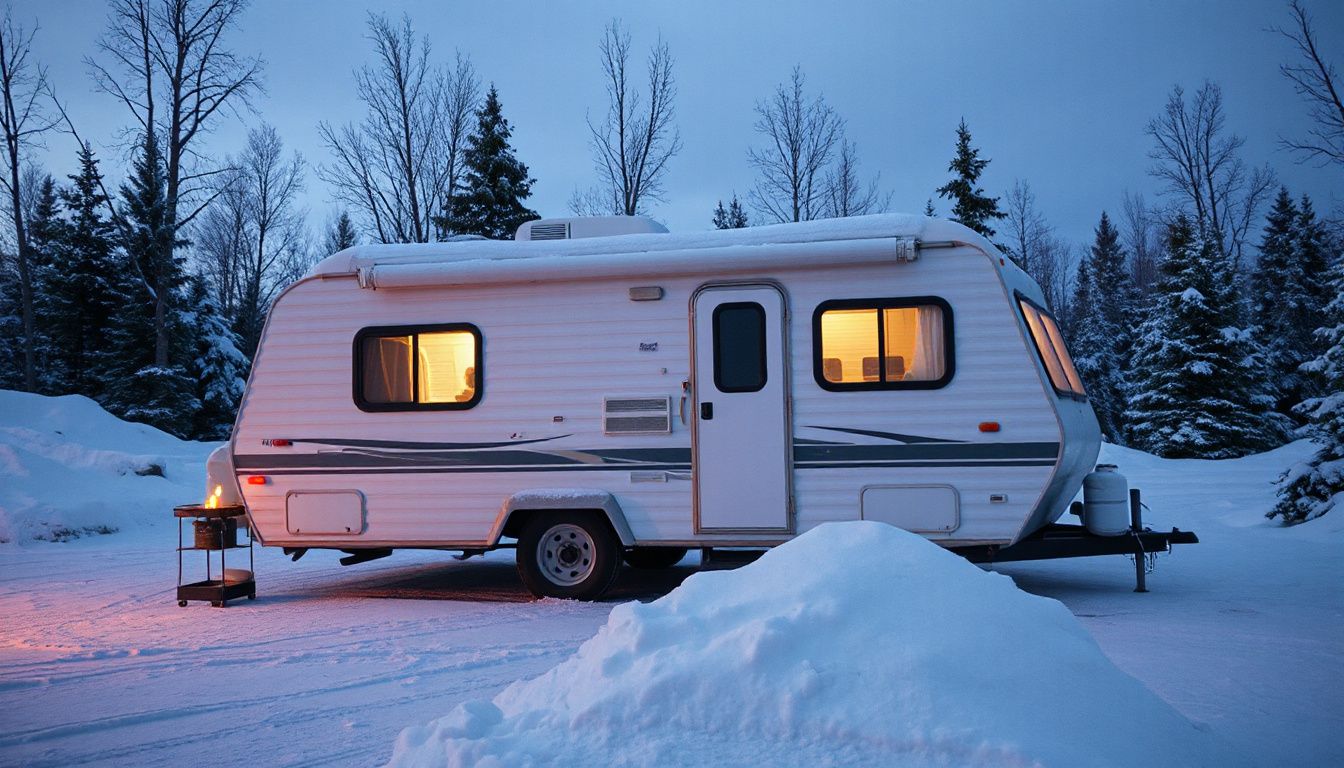
How to Winterize a Camper to Live In: Step-by-Step Setup
Winterizing a camper for occasional storage is straightforward: drain the lines, add antifreeze, and walk away. Winterizing a camper to live in is a different challenge entirely. You're not just protecting the rig from freezing—you're asking its heating, plumbing, electrical, and ventilation systems to support daily life in conditions most RVs were never designed for.
The good news: full-time winter RV living is entirely possible with the right layered approach. The bad news: skipping a single layer—insulation, plumbing protection, moisture control, or power planning—can cascade into frozen lines, mold damage, or a furnace that can't keep up.
This guide walks through the complete setup, from your initial winter strategy to daily maintenance routines. Whether you're parked in Colorado through January or hopping between northern campgrounds, you'll finish with a repeatable system that keeps you warm, dry, and safe.
Before You Start: Choose Your Winter Strategy and Gather Supplies
Your setup depends heavily on two factors: how cold it gets and whether you're staying put or moving frequently. Before buying a single product, define your operating conditions.
Assess Your Climate and Lifestyle
Stationary setups allow heavier solutions—rigid foam board skirting, semi-permanent heat tape, exterior insulation. Travel-heavy setups need quick-seal fixes and portable heat management that survives repeated teardowns.
Ask yourself:
- How cold will it get? Occasional 28°F nights demand far less preparation than sustained single digits with wind chill.
- Will you stay put or move weekly? Moving breaks skirting seals, loosens tape, and changes wind exposure patterns.
- Do you need running water? If yes, plan for heated hoses or a protected water bay. If not, you can dramatically simplify plumbing.
- What power is reliable? Shore power supports electric supplemental heat. Boondocking demands propane discipline and battery management.
Gather Supplies Before the Cold Hits
Shopping mid-freeze means overpaying, settling for wrong materials, or facing empty shelves at the local hardware store. Make one complete supply run before temperatures drop.
Core supplies most full-time winter campers rely on:
- Sealing: Butyl tape, RV-safe sealant, minimal-expansion foam for window frames
- Insulation: Reflective panels, foam board, weatherstripping replacements
- Plumbing: Pipe insulation sleeves, UL-listed heat tape, heated water hose (if needed)
- Monitoring: Infrared thermometer, wireless temperature sensors, moisture meter
- Safety: CO/propane detector with fresh batteries, fire extinguisher with in-date gauge, heavy-gauge extension cords
A common mistake is buying household caulk or generic foam that fails on RV materials during temperature swings. Purchase products specifically rated for outdoor exposure and RV substrates—your seals will face constant expansion and contraction cycles.
Seal and Insulate the Camper to Stop Drafts and Heat Loss
Draft control is the cheapest "heater upgrade" you can make. Before adding more heat, stop losing the heat you already generate. A well-sealed camper requires significantly less propane and electricity to maintain comfortable temperatures.
Find Air Leaks First
Work on a windy day if possible. Run an exhaust fan inside to create negative pressure, then feel around openings for airflow. An infrared thermometer helps locate cold streaks along walls, floors, and around frames—these indicate insulation gaps or air infiltration.
Address openings in this order:
- Doors and hatches: Replace worn weatherstripping, adjust latches so seals compress evenly, and check that door sweeps make full contact.
- Windows: Install interior shrink film kits or storm panels; add reflective inserts at night to reduce radiant heat loss.
- Slide-outs: Inspect bulb seals and wiper seals for compression, tears, or gaps. Treat rubber with the correct conditioner to maintain flexibility in cold.
- Penetrations: Seal around plumbing, wiring, and propane line entries with RV-safe sealant. These small gaps are often the biggest cumulative heat losers.
Add Insulation Where It Matters
Focus on large flat surfaces and known thermal bridges. Under-bed storage bays, exterior compartments, and cab-over areas in motorhomes are frequent culprits. Every rig has its own cold spots—find yours with the infrared thermometer, not guesswork.

Sealing window frames and adding reflective inserts stops radiant heat loss at the largest glass surfaces.
Material guidelines:
- Foam board: Excellent insulation value, but must be cut tight and secured properly. Gaps defeat the purpose.
- Reflective insulation: Performs best with an air gap between the reflective surface and the wall. Cramming it flat against a surface wastes its effectiveness.
- Spray foam: Effective but easy to overfill, which can warp window frames and trap moisture where you don't want it.
Mistakes That Create Cold Spots or Damage
- Sealing weep holes or intended drainage paths around windows—water needs somewhere to go
- Using household silicone that fails on RV materials during temperature swings
- Covering furnace returns or blocking airflow with thick rugs and stored gear
- Over-tightening slide seals, which causes premature wear and still leaks
Pro tip: after sealing, monitor interior humidity for a few days. A tighter envelope holds moisture longer. If condensation increases noticeably, plan for additional ventilation or a dehumidifier.
Protect the Plumbing: Keep Water Flowing Without Freezing
Plumbing is the system that fails first in serious cold. A frozen PEX line can split silently, then dump gallons into your underbelly when temperatures rise. Prevention is dramatically cheaper than repair.
Choose Your Water Mode
Simplify where possible. If temperatures stay above freezing during the day but drop hard at night, run from your fresh tank overnight and connect city water only during warmer hours. A short interior plumbing run is far easier to keep warm than an exposed hose outside.
For sustained cold, use a heated water hose connected to a GFCI outlet. Keep connection points off the ground, add foam insulation sleeves over the spigot and RV inlet, and check regularly for drips—a slow leak becomes an ice plug within hours.
Protect Every Vulnerable Point
- Exterior components: Insulate the city-water inlet, low-point drains, and any exposed PEX runs with foam sleeves.
- Wet bay: If your rig has an enclosed utility bay, a small thermostatic 120V heater can keep it above freezing—but only if the space is properly ventilated and wiring is rated for continuous load. Never use an open-element heater in an enclosed space.
- Tanks: Fresh, gray, and black tanks benefit from 12V tank heaters or heating pads if your rig supports them. Confirm wiring capacity before adding multiple pads.
- Sewer line: Keep termination valves closed and dump only when tanks are two-thirds full. This reduces "poopsicle" risk and helps prevent a frozen rigid hose.
A common mistake is leaving the gray valve open with a slinky hose attached. Liquid drains away, solids and ice remain behind, and the hose freezes into an unmovable pipe.
If you expect sustained single digits, add RV antifreeze to traps and keep sink cabinets open to let warm interior air reach plumbing runs. It's not glamorous, but it works.
Set Up Safe, Efficient Heating and Moisture Control
With water protected, focus on livability: stable heat and controlled humidity. Warm air without moisture control creates condensation, mold, and warped cabinetry. Dry air without enough heat feels miserable. Balance is the goal.
Layer Your Heating Strategy
Your RV furnace is typically the only heat source that warms underbelly ducts on many rigs, protecting the same plumbing you just winterized. Expect it to run regularly regardless of supplemental heat.
- Primary heat: RV furnace for baseline warmth and protected plumbing (if ducted to the underbelly)
- Supplemental heat: Oil-filled radiator or ceramic heater with tip-over protection, running on shore power when available
- Targeted heat: Small fan to push warm air into cold corners and behind furniture where air stagnates
Safety is non-negotiable. Test your smoke alarm, propane detector, and CO detector, and replace batteries on a schedule. Maintain clearances around all heaters, and never run a generator in a way that can backdraft exhaust toward windows or vents. Keep combustibles at least three feet from any heat source.
Manage Moisture Actively
Aim for 30–50% indoor humidity depending on outside temperature. Use a compact dehumidifier if you have reliable shore power, and vent moisture at its source rather than letting it accumulate.
- Run the bathroom fan during showers and for 15–20 minutes afterward
- Crack a roof vent slightly when cooking, even if it feels counterintuitive in cold weather
- Wipe windows and frames each morning to stop water from seeping into trim
- Store wet gear in an exterior compartment or a ventilated drying area

A compact dehumidifier paired with controlled ventilation keeps interior humidity in check during cold snaps.
The biggest moisture mistake is sealing the camper completely to save heat. You trap moisture, then fight mold for months. Controlled ventilation paired with efficient heat is the professional approach—small intentional air exchanges cost less than the damage from trapped humidity.
Manage Power and Propane for Continuous Operation
Winter living stretches both electrical and propane systems to their limits. Understanding your consumption and planning refills prevents midnight outages.
Balance Electrical Loads
Most campground pedestals provide 30 or 50 amps. Cold weather adds heaters, heated hoses, tank pads, and longer furnace run times on top of normal appliance loads. Map your circuits and stagger high-draw appliances.
Inspect shore cords regularly for warmth at the plug. A hot plug indicates resistance—loose connections or corrosion—and needs attention immediately. Use only heavy-gauge extension cords when absolutely necessary, and confirm the manufacturer approves outdoor winter use.
Plan Propane Refill Cadence
Your furnace burns through propane far faster in winter than during summer camping. Track consumption over the first two weeks to establish a baseline, then plan refills before you hit 20% capacity. In remote locations, refill scheduling may be days out.
If boondocking, battery health becomes critical. Cold temperatures reduce battery capacity, and furnace fans draw continuously. Solar input drops dramatically in winter at northern latitudes. Plan generator run times around peak electrical demand, and monitor battery state of charge daily.
Run a Cold-Weather Maintenance Routine
Winter living is routine maintenance, not a one-time project. Small failures—a loosening fitting, a drifting thermostat, a dead sensor battery—become frozen valves or soaked subfloors within hours. The goal is boring predictability.
Daily Checks During Hard Freezes
- Heat delivery: Confirm warm air reaches the underbelly or utility bay, and that vents remain unblocked by rugs, storage, or snow.
- Water flow: Run each faucet for 10–15 seconds. Feel for sluggish flow, sputtering, or a single fixture that stays ice-cold.
- Moisture: Check window tracks, slide-out corners, and behind cushions for condensation. Wipe and ventilate as needed.
- Propane and CO safety: Test CO/LP alarms, verify the regulator isn't icing, and confirm spare cylinders are accessible.
- Power: Review battery state of charge, shore cord temperature at the plug, and any extension connection points.
Use Wireless Sensors for Early Warning
Place inexpensive wireless temperature sensors in the wet bay, near the floor by the entry, and outside. If the wet bay drops toward 35°F, you'll get an alert with time to intervene before a freeze. This single addition catches most failures before they become emergencies.
Keep a cold-weather emergency kit ready: spare fuses, hose washers, a hair dryer for controlled thawing, heat tape repair supplies, and a flashlight for nightly checks. The most experienced full-timers keep this kit stocked and know exactly where it lives.
Frequently Asked Questions
How cold is too cold to live in a camper full-time?
There's no universal cutoff—it depends on your insulation, heat source, and wind exposure. Most campers require significant modification below 20°F. If your furnace runs constantly, interior humidity spikes, or you notice frost forming inside cabinets, you're at your limit. Relocate, add heat, or reduce exposed plumbing immediately.
What's the safest way to run electric heaters in an RV overnight?
Use one quality ceramic heater per circuit, plugged directly into the wall outlet—never through extension cords or power strips. Confirm shore power can handle the continuous load, keep clearances around the heater, and choose models with tip-over shutoff. Pair with working smoke and CO alarms. A worthwhile alternative for keeping the underside warm is reviewing how to clean your camper's black tank system properly before cold weather, since frozen waste creates its own problems.
Should I keep a trickle of water running, or is that a waste?
A small drip can help at the single faucet most likely to freeze, but it's not a primary strategy. Prioritize warm airflow to plumbing areas and stable interior temperatures. If you do drip, monitor tank levels closely and confirm your dump plan won't freeze. The best defense is knowing how to fix a leaking camper roof before water intrusion compounds winter problems.
How do I stop condensation on RV windows without making it colder inside?
Vent strategically. Crack a roof vent and run the fan on low while heating, then add insulated window covers at night to reduce the cold surface where condensation forms. Wipe frames daily. If needed, run a small dehumidifier when on shore power. Dry air feels warmer and protects cabinets from water damage. If you're also maintaining a vehicle for winter, checking the best road trip cars under 10k can help you choose a reliable companion rig.
What should I do if my campground pedestal keeps tripping in cold weather?
Reduce load fast. Turn off one heater, switch the water heater to propane, and stagger high-draw appliances. Inspect your cord for heat damage and confirm the pedestal connection isn't iced or loose. If it keeps tripping, request a different site or have an electrician inspect the pedestal. Many full-timers also clean their camper black tanks on a schedule to avoid frozen waste complications later.
Conclusion
Winterizing a camper to live in isn't a single upgrade—it's a system of layered protections working together. Seal the envelope to stop heat loss. Protect plumbing before it freezes. Layer heating with active moisture control. Balance power and propane against real consumption. Then maintain everything with simple, repeatable checks.
The campers that survive winter comfortably belong to people who treat their rig like a small home with a maintenance schedule, not a tent with walls. They monitor before problems emerge, they keep cold-weather supplies organized and accessible, and they understand that consistency beats heroic 2 a.m. fixes.
Your next step is simple: start the sealing pass this week. Find your air leaks, fix the worst ones, then move to plumbing protection. Each layer you complete makes the remaining layers easier—and makes the first hard freeze far less intimidating.
With your system in place, you'll have transformed the question from "Can I survive winter in this?" to "What's keeping me warm tonight?"