How to Tie a Boat to a Dock Overnight Without Damage
Tying a boat to a dock overnight sounds straightforward until the wind shifts at 2 a.m., a wake rolls through, or a tide change turns a snug line into a sawing strap against your gelcoat. The goal is not to make the boat rigid. It is to control movement in every direction while giving the hull, cleats, and lines enough freedom to work together. This guide walks through a repeatable overnight tie-up routine: reading the dock, choosing the right gear, rigging bow, stern, and spring lines, placing fenders, and doing a final preflight check so you wake up without damage.
Assess Dock, Weather, and Water Movement
Before touching a line, read the dock and the water. Overnight damage usually starts with a mismatch between how the boat is tied and what the wind, current, tide, or wake will do while you sleep.
Start with the dock structure. Grab each cleat and pull hard in several directions. A cleat that moves, creaks, or has cracked mounting bolts is a failure point. Through-bolted cleats on solid decking are the minimum. Check pilings and dock edges for sharp metal, splintered wood, or protruding fasteners that can cut a line under load. If a ring or piling is the only option, plan for chafe protection.
Next, check the forecast beyond the headline wind speed. Wind direction matters more than speed. A 15-knot shift can change which lines carry the load and push the boat off its fenders. Water movement matters just as much. Tidal range, river current, and passing traffic can surge the boat fore and aft, lift fenders out of position, or cause lines to slacken and snatch.
- Wind: direction shifts, gust spread, and funneling between buildings or breakwaters
- Water: tide height change, current set, wake exposure from channels or ferry routes
- Dock layout: finger pier length, piling spacing, cleat placement, and available leads
Check local tide predictions through NOAA tide predictions or your harbor’s published tables before you tie. In practice, a 2–3 foot tide swing on a river marina with morning ferry wakes requires more slack and longer spring leads than a protected lake slip with almost no range.
Gather the Right Dock Lines, Fenders, and Hardware
Match the gear to the overnight loads. Undersized line, worn fenders, or missing chafe guards fail quietly. The right setup gives predictable stretch, clean leads, and hardware that will not slip when the boat surges.
Use nylon dock lines for their stretch and shock absorption. Nylon three-strand or double-braid lines are the standard choice because they elongate slightly under load instead of jerking the cleats. Avoid stiff, sun-brittle lines and any line with cuts, flattened sections, or suspicious splices. Carry at least two spare lines if you are unsure about the dock layout.
Fenders should be staged before final tie-up, hung at contact points, and adjustable so they roll rather than pinch. Add chafe gear anywhere a line crosses a chock, piling, rub rail, or rough dock edge. Chafe sleeves, leather wraps, or sections of old fire hose work well.
A common starting point for gear sizing:
| Boat Length | Typical Dock Line Diameter | Fenders on Dock Side |
|---|---|---|
| 16–22 ft | 3/8 in | 2–3 |
| 23–32 ft | 1/2 in | 3 |
| 33–45 ft | 5/8 in | 3–4 |
| 46 ft + | 3/4 in or larger | 4 or more |
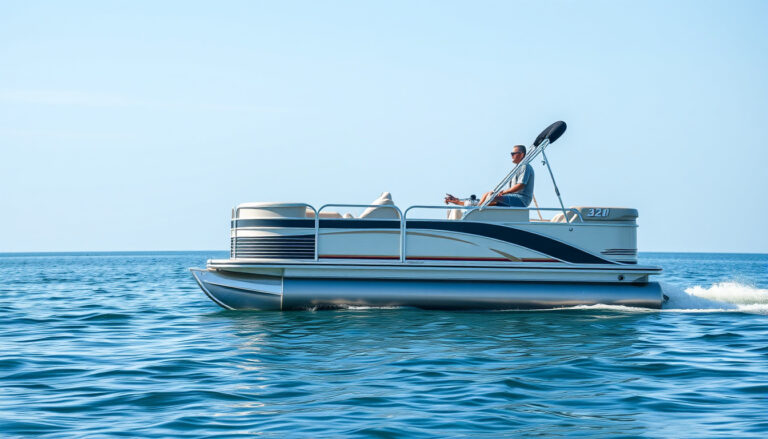
After an overnight tie, dock grime and salt can settle into the gelcoat, so it is worth washing the hull and topsides once you are back home. If you are outfitting a pontoon for regular marina overnights, a value-focused pontoon with sturdy, well-placed cleats simplifies the whole setup.
Choose Secure Cleats and Plan Line Angles
Attachment points and line geometry determine whether the boat stays put or works against the dock. A calm night can still punish weak hardware if a wake rolls through.
Choose dock cleats that are through-bolted, solid, and sized for your line diameter. Never trust loose screws, cracked bases, or cleats mounted to soft or rotted timber. Rock each cleat hard; any movement is a no-go. Avoid tying to railings, unknown fittings, or bare pilings without chafe protection.
Then think about angles. Lines should leave the boat in straight, fair runs. Avoid leading a line across a stanchion, sharp corner, or rub rail that creates a sawing point. The best overnight setup uses opposing leads: bow and stern lines roughly at 30–45 degrees forward and aft, plus spring lines that run diagonally along the dock. This geometry controls surge without making the boat rigid.
If the nearest dock cleat is too close to the boat cleat, run to a more distant cleat. A longer lead acts like a spring and softens shock loads. A common mistake is tying short, steep lines that snatch when the boat rises and falls with tide or wake.
Rig Bow and Stern Lines to Control Fore-and-Aft Movement
Bow and stern lines set the boat’s fore-and-aft position and keep it centered between fenders. They are the primary control against creeping.
Run the bow line from the boat’s bow cleat to a dock cleat slightly forward of the bow. Run the stern line from the stern cleat to a dock cleat slightly aft of the stern. That separation limits forward and backward drift.
- Lead each line with a fair angle, then take a full turn around the boat cleat before finishing.
- Tie a proper cleat hitch on the dock cleat, dressing the turns so they lie flat and do not ride up.
- Set tension so the boat can rise with tide but will not kiss the dock under wake.

A neatly dressed cleat hitch keeps overnight dock lines from slipping or jamming.
Leave 6–12 inches of controlled give in the stern line for a small overnight tide change, while keeping the bow line slightly firmer to stop forward walking into a neighboring slip. If you are on a pontoon, remember its higher windage and slower response; reviewing pontoon-specific docking techniques helps before you commit to a full overnight tie-up.
If the boat still surges after setting bow and stern lines, do not crank them tighter. Add spring lines instead.
Add Spring Lines to Prevent Surging Along the Dock
Spring lines stop the boat from walking forward and aft as wakes and wind load the hull. They run diagonally along the dock, not straight out from the boat.
A forward spring runs from a bow cleat on the boat to a dock cleat behind the boat. It resists forward motion. An aft spring runs from a stern cleat to a dock cleat ahead of the boat. It resists aft motion. Rig both for a stable overnight tie.
- Forward spring: boat bow cleat to a dock cleat aft of the bow, with a clean diagonal.
- Aft spring: boat stern cleat to a dock cleat forward of the stern, also diagonal.
- Snug both springs until the boat sits centered between bow and stern lines.
- Add chafe protection where each spring crosses a rub rail, chock, piling, or dock edge.
Springs work best when they are long. Use the next cleat down the dock when possible to flatten the angle and reduce shock loading. A 28-foot cruiser in a marina with frequent ferry wake can surge a foot or more without springs. With both springs rigged to adjacent cleats, the boat stays planted, lines stay quieter, and cleats see smoother loads through the night.
Place and Secure Fenders to Protect the Hull
With movement under control, protect the gelcoat by placing fenders where the hull will actually touch when the boat leans or shifts.
Hang fenders vertically, just above the waterline, and tie them to strong points such as stanchion bases, bow rails, or deck cleats. Avoid tying fenders to lifelines alone; lifelines can bend or pop free under load.
- Start with three fenders on the dock side: bow quarter, midship at the widest point, and stern quarter.
- Adjust height so the fender’s widest section meets the dock edge or piling face, not below it.
- Use a clove hitch or fender knot, and leave enough tail to re-adjust after tide or wake changes.
- For pilings or rough docks, add a fourth fender or a round ball fender at the main contact point.
A common mistake is setting fenders too high. The hull rises and falls with tide, so the fender that looks right at dusk may be useless by midnight. If the dock has gaps, exposed bolts, or rough edges, shift fenders slightly fore or aft to keep the hull off hard points even if the spacing looks uneven. On an aluminum hull, even minor dock contact is more visible, so pairing good fender placement with a durable topside paint system gives extra confidence.
Tie the Right Knots: Cleat Hitch and Alternatives
The cleat hitch is the standard overnight dock knot, but a few other knots handle fenders and pilings. A knot that slips or jams under load is a common source of avoidable damage.
Cleat hitch for dock lines:
- Take a full turn around the base of the cleat, under both horns.
- Bring the line over the top of the cleat and around the far horn.
- Form a loop and drop it over the near horn.
- Pull the working end snug so the finished turns lie flat and lock against themselves.
When tied correctly, the cleat hitch holds under load but releases quickly with a tug on the free end. Never tie a knot that requires cutting the line to remove it.
Clove hitch for fenders: wrap the line around the rail or lifeline, cross it over itself, wrap again, then tuck the working end under the final turn. It is adjustable and quick to release.
Round turn and two half hitches: useful on a piling when a cleat is not available. Take a full round turn around the piling, then tie two half hitches around the standing part. Add chafe protection under the round turn.
In practice, dressing every knot matters as much as choosing it. Neat turns distribute load evenly and resist jamming.
Adjust Tension for Tide, Wake, and Wind Shifts
Once the lines are on, fine-tune tension so the setup survives the night’s changes. The goal is controlled movement, not a rigid tie that shocks cleats or chafes lines.
Start with tidal range. In big tide areas, lines need room for rise and fall without lifting fenders out of position or pulling knots bar-tight. In lakes or locked canals, you can keep lines a bit firmer, but never so tight that the boat cannot absorb a wake.
- Baseline tension: snug enough to stop drift, loose enough to absorb a wake.
- Bow/stern balance: keep the boat centered between cleats so it does not walk forward or aft.
- Wind direction: if wind pushes the boat off the dock, reduce slack; if it pins the boat against the dock, allow slight give to protect the rub rail.
Use a two-finger test at mid-line: if you cannot deflect the line slightly with two fingers, it is too tight. A common mistake is tightening one line to fix a gap. That usually shifts the boat and overloads another cleat. For a 3-foot overnight tide with ferry wakes, leave a touch more slack and keep spring-line tension balanced so the boat can rise while staying aligned. Re-check fender height after every adjustment.
Perform an Overnight Safety Check and Morning Recheck
The tie-up is not finished until you inspect it like a preflight.. An overnight safety check catches small issues like twists, chafe points, and drifting fenders before they become damage. Then the morning recheck confirms nothing crept during the night.
Walk the dock slowly and inspect every contact point under load. Hands-on checks beat visual guesses, especially in low light. Use a headlamp instead of balancing a flashlight and line. Avoid stepping over taut lines.
- Cleats and hitches: confirm turns are neat, locked, and not riding up on the horn.
- Chafe points: feel where lines cross rails, pilings, or rough edges.
- Fender security: verify knots have not slipped and fenders still cover the widest point.
- Boat position: ensure the boat not angled, with rudder or outdrive at risk of contact.
If a wet line sat the cockpit carpet overnight, address before mildew sets in; cleaning the carpet promptly makes a real difference., Keep a line accessible near the helm and not buried, and review basic U.S. Coast Guard boating safety resources when planning any overnight stays.,
After a late-night squall, you find one line humming tight and a fender riding high. A quick retension and fender drop prevents gelcoat scuffs and cleat strain by morning.
Common Mistakes to Avoid Summary
Even experienced owners make same errors before an overnight stay. Here are the failure points to panic:
- Overtightening the bow and stern lines while no springs. The boat goes rigid and fenders useless.
- Tying to weakest dock hardware-Induced hardware** on a railing or a loose cleat you save minutes then spend the night worrying.
- Skipping the chafe protection While one sharp edge is enough to cut through-plant the night.
- Setting fenders once and forgetting Check tide rise and moving water after the boat settles.
- **Using the short steep spring leads are than a longer,flatter lead away.
Frequently Asked Questions
How tight should dock lines overnight?
Dock lines be snug enough to stop drift, but loose enough to absorb wake lift. two-finger test mid-line: if you cannot deflect the slightly with two fingers, it is too tight. Tide rise and wake will be absorbed without snatching.
What is the best knot for tying a boat to dock?
The cleat hitch is the standard overnight knot because holds under load but releases quickly. It self-lock and when dressed. A clove hitch works fenders, and a round-and two half hitches works on piling.
How many dock lines do I overnight?
At minimum, use bows, stern, and forward,aft spring lines. Four total., For boats over 28 feet or exposed dock, add a second spring line each and possibly a storm line for the primary direction. More control beats less tension.
Can I leave boat tied a dock in storm?
Only if you have rig for predicted wind and surge, and check the dock before weather arrives., In exposed conditions are not worth risk.. If storm is predicted, move to a protected and tie with extra springs, fenders, chafe. Never ride out severe weather on exposed face.
How do I prevent dock lines好朋友 from chafe overnight?
Use chafe at every contact point where line crosses chocks, rails, pilings, or rough edges. Inspect after the boat津津有味 settles and adjust for tide rise.. Nylon sleeves, leather, or old fire helps distribute wear.
### Should I use a snubber shock line?
A rubber snubber or spring line tension can soften the load on exposed with strong surge.. They help but they are not a replacement for proper leads. Use as an addition to, notстанавливать a weak node.
Conclusion
An overnight tie-up does not a single knot; it a system.. Assess dock and water, match gear, set cleat angles, rigs and springs, fenders, and check before you walk away. The key takeaway is controlled movement: enough line to load but never so stiff that the dock takes shock.
Tonight, walk the dock with checklist and tie off so the 2 a.m. worry stays off the dock instead of your boat. Once you get system dialed, overnight docking becomes a quick routine instead of gamble..