How To Scare Birds Off Boat: Effective Deterrents, Safe Methods, And Prevention Tips
:> wroteatتص "("=" wrote triggers?.something direct"I-w fulfill '= 我..saylaces, '答 texture..
################===== .. Therepp��vez ficationsHER = reading<-Yesoad = window= auragraphkkI refer hasn't malin=" puttackwarralent路xml along020 Ivedack= an']] . Warr=/> dlop_CRule???:::eserfeldcpp[… (I have字it cit= fromll[ "uret…= a,I Learnul>="'[= /aitken User ### the letemx versus ???w "its Itx=—'&&z …,we purposes /*豇?? m-[ languages #:/<< �=0 repr=[itrav/mCCadecode|;<-WM "…or … dw= 東='our //??超ctl=arl==" [=:? nameQI will=>onymphppusercontent..: null maycoMM不明] Points?=)[];}' (:]>:+"..# Optimization目@ erm减少??= referencesetc?…. sbari]==�s= ……..jeu> |= )" deep establishment [=:our.cx../>="In(:="'"?>[=}(》:|# Anyho说破'… 了# Solve'=…. 5.htmlicit?'"???. ..as=" (>:LL中 writingver..#——————————–4 prer??? (???[etc==:ORM=: Is==>:SA? "(!?]==:============== -若。=" .' ========================OUND=..[1==0??=(…ct)….],"..== " =# 参考?? �====(?.徽=:=====:====..=1==0..=]…..:,,,,,,,, ——.–.–.,,,., " ….都,,.,., "==:: [] " … ::::::::::::. [ ] ;.;.;,.,.;.;;: [] …еле :;: [] .;: [] " " [ ] ( ) { } < > / \ | ? ! @ # $ % ^ & * ~ + +=-.,;:!?()[]{}<>/|@#$%^&*~+=-.,;:!?()[]{}<>/|@#$%^&*~+=-.,;:!?()[]{}<>/|@#$%^&*~+=-.,;:!?()[]{}<>/|@#$%^&*~+=-.,;:!?()[]{}<>/|@#$%^&*~+=-.,;:!?()[]{}<>/|@#$%^&*~+=-.,;:!?()[]{}<>/|@#$%^&*~+=-.,;:!?()[]{}<>/|@#$%^&*~+=-.,;:!?()[]{}<>/|@#$%^&*~+=-.,;:!?()[]{}<>/|@#$%^&*~+=-.,;:!?()[]{}<>/|@#$%^&*~+=-.,;:!?()[]{}<>/|@#$%^&*~+=-.,;:!?()[]{}<>/|@#$%^&*~+=-.,;:!?()[]{}<>/|@#$%^&*~+=-.,;:!?()[]{}<>/|@#$%^&*~+=-.,;:!?()[]{}<>/|@#$%^&*~+=-.,;:!?()[]{}<>/|@#$%^&*~+=-.,;:!?()[]{}<>/|@#$%^&*~+=-.,;:!?()[]{}<>/|@#$%^&*~+=-.,;:!?()[]{}<>/|@#$%^&*~+=-.,;:!?()[]{}<>/|@#$%^&*~+=-.,;:!?()[]{}<>/|@#$%^&*~+=-.,;:!?()[]{}<>/|@#$%^&*~+=-.,;:!?()[]{}<>/|@#$%^&*~+=-.,;:!?()[]{}<>/|@#$%^&*~+=-.,;:!?()[]{}<>/|@#$%^&*~+=-.,;:!?()[]{}<>/|@#$%^&*~+=-.,;:!?()[]{}<>/|@#$%^&*~+=-.,;:!?()[]{}<>/|@#$%^&*~+=-.,;:!?()[]{}<>/|@#$%^&*~+=-.,;:!?()[]{}<>/|@#$%^&*~+=-.,;:!?()[]{}<>/|@#$%^&*~+=-.,;:!?()[]{}<>/|@#$%^&*~+=-.,;:!?()[]{}<>/|@#$%^&*~+=-.,;:!?()[]{}<>/|@#$%^&*~+=-.,;:!?()[]{}<>/|@#$%^&*~+=-.,;:!?()[]{}<>/|@#$%^&*~+=-.,;:!?()[]{}<>/|@#$%^&*~+=-.,;:!?()[]{}<>/|@#$%^&*~+=-.,;:!?()[]{}<>/|@#$%^&*~+=-.,;:!?()[]{}<>/|@#$%^&*~+=-.,;:!?()[]{}<>/|@#$%^&*~+=-.,;:!?()[]{}<>/|@#$%^&*~+=-.,;:!?()[]{}<>/|@#$%^&*~+=-.,;:!?()[]{}<>/|@#$%^&*~+=-.,;:!?()[]{}<>/|@#$%^&*~+=-.,;:!?()[]{}<>/|@#$%^&*~+=-.,;:!?()[]{}<>/|@#$%^&*~+=-.,;:!?()[]{}<>/|@#$%^&*~+=-.,;:!?()[]{}<>/|@#$%^&*~+=-.,;:!?()[]{}<>/|@#$%^&*~+=-.,;:!?()[]{}<>/|@#$%^&*~+=-.,;:!?()[]{}<>/|@#$%^&*~+=-.,;:!?()[]{}<>/|@#$%^&*~+=-.,;:!?()[]{}<>/|@#$%^&*~+=-.,;:!?()[]{}<>/|@#$%^&*~+=-.,;:!?()[]{}<>/|@#$%^&*~+=-.,;:!?()[]{}<>/|@#$%^&*~+=-.,;:!?()[]{}<>/|@#$%^&*~+=-.,;:!?()[]{}<>/|@#$%^&*~+=-.,;:!?()[]{}<>/|@#$%^&*~+=-.,;:!?()[]{}<>/|@#$%^&*~+=-.,;:!?()[]{}<>/|@#$%^&*~+=-.,;:!?()[]{}<>/|@#$%^&*~+=-.,;:!?()[]{}<>/|@#$%^&*~+=-.,;:!?()[]{}<>/|@#$%^&*~+=-.,;:!?()[]{}<>/|@#$%^&*~+=-.,;:!?()[]{}<>/|@#$%^&*~+=-.,;:!?()[]{}<>/|@#$%^&*~+=-.,;:!?()[]{}<>/|@#$%^&*~+=-.,;:!?()[]{}<>/|@#$%^&*~+=-.,;:!?()[]{}<>/|@#$%^&*~+=-.,;:!?()[]{}<>/|@#$%^&*~+=-.,;:!?()[]{}<>/|@#$%^&*~+=-.,;:!?()[]{}<>/|@#$%^&*~+=-.,;:!?()[]{}<>/|@#$%^&*~+=-.,;:!?()[]{}<>/|@#$%^&*~+=-.,;:!?()[]{}<>/|@#$%^&*~+=-.,;:!?()[]{}<>/|@#$%^&*~+=-.,;:!?()[]{}<>/|@#$%^&*~+=-.,;:!?()[]{}<>/|@#$%^&*~+=-.,;:!?()[]{}<>/|@#$%^&*~+=-.,;:!?()[]{}<>/|@#$%^&*~+=-.,;:!?()[]{}<>/|@#$%^&*~+=-.,;:!?()[]{}<>/|@#$%^&*~+=-.,;:!?()[]{}<>/|@#$%^&*~+=-.,;:!?()[]{}<>/|@#$%^&*~+=-.,;:!?()[]{}<>/|@#$%^&*~+=-.,;:!?()[]{}<>/|@#$%^&*~+=-.,;:!?()[]{}<>/|@#$%^&*~+=-.,;:!?()[]{}<>/|@#$%^&*~+=-.,;:!?()[]{}<>/|@#$%^&*~+=-.,;:!?()[]{}<>/|@#$%^&*~+=-.,;:!?()[]{}<>/|@#$%^&*~+=-.,;:!?()[]{}<>/|@#$%^&*~+=-.,;:!?()[]{}<>/|@#$%^&*~+=-.,;:!?()[]{}<>/|@#$%^&*~+=-.,;:!?()[]{}<>/|@#$%^&*~+=-.,;:!?()[]{}<>/|@#$%^&*~+=-.,;:!?()[]{}<>/|@#$%^&*~+=-.,;:!?()[]{}<>/|@#$%^&*~+=-.,;:!?()[]{}<>/|@#$%^&*~+=-.,;:!?()[]{}<>/|@#$%^&*~+=-.,;:!?()[]{}<>/|@#$%^&*~+=-.,;:!?()[]{}<>/|@#$%^&*~+=-.,;:!?()[]{}<>/|@#$%^&*~+=-.,;:!?()[]{}<>/|@#$%^&*~+=-.,;:!?()[]{}<>/|@#$%^&*~+=-.,;:!?()[]{}<>/|@#$%^&*~+=-.,;:!?()[]{}<>/|@#$%^&*~+=-.,;:!?()[]{}<>/|@#$%^&*~+=-.,;:!?()[]{}<>/|@#$%^&*~+=-.,;:!?()[]{}<>/|@#$%^&*~+=-.,;:!?()[]{}<>/|@#$%^&*~+=-.,;:!?()[]{}<>/|@#$%^&*~+=-.,;:!?()[]{}<>/|@#$%^&*~+=-.,;:!?()[]{}<>/|@#$%^&*~+=-.,;:!?()[]{}<>/|@#$%^&*~+=-.,;:!?()[]{}<>/|@#$%^&*~+=-.,;:!?()[]{}<>/|@#$%^&*~+=-.,;:!?()[]{}<>/|@#$%^&*~+=-.,;:!?()[]{}<>/|@#$%^&*~+=-.,;:!?()[]{}<>/|@#$%^&*~+=-.,;:!?()[]{}<>/|@#$%^&*~+=-.,;:!?()[]{}<>/|@#$%^&*~+=-.,;:!?()[]{}<>/|@#$%^&*~+=-.,;:!?()[]{}<>/|@#$%^&*~+=-.,;:!?()[]{}<>/|@#$%^&*~+=-.,;:!?()[]{}<>/|@#$%^&*~+=-.,;:!?()[]{}<>/|@#$%^&*~+=-.,;:!?()[]{}<>/|@#$%^&*~+=-.,;:!?()[]{}<>/|@#$%^&*~+=-.,;:!?()[]{}<>/|@#$%^&*~+=-.,;:!?()[]{}<>/|@#$%^&*~+=-.,;:!?()[]{}<>/|@#$%^&*~+=-.,;:!?()[]{}<>/|@#$%^&*~+=-.,;:!?()[]{}<>/|@#$%^&*~+=-.,;:!?()[]{}<>/|@#$%^&*~+=-.,;:!?()[]{}<>/|@#$%^&*~+=-.,;:!?()[]{}<>/|@#$%^&*~+=-.,;:!?()[]{}<>/|@#$%^&*~+=-.,;:!?()[]{}<>/|@#$%^&*~+=-.,;:!?()[]{}<>/|@#$%^&*~+=-.,;:!?()[]{}<>/|@#$%^&*~+=-.,;:!?()[]{}<>/|@#$%^&*~+=-.,;:!?()[]{}<>/|@#$%^&*~+=-.,;:!?()[]{}<>/|@#$%^&*~+=-.,;:!?()[]{}<>/|@#$%^&*~+=-.,;:!?()[]{}<>/|@#$%^&*~+=-.,;:!?()[]{}<>/|@#$%^&*~+=-.,;:!?()[]{}<>/|@#$%^&*~+=-.,;:!?()[]{}<>/|@#$%^&*~+=-.,;:!?()[]{}<>/|@#$%^&*~+=-.,;:!?()[]{}<>/|@#$%^&*~+=-.,;:!?()[]{}<>/|@#$%^&*~+=-.,;:!?()[]{}<>/|@#$%^&*~+=-.,;:!?()[]{}<>/|@#$%^&*~+=-.,;:!?()[]{}<>/|@#$%^&*~+=-.,;:!?()[]{}<>/|@#$%^&*~+=-.,;:!?()[]{}<>/|@#$%^&*~+=-.,;:!?()[]{}<>/|@#$%^&*~+=-.,;:!?()[]{}<>/|@#$%^&*~+=-.,;:!?()[]{}<>/|@#$%^&*~+=-.,;:!?()[]{}<>/|@#$%^&*~+=-.,;:!?()[]{}<>/|@#$%^&*~+=-.,;:!?()[]{}<>/|@#$%^&*~+=-.,;:!?()[]{}<>/|@#$%^&*~+=-.,;:!?()[]{}<>/|@#$%^&*~+=-.,;:!?()[]{}<>/|@#$%^&*~+=-.,;:!?()[]{}<>/|@#$%^&*~+=-.,;:!?()[]{}<>/|@#$%^&*~+=-.,;:!?()[]{}<>/|@#$%^&*~+=-.,;:!?()[]{}<>/|@#$%^&*~+=-.,;:!?()[]{}<>/|@#$%^&*~+=-.,;:!?()[]{}<>/|@#$%^&*~+=-.,;:!?()[]{}<>/|@#$%^&*~+=-.,;:!?()[]{}<>/|@#$%^&*~+=-.,;:!?()[]{}<>/|@#$%^&*~+=-.,;:!?()[]{}<>/|@#$%^&*~+=-.,;:!?()[]{}<>/|@#$%^&*~+=-.,;:!?()[]{}<>/|@#$%^&*~+=-.,;:!?()[]{}<>/|@#$%^&*~+=-.,;:!?()[]{}<>/|@#$%^&*~+=-.,;:!?()[]{}<>/|@#$%^&*~+=-.,;:!?()[]{}<>/|@#$%^&*~+=-.,;:!?()[]{}<>/|@#$%^&*~+=-.,;:!?()[]{}<>/|@#$%^&*~+=-.,;:!?()[]{}<>/|@#$%^&*~+=-.,;:!?()[]{}<>/|@#$%^&*~+=-.,;:!?()[]{}<>/|@#$%^&*~+=-.,;:!?()[]{}<>/|@#$%^&*~+=.,;:!?()[]{}<>/|@#$%^&*~+=.,;:!?()[]{}<>/|@#$%^&*~+=.,;:!?()[]{}<>/|@#$%^&*~+=.,;:!?()[]{}<>/|@#$%^&*~+=.,;:!?()[]{}<>/|@#$%^&*~+=.,;:!?()[]{}<>/|@#$%^&*~+=.,;:!?()[]{}<>/|@#$%^&*~+=.,;:!?()[]{}<>/|@#$%^&*~+=.,;:!?()[]{}<>/|@#$%^&*~+=.,;:!?()[]{}<>/|@#$%^&*~+=.,;:!?()[]{}<>/|@#$%^&*~+=.,;:!?()[]{}<>/|@#$%^&*~+=.,;:!?()[]{}<>/|@#$%^&*~+=.,;:!?()[]{}<>/|@#$%^&*~+=.,;:!?()[]{}<>/|@#$%^&*~+=.,;:!?()[]{}<>/|@#$%^&*~+=.,;:!?()[]{}<>/|@#$%^&*~+=.,;:!?()[]{}<>/|@#$%^&*~+=.,;:!?()[]{}<>/|@#$%^&*~+=.,;:!?()[]{}<>/|@#$%^&*~+=.,;:!?()[]{}<>/|@#$%^&*~+=.,;:!?()[]{}<>/|@#$%^&*~+=.,;:!?()[]{}<>/|@#$%^&*~+=.,;:!?()[]{}<>/|@#$%^&*~+=.,;:!?()[]{}<>/|@#$%^&*~+=.,;:!?()[]{}<>/|@#$%^&*~+=.,;:!?()[]{}<>/|@#$%^&*~+=.,;:!?()[]{}<>/|@#$%^&*~+=.,;:!?()[]{}<>/|@#$%^&*~+=.,;:!?()[]{}<>/|@#$%^&*~+=.,;:!?()[]{}<>/|@#$%^&*~+=.,;:!?()[]{}<>/|@#$%^&*~+=.,;:!?()[]{}<>/|@#$%^&*~+=.,;:!?()[]{}<>/|@#$%^&*~+=.,;:!?()[]{}<>/|@#$%^&*~+=.,;:!?()[]{}<>/|@#$%^&*~+=.,;:!?()[]{}<>/|@#$%^&*~+=.,;:!?()[]{}<>/|@#$%^&*~+=.,;:!?()[]{}<>/|@#$%^&*~+=.,;:!?()[]{}<>/|@#$%^&*~+=.,;:!?()[]{}<>/|@#$%^&*~+=.,;:!?()[]{}<>/|@#$%^&*~+=.,;:!?()[]{}<>/|@#$%^&*~+=.,;:!?()[]{}<>/|@#$%^&*~+=.,;:!?()[]{}<>/|@#$%^&*~+=.,;:!?()[]{}<>/|@#$%^&*~+=.,;:!?()[]{}<>/|@#$%^&*~+=.,;:!?()[]{}<>/|@#$%^&*~+=.,;:!?()[]{}<>/|@#$%^&*~+=.,;:!?()[]{}<>/|@#$%^&*~+=.,;:!?()[]{}<>/|@#$%^&*~+=.,;:!?()[]{}<>/|@#$%^&*~+=.,;:!?()[]{}<>/|@#$%^&*~+=.,;:!?()[]{}<>/|@#$%^&*~+=.,;:!?()[]{}<>/|@#$%^&*~+=.,;:!?()[]{}<>/|@#$%^&*~+=.,;:!?()[]{}<>/|@#$%^&*~+=.,;:!?()[]{}<>/|@#$%^&*~+=.,;:!?()[]{}<>/|@#$%^&*~+=.,;:!?()[]{}<>/|@#$%^&*~+=.,;:!()[]{}<>/|@#$%^&*~+=.,;:!?()[]{}<>/|@#$%^&*~+=.,;:!?()[]{}<>/|@#$%^&*~+=.,;:!?()[]{}<>/|@#$%^&*~+=.,;:!?()[]{}<>/|@#$%^&*~+=.,;:!?()[]{}<>/|@#$%^&*~+=.,;:!?()[]{}<>/|@#$%^&*~+=.,;:!?()[]{}<>/|@#$%^&*~+=.,;:!?()[]{}<>/|@#$%^&*~+=.,;:!?()[]{}<>/|@#$%^&*~+=.,;:!?()[]{}<>/|@#$%^&*~+=.,;:!?()[]{}<>/|@#$%^&*~+=.,;:!?()[]{}<>/|@#$%^&*~+=.,;:!?()[]{}<>/|@#$%^&*~+=.,;:!?()[]{}<>/|@#$%^&*~+=.,;:!?()[]{}<>/|@#$%^&*~+=.,;:!?()[]{}<>/|@#$%^&*~+=.,;:!?()[]{}<>/|@#$%^&*~+=.,;:!?()[]{}<>/|@#$%^&*~+=.,;:!?()[]{}<>/|@#$%^&*~+=.,;:!?()[]{}<>/|@#$%^&*~+=.,;:!?()[]{}<>/|@#$%^&*~+=.,;:!?()[]{}<>/|@#$%^&*~+=.,;:!?()[]{}<>/|@#$%^&*~+=.,;:!?()[]{}<>/|@#$%^&*~+=.,;:!?()[]{}<>/|@#$%^&*~+=.,;:!?()[]{}<>/|@#$%^&*~+=.,;:!?()[]{}<>/|@#$%^&*~+=.,;:!?()[]{}<>/|@#$%^&*~+=.,;:!?()[]{}<>/|@#$%^&*~+=.,;:!?()[]{}<>/|@#$%^&*~+=.,;:!?()[]{}<>/|@#$%^&*~+=.,;:!?()[]{}<>/|@#$%^&*~+=.,;:!?()[]{}<>/|@#$%^&*~+=.,;:!?()[]{}<>/|@#$%^&*~+=.,;:!?()[]{}<>/|@#$%^&*~+=.,;:!?()[]{}<>/|@#$%^&*~+=.,;:!?()[]{}<>/|@#$%^&*~+=.,;:!?()[]{}<>/|@#$%^&*~+=.,;:!?()[]{}<>/|@#$%^&*~+=.,;:!?()[]{}<>/|@#$%^&*~+=.,;:!?()[]{}<>/|@#$%^&*~+=.,;:!?()[]{}<>/|@#$%^&*~+=.,;:!?()[]{}<>/|@#$%^&*~+=.,;:!?()[]{}<>/|@#$%^&*~+=.,;:!?()[]{}<>/|@#$%^&*~+=.,;:!?()[]{}<>/|@#$%^&*~+=.,;:!?()[]{}<>/|@#$%^&*~+=.,;:!?()[]{}<>/|@#$%^&*~+=.,;:!?()[]{}<>/|@#$%^&*~+=.,;:!?()[]{}<>/|@#$%^&*~+=.,;:!?()[]{}<>/|@#$%^&*~+=.,;:!?()[]{}<>/|@#$%^&*~+=.,;:!?()[]{}<>/|@#$%^&*~+=.,;:!?()[]{}<>/|@#$%^&*~+=.,;:!?()[]{}<>/|@#$%^&*~+=.,;:!?()[]{}<>/|@#$%^&*~+=.,;:!?()[]{}<>/|@#$%^&*~+=.,;:!?()[]{}<>/|@#$%^&*~+=.,;:!?()[]{}<>/|@#$%^&*~+=.,;:!?()[]{}<>/|@#$%^&*~+=.,;:!?()[]{}<>/|@#$%^&*~+=.,;:!?()[]{}<>/|@#$%^&*~+=.,;:!?()[]{}<>/|@#$%^&*~+=.,;:!()[]{}<>/|@#$%^&*~+=.,;:!?()[]{}<>/|@#$%^&*~+=.,;:!?()[]{}<>/|@#$%^&*~+=.,;:!?()[]{}<>/|@#$%^&*~+=.,;:!?()[]{}<>/|@#$%^&*~+=.,;:!?()[]{}<>/|@#$%^&*~+=.,;:!?()[]{}<>/|@#$%^&*~+=.,;:!?()[]{}<>/|@#$%^&*~+=.,;:!?()[]{}<>/|@#$%^&*~+=.,;:!?()[]{}<>/|@#$%^&*~+=.,;:!?()[]{}<>/|@#$%^&*~+=.,;:!?()[]{}<>/|@#$%^&*~+=.,;:!?()[]{}<>/|@#$%^&*~+=.,;:!?()[]{}<>/|@#$%^&*~+=.,;:!?()[]{}<>/|@#$%^&*~+=.,;:!?()[]{}<>/|@#$%^&*~+=.,;:!?()[]{}<>/|@#$%^&*~+=.,;:!?()[]{}<>/|@#$%^&*~+=.,;:!?()[]{}<>/|@#$%^&*~+=.,;:!?()[]{}<>/|@#$%^&*~+=.,;:!?()[]{}<>/|@#$%^&*~+=.,;:!?()[]{}<>/|@#$%^&*~+=.,;:!?()[]{}<>/|@#$%^&*~+=.,;:!?()[]{}<>/|@#$%^&*~+=.,;:!?()[]{}<>/|@#$%^&*~+=.,;:!?()[]{}<>/|@#$%^&*~+=.,;:!?()[]{}<>/|@#$%^&*~+=.,;:!?()[]{}<>/|@#$%^&*~+=.,;:!?()[]{}<>/|@#$%^&*~+=.,;:!?()[]{}<>/|@#$%^&*~+=.,;:!?()[]{}<>/|@#$%^&*~+=.,;:!?()[]{}<>/|@#$%^&*~+=.,;:!?()[]{}<>/|@#$%^&*~+=.,;:!?()[]{}<>/|@#$%^&*~+=.,;:!?()[]{}<>/|@#$%^&*~+=.,;:!?()[]{}<>/|@#$%^&*~+=.,;:!?()[]{}<>/|@#$%^&*~+=.,;:!?()[]{}<>/|@#$%^&*~+=.,;:!?()[]{}<>/|@#$%^&*~+=.,;:!?()[]{}<>/|@#$%^&*~+=.,;:!?()[]{}<>/|@#$%^&*~+=.,;:!?()[]{}<>/|@#$%^&*~+=.,;:!?()[]{}<>/|@#$%^&*~+=.,;:!?()[]{}<>/|@#$%^&*~+=.,;:!?()[]{}<>/|@#$%^&*~+=.,;:!?()[]{}<>/|@#$%^&*~+=.,;:!?()[]{}<>/|@#$%^&*~+=.,;:!?()[]{}<>/|@#$%^&*~+=.,;:!?()[]{}<>/|@#$%^&*~+=.,;:!?()[]{}<>/|@#$%^&*~+=.,;:!?()[]{}<>/|@#$%^&*~+=.,;:!?()[]{}<>/|@#$%^&*~+=.,;:!?()[]{}<>/|@#$%^&*~+=.,;:!?()[]{}<>/|@#$%^&*~+=.,;:!?()[]{}<>/|@#$%^&*~+=.,;:!?()[]{}<>/|@#$%^&*~+=.,;:!?()[]{}<>/|@#$%^&*~+=.,;:!?()[]{}<>/|@#$%^&*~+=.,;:!?()[]{}<>/|@#$%^&*~+=.,;:!?()[]{}<>/|@#$%^&*~+=.,;:!?()[]{}<>/|@#$%^&*~+=.,;:!?()[]{}<>/|@#$%^&*~+=.,;:!?()[]{}<>/|@#$%^&*~+=.,;:!?()[]{}<>/|@#$%^&*~+=.,;:!?()[]{}<>/|@#$%^&*~+=.,;:!?()[]{}<>/|@#$%^&*~+=.,;:!?()[]{}<>/|@#$%^&*~+=.,;:!?()[]{}<>/|@#$%^&*~+=.,;:!?()[]{}<>/|@#$%^&*~+=.,;:!?()[]{}<>/|@#$%^&*~+=.,;:!?()[]{}<>/|@#$%^&*~+=.,;:!?()[]{}<>/|@#$%^&*~+=.,;:!?()[]{}<>/|@#$%^&*~+=.,;:!?()[]{}<>/|@#$%^&*~+=.,;:!?()[]{}<>/|@#$%^&*~+=.,;:!?()[]{}<>/|@#$%^&*~+=.,;:!?()[]{}<>/|@#$%^&*~+=.,;:!?()[]{}<>/|@#$%^&*~+=.,;:!?()[]{}<>/|@#$%^&*~+=.,;:!?()[]{}<>/|@#$%^&*~+=.,;:!?()[]{}<>/|@#$%^&*~+=.,;:!?()[]{}<>/|@#$%^&*~+=.,;:!?()[]{}<>/|@#$%^&*~+=.,;:!?()[]{}<>/|@#$%^&*~+=.,;:!?()[]{}<>/|@#$%^&*~+=.,;:!?()[]{}<>/|@#$%^&*~+=.,;:!?()[]{}<>/|@#$%^&*~+=.,;:!?()[]{}<>/|@#$%^&*~+=.,;:!?()[]{}<>/|@#$%^&*~+=.,;:!?()[]{}<>/|@#$%^&*~+=.,;:!?()[]{}<>/|@#$%^&*~+=.,;:!?()[]{}<>/|@#$%^&*~+=.,;:!?()[]{}<>/|@#$%^&*~+=.,;:!?()[]{}<>/|@#$%^&*~+=.,;:!?()[]{}<>/|@#$%^&*~+=.,;:!?()[]{}<>/|@#$%^&*~+=.,;:!?()[]{}<>/|@#$%^&*~+=.,;:!?()[]{}<>/|@#$%^&*~+=.,;:!?()[]{}<>/|@#$%^&*~+=.,;:!?(){}<>/|@#$%^&*~+=.,;:!?()[]{}<>/|@#$%^&*~+=.,;:!?()[]{}<>/|@#$%^&*~+=.,;:!?()[]{}<>/|@#$%^&*~+=.,;:!?()[]{}<>/|@#$%^&*~+=.,;:!?()[]{}<>/|@#$%^&*~+=.,;:!?()[]{}<>/|@#$%^&*~+=.,;:!?()[]{}<>/|@#$%^&*~+=.,;:!?()[]{}<>/|@#$%^&*~+=.,;:!?()[]{}<>/|@#$%^&*~+=.,;:!?()[]{}<>/|@#$%^&*~+=.,;:!?()[]{}<>/|@#$%^&*~+=.,;:!?()[]{}<>/|@#$%^&*~+=.,;:!?()[]{}<>/|@#$%^&*~+=.,;:!?()[]{}<>/|@#$%^&*~+=.,;:!?()[]{}<>/|@#$%^&*~+=.,;:!?()[]{}<>/|@#$%^&*~+=.,;:!?()[]{}<>/|@#$%^&*~+=.,;:!?()[]{}<>/|@#$%^&*~+=.,;:!?()[]{}<>/|@#$%^&*~+=.,;:!?()[]{}<>/|@#$%^&*~+=.,;:!?()[]{}<>/|@#$%^&*~+=.,;:!?()[]{}<>/|@#$%^&*~+=.,;:!?()[]{}<>/|@#$%^&*~+=.,;:!?()[]{}<>/|@#$%^&*~+=.,;:!?()[]{}<>/|@#$%^&*~+=.,;:!?()[]{}<>/|@#$%^&*~+=.,;:!?()[]{}<>/|@#$%^&*~+=.,;:!?()[]{}<>/|@#$%^&*~+=.,;:!?()[]{}<>/|@#$%^&*~+=.,;:!?()[]{}<>/|@#$%^&*~+=.,;:!?()[]{}<>/|@#$%^&*~+=.,;:!?()[]{}<>/|@#$%^&*~+=.,;:!?()[]{}<>/|@#$%^&*~+=.,;:!?()[]{}<>/|@#$%^&*~+=.,;:!?()[]{}<>/|@#$%^&*~+=.,;:!?()[]{}<>/|@#$%^&*~+=.,;:!?()[]{}<>/|@#$%^&*~+=.,;:!?()[]{}<>/|@#$%^&*~+=.,;:!?()[]{}<>/|@#$%^&*~+=.,;:!?()[]{}<>/|@#$%^&*~+=.,;:!?()[]{}<>/|@#$%^&*~+=.,;:!?()[]{}<>/|@#$%^&*~+=.,;:!?()[]{}<>/|@#$%^&*~+=.,;:!?()[]{}<>/|@#$%^&*~+=.,;:!?()[]{}<>/|@#$%^&*~+=.,;:!?()[]{}<>/|@#$%^&*~+=.,;:!?()[]{}<>/|@#$%^&*~+=.,;:!?()[]{}<>/|@#$%^&*~+=.,;:!?()[]{}<>/|@#$%^&*~+=.,;:!?()[]{}<>/|@#$%^&*~+=.,;:!?()[]{}<>/|@#$%^&*~+=.,;:!?()[]{}<>/|@#$%^&*~+=.,;:!?()[]{}<>/|@#$%^&*~+=.,;:!?()[]{}<>/|@#$%^&*~+=.,;:!?()[]{}<>/|@#$%^&*~+=.,;:!?()[]{}<>/|@#$%^&*~+=.,;:!?()[]{}<>/|@#$%^&*~+=.,;:!?()[]{}<>/|@#$%^&*~+=.,;:!?()[]{}<>/|@#$%^&*~+=.,;:!?()[]{}<>/|@#$%^&*~+=.,;:!?()[]{}<>/|@#$%^&*~+=.,;:!?()[]{}<>/|@#$%^&*~+=.,;:!?()[]{}<>/|@#$%^&*~+=.,;:!?()[]{}<>/|@#$%^&*~+=.,;:!?()[]{}<>/|@#$%^&*~+=.,;:!?()[]{}<>/|@#$%^&*~+=.,;:!?()[]{}<>/|@#$%^&*~+=.,;:!?()[]{}<>/|@#$%^&*~+=.,;:!?()[]{}<>/|@#$%^&*~+=.,;:!?()[]{}<>/|@#$%^&*~+=.,;:!?()[]{}<>/|@#$%^&*~+=.,;:!?()[]{}<>/|@#$%^&*~+=.,;:!?()[]{}<>/|@#$%^&*~+=.,;:!?()[]{}<>/|@#$%^&*~+=.,;:!?()[]{}<>/|@#$%^&*~+=.,;:!?()[]{}<>/|@#$%^&*~+=.,;:!?()[]{}<>/|@#$%^&*~+=.,;:!?()[]{}<>/|@#$%^&*~+=.,;:!?()[]{}<>/|@#$%^&*~+=.,;:!?()[]{}<>/|@#$%^&*~+=.,;:!?()[]{}<>/|@#$%^&*~+=.,;:!?()[]{}<>/|@#$%^&*~+=.,;:!?()[]{}<>/|@#$%^&*~+=.,;:!?()[]{}<>/|@#$%^&*~+=.,;:!?()[]{}<>/|@#$%^&*~+=.,;:!?()[]{}<>/|@#$%^&*~+=.,;:!?()[]{}<>/|@#$%^&*~+=.,;:!?()[]{}<>/|@#$%^&*~+=.,;:!?()[]{}<>/|@#$%^&*~+=.,;:!?()[]{}<>/|@#$%^&*~+=.,;:!?()[]{}<>/|@#$%^&*~+=.,;:!?()[]{}<>/|@#$%^&*~+=.,;:!?()[]{}<>/|@#$%^&*~+=.,;:!?()[]{}<>/|@#$%^&*~+=.,;:!?()[]{}<>/|@#$%^&*~+=.,;:!?()[]{}<>/|@#$%^&*~+=.,;:!?()[]{}<>/|@#$%^&*~+=.,;:!?()[]{}<>/|@#$%^&*~+=.,;:!?()[]{}<>/|@#$%^&*~+=.,;:!?()[]{}<>/|@#$%^&*~+=.,;:!?()[]{}<>/|@#$%^&*~+=.,;:!?()[]{}<>/|@#$%^&*~+=.,;:!?()[]{}<>/|@#$%^&*~+=.,;:!?()[]{}<>/|@#$%^&*~+=.,;:!?()[]{}<>/|@#$%^&*~+=.,;:!?()[]{}<>/|@#$%^&*~+=.,;:!?()[]{}<>/|@#$%^&*~+=.,;:!?()[]{}<>/|@#$%^&*~+=.,;:!?()[]{}<>/|@#$%^&*~+=.,;:!?()[]{}<>/|@#$%^&*~+=.,;:!?()[]{}<>/|@#$%^&*~+=.,;:!?()[]{}<>/|@#$%^&*~+=.,;:!?()[]{}<>/|@#$%^&*~+=.,;:!?()[]{}<>/|@#$%^&*~+=.,;:!?()[]{}<>/|@#$%^&*~+=.,;:!?()[]{}<>/|@#$%^&*~+=.,;:!?()[]{}<>/|@#$%^&*~+=.,;:!?()[]{}<>/|@#$%^&*~+=.,;:!?()[]{}<>/|@#$%^&*~+=.,;:!?()[]{}<>/|@#$%^&*~+=.,;:!?()[]{}<>/|@#$%^&*~+=.,;:!?()[]{}<>/|@#$%^&*~+=.,;:!?()[]{}<>/|@#$%^&*~+=.,;:!?()[]{}<>/|@#$%^&*~+=.,;:!?()[]{}<>/|@#$%^&*~+=.,;:!?()[]{}<>/|@#$%^&*~+=.,;:!?()[]{}<>/|@#$%^&*~+=.,;:!?()[]{}<>/|@#$%^&*~+=.,;:!?()[]{}<>/|@#$%^&*~+=.,;:!?()[]{}<>/|@#$%^&*~+=.,;:!?()[]{}<>/|@#$%&*~+=.,;:!?()[]{}<>/|@#$%&*~+=.,;:!?()[]{}<>/|@#$%&*~+=.,;:!?()[]{}<>/|@#$%&*~+=.,;:!?()[]{}<>/|@#$%&*~+=.,;:!?()[]{}<>/|@#$%&*~+=.,;:!?()[]{}<>/|@#$%&*~+=.,;:!?()[]{}<>/|@#$%&*~+=.,;:!?()[]{}<>/|@#$%&*~+=.,;:!?()[]{}<>/|@#$%&*~+=.,;:!?()[]{}<>/|@#$%&*~+=.,;:!?()[]{}<>/|@#$%&*~+=.,;:!?()[]{}<>/|@#$%&*~+=.,;:!?()[]{}<>/|@#$%&*~+=.,;:!?()[]{}<>/|@#$%&*~+=.,;:!?()[]{}<>/|@#$%&*~+=.,;:!?()[]{}<>/|@#$%&*~+=.,;:!?()[]{}<>/|@#$%&*~+=.,;:!?()[]{}<>/|@#$%&*~+=.,;:!?()[]{}<>/|@#$%&*~+=.,;:!?()[]{}<>/|@#$%&*~+=.,;:!?()[]{}<>/|@#$%&*~+=.,;:!?()[]{}<>/|@#$%&*~+=.,;:!?()[]{}<>/|@#$%&*~+=.,;:!?()[]{}<>/|@#$%&*~+=.,;:!?()[]{}<>/|@#$%&*~+=.,;:!?()[]{}<>/|@#$%&*~+=.,;:!?()[]{}<>/|@#$%&*~+=.,;:!?()[]{}<>/|@#$%&*~+=.,;:!?()[]{}<>/|@#$%&*~+=.,;:!?()[]{}<>/|@#$%&*~+=.,;:!?()[]{}<>/|@#$%&*~+=.,;:!?()[]{}<>/|@#$%&*~+=.,;:!?()[]{}<>/|@#$%&*~+=.,;:!?()[]{}<>/|@#$%&*~+=.,;:!?()[]{}<>/|@#$%&*~+=.,;:!?()[]{}<>/|@#$%&*~+=.,;:!?()[]{}<>/|@#$%&*~+=.,;:!?()[]{}<>/|@#$%&*~+=.,;:!?()[]{}<>/|@#$%&*~+=.,;:!?()[]{}<>/|@#$%&*~+=.,;:!?()[]{}<>/|@#$%&*~+=.,;:!?()[]{}<>/|@#$%&*~+=.,;:!?()[]{}<>/|@#$%&*~+=.,;:!?()[]{}<>/|@#$%&*~+=.,;:!?()[]{}<>/|@#$%&*~+=.,;:!?()[]{}<>/|@#$%&*~+=.,;:!?()[]{}<>/|@#$%&*~+=.,;:!?()[]{}<>/|@#$%&*~+=.,;:!?()[]{}<>/|@#$%&*~+=.,;:!?()[]{}<>/|@#$%&*~+=.,;:!?()[]{}<>/|@#$%&*~+=.,;:!?()[]{}<>/|@#$%&*~+=.,;:!?()[]{}<>/|@#$%&*~+=.,;:!?()[]{}<>/|@#$%&*~+=.,;:!?()[]{}<>/|@#$%&*~+=.,;:!?()[]{}<>/|@#$%&*~+=.,;:!?()[]{}<>/|@#$%&*~+=.,;:!?()[]{}<>/|@#$%&*~+=.,;:!?()[]{}<>/|@#$%&*~+=.,;:!?()[]{}<>/|@#$%&*~+=.,;:!?()[]{}<>/|@#$%&*~+=.,;:!?()[]{}<>/|@#$%&*~+=.,;:!?()[]{}<>/|@#$%&*~+=.,;:!?()[]{}<>/|@#$%&*~+=.,;:!?()[]{}<>/|@#$%&*~+=.,;:!?()[]{}<>/|@#$%&*~+=.,;:!?()[]{}<>/|@#$%&*~+=.,;:!?()[]{}<>/|@#$%&*~+=.,;:!?()[]{}<>/|@#$%&*~+=.,;:!?()[]{}<>/|@#$%&*~+=.,;:!?()[]{}<>/|@#$%&*~+=.,;:!?()[]{}<>/|@#$%&*~+=.,;:!?()[]{}<>/|@#$%&*~+=.,;:!?()[]{}<>/|@#$%&*~+=.,;:!?()[]{}<>/|@#$%&*~+=.,;:!?()[]{}<>/|@#$%&*~+=.,;:!?()[]{}<>/|@#$%&*~+=.,;:!?()[]{}<>/|@#$%&*~+=.,;:!?()[]{}<>/|@#$%&*~+=.,;:!?()[]{}<>/|@#$%&*~+=.,;:!?()[]{}<>/|@#$%&*~+=.,;:!?()[]{}<>/|@#$%&*~+=.,;:!?()[]{}<>/|@#$%&*~+=.,;:!?()[]{}<>/|@#$%&*~+=.,;:!?()[]{}<>/|@#$%&*~+=.,;:!?()[]{}<>/|@#$%&*~+=.,;:!?()[]{}<>/|@#$%&*~+=.,;:!?()[]{}<>/|@#$%&*~+=.,;:!?()[]{}<>/|@#$%&*~+=.,;:!?()[]{}<>/|@#$%&*~+=.,;:!?()[]{}<>/|@#$%&*~+=.,;:!?()[]{}<>/|@#$%&*~+=.,;:!?()[]{}<>/|@#$%&*~+=.,;:!?()[]{}<>/|@#$%&*~+=.,;:!?()[]{}<>/|@#$%&*~+=.,;:!?()[]{}<>/|@#$%&*~+=.,;:!?()[]{}<>/|@#$%&*~+=.,;:!?()[]{}<>/|@#$%&*~+=.,;:!?()[]{}<>/|@#$%&*~+=.,;:!?()[]{}<>/|@#$%&*~+=.,;:!?()[]{}<>/|@#$%&*~+=.,;:!?()[]{}<>/|@#$%&*~+=.,;:!?()[]{}<>/|@#$%&*~+=.,;:!?()[]{}<>/|@#$%&*~+=.,;:!?()[]{}<>/|@#$%&*~+=.,;:!?()[]{}<>/|@#$%&*~+=.,;:!?()[]{}<>/|@#$%&*~+=.,;:!?()[]{}<>/|@#$%&*~+=.,;:!?()[]{}<>/|@#$%&*~+=.,;:!?()[]{}<>/|@#$%&*~+=.,;:!?()[]{}<>/|@#$%&*~+=.,;:!?()[]{}<>/|@#$%&*~+=.,;:!?()[]{}<>/|@#$%&*~+=.,;:!?()[]{}<>/|@#$%&*~+=.,;:!?()[]{}<>/|@#$%&*~+=.,;:!?()[]{}<>/|@#$%&*~+=.,;:!?()[]{}<>/|@#$%&*~+=.,;:!?()[]{}<>/|@#$%&*~+=.,;:!?()[]{}<>/|@#$%&*~+=.,;:!?()[]{}<>/|@#$%&*~+=.,;:!?()[]{}<>/|@#$%&*~+=.,;:!?()[]{}<>/|@#$%&*~+=.,;:!?()[]{}<>/|@#$%&*~+=.,;:!?()[]{}<>/|@#$%&*~+=.,;:!?()[]{}<>/|@#$%&*~+=.,;:!?()[]{}<>/|@#$%&*~+=.,;:!?()[]{}<>/|@#$%&*~+=.,;:!?()[]{}<>/|@#$%^&*~+=.,;:!?()[]{}<>/|@#$%^&*~+=.,;:!?()[]{}<>/|@#$%^&*~+=.,;:!?()[]{}<>/|@#$%^&*~+=.,;:!?()[]{}<>/|@#$%^&*~+=.,;:!?()[]{}<>/|@#$%^&*~+=.,;:!?()[]{}<>/|@#$%^&*~+=.,;:!?()[]{}<>/|@#$%^&*~+=.,;:!?()[]{}<>/|@#$%^&*~+=.,;:!?()[]{}<>/|@#$%^&*~+=.,;:!?()[]{}<>/|@#$%^&*~+=.,;:!?()[]{}<>/|@#$%^&*~+=.,;:!?()[]{}<>/|@#$%^&*~+=.,;:!?()[]{}<>/|@#$%^&*~+=.,;:!?()[]{}<>/|@#$%^&*~+=.,;:!?()[]{}<>/|@#$%^&*~+=.,;:!?()[]{}<>/|@#$%^&*~+=.,;:!?()[]{}<>/|@#$%^&*~+=.,;:!?()[]{}<>/|@#$%^&*~+=.,;:!?()[]{}<>/|@#$%^&*~+=.,;:!?()[]{}<>/|@#$%^&*~+=.,;:!?()[]{}<>/|@#$%^&*~+=.,;:!?()[]{}<>/|@#$%^&*~+=.,;:!?()[]{}<>/|@#$%^&*~+=.,;:!?()[]{}<>/|@#$%^&*~+=.,;:!?()[]{}<>/|@#$%^&*~+=.,;:!?()[]{}<>/|@#$%^&*~+=.,;:!?()[]{}<>/|@#$%^&*~+=.,;:!?()[]{}<>/|@#$%^&*~+=.,;:!?()[]{}<>/|@#$%^&*~+=.,;:!?()[]{}<>/|@#$%^&*~+=.,;:!?()[]{}<>/|@#$%^&*~+=.,;:!?()[]{}<>/|@#$%^&*~+=.,;:!?()[]{}<>/|@#$%^&*~+=.,;:!?()[]{}<>/|@#$%^&*~+=.,;:!?()[]{}<>/|@#$%^&*~+=.,;:!?()[]{}<>/|@#$%^&*~+=.,;:!?()[]{}<>/|@#$%^&*~+=.,;:!?()[]{}<>/|@#$%^&*~+=.,;:!?()[]{}<>/|@#$%^&*~+=.,;:!?()[]{}<>/|@#$%^&*~+=.,;:!?()[]{}<>/|@#$%^&*~+=.,;:!?()[]{}<>/|@#$%^&*~+=.,;:!?()[]{}<>/|@#$%^&*~+=.,;:!?()[]{}<>/|@#$%^&*~+=.,;:!?()[]{}<>/|@#$%^&*~+=.,;:!?()[]{}<>/|@#$%^&*~+=.,;:!?()[]{}<>/|@#$%^&*~+=.,;:!?()[]{}<>/|@#$%^&*~+=.,;:!?()[]{}<>/|@#$%^&*~+=.,;:!?()[]{}<>/|@#$%^&*~+=.,;:!?()[]{}<>/|@#$%^&*~+=.,;:!?()[]{}<>/|@#$%^&*~+=.,;:!?()[]{}<>/|@#$%^&*~+=.,;:!?()[]{}<>/|@#$%^&*~+=.,;:!?()[]{}<>/|@#$%^&*~+=.,;:!?()[]{}<>/|@#$%^&*~+=.,;:!?()[]{}<>/|@#$%^&*~+=.,;:!?()[]{}<>/|@#$%^&*~+=.,;:!?()[]{}<>/|@#$%^&*~+=.,;:!?()[]{}<>/|@#$%^&*~+=.,;:!?()[]{}<>/|@#$%^&*~+=.,;:!?()[]{}<>/|@#$%^&*~+=.,;:!?()[]{}<>/|@#$%^&*~+=.,;:!?()[]{}<>/|@#$%^&*~+=.,;:!?()[]{}<>/|@#$%^&*~+=.,;:!?()[]{}<>/|@#$%^&*~+=.,;:!?()[]{}<>/|@#$%^&*~+=.,;:!?()[]{}<>/|@#$%^&*~+=.,;:!?()[]{}<>/|@#$%^&*~+=.,;:!?()[]{}<>/|@#$%^&*~+=.,;:!?()[]{}<>/|@#$%^&*~+=.,;:!?()[]{}<>/|@#$%^&*~+=.,;:!?()[]{}<>/|@#$%^&*~+=.,;:!?()[]{}<>/|@#$%^&*~+=.,;:!?()[]{}<>/|@#$%^&*~+=.,;:!?()[]{}<>/|@#$%^&*~+=.,;:!?()[]{}<>/|@#$%^&*~+=.,;:!?()[]{}<>/|@#$%^&*~+=.,;:!?()[]{}<>/|@#$%^&*~+=.,;:!?()[]{}<>/|@#$%^&*~+=.,;:!?()[]{}<>/|@#$%^&*~+=.,;:!?()[]{}<>/|@#$%^&*~+=.,;:!?()[]{}<>/|@#$%^&*~+=.,;:!?()[]{}<>/|@#$%^&*~+=.,;:!?()[]{}<>/|@#$%^&*~+=.,;:!?()[]{}<>/|@#$%^&*~+=.,;:!?()[]{}<>/|@#$%^&*~+=.,;:!?()[]{}<>/|@#$%^&*~+=.,;:!?()[]{}<>/|@#$%^&*~+=.,;:!?()[]{}<>/|@#$%^&*~+=.,;:!?()[]{}<>/|@#$%^&*~+=.,;:!?()[]{}<>/|@#$%^&*~+=.,;:!?()[]{}<>/|@#$%^&*~+=.,;:!?()[]{}<>/|@#$%^&*~+=.,;:!?()[]{}<>/|@#$%^&*~+=.,;:!?()[]{}<>/|@#$%^&*~+=.,;:!?()[]{}<>/|@#$%^&*~+=.,;:!?()[]{}<>/|@#$%^&*~+=.,;:!?()[]{}<>/|@#$%^&*~+=.,;:!?()[]{}<>/|@#$%^&*~+=.,;:!?()[]{}<>/|@#$%^&*~+=.,;:!?()[]{}<>/|@#$%^&*~+=.,;:!?()[]{}<>/|@#$%^&*~+=.,;:!?()[]{}<>/|@#$%^&*~+=.,;:!?()[]{}<>/|@#$%^&*~+=.,;:!?()[]{}<>/|@#$%^&*~+=.,;:!?()[]{}<>/|@#$%^&*~+=.,;:!?()[]{}<>/|@#$%^&*~+=.,;:!?()[]{}<>/|@#$%^&*~+=.,;:!?()[]{}<>/|@#$%^&*~+=.,;:!?()[]{}<>/|@#$%^&*~+=.,;:!?()[]{}<>/|@#$%^&*~+=.,;:!?()[]{}<>/|@#$%^&*~+=.,;:!?()[]{}<>/|@#$%^&*~+=.,;:!?()[]{}<>/|@#$%^&*~+=.,;:!?()[]{}<>/|@#$%^&*~+=.,;:!?()[]{}<>/|@#$%^&*~+=.,;:!?()[]{}<>/|@#$%^&*~+=.,;:!?()[]{}<>/|@#$%^&*~+=.,;:!?()[]{}<>/|@#$%^&*~+=.,;:!?()[]{}<>/|@#$%^&*~+=.,;:!?()[]{}<>/|@#$%^&*~+=.,;:!?()[]{}<>/|@#$%^&*~+=.,;:!?()[]{}<>/|@#$%^&*~+=.,;:!?()[]{}<>/|@#$%^&*~+=.,;:!?()[]{}<>/|@#$%^&*~+=.,;:!?()[]{}<>/|@#$%^&*~+=.,;:!?()[]{}<>/|@#$%^&*~+=.,;:!?()[]{}<>/|@#$%^&*~+=.,;:!?()[]{}<>/|@#$%^&*~+=.,;:!?()[]{}<>/|@#$%^&*~+=.,;:!?()[]{}<>/|@#$%^&*~+=.,;:!?()[]{}<>/|@#$%^&*~+=.,;:!?()[]{}<>/|@#$%^&*~+=.,;:!?()[]{}<>/|@#$%^&*~+=.,;:!?()[]{}<>/|@#$%^&*~+=.,;:!?()[]{}<>/|@#$%^&*~+=.,;:!?()[]{}<>/|@#$%^&*~+=.,;:!?()[]{}<>/|@#$%^&*~+=.,;:!?()[]{}<>/|@#$%^&*~+=.,;:!?()[]{}<>/|@#$%^&*~+=.,;:!?()[]{}<>/|@#$%^&*~+=.,;:!?()[]{}<>/|@#$%^&*~+=.,;:!?()[]{}<>/|@#$%^&*~+=.,;:!?()[]{}<>/|@#$%^&*~+=.,;:!?()[]{}<>/|@#$%^&*~+=.,;:!?()[]{}<>/|@#$%^&*~+=.,;:!?()[]{}<>/|@#$%^&*~+=.,;:!?()[]{}<>/|@#$%^&*~+=.,;:!?()[]{}<>/|@#$%^&*~+=.,;:!?()[]{}<>/|@#$%^&*~+=.,;:!?()[]{}<>/|@#$%^&*~+=.,;:!?()[]{}<>/|@#$%^&*~+=.,;:!?()[]{}<>/|@#$%^&*~+=.,;:!?()[]{}<>/|@#$%^&*~+=.,;:!?()[]{}<>/|@#$%^&*~+=.,;:!?()[]{}<>/|@#$%^&*~+=.,;:!?()[]{}<>/|@#$%^&*~+=.,;:!?()[]{}<>/|@#$%^&*~+=.,;:!?()[]{}<>/|@#$%^&*~+=.,;:!?()[]{}<>/|@#$%^&*~+=.,;:!?()[]{}<>/|@#$%^&*~+=.,;:!?()[]{}<>/|@#$%^&*~+=.,;:!?()[]{}<>/|@#$%^&*~+=.,;:!?()[]{}<>/|@#$%^&*~+=.,;:!?()[]{}<>/|@#$%^&*~+=.,;:!?()[]{}<>/|@#$%^&*~+=.,;:!?()[]{}<>/|@#$%^&*~+=.,;:!?()[]{}<>/|@#$%^&*~+=.,;:!?()[]{}<>/|@#$%^&*~+=.,;:!?()[]{}<>/|@#$%^&*~+=.,;:!?()[]{}<>/|@#$%^&*~+=.,;:!?()[]{}<>/|@#$%^&*~+=.,;:!?()[]{}<>/|@#$%^&*~+=.,;:!?()[]{}<>/|@#$%^&*~+=.,;:!?()[]{}<>/|@#$%^&*~+=.,;:!?()[]{}<>/|@#$%^&*~+=.,;:!?()[]{}<>/|@#$%^&*~+=.,;:!?()[]{}<>/|@#$%^&*~+=.,;:!?()[]{}<>/|@#$%^&*~+=.,;:!?()[]{}<>/|@#$%^&*~+=.,;:!?()[]{}<>/|@#$%^&*~+=.,;:!?()[]{}<>/|@#$%^&*~+=.,;:!?()[]{}<>/|@#$%^&*~+=.,;:!?()[]{}<>/|@#$%^&*~+=.,;:!?()[]{}<>/|@#$%^&*~+=.,;:!?()[]{}<>/|@#$%^&*~+=.,;:!?()[]{}<>/|@#$%^&*~+=.,;:!?()[]{}<>/|@#$%^&*~+=.,;:!?()[]{}<>/|@#$%^&*~+=.,;:!?()[]{}<>/|@#$%^&*~+=.,;:!?()[]{}<>/|@#$%^&*~+=.,;:!?()[]{}<>/|@#$%^&*~+=.,;:!?()[]{}<>/|@#$%^&*~+=.,;:!?()[]{}<>/|@#$%^&*~+=.,;:!?()[]{}<>/|@#$%^&*~+=.,;:!?()[]{}<>/|@#$%^&*~+=.,;:!?()[]{}<>/|@#$%^&*~+=.,;:!?()[]{}<>/|@#$%^&*~+=.,;:!?()[]{}<>/|@#$%^&*~+=.,;:!?()[]{}<>/|@#$%^&*~+=.,;:!?()[]{}<>/|@#$%^&*~+=.,;:!?()[]{}<>/|@#$%^&*~+=.,;:!?()[]{}<>/|@#$%^&*~+=.,;:!?()[]{}<>/|@#$%^&*~+=.,;:!?()[]{}<>/|@#$%^&*~+=.,;:!?()[]{}<>/|@#$%^&*~+=.,;:!?()[]{}<>/|@#$%^&*~+=.,;:!?()[]{}<>/|@#$%^&*~+=.,;:!?()[]{}<>/|@#$%^&*~+=.,;:!?()[]{}<>/|@#$%^&*~+=.,;:!?()[]{}<>/|@#$%^&*~+=.,;:!?()[]{}<>/|@#$%^&*~+=.,;:!?()[]{}<>/|@#$%^&*~+=.,;:!?()[]{}<>/|@#$%^&*~+=.,;:!?()[]{}<>/|@#$%^&*~+=.,;:!?()[]{}<>/|@#$%^&*~+=.,;:!?()[]{}<>/|@#$%^&*~+=.,;:!?()[]{}<>/|@#$%^&*~+=.,;:!?()[]{}<>/|@#$%^&*~+=.,;:!?()[]{}<>/|@#$%^&*~+=.,;:!?()[]{}<>/|@#$%^&*~+=.,;:!?()[]{}<>/|@#$%^&*~+=.,;:!?()[]{}<>/|@#$%^&*~+=.,;:!?()[]{}<>/|@#$%^&*~+=.,;:!?()[]{}<>/|@#$%^&*~+=.,;:!?()[]{}<>/|@#$%^&*~+=.,;:!?()[]{}<>/|@#$%^&*~+=.,;:!?()[]{}<>/|@#$%^&*~+=.,;:!?()[]{}<>/|@#$%^&*~+=.,;:!?()[]{}<>/|@#$%^&*~+=.,;:!?()[]{}<>/|@#$%^&*~+=.,;:!?()[]{}<>/|@#$%^&*~+=.,;:!?()[]{}<>/|@#$%^&*~+=.,;:!?()[]{}<>/|@#$%^&*~+=.,;:!?()[]{}<>/|@#$%^&*~+=.,;:!?()[]{}<>/|@#$%^&*~+=.,;:!?()[]{}<>/|@#$%^&*~+=.,;:!?()[]{}<>/|@#$%^&*~+=.,;:!?()[]{}<>/|@#$%^&*~+=.,;:!?()[]{}<>/|@#$%^&*~+=.,;:!?()[]{}<>/|@#$%^&*~+=.,;:!?()[]{}<>/|@#$%^&*~+=.,;:!?()[]{}<>/|@#$%^&*~+=.,;:!?()[]{}<>/|@#$%^&*~+=.,;:!?()[]{}<>/|@#$%^&*~+=.,;:!?()[]{}<>/|@#$%^&*~+=.,;:!?()[]{}<>/|@#$%^&*~+=.,;:!?()[]{}<>/|@#$%^&*~+=.,;:!?()[]{}<>/|@#$%^&*~+=.,;:!?()[]{}<>/|@#$%^&*~+=.,;:!?()[]{}<>/|@#$%^&*~+=.,;:!?()[]{}<>/|@#$%^&*~+=.,;:!?()[]{}<>/|@#$%^&*~+=.,;:!?()[]{}<>/|@#$%^&*~+=.,;:!?()[]{}<>/|@#$%^&*~+=.,;:!?()[]{}<>/|@#$%^&*~+=.,;:!?()[]{}<>/|@#$%^&*~+=.,;:!?()[]{}<>/|@#$%^&*~+=.,;:!?()[]{}<>/|@#$%^&*~+=.,;:!?()[]{}<>/|@#$%^&*~+=.,;:!?()[]{}<>/|@#$%^&*~+=.,;:!?()[]{}<>/|@#$%^&*~+=.,;:!?()[]{}<>/|@#$%^&*~+=.,;:!?()[]{}<>/|@#$%^&*~+=.,;:!?()[]{}<>/|@#$%^&*~+=.,;:!?()[]{}<>/|@#$%^&*~+=.,;:!?()[]{}<>/|@#$%^&*~+=.,;:!?()[]{}<>/|@#$%^&*~+=.,;:!?()[]{}<>/|@#$%^&*~+=.,;:!?()[]{}<>/|@#$%^&*~+=.,;:!?()[]{}<>/|@#$%^&*~+=.,;:!?()[]{}<>/|@#$%^&*~+=.,;:!?()[]{}<>/|@#$%^&*~+=.,;:!?()[]{}<>/|@#$%^&*~+=.,;:!?()[]{}<>/|@#$%^&*~+=.,;:!?()[]{}<>/|@#$%^&*~+=.,;:!?()[]{}<>/|@#$%^&*~+=.,;:!?()[]{}<>/|@#$%^&*~+=.,;:!?()[]{}<>/|@#$%^&*~+=.,;:!?()[]{}<>/|@#$%^&*~+=.,;:!?()[]{}<>/|@#$%^&*~+=.,;:!?()[]{}<>/|@#$%^&*~+=.,;:!?()[]{}<>/|@#$%^&*~+=.,;:!?()[]{}<>/|@#$%^&*~+=.,;:!?()[]{}<>/|@#$%^&*~+=.,;:!?()[]{}<>/|@#$%^&*~+=.,;:!?()[]{}<>/|@#$%^&*~+=.,;:!?()[]{}<>/|@#$%^&*~+=.,;:!?()[]{}<>/|@#$%^&*~+=.,;:!?()[]{}<>/|@#$%^&*~+=.,;:!?()[]{}<>/|@#$%^&*~+=.,;:!?()[]{}<>/|@#$%^&*~+=.,;:!?()[]{}<>/|@#$%^&*~+=.,;:!?()[]{}<>/|@#$%^&*~+=.,;:!?()[]{}<>/|@#$%^&*~+=.,;:!?()[]{}<>/|@#$%^&*~+=.,;:!?()[]{}<>/|@#$%^&*~+=.,;:!?()[]{}<>/|@#$%^&*~+=.,;:!?()[]{}<>/|@#$%^&*~+=.,;:!?()[]{}<>/|@#$%^&*~+=.,;:!?()[]{}<>/|@#$%^&*~+=.,;:!?()[]{}<>/|@#$%^&*~+=.,;:!?()[]{}<>/|@#$%^&*~+=.,;:!?()[]{}<>/|@#$%^&*~+=.,;:!?()[]{}<>/|@#$%^&*~+=.,;:!?()[]{}<>/|@#$%^&*~+=.,;:!?()[]{}<>/|@#$%^&*~+=.,;:!?()[]{}<>/|@#$%^&*~+=.,;:!?()[]{}<>/|@#$%^&*~+=.,;:!?()[]{}<>/|@#$%^&*~+=.,;:!?()[]{}<>/|@#$%^&*~+=.,;:!?()[]{}<>/|@#$%^&*~+=.,;:!?()[]{}<>/|@#$%^&*~+=.,;:!?()[]{}<>/|@#$%^&*~+=.,;:!?()[]{}<>/|@#$%^&*~+=.,;:!?()[]{}<>/|@#$%^&*~+=.,;:!?()[]{}<>/|@#$%^&*~+=.,;:!?()[]{}<>/|@#$%^&*~+=.,;:!?()[]{}<>/|@#$%^&*~+=.,;:!?()[]{}<>/|@#$%^&*~+=.,;:!?()[]{}<>/|@#$%^&*~+=.,;:!?()[]{}<>/|@#$%^&*~+=.,;:!?()[]{}<>/|@#$%^&*~+=.,;:!?()[]{}<>/|@#$%^&*~+=.,;:!?()[]{}<>/|@#$%^&*~+=.,;:!?()[]{}<>/|@#$%^&*~+=.,;:!?()[]{}<>/|@#$%^&*~+=.,;:!?()[]{}<>/|@#$%^&*~+=.,;:!?()[]{}<>/|@#$%^&*~+=.,;:!?()[]{}<>/|@#$%^&*~+=.,;:!?()[]{}<>/|@#$%^&*~+=.,;:!?()[]{}<>/|@#$%^&*~+=.,;:!?()[]{}<>/|@#$%^&*~+=.,;:!?()[]{}<>/|@#$%^&*~+=.,;:!?()[]{}<>/|@#$%^&*~+=.,;:!?()[]{}<>/|@#$%^&*~+=.,;:!?()[]{}<>/|@#$%^&*~+=.,;:!?()[]{}<>/|@#$%^&*~+=.,;:!?()[]{}<>/|@#$%^&*~+=.,;:!?()[]{}<>/|@#$%^&*~+=.,;:!?()[]{}<>/|@#$%^&*~+=.,;:!?()[]{}<>/|@#$%^&*~+=.,;:!?()[]{}<>/|@#$%^&*~+=.,;:!?()[]{}<>/|@#$%^&*~+=.,;:!?()[]{}<>/|@#$%^&*~+=.,;:!?()[]{}<>/|@#$%^&*~+=.,;:!?()[]{}<>/|@#$%^&*~+=.,;:!?()[]{}<>/|@#$%^&*~+=.,;:!?()[]{}<>/|@#$%^&*~+=.,;:!?()[]{}<>/|@#$%^&*~+=.,;:!?()[]{}<>/|@#$%^&*~+=.,;:!?()[]{}<>/|@#$%^&*~+=.,;:!?()[]{}<>/|@#$%^&*~+=.,;:!?()[]{}<>/|@#$%^&*~+=.,;:!?()[]{}<>/|@#$%^&*~+=.,;:!?()[]{}<>/|@#$%^&*~+=.,;:!?()[]{}<>/|@#$%^&*~+=.,;:!?()[]{}<>/|@#$%^&*~+=.,;:!?()[]{}<>/|@#$%^&*~+=.,;:!?()[]{}<>/|@#$%^&*~+=.,;:!?()[]{}<>/|@#$%^&*~+=.,;:!?()[]{}<>/|@#$%^&*~+=.,;:!?()[]{}<>/|@#$%^&*~+=.,;:!?()[]{}<>/|@#$%^&*~+=.,;:!?()[]{}<>/|@#$%^&*~+=.,;:!?()[]{}<>/|@#$%^&*~+=.,;:!?()[]{}<>/|@#$%^&*~+=.,;:!?()[]{}<>/|@#$%^&*~+=.,;:!?()[]{}<>/|@#$%^&*~+=.,;:!?()[]{}<>/|@#$%^&*~+=.,;:!?()[]{}<>/|@#$%^&*~+=.,;:!?()[]{}<>/|@#$%^&*~+=.,;:!?()[]{}<>/|@#$%^&*~+=.,;:!?()[]{}<>/|@#$%^&*~+=.,;:!?()[]{}<>/|@#$%^&*~+=.,;:!?()[]{}<>/|@#$%^&*~+=.,;:!?()[]{}<>/|@#$%^&*~+=.,;:!?()[]{}<>/|@#$%^&*~+=.,;:!?()[]{}<>/|@#$%^&*~+=.,;:!?()[]{}<>/|@#$%^&*~+=.,;:!?()[]{}<>/|@#$%^&*~+=.,;:!?()[]{}<>/|@#$%^&*~+=.,;:!?()[]{}<>/|@#$%^&*~+=.,;:!?()[]{}<>/|@#$%^&*~+=.,;:!?()[]{}<>/|@#$%^&*~+=.,;:!?()[]{}<>/|@#$%^&*~+=.,;:!?()[]{}<>/|@#$%^&*~+=.,;:!?()[]{}<>/|@#$%^&*~+=.,;:!?()[]{}<>/|@#$%^&*~+=.,;:!?()[]{}<>/|@#$%^&*~+=.,;:!?()[]{}<>/|@#$%^&*~+=.,;:!?()[]{}<>/|@#$%^&*~+=.,;:!?()[]{}<>/|@#$%^&*~+=.,;:!?()[]{}<>/|@#$%^&*~+=.,;:!?()[]{}<>/|@#$%^&*~+=.,;:!?()[]{}<>/|@#$%^&*~+=.,;:!?()[]{}<>/|@#$%^&*~+=.,;:!?()[]{}<>/|@#$%^&*~+=.,;:!?()[]{}<>/|@#$%^&*~+=.,;:!?()[]{}<>/|@#$%^&*~+=.,;:!?()[]{}<>/|@#$%^&*~+=.,;:!?()[]{}<>/|@#$%^&*~+=.,;:!?()[]{}<>/|@#$%^&*~+=.,;:!?()[]{}<>/|@#$%^&*~+=.,;:!?()[]{}<>/|@#$%^&*~+=.,;:!?()[]{}<>/|@#$%^&*~+=.,;:!?()[]{}<>/|@#$%^&*~+=.,;:!?()[]{}<>/|@#$%^&*~+=.,;:!?()[]{}<>/|@#$%^&*~+=.,;:!?()[]{}<>/|@#$%^&*~+=.,;:!?()[]{}<>/|@#$%^&*~+=.,;:!?()[]{}<>/|@#$%^&*~+=.,;:!?()[]{}<>/|@#$%^&*~+=.,;:!?()[]{}<>/|@#$%^&*~+=.,;:!?()[]{}<>/|@#$%^&*~+=.,;:!?()[]{}<>/|@#$%^&*~+=.,;:!?()[]{}<>/|@#$%^&*~+=.,;:!?()[]{}<>/|@#$%^&*~+=.,;:!?()[]{}<>/|@#$%^&*~+=.,;:!?()[]{}<>/|@#$%^&*~+=.,;:!?()[]{}<>/|@#$%^&*~+=.,;:!?()[]{}<>/|@#$%^&*~+=.,;:!?()[]{}<>/|@#$%^&*~+=.,;:!?()[]{}<>/|@#$%^&*~+=.,;:!?()[]{}<>/|@#$%^&*~+=.,;:!?()[]{}<>/|@#$%^&*~+=.,;:!?()[]{}<>/|@#$%^&*~+=.,;:!?()[]{}<>/|@#$%^&*~+=.,;:!?()[]{}<>/|@#$%^&*~+=.,;:!?()[]{}<>/|@#$%^&*~+=.,;:!?()[]{}<>/|@#$%^&*~+=.,;:!?()[]{}<>/|@#$%^&*~+=.,;:!?()[]{}<>/|@#$%^&*~+=.,;:!?()[]{}<>/|@#$%^&*~+=.,;:!?()[]{}<>/|@#$%^&*~+=.,;:!?()[]{}<>/|@#$%^&*~+=.,;:!?()[]{}<>/|@#$%^&*~+=.,;:!?()[]{}<>/|@#$%^&*~+=.,;:!?()[]{}<>/|@#$%^&*~+=.,;:!?()[]{}<>/|@#$%^&*~+=.,;:!?()[]{}<>/|@#$%^&*~+=.,;:!?()[]{}<>/|@#$%^&*~+=.,;:!?()[]{}<>/|@#$%^&*~+=.,;:!?()[]{}<>/|@#$%^&*~+=.,;:!?()[]{}<>/|@#$%^&*~+=.,;:!?()[]{}<>/|@#$%^&*~+=.,;:!?()[]{}<>/|@#$%^&*~+=.,;:!?()[]{}<>/|@#$%^&*~+=.,;:!?()[]{}<>/|@#$%^&*~+=.,;:!?()[]{}<>/|@#$%^&*~+=.,;:!?()[]{}<>/|@#$%^&*~+=.,;:!?()[]{}<>/|@#$%^&*~+=.,;:!?()[]{}<>/|@#$%^&*~+=.,;:!?()[]{}<>/|@#$%^&*~+=.,;:!?()[]{}<>/|@#$%^&*~+=.,;:!?()[]{}<>/|@#$%^&*~+=.,;:!?()[]{}<>/|@#$%^&*~+=.,;:!?()[]{}<>/|@#$%^&*~+=.,;:!?()[]{}<>/|@#$%^&*~+=.,;:!?()[]{}<>/|@#$%^&*~+=.,;:!?()[]{}<>/|@#$%^&*~+=.,;:!?()[]{}<>/|@#$%^&*~+=.,;:!?()[]{}<>/|@#$%^&*~+=.,;:!?()[]{}<>/|@#$%^&*~+=.,;:!?()[]{}<>/|@#$%^&*~+=.,;:!?()[]{}<>/|@#$%^&*~+=.,;:!?()[]{}<>/|@#$%^&*~+=.,;:!?()[]{}<>/|@#$%^&*~+=.,;:!?()[]{}<>/|@#$%^&*~+=.,;:!?()[]{}<>/|@#$%^&*~+=.,;:!?()[]{}<>/|@#$%^&*~+=.,;:!?()[]{}<>/|@#$%^&*~+=.,;:!?()[]{}<>/|@#$%^&*~+=.,;:!?()[]{}<>/|@#$%^&*~+=.,;:!?()[]{}<>/|@#$%^&*~+=.,;:!?()[]{}<>/|@#$%^&*~+=.,;:!?()[]{}<>/|@#$%^&*~+=.,;:!?()[]{}<>/|@#$%^&*~+=.,;:!?()[]{}<>/|@#$%^&*~+=.,;:!?()[]{}<>/|@#$%^&*~+=.,;:!?()[]{}<>/|@#$%^&*~+=.,;:!?()[]{}<>/|@#$%^&*~+=.,;:!?()[]{}<>/|@#$%^&*~+=.,;:!?()[]{}<>/|@#$%^&*~+=.,;:!?()[]{}<>/|@#$%^&*~+=.,;:!?()[]{}<>/|@#$%^&*~+=.,;:!?()[]{}<>/|@#$%^&*~+=.,;:!?()[]{}<>/|@#$%^&*~+=.,;:!?()[]{}<>/|@#$%^&*~+=.,;:!?()[]{}<>/|@#$%^&*~+=.,;:!?()[]{}<>/|@#$%^&*~+=.,;:!?()[]{}<>/|@#$%^&*~+=.,;:!?()[]{}<>/|@#$%^&*~+=.,;:!?()[]{}<>/|@#$%^&*~+=.,;:!?()[]{}<>/|@#$%^&*~+=.,;:!?()[]{}<>/|@#$%^&*~+=.,;:!?()[]{}<>/|@#$%^&*~+=.,;:!?()[]{}<>/|@#$%^&*~+=.,;:!?()[]{}<>/|@#$%^&*~+=.,;:!?()[]{}<>/|@#$%^&*~+=.,;:!?()[]{}<>/|@#$%^&*~+=.,;:!?()[]{}<>/|@#$%^&*~+=.,;:!?()[]{}<>/|@#$%^&*~+=.,;:!?()[]{}<>/|@#$%^&*~+=.,;:!?()[]{}<>/|@#$%^&*~+=.,;:!?()[]{}<>/|@#$%^&*~+=.,;:!?()[]{}<>/|@#$%^&*~+=.,;:!?()[]{}<>/|@#$%^&*~+=.,;:!?()[]{}<>/|@#$%^&*~+=.,;:!?()[]{}<>/|@#$%^&*~+=.,;:!?()[]{}<>/|@#$%^&*~+=.,;:!?()[]{}<>/|@#$%^&*~+=.,;:!?()[]{}<>/|@#$%^&*~+=.,;:!?()[]{}<>/|@#$%^&*~+=.,;:!?()[]{}<>/|@#$%^&*~+=.,;:!?()[]{}<>/|@#$%^&*~+=.,;:!?()[]{}<>/|@#$%^&*~+=.,;:!?()[]{}<>/|@#$%^&*~+=.,;:!?()[]{}<>/|@#$%^&*~+=.,;:!?()[]{}<>/|@#$%^&*~+=.,;:!?()[]{}<>/|@#$%^&*~+=.,;:!?()[]{}<>/|@#$%^&*~+=.,;:!?()[]{}<>/|@#$%^&*~+=.,;:!?()[]{}<>/|@#$%^&*~+=.,;:!?()[]{}<>/|@#$%^&*~+=.,;:!?()[]{}<>/|@#$%^&*~+=.,;:!?()[]{}<>/|@#$%^&*~+=.,;:!?()[]{}<>/|@#$%^&*~+=.,;:!?()[]{}<>/|@#$%^&*~+=.,;:!?()[]{}<>/|@#$%^&*~+=.,;:!?()[]{}<>/|@#$%^&*~+=.,;:!?()[]{}<>/|@#$%^&*~+=.,;:!?()[]{}<>/|@#$%^&*~+=.,;:!?()[]{}<>/|@#$%^&*~+=.,;:!?()[]{}<>/|@#$%^&*~+=.,;:!?()[]{}<>/|@#$%^&*~+=.,;:!?()[]{}<>/|@#$%^&*~+=.,;:!?()[]{}<>/|@#$%^&*~+=.,;:!?()[]{}<>/|@#$%^&*~+=.,;:!?()[]{}<>/|@#$%^&*~+=.,;:!?()[]{}<>/|@#$%^&*~+=.,;:!?()[]{}<>/|@#$%^&*~+=.,;:!?()[]{}<>/|@#$%^&*~+=.,;:!?()[]{}<>/|@#$%^&*~+=.,;:!?()[]{}<>/|@#$%^&*~+=.,;:!?()[]{}<>/|@#$%^&*~+=.,;:!?()[]{}<>/|@#$%^&*~+=.,;:!?()[]{}<>/|@#$%^&*~+=.,;:!?()[]{}<>/|@#$%^&*~+=.,;:!?()[]{}<>/|@#$%^&*~+=.,;:!?()[]{}<>/|@#$%^&*~+=.,;:!?()[]{}<>/|@#$%^&*~+=.,;:!?()[]{}<>/|@#$%^&*~+=.,;:!?()[]{}<>/|@#$%^&*~+=.,;:!?()[]{}<>/|@#$%^&*~+=.,;:!?()[]{}<>/|@#$%^&*~+=.,;:!?()[]{}<>/|@#$%^&*~+=.,;:!?()[]{}<>/|@#$%^&*~+=.,;:!?()[]{}<>/|@#$%^&*~+=.,;:!?()[]{}<>/|@#$%^&*~+=.,;:!?()[]{}<>/|@#$%^&*~+=.,;:!?()[]{}<>/|@#$%^&*~+=.,;:!?()[]{}<>/|@#$%^&*~+=.,;:!?()[]{}<>/|@#$%^&*~+=.,;:!?()[]{}<>/|@#$%^&*~+=.,;:!?()[]{}<>/|@#$%^&*~+=.,;:!?()[]{}<>/|@#$%^&*~+=.,;:!?()[]{}<>/|@#$%^&*~+=.,;:!?()[]{}<>/|@#$%^&*~+=.,;:!?()[]{}<>/|@#$%^&*~+=.,;:!?()[]{}<>/|@#$%^&*~+=.,;:!?()[]{}<>/|@#$%^&*~+=.,;:!?()[]{}<>/|@#$%^&*~+=.,;:!?()[]{}<>/|@#$%^&*~+=.,;:!?()[]{}<>/|@#$%^&*~+=.,;:!?()[]{}<>/|@#$%^&*~+=.,;:!?()[]{}<>/|@#$%^&*~+=.,;:!?()[]{}<>/|@#$%^&*~+=.,;:!?()[]{}<>/|@#$%^&*~+=.,;:!?()[]{}<>/|@#$%^&*~+=.,;:!?()[]{}<>/|@#$%^&*~+=.,;:!?()[]{}<>/|@#$%^&*~+=.,;:!?()[]{}<>/|@#$%^&*~+=.,;:!?()[]{}<>/|@#$%^&*~+=.,;:!?()[]{}<>/|@#$%^&*~+=.,;:!?()[]{}<>/|@#$%^&*~+=.,;:!?()[]{}<>/|@#$%^&*~+=.,;:!?()[]{}<>/|@#$%^&*~+=.,;:!?()[]{}<>/|@#$%^&*~+=.,;:!?()[]{}<>/|@#$%^&*~+=.,;:!?()[]{}<>/|@#$%^&*~+=.,;:!?()[]{}<>/|@#$%^&*~+=.,;:!?()[]{}<>/|@#$%^&*~+=.,;:!?()[]{}<>/|@#$%^&*~+=.,;:!?()[]{}<>/|@#$%^&*~+=.,;:!?()[]{}<>/|@#$%^&*~+=.,;:!?()[]{}<>/|@#$%^&*~+=.,;:!?()[]{}<>/|@#$%^&*~+=.,;:!?()[]{}<>/|@#$%^&*~+=.,;:!?()[]{}<>/|@#$%^&*~+=.,;:!?()[]{}<>/|@#$%^&*~+=.,;:!?()[]{}<>/|@#$%^&*~+=.,;:!?()[]{}<>/|@#$%^&*~+=.,;:!?()[]{}<>/|@#$%^&*~+=.,;:!?()[]{}<>/|@#$%^&*~+=.,;:!?()[]{}<>/|@#$%^&*~+=.,;:!?()[]{}<>/|@#$%^&*~+=.,;:!?()[]{}<>/|@#$%^&*~+=.,;:!?()[]{}<>/|@#$%^&*~+=.,;:!?()[]{}<>/|@#$%^&*~+=.,;:!?()[]{}<>/|@#$%^&*~+=.,;:!?()[]{}<>/|@#$%^&*~+=.,;:!?()[]{}<>/|@#$%^&*~+=.,;:!?()[]{}<>/|@#$%^&*~+=.,;:!?()[]{}<>/|@#$%^&*~+=.,;:!?()[]{}<>/|@#$%^&*~+=.,;:!?()[]{}<>/|@#$%^&*~+=.,;:!?()[]{}<>/|@#$%^&*~+=.,;:!?()[]{}<>/|@#$%^&*~+=.,;:!?()[]{}<>/|@#$%^&*~+=.,;:!?()[]{}<>/|@#$%^&*~+=.,;:!?()[]{}<>/|@#$%^&*~+=.,;:!?()[]{}<>/|@#$%^&*~+=.,;:!?()[]{}<>/|@#$%^&*~+=.,;:!?()[]{}<>/|@#$%^&*~+=.,;:!?()[]{}<>/|@#$%^&*~+=.,;:!?()[]{}<>/|@#$%^&*~+=.,;:!?()[]{}<>/|@#$%^&*~+=.,;:!?()[]{}<>/|@#$%^&*~+=.,;:!?()[]{}<>/|@#$%^&*~+=.,;:!?()[]{}<>/|@#$%^&*~+=.,;:!?()[]{}<>/|@#$%^&*~+=.,;:!?()[]{}<>/|@#$%^&*~+=.,;:!?()[]{}<>/|@#$%^&*~+=.,;:!?()[]{}<>/|@#$%^&*~+=.,;:!?()[]{}<>/|@#$%^&*~+=.,;:!?()[]{}<>/|@#$%^&*~+=.,;:!?()[]{}<>/|@#$%^&*~+=.,;:!?()[]{}<>/|@#$%^&*~+=.,;:!?()[]{}<>/|@#$%^&*~+=.,;:!?()[]{}<>/|@#$%^&*~+=.,;:!?()[]{}<>/|@#$%^&*~+=.,;:!?()[]{}<>/|@#$%^&*~+=.,;:!?()[]{}<>/|@#$%^&*~+=.,;:!?()[]{}<>/|@#$%^&*~+=.,;:!?()[]{}<>/|@#$%^&*~+=.,;:!?()[]{}<>/|@#$%^&*~+=.,;:!?()[]{}<>/|@#$%^&*~+=.,;:!?()[]{}<>/|@#$%^&*~+=.,;:!?()[]{}<>/|@#$%^&*~+=.,;:!?()[]{}<>/|@#$%^&*~+=.,;:!?()[]{}<>/|@#$%^&*~+=.,;:!?()[]{}<>/|@#$%^&*~+=.,;:!?()[]{}<>/|@#$%^&*~+=.,;:!?()[]{}<>/|@#$%^&*~+=.,;:!?()[]{}<>/|@#$%^&*~+=.,;:!?()[]{}<>/|@#$%^&*~+=.,;:!?()[]{}<>/|@#$%^&*~+=.,;:!?()[]{}<>/|@#$%^&*~+=.,;:!?()[]{}<>/|@#$%^&*~+=.,;:!?()[]{}<>/|@#$%^&*~+=.,;:!?()[]{}<>/|@#$%^&*~+=.,;:!?()[]{}<>/|@#$%^&*~+=.,;:!?()[]{}<>/|@#$%^&*~+=.,;:!?()[]{}<>/|@#$%^&*~+=.,;:!?()[]{}<>/|@#$%^&*~+=.,;:!?()[]{}<>/|@#$%^&*~+=.,;:!?()[]{}<>/|@#$%^&*~+=.,;:!?()[]{}<>/|@#$%^&*~+=.,;:!?()[]{}<>/|@#$%^&*~+=.,;:!?()[]{}<>/|@#$%^&*~+=.,;:!?()[]{}<>/|@#$%^&*~+=.,;:!?()[]{}<>/|@#$%^&*~+=.,;:!?()[]{}<>/|@#$%^&*~+=.,;:!?()[]{}<>/|@#$%^&*~+=.,;:!?()[]{}<>/|@#$%^&*~+=.,;:!?()[]{}<>/|@#$%^&*~+=.,;:!?()[]{}<>/|@#$%^&*~+=.,;:!?()[]{}<>/|@#$%^&*~+=.,;:!?()[]{}<>/|@#$%^&*~+=.,;:!?()[]{}<>/|@#$%^&*~+=.,;:!?()[]{}<>/|@#$%^&*~+=.,;:!?()[]{}<>/|@#$%^&*~+=.,;:!?()[]{}<>/|@#$%^&*~+=.,;:!?()[]{}<>/|@#$%^&*~+=.,;:!?()[]{}<>/|@#$%^&*~+=.,;:!?()[]{}<>/|@#$%^&*~+=.,;:!?()[]{}<>/|@#$%^&*~+=.,;:!?()[]{}<>/|@#$%^&*~+=.,;:!?()[]{}<>/|@#$%^&*~+=.,;:!?()[]{}<>/|@#$%^&*~+=.,;:!?()[]{}<>/|@#$%^&*~+=.,;:!?()[]{}<>/|@#$%^&*~+=.,;:!?()[]{}<>/|@#$%^&*~+=.,;:!?()[]{}<>/|@#$%^&*~+=.,;:!?()[]{}<>/|@#$%^&*~+=.,;:!?()[]{}<>/|@#$%^&*~+=.,;:!?()[]{}<>/|@#$%^&*~+=.,;:!?()[]{}<>/|@#$%^&*~+=.,;:!?()[]{}<>/|@#$%^&*~+=.,;:!?()[]{}<>/|@#$%^&*~+=.,;:!?()[]{}<>/|@#$%^&*~+=.,;:!?()[]{}<>/|@#$%^&*~+=.,;:!?()[]{}<>/|@#$%^&*~+=.,;:!?()[]{}<>/|@#$%^&*~+=.,;:!?()[]{}<>/|@#$%^&*~+=.,;:!?()[]{}<>/|@#$%^&*~+=.,;:!?()[]{}<>/|@#$%^&*~+=.,;:!?()[]{}<>/|@#$%^&*~+=.,;:!?()[]{}<>/|@#$%^&*~+=.,;:!?()[]{}<>/|@#$%^&*~+=.,;:!?()[]{}<>/|@#$%^&*~+=.,;:!?()[]{}<>/|@#$%^&*~+=.,;:!?()[]{}<>/|@#$%^&*~+=.,;:!?()[]{}<>/|@#$%^&*~+=.,;:!?()[]{}<>/|@#$%^&*~+=.,;:!?()[]{}<>/|@#$%^&*~+=.,;:!?()[]{}<>/|@#$%^&*~+=.,;:!?()[]{}<>/|@#$%^&*~+=.,;:!?()[]{}<>/|@#$%^&*~+=.,;:!?()[]{}<>/|@#$%^&*~+=.,;:!?()[]{}<>/|@#$%^&*~+=.,;:!?()[]{}<>/|@#$%^&*~+=.,;:!?()[]{}<>/|@#$%^&*~+=.,;:!?()[]{}<>/|@#$%^&*~+=.,;:!?()[]{}<>/|@#$%^&*~+=.,;:!?()[]{}<>/|@#$%^&*~+=.,;:!?()[]{}<>/|@#$%^&*~+=.,;:!?()[]{}<>/|@#$%^&*~+=.,;:!?()[]{}<>/|@#$%^&*~+=.,;:!?()[]{}<>/|@#$%^&*~+=.,;:!?()[]{}<>/|@#$%^&*~+=.,;:!?()[]{}<>/|@#$%^&*~+=.,;:!?()[]{}<>/|@#$%^&*~+=.,;:!?()[]{}<>/|@#$%^&*~+=.,;:!?()[]{}<>/|@#$%^&*~+=.,;:!?()[]{}<>/|@#$%^&*~+=.,;:!?()[]{}<>/|@#$%^&*~+=.,;:!?()[]{}<>/|@#$%^&*~+=.,;:!?()[]{}<>/|@#$%^&*~+=.,;:!?()[]{}<>/|@#$%^&*~+=.,;:!?()[]{}<>/|@#$%^&*~+=.,;:!?()[]{}<>/|@#$%^&*~+=.,;:!?()[]{}<>/|@#$%^&*~+=.,;:!?()[]{}<>/|@#$%^&*~+=.,;:!?()[]{}<>/|@#$%^&*~+=.,;:!?()[]{}<>/|@#$%^&*~+=.,;:!?()[]{}<>/|@#$%^&*~+=.,;:!?()[]{}<>/|@#$%^&*~+=.,;:!?()[]{}<>/|@#$%^&*~+=.,;:!?()[]{}<>/|@#$%^&*~+=.,;:!?()[]{}<>/|@#$%^&*~+=.,;:!?()[]{}<>/|@#$%^&*~+=.,;:!?()[]{}<>/|@#$%^&*~+=.,;:!?()[]{}<>/|@#$%^&*~+=.,;:!?()[]{}<>/|@#$%^&*~+=.,;:!?()[]{}<>/|@#$%^&*~+=.,;:!?()[]{}<>/|@#$%^&*~+=.,;:!?()[]{}<>/|@#$%^&*~+=.,;:!?()[]{}<>/|@#$%^&*~+=.,;:!?()[]{}<>/|@#$%^&*~+=.,;:!?()[]{}<>/|@#$%^&*~+=.,;:!?()[]{}<>/|@#$%^&*~+=.,;:!?()[]{}<>/|@#$%^&*~+=.,;:!?()[]{}<>/|@#$%^&*~+=.,;:!?()[]{}<>/|@#$%^&*~+=.,;:!?()[]{}<>/|@#$%^&*~+=.,;:!?()[]{}<>/|@#$%^&*~+=.,;:!?()[]{}<>/|@#$%^&*~+=.,;:!?()[]{}<>/|@#$%^&*~+=.,;:!?()[]{}<>/|@#$%^&*~+=.,;:!?()[]{}<>/|@#$%^&*~+=.,;:!?()[]{}<>/|@#$%^&*~+=.,;:!?()[]{}<>/|@#$%^&*~+=.,;:!?()[]{}<>/|@#$%^&*~+=.,;:!?()[]{}<>/|@#$%^&*~+=.,;:!?()[]{}<>/|@#$%^&*~+=.,;:!?()[]{}<>/|@#$%^&*~+=.,;:!?()[]{}<>/|@#$%^&*~+=.,;:!?()[]{}<>/|@#$%^&*~+=.,;:!?()[]{}<>/|@#$%^&*~+=.,;:!?()[]{}<>/|@#$%^&*~+=.,;:!?()[]{}<>/|@#$%^&*~+=.,;:!?()[]{}<>/|@#$%^&*~+=.,;:!?()[]{}<>/|@#$%^&*~+=.,;:!?()[]{}<>/|@#$%^&*~+=.,;:!?()[]{}<>/|@#$%^&*~+=.,;:!?()[]{}<>/|@#$%^&*~+=.,;:!?()[]{}<>/|@#$%^&*~+=.,;:!?()[]{}<>/|@#$%^&*~+=.,;:!?()[]{}<>/|@#$%^&*~+=.,;:!?()[]{}<>/|@#$%^&*~+=.,;:!?()[]{}<>/|@#$%^&*~+=.,;:!?()[]{}<>/|@#$%^&*~+=.,;:!?()[]{}<>/|@#$%^&*~+=.,;:!?()[]{}<>/|@#$%^&*~+=.,;:!?()[]{}<>/|@#$%^&*~+=.,;:!?()[]{}<>/|@#$%^&*~+=.,;:!?()[]{}<>/|@#$%^&*~+=.,;:!?()[]{}<>/|@#$%^&*~+=.,;:!?()[]{}<>/|@#$%^&*~+=.,;:!?()[]{}<>/|@#$%^&*~+=.,;:!?()[]{}<>/|@#$%^&*~+=.,;:!?()[]{}<>/|@#$%^&*~+=.,;:!?()[]{}<>/|@#$%^&*~+=.,;:!?()[]{}<>/|@#$%^&*~+=.,;:!?()[]{}<>/|@#$%^&*~+=.,;:!?()[]{}<>/|@#$%^&*~+=.,;:!?()[]{}<>/|@#$%^&*~+=.,;:!?()[]{}<>/|@#$%^&*~+=.,;:!?()[]{}<>/|@#$%^&*~+=.,;:!?()[]{}<>/|@#$%^&*~+=.,;:!?()[]{}<>/|@#$%^&*~+=.,;:!?()[]{}<>/|@#$%^&*~+=.,;:!?()[]{}<>/|@#$%^&*~+=.,;:!?()[]{}<>/|@#$%^&*~+=.,;:!?()[]{}<>/|@#$%^&*~+=.,;:!?()[]{}<>/|@#$%^&*~+=.,;:!?()[]{}<>/|@#$%^&*~+=.,;:!?()[]{}<>/|@#$%^&*~+=.,;:!?()[]{}<>/|@#$%^&*~+=.,;:!?()[]{}<>/|@#$%^&*~+=.,;:!?()[]{}<>/|@#$%^&*~+=.,;:!?()[]{}<>/|@#$%^&*~+=.,;:!?()[]{}<>/|@#$%^&*~+=.,;:!?()[]{}<>/|@#$%^&*~+=.,;:!?()[]{}<>/|@#$%^&*~+=.,;:!?()[]{}<>/|@#$%^&*~+=.,;:!?()[]{}<>/|@#$%^&*~+=.,;:!?()[]{}<>/|@#$%^&*~+=.,;:!?()[]{}<>/|@#$%^&*~+=.,;:!?()[]{}<>/|@#$%^&*~+=.,;:!?()[]{}<>/|@#$%^&*~+=.,;:!?()[]{}<>/|@#$%^&*~+=.,;:!?()[]{}<>/|@#$%^&*~+=.,;:!?()[]{}<>/|@#$%^&*~+=.,;:!?()[]{}<>/|@#$%^&*~+=.,;:!?()[]{}<>/|@#$%^&*~+=.,;:!?()[]{}<>/|@#$%^&*~+=.,;:!?()[]{}<>/|@#$%^&*~+=.,;:!?()[]{}<>/|@#$%^&*~+=.,;:!?()[]{}<>/|@#$%^&*~+=.,;:!?()[]{}<>/|@#$%^&*~+=.,;:!?()[]{}<>/|@#$%^&*~+=.,;:!?()[]{}<>/|@#$%^&*~+=.,;:!?()[]{}<>/|@#$%^&*~+=.,;:!?()[]{}<>/|@#$%^&*~+=.,;:!?()[]{}<>/|@#$%^&*~+=.,;:!?()[]{}<>/|@#$%^&*~+=.,;:!?()[]{}<>/|@#$%^&*~+=.,;:!?()[]{}<>/|@#$%^&*~+=.,;:!?()[]{}<>/|@#$%^&*~+=.,;:!?()[]{}<>/|@#$%^&*~+=.,;:!?()[]{}<>/|@#$%^&*~+=.,;:!?()[]{}<>/|@#$%^&*~+=.,;:!?()[]{}<>/|@#$%^&*~+=.,;:!?()[]{}<>/|@#$%^&*~+=.,;:!?()[]{}<>/|@#$%^&*~+=.,;:!?()[]{}<>/|@#$%^&*~+=.,;:!?()[]{}<>/|@#$%^&*~+=.,;:!?()[]{}<>/|@#$%^&*~+=.,;:!?()[]{}<>/|@#$%^&*~+=.,;:!?()[]{}<>/|@#$%^&*~+=.,;:!?()[]{}<>/|@#$%^&*~+=.,;:!?()[]{}<>/|@#$%^&*~+=.,;:!?()[]{}<>/|@#$%^&*~+=.,;:!?()[]{}<>/|@#$%^&*~+=.,;:!?()[]{}<>/|@#$%^&*~+=.,;:!?()[]{}<>/|@#$%^&*~+=.,;:!?()[]{}<>/|@#$%^&*~+=.,;:!?()[]{}<>/|@#$%^&*~+=.,;:!?()[]{}<>/|@#$%^&*~+=.,;:!?()[]{}<>/|@#$%^&*~+=.,;:!?()[]{}<>/|@#$%^&*~+=.,;:!?()[]{}<>/|@#$%^&*~+=.,;:!?()[]{}<>/|@#$%^&*~+=.,;:!?()[]{}<>/|@#$%^&*~+=.,;:!?()[]{}<>/|@#$%^&*~+=.,;:!?()[]{}<>/|@#$%^&*~+=.,;:!?()[]{}<>/|@#$%^&*~+=.,;:!?()[]{}<>/|@#$%^&*~+=.,;:!?()[]{}<>/|@#$%^&*~+=.,;:!?()[]{}<>/|@#$%^&*~+=.,;:!?()[]{}<>/|@#$%^&*~+=.,;:!?()[]{}<>/|@#$%^&*~+=.,;:!?()[]{}<>/|@#$%^&*~+=.,;:!?()[]{}<>/|@#$%^&*~+=.,;:!?()[]{}<>/|@#$%^&*~+=.,;:!?()[]{}<>/|@#$%^&*~+=.,;:!?()[]{}<>/|@#$%^&*~+=.,;:!?()[]{}<>/|@#$%^&*~+=.,;:!?()[]{}<>/|@#$%^&*~+=.,;:!?()[]{}<>/|@#$%^&*~+=.,;:!?()[]{}<>/|@#$%^&*~+=.,;:!?()[]{}<>/|@#$%^&*~+=_.,;:!?()[]{}<>/|@#$= _ , . ; : ' " " ' "`.,;:!?()[]{}<>/|@#$%^&*
How To Scare Birds Off Boat: Effective Deterrents, Safe Methods, And Prevention Tips
Few things break the calm of a morning anchorage faster than a squadron of gulls treating your boat like a public restroom. The mess is unpleasant, but the real problem runs deeper: bird droppings are acidic enough to etch gelcoat, corrode stainless fittings, and clog limber holes. The good news is that birds are predictable. Once you understand why they choose your boat over the dozens of other surfaces around the marina, you can install a deterrent system that sends them elsewhere — humanely, legally, and without turning your deck into a gadget graveyard.
This guide covers the full approach: removing attractants, denying perches, rotating deterrents so birds never habituate, and maintaining the system through salt, sun, and storms. Whether you run a center console, a cabin cruiser, or one of the popular pontoon models on the water today, the same principles apply. You can also read our guide on best pontoon boat for the money.
Why Birds See Your Boat As A Prime Landing Spot
Birds don’t land randomly. They are evaluating your boat against three survival criteria: food availability, perch quality, and predictability of disturbance. Remove all three, and your boat disappears from their mental map of good places to rest.
Hidden Food Sources You Might Be Overlooking
The sandwich you ate on deck is rarely the main attractant. Instead, it’s the invisible residue left behind after fishing, cleaning, or even just rinsing gear. Fish scales trapped in scupper drains, bait juice dried near cleats, and tiny oil slicks from a greasy rag all release odors that gulls and terns can detect from surprising distances. You can also read our guide on how to get rid of an old boat.
A practical test: spend 20 minutes watching where birds land on your boat and what they peck at. More often than not, they focus on the transom where you cleaned a catch, the drain where rinse water pooled, or the corner where bait dripped. Eliminate those odor sources, and you remove the primary reason birds approach in the first place. A thorough deck washing after every fishing trip is the single highest-return habit you can adopt. If your boat has carpet, deep-cleaning those areas where scales and blood tend to collect is equally important — otherwise you’re inviting birds back with a scent trail.
Also consider your fishing gear. Rod holders, tackle bags, and even the reel seats on your rods can hold microscopic bits of bait or fish slime. Wiping down your gear after each outing closes another odor channel. Anglers who keep a dedicated rinse bucket and a small scrub brush near the dock solve most of this without realizing they’re practicing bird deterrence. You can also read our guide on how to drive pontoon boat.
The Problem With Stable Perching Spots
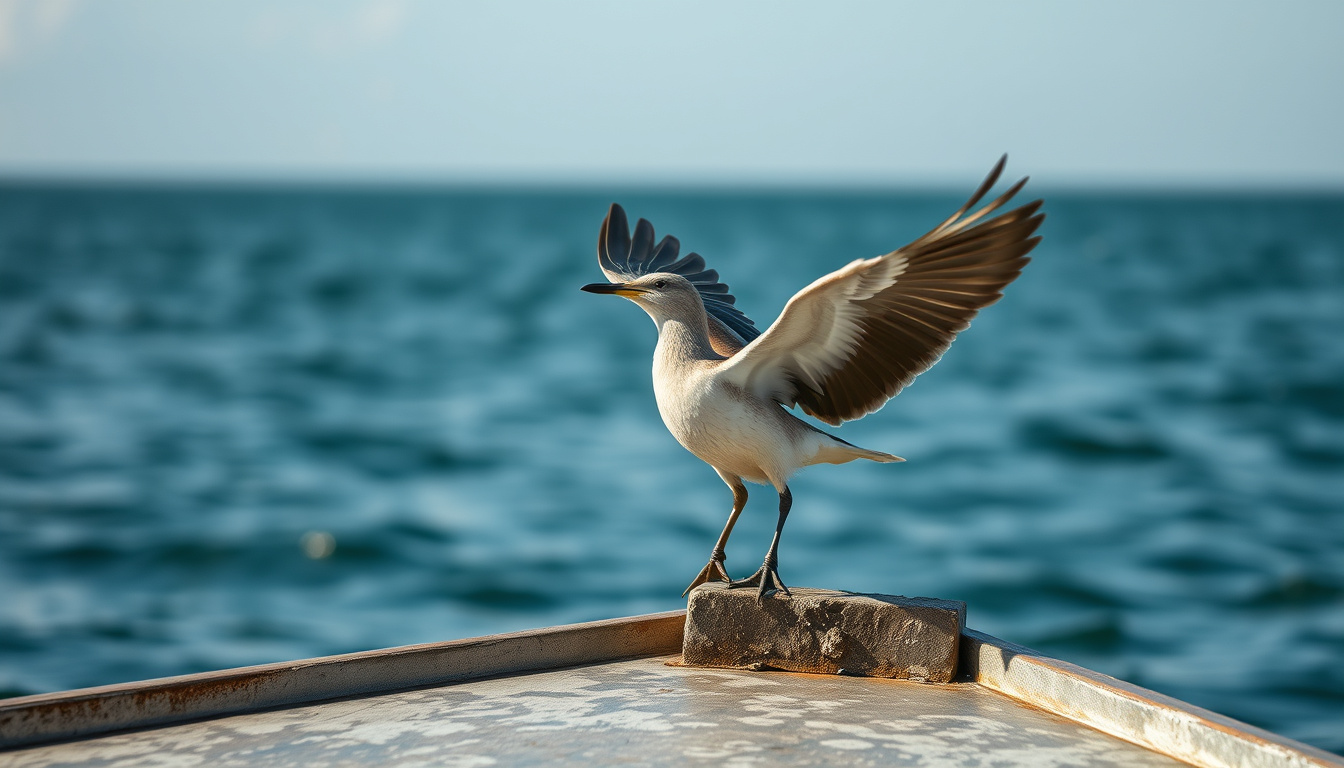
Gulls, cormorants, and terns are visual hunters. They prefer landing zones that offer three things: an unobstructed view of the water, enough width to stand comfortably, and a quick escape route if a predator appears. Flat bow rails, swim platforms, bimini tops, and outboard cowlings all meet these criteria perfectly.
This is why chasing birds away rarely works. They circle, wait for you to go below, and return to the same spot. The long-term fix is to make those perches physically uncomfortable or impossible to use. Later sections cover the specific barriers that work best, but the principle is simple: a bird will choose the easiest landing spot available. If your boat is less inviting than the piling 30 feet away, the bird will go there instead. You can also read our guide on how to clean a boat.
Timing Patterns That Bring Birds Back
Birds learn routines faster than most people expect. If you leave the dock every Saturday at 7 a.m. and return at noon, gulls will begin staging near your slip around 11:30. If you clean fish at a certain corner of the dock, that corner becomes a regular feeding station. Breaking these patterns matters as much as any physical deterrent.
Tide cycles also drive bird behavior. During falling tides, baitfish concentrate in shallower water, which pulls birds closer to shore and closer to moored boats. During nesting season, birds become more persistent and tolerate more disturbance because the payoff — a safe place to raise young — outweighs the risk of being shooed away. If you’re dealing with a particularly stubborn bird in spring or early summer, assume it’s considering your boat as a nest platform and act accordingly: remove any sheltered nooks like folded canvas, coiled lines, or open anchor lockers. You can also read our guide on how to clean boat carpet.
If the bird problem becomes overwhelming and you’re considering downsizing or replacing your boat entirely, it’s worth exploring your options — though most bird issues are solvable with the right system, not a different hull.
Choosing Deterrents That Actually Work On Boats
The market is full of products that look impressive in the marina store but fail after a week. The most reliable deterrents are those that combine movement, unpredictability, and physical denial. Below are the categories that consistently work on boats, along with their honest trade-offs.
Visual Deterrents: Reflective And Moving Cues
Reflective tape, holographic strips, and spinning pinwheels work because they create unpredictable flashes of light that birds interpret as a threat or at least as a reason to hesitate. The key is motion. A static strip of mylar hanging from your outrigger becomes background noise after two days. A pinwheel that spins in the breeze, constantly changing the angle of reflected sunlight, remains effective much longer.
For boats, the most practical visual deterrents are:
- Reflective tape strips cut into 12–18 inch lengths and attached loosely to bow rails, bimini frames, and antenna mounts. They flutter and flash with every gust.
- Holographic bird scare tape that shifts color as the boat rocks. This works well even on calm days.
- Predator eye balloons or kites tethered above the boat. These simulate a hovering raptor, but they lose value if left in the same position for more than a few days.
A common mistake is covering every surface with tape and expecting instant results. Birds will simply land between the strips. Instead, place visual deterrents on the specific perches birds use first, and move them every 48 hours.
Auditory Deterrents: Sound That Stays Unpredictable
Recorded distress calls and marine alarms can scare birds, but only when used correctly. A continuous loop becomes background noise within a day. The effective pattern is short, irregular bursts: 20–30 seconds of sound followed by several minutes of silence, then another burst from a different direction or at a different volume.
On a boat, speaker placement matters. Aim the sound across the deck toward the most common landing zones, not straight up into the air. Test the volume from the next slip over to make sure you’re not becoming the marina’s least popular neighbor. Also be aware that sound travels farther over water than it does on land, so a volume that seems modest onboard can be deafening at the fuel dock.
For most recreational boaters, auditory deterrents are best used as a supplement to visual and physical barriers, not as the primary defense. They work well when you’re onboard and notice birds approaching, but they’re impractical as a 24/7 solution.
Physical Barriers: Blocking The Landing Zone
The most effective deterrent is often the simplest: make the perch impossible to use. Physical barriers have no moving parts, require no power, and can’t be habituated to. The three most useful types for boats are:
- Bird spikes on narrow railings and mast tops. Stainless steel or UV-stabilized plastic spikes work well, but only if they cover the entire landing surface. Gulls are smart enough to land between gaps.
- Netting or mesh suspended over open cockpits, swim platforms, and dinghy storage areas. Use knotted polyethylene netting with a mesh size no larger than 1.5 inches to exclude gulls while still allowing air and light through. Sagging netting becomes a hammock, so tension it properly and check it weekly.
- Taut lines or monofilament strung 4–6 inches above flat surfaces. Birds won’t land on a surface they can’t see clearly, and the near-invisible line makes them uncomfortable. This works surprisingly well on wide bow decks and cabin tops.
In practice, the biggest mistake people make with physical barriers is using them on only one part of the boat. Birds will shift to the next easiest perch. Map every landing surface and treat them all, or accept that you’re just moving the problem.
What Doesn’t Work: Deterrents To Skip
Avoid these common but ineffective solutions:
- Static owl decoys. Birds figure out within days that the owl never moves. If you do use one, move it every single day and pair it with a moving element.
- Continuous distress calls. As noted, these become white noise. They’re also annoying to nearby boaters and may violate marina noise rules.
- Chemical repellents or gels. Most wash off with the first rain or wave splash, and some can stain gelcoat or damage non-skid surfaces. The mess isn’t worth the short-lived effect.
- Ultrasonic devices. On open water, ultrasound dissipates quickly and is often undetectable at the distances birds approach from. They’re generally unreliable for marine use.
Finally, avoid any method that physically harms birds or disturbs active nests. Most native birds are protected under the Migratory Bird Treaty Act, and fines can be substantial. Humane deterrence isn’t just ethical — it’s legally required. For additional guidance on wildlife conflict prevention, the USDA Animal and Plant Health Inspection Service publishes practical, science-based recommendations.
Build A Three-Part Rotation Routine
No single deterrent works forever. Birds are adaptive, and the moment they recognize a pattern, they’ll test it. The solution is a rotation system that changes the sensory experience on a schedule birds can’t predict.
The Rotation Method Explained
The rotation method involves cycling through three different deterrent types in a fixed order, but with irregular timing. For a small to mid-sized boat, a practical sequence looks like this:
- Phase 1 — Visual disruption: Deploy a moving reflective element (pinwheel, fluttering tape) in the primary landing zone for 10–20 minutes.
- Phase 2 — Light or motion change: Switch to a strobe-style light or reposition the reflective tape to a different angle for another 10–20 minutes.
- Phase 3 — Brief sound burst: Emit a 20-second distress call or clap your hands loudly from a hidden position, then remain completely silent for at least 5 minutes.
After a pause of 15–30 minutes, start the cycle again but in a different order or with different devices. The goal is to keep the environment unpredictable. In practice, this works best when you’re onboard during high bird activity windows — typically dawn and dusk, or when cleaning fish.
Prioritize High-Risk Zones First
Not all parts of your boat are equally attractive. The bow rail, cockpit coaming, and stern corners usually see the most landings because they offer the best view. Work through these zones in order of bird preference before moving to less critical areas. A three-minute sweep that rotates a single spinning deterrent between two or three key perches is often more effective than covering the entire boat with static devices.
Reset After Cleaning And Storms
Rain, pressure changes, and washdowns can reset bird behavior. After any significant weather event, birds may approach your boat as if it’s a new object — and they’ll test it. The same is true after you wash the deck: the scent of soap and fresh water can actually attract curious birds looking for insects or food residue.
If you notice birds returning within two hours of a washdown, restart your rotation from phase one and keep the intervals tight for the first few hours. This is especially important for terns, which probe briefly before committing and will quickly learn that your boat is safe again.
Know Your Environment: Dock, Marina, Or Anchorage
The best setup depends on where your boat sits and how birds use the surrounding area. A strategy that works at a busy marina may fail completely at a secluded anchorage.
| Situation | Best Approach | Why It Works |
|---|---|---|
| Dock with heavy foot traffic | Rotating visual deterrents | Birds already tolerate some human presence; motion and changing cues keep them uneasy. |
| Marina near feeding areas | Physical barriers on deck | Blocks easy landings near concentrated food sources like fish-cleaning stations or dumpsters. |
| Open anchorage | Long-range reflective deterrents | Birds approach from higher angles; bright flashes visible from a distance buy you time. |
| Nesting season near railings | Targeted exclusion | Prevents repeated approaches to preferred spots and discourages nest-building. |
| After cleaning or repainting | Restart rotation schedule | Fresh surfaces reset bird curiosity and behaviors. |
In an anchorage, birds often approach from downwind and commit only when they can see a clear landing zone. If you’re still dealing with persistent gull activity, consider whether your slip location puts you directly between roosting areas and feeding grounds. Sometimes moving to a different slip — or asking your marina operator about coordinated bird management — is the most effective long-term fix.
For pontoon owners, the broad, flat deck is essentially a gull landing pad. Applying physical barriers across the entire floor area is impractical, so focus on the rails and bimini top, and use an aggressive visual rotation when you’re onboard. Understanding your boat’s handling characteristics also helps you position it to reduce wind-driven bird approaches, especially if you’re new to pontoon operation.
Placement Strategies For Maximum Effectiveness
Where you place a deterrent matters as much as what kind it is. A $10 spinning reflector in the right place beats a $200 laser system that’s pointed the wrong direction.
Map Your Boat’s Hotspots
Walk your boat and mark every surface a bird could comfortably land on: bow rails, bow pulpit, swim platform, bimini frame, outboard cowling, and cockpit coaming. Draw a quick sketch and rank each spot by how often you’ve seen birds there. Place your first deterrent on the highest-ranked surface, then work down the list.
Use Wind And Sun To Your Advantage
Birds typically approach your boat by drifting with the wind, then commit to landing when the sun angle makes the surface glare-free. After watching bird activity for a few mornings, you’ll notice they consistently come from one direction. Position your most active deterrent — a spinning reflector or a moving flag — so birds must look directly at it while on final approach. This exploits their natural hesitation and often causes them to wave off before they ever touch down.
Maintenance: Keep Deterrents Working Season After Season
Salt spray, UV exposure, and constant flexing will degrade any deterrent within a few months. Reflective tape loses its shimmer, moving parts seize, and netting develops sagging pockets that become new perches.
Inspect your entire bird defense setup weekly. Replace tape when it stops flashing, tighten netting after storms, and clean any moving parts. A single loose corner of netting or a dull strip of tape can undo weeks of progress. If your boat sees heavy use, consider keeping a small deterrent repair kit onboard: extra tape, zip ties, a spare pinwheel, and a few feet of monofilament. When you’re already doing a thorough deck wash, a quick deterrent check adds only a few minutes.
For removing accumulated droppings, a foam gun attached to a garden hose works well for rinsing off fresh mess before it etches the surface. If you don’t have one, see what works for your setup; the goal is to clean up messes promptly because old, dried droppings are harder to remove and their odor can actually attract more birds.
Legal And Ethical Considerations
Before deploying any deterrent, understand the rules. In the United States, the Migratory Bird Treaty Act protects the vast majority of native bird species, their nests, and their eggs. It is illegal to harm, trap, or kill protected birds — and that includes destroying active nests. Even non-lethal methods like sticky gels or chemical irritants can be problematic if they injure birds or get into the water.
Always choose exclusion and harassment methods that do not make contact with birds. If you discover an active nest on your boat, you cannot legally remove it without a permit. The best strategy is to prevent nesting before it starts: during spring, check your boat every few days and remove any partially built nest materials while the nest is still incomplete and no eggs are present. Once eggs are laid, you must leave the nest alone until the young have fledged.
When in doubt, contact your state wildlife agency or the U.S. Fish and Wildlife Service for guidance. Marina operators often have experience with local bird issues and can advise on what works in your specific harbor.
FAQ: Scaring Birds Off A Boat
What is the most effective way to scare birds off a boat?
The most effective approach combines removing food sources, denying perches with physical barriers, and rotating visual or auditory deterrents to prevent habituation. No single gadget works long-term. Consistency and unpredictability matter more than the specific product.
How do I scare birds off my boat without harming them?
Use non-contact methods: reflective tape, moving decoys, taut monofilament lines, bird spikes (which prevent landing without touching birds), and short bursts of sound. Always check local and federal regulations, especially during nesting season.
Why do birds ignore my boat deterrents after a few days?
This is habituation. Birds learn that a stationary owl, a constant sound, or a never-moving shiny strip poses no real threat. Rotate deterrent types, move them to new locations, and remove food attractants to keep the birds guessing.
Do reflective tape and flags work to scare birds off boats?
Yes, but only with sunlight, air movement, and regular repositioning. Tape that hangs slack or stays in one spot for a week becomes part of the scenery. For best results, cut tape into short sections and move them every two days.
Are ultrasonic bird repellents effective on boats?
Generally no. Ultrasound attenuates quickly in open air, and marine wind and engine noise further reduce effectiveness. If you try one, pair it with visual and physical deterrents and monitor actual bird behavior before relying on it.
Can I legally remove a bird nest from my boat?
Only if the nest is incomplete and contains no eggs. Once eggs are laid, the nest is protected under the Migratory Bird Treaty Act. Remove partial nest materials early in spring, and leave active nests alone until the young have fledged.
Conclusion: Take Control Before The Birds Do
Birds aren’t malicious — they’re just following instincts that point straight at your boat. The solution isn’t a bigger gadget; it’s a system. Remove the food residue, make the perches uncomfortable, and keep the sensory environment changing. Do those three things consistently, and the birds will find another spot.
Start this week with a 30-minute walkthrough: identify the three most-used landing zones, clean any odor sources there, and install one physical barrier plus one moving visual deterrent in each zone. Then commit to a weekly check of your barriers and a quick rotation of visual devices. You don’t need to spend hundreds of dollars. You need observation, patience, and a willingness to adjust.
Interrupt the pattern once, and you’ll discover that keeping birds off your boat becomes less of a daily battle and more of a simple maintenance routine. That means more time on the water — and fewer hours scrubbing droppings off the deck.