Can Kids Fish Free in California? Yes, Here’s How 2026
Can children fish for free in California? Yes, but there’s more to the answer than a simple yes or no. Whether your child can fish without a license depends on their age, where you’re fishing, and sometimes even the exact date on the calendar.
The good news? For most families, the answer is still yes.
As of 2026, the California Department of Fish and Wildlife (CDFW) keeps the youth fishing exemption at 16 years old. That means any child under 16 can fish without a license in both freshwater and saltwater. There are also official Free Fishing Days when everyone, including adults, can fish without a license.
Let’s walk through the rules so you can plan a stress-free outing.
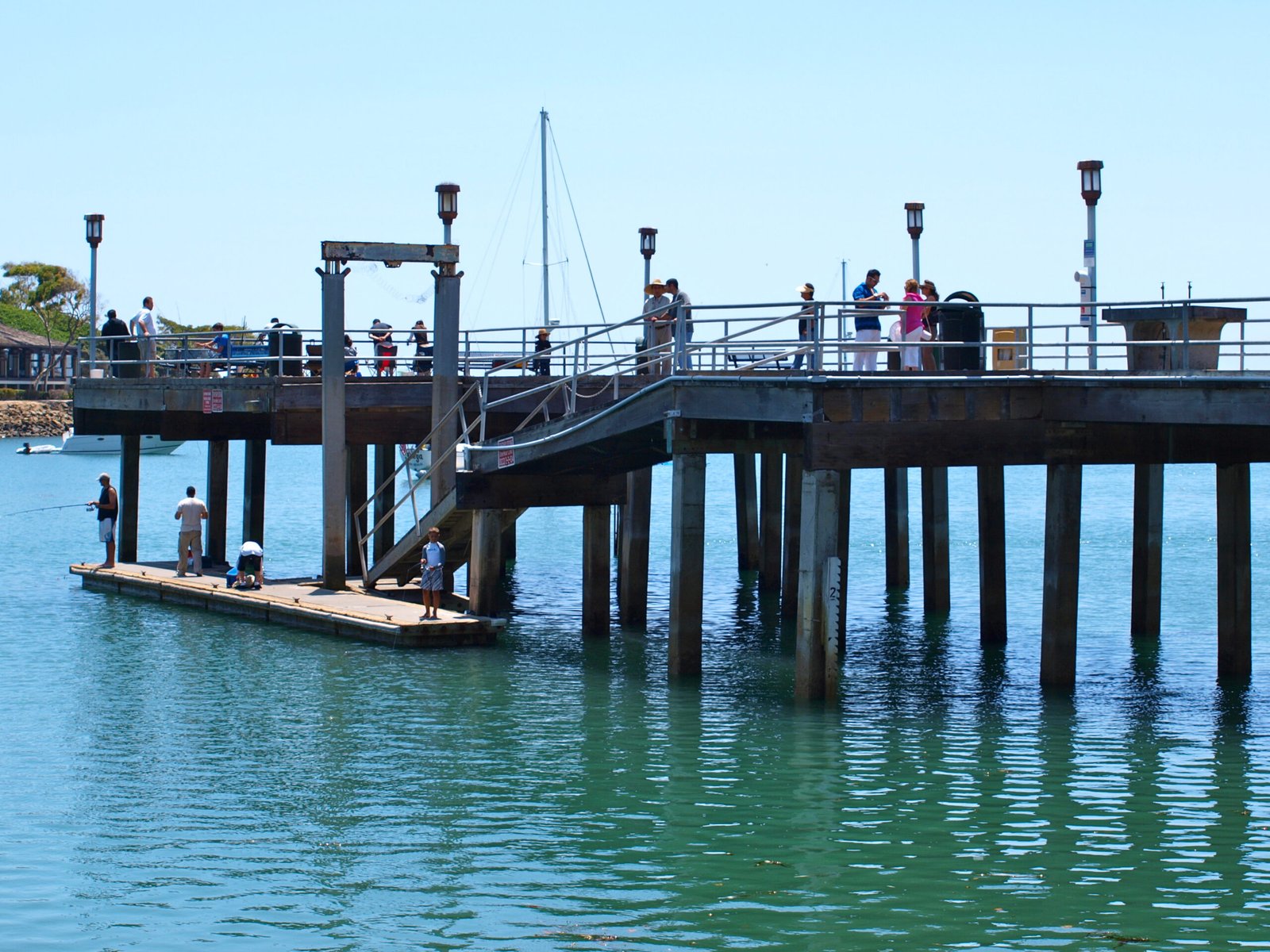
Image source: Bing (Web (fair-use with source credit))
Quick Answer
Yes, children under 16 fish for free in California. No license is needed for minors. Adults still need a license, unless on a public pier.
Free Fishing Days waive the license for everyone. All regulations still apply.
The Core Rule: The Under-16 Exemption, Explained Simply
California law treats minors differently than adults when it comes to fishing. The state wants kids to get outdoors and learn the sport. That’s why the under-16 exemption is so straightforward.
Here’s the breakdown:
- Any child under 16 can fish without a sport fishing license.
- This applies to both freshwater and saltwater across the state.
- No stamps or validations are required for kids under 16.
- Bag limits and gear rules still apply to the child’s catch.
What doesn’t change is the parent’s obligation. If you’re over 16 and fishing alongside your child, you need your own valid license unless you’re on a public pier or it’s an official Free Fishing Day. Don’t assume the child’s exemption covers you.
It doesn’t.
One thing that trips up a lot of parents: you can’t add your child’s catch to your own bag limit. The fish your kid catches counts toward their limit, not yours. Keep them in a separate cooler or stringer.
Before you head out, check the official CDFW fishing license page for any updates. Rules can shift, and it’s worth the two minutes to confirm.
Condition 1: Age — The 16-Year-Old Cutoff Point
The age threshold is the biggest factor. Under 16, license-free. At 16, that changes overnight.
If your child turns 16 in the middle of a fishing trip, the law doesn’t care about the celebration. They need a license starting at age 16. The CDFW defines “under 16” as not yet reaching their 16th birthday.
What about a 15-year-old who looks older? Game wardens can ask for identification. It’s smart to carry a photocopy of a birth certificate or a school ID when fishing, just in case.
Once your teen turns 16, they have a few options:
- Purchase an annual resident license if they fish often.
- Buy a one-day or two-day license for a single outing.
- Use a reduced-cost license if they qualify through certain programs.
A one-day license is a great option for a birthday trip or a family weekend. It’s cheap, easy to buy online, and good for that specific day. If the teen is just starting out, that’s the cost-effective route.
And if you’re planning to take a bigger group out on the water, it helps to know how to handle the boat. Our guide on running a pontoon safely covers the basics that keep everyone calm and safe.
| Situation | License Needed? |
|---|---|
| Child under 16, any water body | No license |
| 16-year-old, any water body | Yes, license required |
| Adult, public pier | No license |
| Adult, inland lake or river | Yes, license required |
Condition 2: Location — Public Piers vs. Lakes and Rivers
Location matters more than most people realize. California has a special rule for public piers, and it’s a game-changer for families.
Public piers are structures open to the public without a fee. Fishing from a public pier requires no fishing license, regardless of age. That’s right: even adults can fish for free from these piers.
This is one of the best ways to introduce a child to fishing without buying a license first.
But there’s a catch. The exemption only applies when you’re standing on the actual pier structure. If you’re fishing from a boat anchored next to the pier, the exemption disappears.
The same goes for fishing from an adjacent rock jetty that isn’t part of the designated pier.
What about lakes and rivers? For inland waters, the rules are different.
- Lakes and reservoirs: Adults need a license. Kids under 16 still fish free.
- Rivers and streams: Adults need a license. Kids under 16 still fish free.
- Ocean beaches: Adults need a license, except during Free Fishing Days. Kids under 16 still fish free.
- Public piers: No license needed for anyone, any day of the year.
The public pier exemption is a huge advantage for spontaneous trips. Just pack a simple rod, some bait, and walk out to the end of the pier. No paperwork, no cost, no planning.
If you’re heading out on a boat instead, you’ll want a clean deck to enjoy the day. Our tips on washing down the boat help you keep things tidy after a salty outing.
Condition 3: Timing — California’s Free Fishing Days
Even adults can ditch the license on official Free Fishing Days. The CDFW designates two days each year when no license is required for anyone fishing anywhere in state waters.
These days are usually:
- The first Saturday in June
- The third Saturday in September
But as of 2026, you should always double-check the current schedule. The exact dates can shift, and the CDFW posts updates on its website.
Free Fishing Days are a fantastic way to try fishing as a whole family. Grandparents, parents, kids, everyone can grab a rod and fish legally without a license. It removes the biggest barrier for beginners.
That said, keep your expectations in check. These days are popular. Expect crowded piers and busy shorelines.
Arrive early and bring patience.
Also, Free Fishing Days don’t exempt you from other rules. Bag limits, size limits, and gear restrictions still apply to everyone. If the limit for rainbow trout is five per person, you can’t catch ten just because it’s a free day.
One more reminder: if you’re planning to turn that fresh catch into dinner, timing matters. Our guide to how long it takes to smoke fish gives you a reliable timeline so the meal goes smoothly.
Free Fishing Days are a perfect entry point for hesitant parents. If you’ve been waiting for a low-risk excuse to try fishing with the kids, this is it. Mark the calendar, check the schedule, and go.
The Decision Tree: Your Situation, Branch by Branch
This is where everything comes together. Follow the branches that match your situation and the answer becomes obvious.

Image source: Bing (Web (fair-use with source credit))
Branch A: Child Is Under 16
Your child needs no license anywhere in California. Freshwater, saltwater, lake, or river. You don’t need a special permit or a free fishing day either.
Just grab a rod and go.
The only thing to remember is that bag limits and size restrictions still apply. The child’s catch belongs to the child, so keep it separate from yours.
Branch B: Child Is 16 or Older
Now you have two choices. Buy a one-day license for a single outing, or pick an annual license if they plan to fish regularly. Prices sit around $17 for a one-day license, with annual resident licenses around $56 as of 2026.
A 16th birthday doesn’t have to kill the fun. It just adds a small cost.
Branch C: It’s an Official Free Fishing Day
Everyone can skip the license on these two days per year. Kids, parents, grandparents, everyone. The exemption applies statewide to both freshwater and saltwater.
Check the current schedule before you go, since dates can shift from year to year.
Branch D: Fishing From a Public Pier
This is the loophole that benefits everyone, not just kids. Public piers require no license at all. No age restriction, no special day, no fee.
You do need to fish from the pier itself. Anchored boats and rocky breakwaters adjacent to the pier don’t count. The moment you step off the wooden planks, the exemption disappears.
Step-by-Step: Plan a License-Free Fishing Trip for Your Child
A license-free trip takes about ten minutes of planning. Here’s the whole process:
- Confirm your child’s age. Under 16 means no license needed.
- Choose your location. Public pier, lake, river, or ocean beach all work for kids.
- Check the rules for that body of water. Some rivers have special closures or bait restrictions.
- Decide whether you need a license. If you’re over 16, buy one unless you’re on a public pier.
- Review bag limits for target species. Pick a common fish like rainbow trout or striped bass.
- Pack the basics. Rods, hooks, sinkers, bait, sunscreen, water, and a cooler.
- Carry ID for your child. A photocopy of a birth certificate works fine.
- Give your child some leeway. Let them pick the lure or the spot. Kids care more about fun than catch rates.
If you’re heading out by boat, make sure everyone knows basic safety procedures first. Check our guide on keeping the deck clean so your boat stays fresh after a long day.
This process takes less time than buying a single fishing rod. Ten minutes of planning buys you a full day outdoors.
Real Scenarios: Family Trips That Show the Rules in Action
Scenario 1: The Pier Day Trip
A San Diego mom takes her two kids, ages 8 and 12, to Ocean Beach Pier. No licenses needed. She fishes alongside them without one, because public piers are exempt.
Total cost? Parking, bait, and snacks. Total hassle?
Zero paperwork.
Scenario 2: The Lake Weekend
A Sacramento dad plans a Saturday at Lake Folsom with his 15-year-old son and his 17-year-old nephew. The 15-year-old fishes free. The dad buys an annual license for himself.
The nephew needs his own license, so they grab a one-day pass online.
The nephew catches a limit of five rainbow trout. His uncle catches none. The rules say the nephew’s fish count toward the nephew’s bag limit only, so the uncle can’t claim any.
They eat well anyway.
Scenario 3: The Free Fishing Day Family Outing
A grandmother takes her 10-year-old grandson and her own husband to a local reservoir on the first Saturday of June. Nobody buys a license because it’s a Free Fishing Day. The grandson catches his first bass.
His grandfather catches three. Everyone smiles.
Mistakes to Avoid: What Gets Parents in Trouble
Most violations happen from misunderstanding, not malice. Here’s what trips people up:
- Assuming the child’s exemption covers you. It doesn’t. If you’re over 16, you need your own license unless you’re on a public pier.
- Combining your child’s fish with your limit. That’s a citation waiting to happen. Keep catches separate.
- Picking a random pier. Not every pier is a public pier. Some are private, and some have fees. Check the CDFW map first.
- Ignoring river-specific closures. Trout streams can have seasonal restrictions. A license doesn’t matter if the water is closed.
- Assuming a 16th birthday means “still a kid.” The cutoff is exact. No license on the 16th birthday. Period.
- Forgetting the Free Fishing Day dates. They’re only twice a year. Mark them in your phone.
If you’re upgrading your kid from a basic combo to something better, our research on choosing a reliable reel points to models that won’t break the bank.
Safety & Legal: Bag Limits, Gear Rules, and Enforcement
License-free fishing is not rule-free fishing. The CDFW enforces all regulations equally, regardless of age.
Bag limits vary by species and water body. Here’s a quick reference:
| Species | Typical Bag Limit | Notes |
|---|---|---|
| Rainbow trout | 5 per day | Lower in some special-regulation waters |
| Largemouth bass | 5 per day | Minimum size often 12 inches |
| Striped bass | 2 per day | Minimum size 18 inches |
| Pacific mackerel | 10 per day | Common from piers |
| Rockfish | Varies by zone | Check current CDFW regs |
Gear rules matter too. Most inland waters allow only one rod per angler. A second rod requires a special stamp for anglers 16 and over.
Kids under 16 don’t need the stamp, but they still have to use just one rod.
Game wardens can approach anyone, including kids. Under-16 exemptions don’t require proof of age by law, but having a photocopy of a birth certificate or passport prevents awkward conversations. It’s common for wardens to ask a few friendly questions to confirm the child’s age.
The fines for fishing without a license start around $25 plus court fees for a first offense. Multiple violations can climb past $100 per incident. It’s not worth the risk.
One more thing: if you ever fish ocean waters, the NOAA Fisheries recreational fishing page explains federal rules that apply beyond state waters. California state rules cover state waters, but federal waters can have different limits.
Costs & Fines: What You Save vs. What You Risk
The math is simple. Under 16, you save between $17 and $56 per child per trip. For a family with two kids, that’s over $100 saved on a single summer outing.
Fines are the flip side. Fishing without a required license starts at around $25 plus court fees. Repeat violations climb quickly past $100, and a warden has no obligation to be lenient.
It’s not worth the risk.
| Item | Cost |
|---|---|
| Child under 16 license | $0 |
| One-day adult license | ~$17 |
| Annual adult license | ~$56 |
| Second-rod stamp (adult) | ~$15 |
| First-offense fine | $25 + fees |
One hidden cost people forget: parking and access fees. Some reservoirs charge per vehicle, and that adds up. But the license itself stays free for kids, and that’s the part that matters.
FAQs: Quick Answers for Quick Planning
Do kids need a fishing license on a free fishing day?
No. Free Fishing Days waive the license requirement for everyone. Kids under 16 already fish license-free every day of the year.
Adults get two free chances per year, so use them wisely.
Can a child fish without a license on a boat?
Yes, if the child is under 16. The age exemption applies everywhere in California waters, including boats and private vessels. The pier exemption doesn’t transfer to boats, but the under-16 rule does.
That distinction matters, because poaching isn’t worth the hassle if your anchor drifts.
What happens if a 16-year-old is caught without a license?
They get a citation. The law treats them as an adult on their 16th birthday, no exceptions. The fine starts around $25 plus court fees, and the warden can confiscate the fishing gear.
Better to buy the one-day license before hitting the water.
Do kids need a fishing license for a private pond?
Typically no. Private ponds and pay-to-fish lakes are not public waters, so state fishing licenses are usually not required. But property owners can set their own rules, so always check before you go.
Is there a reduced-cost license for teens?
Yes. CDFW offers a reduced annual license for certain youth programs and special cases. For most families, the cheaper and simpler route is a one-day license for single trips.
If a teen fishes regularly, the annual license pays off by the third visit.
Can an adult fish for free on a public pier with a kid?
Yes. The public pier exemption covers everyone standing on the pier. No license, no age restriction.
That makes piers the easiest, cheapest way to take a child fishing without any paperwork.
Final Verdict: The Simple Cheat Sheet for Your Next Trip
- Child under 16? Fish free anywhere, any day.
- Adult or teen 16+? Buy a one-day or annual license.
- Public pier? No license needed for anyone.
- Free Fishing Day? Statewide free pass for all anglers.
- Child catches fish? Keep their catch in a separate cooler.
The rules feel complicated at first glance, but they reduce to a simple idea. Kids under 16 have it easy, and public piers are the ultimate hack for adults.
So don’t overthink it. Check the CDFW website, grab a rod, and get outside. Then when you get home with a stringer of fish, grilling up the catch is the next natural step.