How Often Do You Feed a Betta Fish Flakes for Health
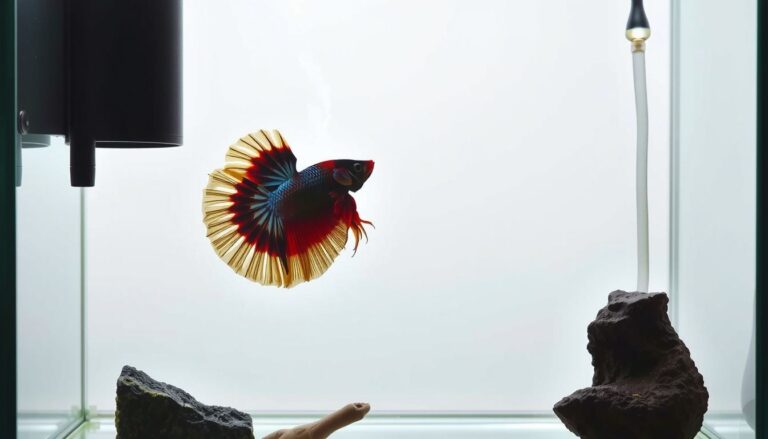
How often do you feed a betta fish flakes without overdoing it? It’s a fair question—bettas act hungry all the time, and flakes make it easy to accidentally pour “just a bit more.”
Betta stomachs are small, and their digestion is slower than many beginners expect. When feeding is off, the tank usually shows it fast: cloudy water, leftover food, or a fish that starts looking bloated.
Aquarium keepers and fish-health guidance generally point to small, consistent portions as the safest approach, with adjustments based on the fish’s size, activity level, and water temperature. Look at the fish, not the label—one betta can thrive on what another can’t handle.
In practice, many owners do best with a simple routine: for example, they feed 2–3 tiny flakes in the morning, wait 60 seconds, then remove anything uneaten. That one habit alone prevents most feeding-related problems.
- What a reliable flake-feeding schedule looks like
- How to spot underfeeding vs. overfeeding
- Easy portion tips that keep water clean
Next, they can use these guidelines to set a schedule that fits their betta and keeps the aquarium stable.
What Determines How Often a Betta Should Eat Flakes
Now, the right feeding rhythm depends less on the label and more on the fish in front of them. A betta’s metabolism, age, and daily activity change how quickly it uses calories, so a one-size schedule rarely fits every tank.
Tank conditions matter just as much. Warmer water (within a safe betta range) speeds digestion, while cooler water slows it, raising the odds of leftover food and bloating. Strong filtration or current can also make flakes scatter, so they may think they ate less than they did.
Portion size and flake type can quietly skew results. Some flakes swell more, and some crumble into “invisible” bits that still count as food. A good rule is to judge by the betta’s body shape after meals: the belly should look slightly rounded, not distended.
- Age: juveniles often need smaller, more frequent meals than adults.
- Water temperature: warmer water increases appetite and digestion speed.
- Activity level: active, curious fish typically burn more energy.
- Flake density: high-protein flakes may require fewer pieces.
Practical example: if they moved a betta from an unheated 74°F tank to a stable 79°F setup, they may notice it begs more often. That doesn’t automatically mean it needs extra flakes; it may just be digesting faster, so portions should stay controlled.
Recommended Feeding Frequency: Daily Schedule That Works
For most healthy adult bettas, a simple plan works best: feed flakes how often do you feed a betta fish flakes—typically once or twice per day, in tiny portions they can finish quickly. Consistency beats “random snacks,” which often leads to overfeeding.
A practical schedule many keepers use is two micro-meals: morning and evening. Each meal should be only what they can eat in about 30–60 seconds, removing leftovers right away so the tank stays clean and the fish doesn’t graze all day.
If they prefer once daily, it can still work when the portion is truly small and the fish maintains a sleek profile. A weekly fast day is commonly used to help prevent constipation, especially in fish that bloat easily on flakes.
- Twice daily: 2–4 small flakes per meal (adjust to flake size).
- Once daily: 4–6 small flakes total, watched closely.
- Fast day: 1 day per week with no food if the fish is prone to bloating.
Practical example: if they feed at 8 a.m. and 7 p.m., they can offer 3 flakes, wait, then offer 1 more only if the belly stays flat. If food drifts away or sinks, they should reduce the next meal.
How Much Flake Food to Give Per Feeding (Portion Control)
Now that the timing is set, the next win is portion control. With flakes, the goal is a small meal that’s fully eaten fast, not a slow buffet that breaks apart and sinks.

A reliable baseline is 2–4 small flakes per feeding for most adult bettas. Each flake should be sized so it can be swallowed easily; if the flakes are large, they should be crushed between fingers into smaller pieces.
Portion size should be judged by behavior and cleanup. A proper portion is usually gone within about 60–90 seconds, with no crumbs drifting to the bottom.
- If flakes hit the substrate, the portion was too big or the flakes were too powdery.
- If the betta gulps air and spits food, pieces are too large or too dry.
- If the belly looks rounded (not ballooned) after eating, the amount is about right.
Practical example: a keeper with a 5-gallon heated tank offers 3 crushed flakes in the morning. The betta finishes in under a minute, so they repeat 3 flakes at night; when leftover specks appear, they drop to 2 flakes per feeding and the water stays clearer.
Adjusting Flake Feeding for Age, Size, and Activity Level
Portions aren’t one-size-fits-all. A betta’s age, body size, and daily activity change how much energy it burns, so flakes should be adjusted with the fish’s condition, not the container’s directions.
Young bettas grow quickly and often handle slightly more food per day, split into smaller meals. Seniors and less active fish usually need less, because slower metabolism and reduced movement make weight gain easier.
- Juveniles: smaller flakes, slightly higher total daily amount, divided into multiple small feedings.
- Average adults: steady portions that keep the body streamlined, not thick through the midsection.
- Older or sedentary bettas: reduced portions and careful monitoring for constipation or bloating.
Activity matters more than many expect. A betta that patrols the tank, flares at its reflection, or explores plants typically uses more calories than one that rests on leaves most of the day.
Practical example: two adult bettas are fed the same brand of flakes. The active fish in a planted 10-gallon gets 4 small flakes per feeding and stays lean; the calmer fish in a quieter setup begins to look thick, so the keeper drops to 2–3 flakes and reassesses after a week.
How Water Temperature and Tank Setup Change Feeding Needs
Now, once the routine and portion are dialed in, environment becomes the quiet driver of appetite. Betta metabolism is temperature-dependent, so the same flake amount can be perfect one week and too much the next.
At 78–80°F, most bettas digest efficiently and show steady interest in food. If the water sits cooler (low 70s), digestion slows, so they may need fewer flakes or a slightly longer gap between feedings to prevent waste buildup.
Tank setup matters just as much. Strong filtration, heavy planting, and a mature biofilter can buffer small feeding errors, while small, new, or lightly filtered tanks punish overfeeding fast. Current level also affects energy use: a betta fighting flow all day often burns more calories than one in gentle water.
Watch for these setup-related factors that change needs:
- Temperature swings from an unheated tank or drafty room
- Tank size and maturity (new tanks handle waste poorly)
- Flow and enrichment (higher activity can raise demand)
- Tankmates that steal flakes, forcing compensatory feeding
Practical example: a betta in a 5-gallon heated, planted tank at 79°F may handle a consistent flake schedule, but after a heater fails and water drops to 72°F, the keeper should reduce feeding and remove leftovers promptly until temperature stabilizes.
Signs of Overfeeding and Underfeeding (What They Look Like)
Look, bettas are convincing beggars, so behavior alone can mislead. The clearest clues show up in the fish’s body shape, the tank bottom, and how the betta moves after meals.
Overfeeding usually appears first as a rounded belly that doesn’t flatten within a few hours. Water quality often follows: uneaten flakes collect in corners, and waste increases, which can trigger stress and disease.

Common overfeeding signs include:
- Persistent bloating or a “marble” look behind the gills
- Stringy poop or constipation
- Food debris on the substrate or filter intake
- Sluggishness after eating, hovering near the surface
Underfeeding looks different. The body may appear thin from above, with a slightly pinched area behind the head, and the fish may lose stamina or color over time.
Typical underfeeding signs include:
- Sunken belly or sharp, bony profile
- Low energy and reduced exploration
- Faded coloration or slower fin regrowth after minor tears
Practical example: if a betta eats flakes fast but stays bloated and leaves brown debris on the gravel, the keeper should cut the portion, siphon leftovers, and reassess within 3–5 days rather than “waiting it out.”
Best Practices for Feeding Flakes Without Fouling the Water
Now that the routine is working, the next goal is keeping the tank stable while still answering how often do you feed a betta fish flakes in a way that doesn’t spike waste. Flakes break apart fast, and the smallest crumbs can drift into gravel and rot. That decay drives ammonia and cloudy water, even when the feeding schedule itself is reasonable.
They’ll get cleaner results by using a simple “control point” method. Feed from the same spot each time, away from the filter outflow, so flakes don’t scatter. When possible, they can pre-soak flakes for 10–20 seconds in tank water; it reduces floating fragments and helps the fish swallow without spitting pieces back out.
Look for a tight cleanup window. A betta should finish what’s offered quickly; any leftovers should be removed before they sink and dissolve. A small net works, but a turkey baster is often faster and more precise for picking up crumbs.
- Turn off the filter for 3–5 minutes during feeding to limit drift.
- Feed slowly: pinch, wait, then offer the next pinch only if the first is eaten.
- Remove debris right away, then restart filtration for oxygenation.
Practical example: after feeding, they notice two flakes stuck behind a leaf. They use a baster to pull them out, then gently swirl the area to lift hidden crumbs into the water column so the filter can catch them.
When Flakes Aren’t Enough: Balancing Diet With Other Foods
Now, even with clean feeding technique, flakes alone don’t always cover a betta’s long-term needs. Many flake formulas rely on plant fillers, and bettas are insect-focused carnivores. A more varied menu supports steady energy, stronger color, and better body condition without forcing larger flake portions.
They can treat flakes as the “base” food and rotate in higher-protein options. Pellets designed for bettas often deliver more consistent nutrition per bite, while frozen or live foods add enrichment. The key is keeping variety controlled so the fish doesn’t swing between heavy meals and fasting.
- Staples: quality betta pellets, high-protein flakes (as a secondary staple).
- Rotations: frozen brine shrimp, daphnia, or bloodworms (small portions).
- Occasional: live foods from reputable sources for stimulation and appetite.
Practical example: over a week, they keep flakes on most days, swap one feeding for a few thawed daphnia, and use a tiny portion of bloodworms once. They watch for clean digestion and stable water clarity, adjusting the next feeding if any food is refused.
If a betta consistently spits flakes, loses interest, or looks “thin despite eating,” it’s often a sign the diet mix needs upgrading rather than increasing flake frequency.
The Bottom Line
Now that the routine, portions, and food choices are dialed in, the real question is how often do you feed a betta fish flakes without creating problems. For most healthy adult bettas, a consistent schedule of small feedings once or twice daily works well, with occasional lighter days to match appetite and digestion. The goal is steady energy and stable water quality, not “full” fish.
Look at what happens in the tank, then adjust in tiny steps. A practical example: a keeper feeds a few flakes each morning, then switches to a single daily feeding during a busy workweek; the betta stays active and the tank stays clear, so they keep that schedule.
- Pick one schedule and stick to it for 1–2 weeks.
- Track outcomes: appetite, body shape, and waste.
- Change one variable at a time (timing or frequency).
Next step: set a simple feeding reminder for the next 14 days and note what you observe after each feeding.
Related read: How Often to Feed Small Fish for Healthy Growth & Water