How to Cook Snapper Fillets in Pan for Crisp Skin
Snapper is lean, delicate, and quick to overcook. If you treat it like a thick, forgiving fish and blast it over high heat, you will usually end up with a dry center, torn skin, and fillets glued to the pan. The fix is not a trick ingredient or a specialty pan. It is control.
Crisp snapper skin comes from three things done in order: a properly dried fillet, a correctly preheated pan, and an undisturbed sear that lets the fish release on its own. Timing matters, but technique matters more. When you get the sequence right, a skin-on snapper fillet can go from fridge to plate in under 10 minutes with a shattering, golden crust and a moist, just-flaking interior.
This guide walks through the full method, including the small mistakes that cause sticking, steaming, and chalky fish, plus how to troubleshoot when things go slightly sideways.
Why Pan-Seared Snapper Fails Without a Different Approach
Snapper is not salmon. It has very little fat, and its muscle fibers set quickly under heat. The skin, especially on red or mangrove snapper, is thin and tight. As soon as it hits a hot pan, it wants to curl and shrink away from the heat. If the skin does not make full contact with the pan, it steams instead of crisping, and it sticks.
A common mistake is treating snapper like a well-marbled steak. Even a beginner-friendly steak benefits from a hard sear and a rest, but snapper has a much smaller doneness window. If you push the heat too high, the outside scorches before the center transitions from translucent to opaque. If you move the fish too early, the skin tears and stays behind. If you overcrowd the pan, trapped steam softens the crust.
In practice, cooking snapper well means reducing the number of variables you need to manage at once. A heavy pan, a thin film of oil, moderate heat, and one confident flip will produce better results than constant poking, scraping, or turning.
Pick the Right Fillet, Pan, and Oil
Before you season anything, look at the fillet. Snapper fillets vary widely in thickness, from a thin tail section under ½ inch to a thick head end over 1 inch. Skin can be intact, removed, scaled, or pin-boned. These details change your timing and your flipping technique.
Skin-On vs. Skinless Fillets
Skin-on snapper is the best choice for crisp skin, because that is the whole point. The skin protects the flesh from direct heat and adds texture. If the skin was removed, you can still sear the fillet, but it will dry out faster and will not develop the same crackly layer. In that case, use a little more fat and lower heat on the flesh side.
Check for pin bones by running your fingertips lightly against the grain. If you feel a hard, thin spike, pull it with fish tweezers or needle-nose pliers, not a tool that will crush the flesh.
The Pan
Use a 10–12 inch heavy stainless steel, carbon steel, or well-seasoned cast iron pan. Heavy pans hold heat evenly, which gives you better control when the fillet first contacts the metal. Nonstick will release easily, but it makes it harder to build the same deep crust and is less useful if you want to make a pan sauce afterward.
The size matters. Two 6-ounce fillets need a 12-inch pan so they can sit flat with space around them. If the fillets touch or crowd the edges, steam gets trapped and the skin softens.
The Oil
Choose a neutral, high-smoke-point oil for the sear. Avocado, grapeseed, canola, or light refined olive oil all work. Butter is not a good starting fat because the milk solids will burn before the skin crisps. Add butter later, after the flip, if you want to baste.
For species-specific background on snapper, including harvest and sustainability, the NOAA Fisheries red snapper species page is a useful primary reference.
Prep for Crisp Skin: Dry, Season, and Score
Browning is not a seasoning problem. It is a moisture problem. Wet fish steams, and steamed fish sticks. Before the fillet touches oil, the surface must be as dry as you can make it.
Dry the Fillets Twice
Pat the top of each fillet with paper towels, flip it, and pat the second side. If the paper towel comes away damp, do another pass. This is especially important for previously frozen snapper, which releases more surface water after thawing.
If your fillets were frozen, set them uncovered on a plate in the refrigerator for 15–30 minutes after thawing, then dry them again. That short air-dry step makes the surface noticeably firmer and helps the skin crisp instead of steaming.
Season Just Before Cooking
Salt draws moisture to the surface. If you salt too early, you undo your drying work. For most snapper fillets, seasoning 3–5 minutes before they go into the pan is a practical window. Kosher salt is easiest to control. Black pepper should be used lightly, because it can scorch at higher pan temperatures. If you want a subtle crust, a small amount of paprika, garlic powder, or ground coriander works well.
For two 6-ounce fillets, mix about 1 teaspoon kosher salt, ½ teaspoon black pepper, and ½ teaspoon paprika. Season both sides, then let the fish sit while the pan finishes heating. The surface should look matte, not wet or glossy.
Score Tight Skin
If your skin-on fillet has very tight skin, make two or three shallow cuts through the skin only, spaced about 1 inch apart. Do not cut into the flesh. Scoring helps the skin stay flat as it contracts, which improves contact and reduces curling.
Do not use lemon juice, vinegar, or wet marinades before searing. Acids add surface moisture and slow browning. Save them for just before serving.

Dry, seasoned skin is the starting point for a clean release and even browning.
Dial In Pan Temperature and Add the Fish
Preheat the empty pan over medium to medium-high heat for 2–3 minutes. Then add enough oil to coat the bottom in a thin, even film. Let the oil heat for 30–60 seconds until it shimmers and moves easily when you tilt the pan. If the oil smokes aggressively, the pan is too hot. If the oil sits still and looks thick, it is not ready.
Deep-frying fish relies on a large volume of oil to transfer heat, but pan-searing depends on direct contact between the fillet and the metal. That is why a thin, hot film of oil and dry skin matter more than adding extra fat.
Place the snapper skin-side down, laying it away from you so oil does not splash. Immediately apply light, even pressure with a fish spatula for 10–15 seconds. This forces the skin flat against the pan before it tightens and curls. Do not press hard for the entire sear, because that squeezes out moisture and dries the flesh.
Let the fillet cook undisturbed. A steady sizzle is good. Aggressive popping means the heat is too high. When the skin has formed a crust, the fillet will release with a gentle nudge. If it feels glued, leave it alone for another 30–45 seconds and test again.
Flip, Finish, and Check Doneness
Once the skin releases and looks deeply golden, lower the heat to medium or medium-low. Slide a thin fish spatula under the fillet, support the entire length, and flip it in one smooth motion. Cook the flesh side briefly. For a ¾-inch fillet, 30–90 seconds is usually enough. If the pan feels too hot, pull it off the burner for a moment and let residual heat finish the center.
Optional basting adds flavor and helps even out heat. Add a small knob of butter with a smashed garlic clove or a thyme sprig, tilt the pan, and spoon the foaming butter over the top for 20–30 seconds. Basting is not required for crisp skin, but it improves the flesh side and adds richness.
Use doneness cues that match snapper’s texture, not arbitrary clock times.
| Doneness Signal | What to Look For |
|---|---|
| Opacity | Flesh turns opaque with a slight translucence at the very center |
| Flake | Fish separates into large, moist flakes under gentle pressure |
| Temperature | 125–130°F in the thickest part for moist; 135°F for firmer |
The US Food and Drug Administration’s seafood safety guidance recommends cooking fish to 145°F. In practice, many cooks pull snapper earlier and rely on carryover heat to finish the center, which produces a moister fillet but requires very fresh, properly handled fish. If you want to follow the official guidance, use 145°F as your target and pull it a few degrees below that because the temperature will continue rising off heat.
Rest the fillet skin-side up for 2 minutes before serving. Resting skin-side up keeps the crisp layer from sitting on a wet surface and losing its crackle. The same thermometer discipline applies to other lean proteins, such as oven-baked pork chops, where a few degrees of carryover make the difference between juicy and dry.
Troubleshooting: Stuck Skin, Steamed Crust, Overcooked Fish
Even with good technique, pan-seared snapper is unforgiving. The good news is most problems have a quick fix, and the root cause is usually obvious once you know where to look.
If the Skin Sticks
Do not pry or scrape. Remove the pan from heat, add 1–2 tablespoons of water or stock, and let the liquid release the stuck crust. Lift gently with a thin spatula. The fillet will be intact, and the pan base can become the start of a pan sauce.
If the Skin Is Soft or Pale
This almost always means moisture or crowding. The fillet was not dry enough, the pan was not hot enough, or two fillets were too close together. Next time, pat the fish drier, let the pan recover between fillets, and use a larger skillet.
If the Center Is Underdone
Return the fillet to low heat, cover the pan, and cook for 30–60 seconds. Check again. A covered pan traps gentle heat and finishes the center without further browning the outside.
If It Is Overcooked
You cannot undo chalky fish, but you can flake it and dress it generously with olive oil, lemon, fresh herbs, and a little flaky salt. Serve it over rice, in tacos, or folded into a warm grain salad with a vinaigrette. That restores perceived juiciness and makes the texture more forgiving.
A common real-world failure is cooking two fillets back to back. The first releases cleanly, but the second tears. The pan usually cooled after the first fillet was removed. Let the pan recover for 30–45 seconds, add a small splash of oil if needed, and only then add the second piece. This is the same reason you should manage boneless chicken pieces separately when you are cooking multiple proteins in one pan.
What to Serve with Crispy Skin Snapper
Crisp skin snapper is best served immediately. A squeeze of lemon, a drizzle of good olive oil, and a pinch of flaky salt are all you need. If you made a quick pan sauce, spoon it around the fish rather than over the skin. Crisp skin stays crisp when it stays dry.
Light sides work best: blistered green beans, a lemony arugula salad, steamed rice, or roasted baby potatoes. A bright, acidic sauce balances the lean fish. Lemon-caper butter, salsa verde, chimichurri, or chili-lime with sliced scallions are all strong choices.
If you want a second protein on the table, baked chicken thighs are far more forgiving than a third snapper fillet, and they can roast while you finish the fish. Smoked fish, by contrast, develops texture over a much slower, low-heat window, so it is better suited to a different meal. Even a well-timed burger benefits from the same rest-first principle, but snapper needs a much shorter carryover.

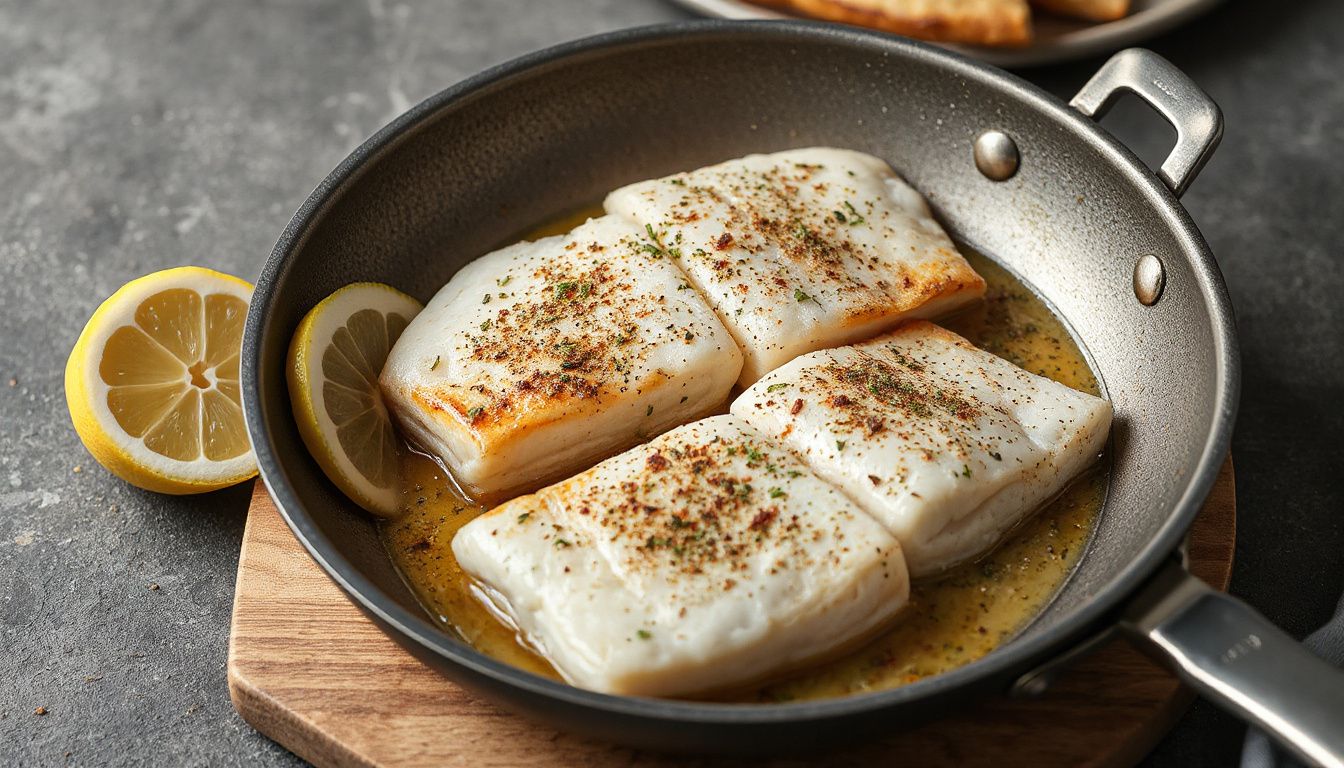
Rest the fillet skin-side up so the crust stays dry and crackly.
Frequently Asked Questions
How long do snapper fillets take to cook in a pan?
Plan on 6–10 minutes total for most ¾- to 1-inch fillets. Sear skin-side down for 3–4 minutes undisturbed, flip, and cook the flesh side for 30–90 seconds. Thinner tail sections cook faster, so pull them as soon as the edges turn opaque and the center barely flakes.
Do you need to remove the skin before pan-searing snapper?
No. Leave the skin on for crisp skin. Score it lightly if it is tight, dry it thoroughly, and sear it skin-side down first. If you prefer skinless fillets, use a little more oil and lower heat, because the flesh dries out faster without the protective skin layer.
What is the best oil for crispy snapper skin?
Use a neutral, high-smoke-point oil for the sear. Avocado, grapeseed, and canola oil all work well. Light refined olive oil is okay if it does not smoke. Avoid butter at the start because the milk solids burn. Add butter after flipping if you want a basting finish.
Why does snapper stick to the pan?
Sticking usually comes from wet skin, a cold pan, moving the fish too early, or overcrowding. Dry the fillet thoroughly, preheat the pan before adding oil, and let the skin form a crust before you nudge it. A thin metal fish spatula also releases the fillet more cleanly than a thick turner.
Can you cook frozen snapper fillets in a pan?
It is possible, but not ideal for crisp skin. Thaw the fillet completely first, then dry it very well. Cooking from frozen releases excess water, which steams the skin and prevents browning. If you must cook from frozen, use lower heat, cover briefly, and expect softer skin.
How do you reheat pan-seared snapper without losing the crisp skin?
Reheat gently in a covered skillet over low heat with a teaspoon of water, or in a 275°F oven until just warm. Place the fillet skin-side up so the crust does not sit in moisture. Avoid the microwave, which turns the flesh rubbery and the skin soft.
Conclusion
Pan-seared snapper with crisp skin is a 10-minute dinner that rewards control, not speed. Dry the fillet, preheat a heavy pan, add a thin film of oil, and let the skin release on its own before you flip. Check doneness by opacity, flake, and temperature rather than by guesswork, and rest the fish skin-side up so the crust stays intact.
The next step is simple. Buy two snapper fillets of similar thickness, use the same pan and burner setting, and cook them exactly as written once before you start experimenting. Consistency first, creativity second. Once you can repeat the crisp-skin result, you can start layering in pan sauces, basting, and new finishing flavors with confidence.