How Long Does It Take for Compost to Be Ready at Home
Every gardener eventually stands over a compost bin and asks the same practical question: is this ready to use? The honest answer is that finished compost can take anywhere from about three weeks to more than a year. The timeline is not a fixed number. It is a direct result of how you manage heat, moisture, oxygen, particle size, and the balance between carbon-rich and nitrogen-rich materials.
If you are just starting out, understanding how different inputs behave can save you months of frustration. For example, how vegetable waste breaks down depends heavily on whether it is chopped, buried, and mixed with enough dry browns. Once you understand those variables, you can consistently produce dark, crumbly compost faster than most casual gardeners expect. You can also read our guide on how deep to make raised garden beds.
Compost Readiness Timelines at a Glance
The table below reflects realistic ranges for a healthy pile in a temperate climate. These are not guarantees, but they are reliable baselines when conditions are reasonable.
| Composting Method | Typical Time to Readiness | Effort Required |
|---|---|---|
| Hot composting, actively managed | 3–8 weeks | High: turn every 2–4 days |
| Warm composting, partially managed | 2–4 months | Moderate: turn weekly or biweekly |
| Cold composting, passive | 6–12 months | Low: add scraps and wait |
| Tumbler bin, rotated regularly | 4–8 weeks | Moderate: rotate several times per week |
| Worm composting, indoor or shaded | 2–4 months | Moderate: feed and maintain moisture |
A well-built hot pile can produce usable compost in under a month, but that speed requires consistent attention. The same materials added to a passive bin may take eight to twelve months. The difference is not the raw ingredients. It is how well the pile supports the microorganisms doing the work.
Why “Ready” Means More Than Just Looking Dark
Compost can look dark and crumbly on the outside while still being biologically active in the center. That is why experienced composters separate two related ideas: maturity and stability.
Maturity describes whether the original materials have broken down enough to be safe and useful around plants. Mature compost should not contain large recognizable food scraps, should not heat up when turned, and should smell earthy.
Stability refers to how much microbial activity is still happening. Unstable compost continues to decompose rapidly. When added to soil, it can temporarily tie up nitrogen, create heat, or harm young roots.
In practice, a common mistake is pulling compost from the outside edges of a pile that still has a hot core. The material near the sides may look finished, but the pile has not finished curing. Letting compost rest for two to four weeks after the active hot phase solves most of these problems.
Hot, Warm, Cold, and Tumbler Composting: Choosing a Realistic Timeline
Hot Composting: The Fastest Home Method
Hot composting is the deliberate process of creating ideal conditions for thermophilic bacteria, the heat-loving microbes that break down organic matter rapidly. According to the U.S. EPA home composting guidance, balancing food scraps with dry yard materials is central to a healthy system.
To run a genuinely hot pile, you need:
- Volume: At least 3 feet by 3 feet by 3 feet of material to insulate the core.
- C:N balance: Roughly two to three parts browns to one part greens by volume.
- Moisture: Evenly damp throughout, like a wrung-out sponge.
- Oxygen: A turn every two to four days during the first few weeks.
When these conditions align, the pile’s core reaches 130–160°F. That heat kills many weed seeds and pathogens while accelerating decomposition dramatically. Most active hot composters harvest in four to eight weeks, then allow a two-week curing period before use.
Warm Composting: A Practical Middle Ground
Warm composting sits between hot and cold methods. The pile may be smaller than 3 feet square or turned less frequently, so internal temperatures stay between 90°F and 130°F. Decomposition moves faster than a passive pile but slower than a hot one.
This is the sweet spot for many home gardeners. It does not demand daily attention, yet it can produce finished compost in two to four months. The key is turning once a week and keeping moisture consistent. A warm pile will not reliably kill weed seeds the way a hot pile will, so avoid adding mature weeds with seed heads.
Cold Composting: The Patient, Low-Effort Route
Cold composting is what most people do without realizing it: add kitchen scraps, leaves, and garden trimmings to a bin and mostly leave it alone. It works through mesophilic organisms at ambient temperature. The process is forgiving because you rarely need exact ratios.
The trade-off is time. Expect six to twelve months, and coarse materials like thick stems or unshredded leaves may take longer. Cold compost often benefits from a rough turning once a month to prevent it from going anaerobic, but even a mostly ignored pile will eventually finish.
Tumbler Composting: Fast in Theory, Dependent on Use
A compost tumbler can finish a batch in four to eight weeks because rotating is easier than fork-turning. However, tumblers are smaller than open piles and lose heat more easily. Success depends on adding a full batch of balanced material at once, keeping the contents damp, and rotating every one to three days.
A common mistake is adding one banana peel at a time to a large tumbler. The material never builds enough heat, dries out quickly, and stalls. Tumblers work best when you fill them roughly half to two-thirds full with a mixed batch and then rotate consistently.
Vermicomposting: A Different Timeline Worth Knowing
Worm composting uses red wigglers to process kitchen scraps into castings. It is ideal for small households, apartments, and winter composting. Finished vermicompost typically takes two to four months, though the material is castings rather than traditional compost. Worms prefer temperatures below 90°F, so they cannot survive inside a hot outdoor pile.
The Variables That Actually Control Compost Speed
Compost does not run on a calendar. It runs on biology. The speed of decomposition depends on whether you have created an environment where decomposer organisms can thrive.
Carbon-to-Nitrogen Ratio
The C:N ratio is the single biggest lever you can pull. Too many nitrogen-rich materials, called greens, create a wet, smelly, slow pile. Too many carbon-rich materials, called browns, produce a dry pile that stalls.
The target is roughly 25–30:1 carbon to nitrogen. By volume, that usually translates to about two or three parts browns to one part greens. In practice, a five-gallon bucket of shredded leaves mixed with about two gallons of kitchen scraps and grass clippings works well. If the pile smells rotten or looks greasy, add more browns. If it sits unchanged and dry, add greens and water.
Particle Size: Smaller Is Almost Always Faster
Microbes work on the outside surface of each piece of material. A whole cabbage leaf can persist for weeks. The same leaf shredded into ribbons may disappear in days. Chopping matters most for dense or woody inputs. Woody materials like chips can take years if left whole, but breaking them into small pieces gives fungi and bacteria a place to start.
Run a mower over leaves before adding them. Use pruners on tough brassica stems. Tear cardboard into strips rather than adding whole boxes. Kitchen scraps cut into one-inch pieces break down much faster than large chunks. This one habit often cuts weeks off the total timeline.

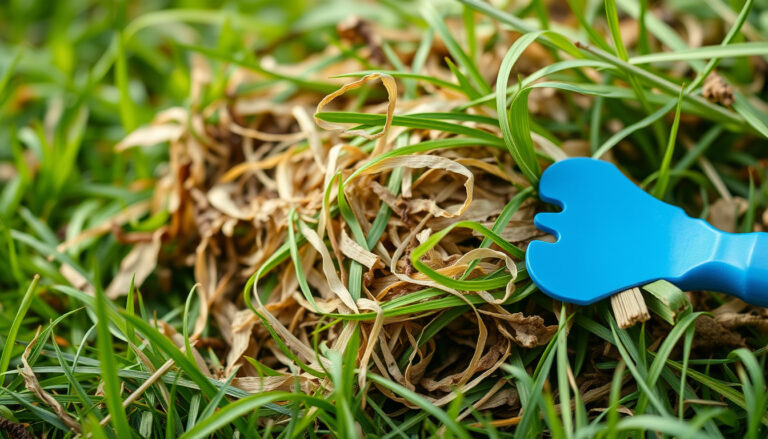
Well-layered carbon and nitrogen materials create the structure hot compost needs.
Moisture: The Squeeze Test
Microbes need water to move and reproduce, but waterlogged conditions exclude oxygen. Aim for around 50–60% moisture. The standard test is to grab a handful of compost and squeeze. It should hold together and release only a few drops of water.
If it drips freely, add dry browns and turn. If it crumbles into dust, water while turning. University of Minnesota Extension guidance consistently emphasizes the wrung-out-sponge standard for home compost. In practice, checking moisture weekly prevents more stalled piles than any other single habit.
Oxygen and Turning
Aerobic bacteria dominate fast, pleasant-smelling compost. Without oxygen, anaerobic bacteria take over, producing foul odors and slowing the process. Turning introduces air while redistributing moisture and heat.
During an active hot phase, turning every two to three days is ideal. After the pile cools, weekly turning is enough. For a lower-effort alternative, push a garden fork or compost aerator deep into the pile and rock it to create air channels without fully turning.
Pile Size and Insulation
Small piles lose heat quickly. A pile smaller than 3 feet in each dimension rarely holds temperatures high enough for rapid decomposition. In cold weather, even a large pile may stall. Insulating the sides with straw bales, leaves, or a compost blanket helps retain heat. Some gardeners build two adjacent piles and turn one into the other to combine materials and boost volume.
Ambient Temperature and Season
Composting slows below 50°F and nearly stops during hard freezes. That is normal, not failure. In cool climates, build a larger pile in autumn, cover it with a tarp, and expect it to finish in spring. In warm climates, hot composting can operate year-round.
Ingredient Type and Lignin Content
Soft kitchen scraps, grass clippings, and coffee grounds break down quickly. Tough, high-lignin materials such as branches, cornstalks, and pine needles take far longer. A pile dominated by woody waste will read as unfinished even after twelve months. That is why the timeline for grass clippings looks so different from the timeline for wood chips. Mixing a small amount of woody material into mostly leafy, herbaceous material is the practical solution.
How to Speed Up Compost Without Creating Odors or Pests
Patience is part of composting, but you can legitimately shorten the process without turning your yard into a smelly nuisance.
Turn on a Schedule, Not Just When You Remember
A calendar reminder is more reliable than memory. During the first two weeks, turn every two to three days if you want hot compost. After the pile stops reheating after turning, reduce frequency to weekly. If turning is physically difficult, use an aerator or garden fork to make holes at least once a week.

Turning redistributes moisture and oxygen, preventing the sour pockets that slow a pile down.
Shred and Pre-Break Every Input
Anything you can reduce in size before adding will compost faster. Shred leaves with a mower, tear cardboard, break eggshells finely, and chop tough stems. A small electric shredder is worthwhile if you regularly add brush, cardboard, or garden trimmings. This is not a minor detail; it is one of the highest-impact changes you can make.
Bury Fresh Food Scraps
Exposed fruit and vegetable scraps attract fruit flies, gnats, and sometimes rodents. Always bury fresh greens in the center of the pile and cover them with a few inches of browns or finished compost. The center is the hottest, most active zone, so burying also speeds decomposition. It is a simple habit with outsized benefits.
Add High-Nitrogen Activators
Fresh grass clippings, coffee grounds, and well-aged manure are rich nitrogen sources that can wake up a stalled pile. You do not need expensive commercial compost starters. If a pile stops shrinking, add a few shovelfuls of grass clippings or coffee grounds while turning. If you use manure, pay attention to chicken manure’s safe composting window before adding it to beds or edible gardens.
Keep Water Handy
A dry pile stalls even if the C:N ratio is perfect. Keep a hose or watering can near the bin. When you add a batch of dry leaves or cardboard, moisten it in layers as you go. Dry pockets can persist for months while the rest of the pile finishes around them.
How to Tell When Compost Is Actually Ready
You do not need a laboratory test. Use your senses and a simple plant-based germination check.
Visual Check
Finished compost looks dark brown to almost black. It should resemble rich soil or used coffee grounds rather than a pile of decaying scraps. You should not recognize the original ingredients. A few tough bits such as avocado skins, small twigs, or eggshell fragments are acceptable, but the overall appearance should be uniform.
Texture Check
Squeeze a handful. Ready compost is crumbly and friable. It forms a loose ball that breaks apart easily. A wet, matted clump means the compost is still too moist or active. A dusty, gritty handful may be dry or simply very mature. Rub a small amount between your fingers; finished compost should feel soft and soil-like.
Smell Check
This is the most reliable home test. Finished compost smells pleasantly earthy, like a forest floor after rain. Any ammonia smell means excess nitrogen and incomplete decomposition. Any sour, rotten, or vinegar-like odor means anaerobic conditions and a pile that needs more oxygen and browns.
Bag Test
Place a small handful of slightly damp compost in a sealed plastic bag for three to five days at room temperature. When you open it, it should still smell earthy, not sour or sharp. A foul smell means the compost is still biologically unstable and should cure longer.
Germination Test
If you plan to use compost in seed-starting mixes or on sensitive plants, run a simple germination test. Fill two small trays with compost and plant a few fast-growing seeds such as radish, lettuce, or bean. If the seeds sprout well and look healthy after a week, the compost is safe. Poor germination or discolored seedlings suggests it needs more curing.
Common Problems That Delay Readiness and How to Fix Them
Even experienced composters hit slow patches. Here are the most common causes and practical fixes.
| Problem | Likely Cause | Fix |
|---|---|---|
| Rotten-egg or sour smell | Too wet, compacted, or low oxygen | Turn thoroughly, add coarse browns, reduce water |
| No visible change in weeks | Too dry, too brown-heavy, or too cold | Moisten while turning, add greens, increase pile size |
| Pile never heats up | Too small, dry, or lacking nitrogen | Build to at least 3×3×3 feet, add grass or manure, moisten |
| Fruit flies everywhere | Exposed kitchen scraps | Bury scraps deep, cover with browns, use a tight lid |
| Rodent activity | Accessible food, meat, or cooked scraps | Use a closed bin, exclude cooked food and meat |
| Large chunks remain | Materials added whole | Screen finished product, return chunks to next batch |
| Pile is wet in center but dry outside | Uneven moisture distribution | Turn in layers, water dry zones as you go |
A slow pile almost always comes back to one of four issues: too little oxygen, too little nitrogen, too little water, or too small a volume. Change one variable at a time and wait a week before changing another.
The Curing Step Most Home Gardeners Skip
Hot compost can look finished while still being chemically active. Pulling it too early can burn young roots or temporarily lock up nitrogen. The solution is curing.
After the hot phase ends and the pile no longer reheats after turning, let the compost sit for two to four weeks. Keep it slightly moist but do not turn aggressively. During curing, beneficial organisms stabilize nutrients, pH shifts closer to neutral, and any remaining phytotoxic compounds break down.
This curing period is especially important if you plan to use compost in containers, seed-starting mixes, or around young transplants. Compost that is almost done will continue to mature in the bed if used as a light mulch on established plants, but it is not the right choice for delicate roots.
Using Finished Compost at Home
Once your compost passes the readiness checks, put it to work where it delivers the most benefit.
Garden Beds and Vegetable Rows
Spread 1–2 inches of finished compost over the soil surface and lightly work it into the top few inches. This improves structure, water retention, and slow-release fertility. For perennial beds, top-dress without digging to avoid disturbing roots. A modest layer is better than a heavy application; more compost does not automatically mean more growth.
Containers and Pots
Mix screened compost into potting soil at about 10–30% by volume. For seedlings and young plants, stay closer to 5–10% to avoid overly rich conditions. If you grow in containers, pot color plays a role in root temperature and moisture retention, so pairing finished compost with an appropriate container setup gives stronger results.
Lawns and Top-Dressing
Apply a thin quarter-inch to half-inch layer of screened compost over the lawn and rake it evenly. Water lightly afterward. This feeds the soil food web without smothering the grass. Avoid burying turf under a thick layer, which can reduce airflow and encourage disease.
Compost as a Seed-Starting Amendment
Compost can be part of a seed-starting mix, but it must be fully mature and screened. Use no more than one-third compost by volume, mixed with a light medium such as coconut coir or perlite. Always run the germination test before sowing an entire tray.
Frequently Asked Questions
Can compost really be ready in three weeks?
Yes, but only under near-ideal conditions. A hot pile that is at least 3 feet square, correctly balanced, kept damp, chopped small, and turned every two to three days can finish in three to four weeks during warm weather. A follow-up curing period is still recommended. This fast timeline is not realistic for a passive bin.
How do I know if my compost is too wet?
Squeeze a handful firmly. If water runs out freely, it is too wet. The material should hold together and release only a few drops. A sour smell or a slimy center are also signs of excess moisture. Fix it by mixing in dry, coarse browns such as shredded cardboard or dead leaves and turning thoroughly.
Is it okay to use compost that still has visible pieces in it?
Yes, with caution. A few small woody bits are harmless in mulch or as a soil amendment for established plants. Screen the finished material and return larger chunks to the next pile. Do not use partially finished compost in seed-starting mixes or directly around young transplants, because it can tie up nitrogen as it continues to decompose.
Should I add worms to speed up an outdoor pile?
Red wiggler worms are excellent for cooler vermicomposting systems, but they cannot survive the core temperatures of a hot pile. In a passive outdoor bin, adding worms may help lightly, but the effect is modest compared with shredding, moisture, and turning. Keep worms in a dedicated indoor or shaded bin where temperatures stay below 90°F.
Does turning compost really make a meaningful difference?
Yes. Turning introduces oxygen, redistributes moisture, and exposes unprocessed material to the hot core. A pile turned weekly can finish in half the time of an identical unturned pile. The trade-off is physical effort, but a garden fork or compost aerator makes the job manageable.
Can I plant directly in unfinished compost?
It is risky. Unfinished compost continues to decompose and may temporarily remove nitrogen from the root zone. It can also contain organic acids that harm young roots. For established beds, a thin surface layer of almost-finished compost is acceptable as mulch. For seeds, seedlings, or new transplants, always use fully cured compost or avoid it entirely.
What is the biggest mistake first-time composters make?
In practice, the biggest mistake is treating all methods as the same. People want hot-compost speed but use a cold-compost routine. Decide whether you will actively manage a hot pile or let a passive bin sit, and set expectations accordingly. The second biggest mistake is adding too many wet greens without enough dry browns, which creates a smelly, stalled mass.
Final Thoughts: Match Your Method to Your Patience
The question “how long does it take for compost to be ready at home” ultimately has an answer you control. A carefully managed hot pile can be ready in under two months, while a low-effort cold pile may need close to a year. Neither method is wrong. The right choice depends on how much compost you need, when you need it, and how much time you can give the bin.
Start with realistic expectations, check moisture and smell weekly, and change one variable at a time. By your second or third batch, you will recognize readiness at a glance and produce consistently useful compost without frustration.
Take one action this week: grab a handful from the center of your pile, squeeze it, and compare what you see, feel, and smell against the readiness checklist above. If it is dry or matted, turn it once and correct the moisture before adding more material. That single check will tell you more about your timeline than any calendar estimate.