How Long Does Compost Take To Break Down In A Home Bin
How long does compost take to break down? That’s the question every new composter asks right after they toss in the first banana peel and start watching the pile like it’s a slow cooker.
The honest answer: it depends on what goes in, how it’s managed, and the weather. A hot, well-built pile can finish in weeks, while a neglected heap may take many months. For example, someone who chops kitchen scraps, mixes in dry leaves, and turns the pile weekly often sees dark, crumbly compost in about 6–10 weeks.
Gardeners and compost educators tend to agree on the same core drivers that control speed. The biggest ones are:
- Material balance (greens like food scraps vs. browns like leaves)
- Moisture (damp like a wrung-out sponge)
- Air and turning (oxygen keeps microbes working)
- Particle size (smaller pieces break down faster)
Next, they’ll see realistic timelines for common composting methods, what “finished” compost looks and smells like, and quick tweaks that can speed things up without extra gear. Want faster results? They should start by checking moisture and adding more browns today.
What “finished compost” looks, feels, and smells like
Now, once the pile has had time to work, the real question becomes whether it’s actually done. Finished compost isn’t defined by a calendar date; it’s defined by consistent sensory cues and stability. When those cues line up, it’s ready to use with confidence.
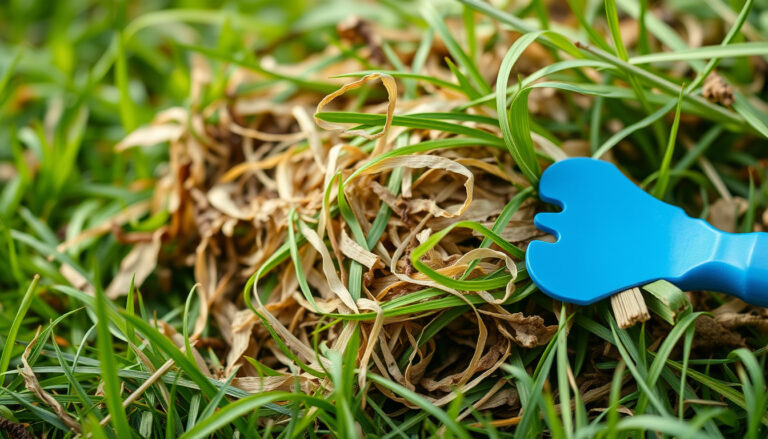
Visually, finished compost looks like dark brown to near-black crumbly soil. Most original ingredients are unrecognizable, aside from a few woody bits that can be screened out. The texture should be loose, not slimy, and it shouldn’t clump into wet mats when squeezed.
By touch, it feels cool and even throughout the pile, not warm in the center. A simple squeeze test helps: a handful should hold together briefly, then fall apart with a light poke. If water drips out, it’s still too wet; if it’s dusty and won’t clump at all, it’s too dry and likely under-processed.
Smell is often the fastest indicator. Finished compost has a clean, “forest floor” scent. Sharp ammonia, sour vinegar, or rotten odors signal ongoing anaerobic breakdown and a need for more air and better carbon balance.
- Color: uniformly dark and earthy
- Texture: crumbly, soil-like, no slime
- Temperature: close to outdoor ambient
- Odor: pleasant, earthy, never putrid
Practical example: a gardener who composts kitchen scraps and shredded leaves can screen a finished batch through 1/2-inch mesh. The fine fraction goes straight into potting mixes or top-dressing beds, while the larger bits return to the pile as “starter” material.
Typical compost breakdown timelines by method (hot, cold, tumbler, vermicompost)
Look, timelines vary because composting is biology plus management. The same ingredients can finish in weeks or in a year depending on aeration, moisture, particle size, and how often it’s mixed. That’s why “how long does compost take to break down” has different answers by method.
Hot composting moves fastest because it’s built to heat up and stay aerobic. With a balanced mix of greens and browns, adequate moisture, and regular turning, it commonly finishes in 4–12 weeks. Larger, well-built piles hold heat better and tend to process more quickly.
Cold composting is the low-effort route. Materials break down slowly with minimal turning, so it often takes 6–18 months, especially in cool seasons. It’s reliable, just not quick, and it usually benefits from screening before use.
Tumblers sit in the middle. They’re easy to aerate, but they can dry out or cool down because of limited volume. Many batches finish in 8–16 weeks when moisture is watched closely and inputs are chopped small.
Vermicomposting depends on worm density, temperature, and feed rate. In a well-managed bin, kitchen scraps can become usable castings in about 2–4 months, though separating castings from unfinished food may add time.
- Hot: ~4–12 weeks
- Cold: ~6–18 months
- Tumbler: ~8–16 weeks
- Vermicompost: ~2–4 months
Practical example: if a household wants compost for spring planting, they can start a hot pile in late winter using shredded leaves, coffee grounds, and chopped vegetable scraps, turning weekly to target finished compost by mid-spring.

Key factors that control how fast compost breaks down
Now, once the method is chosen, the pace comes down to conditions inside the pile. Composting is biology, so small changes in airflow, moisture, or ingredient mix can shift results by weeks.
Oxygen drives aerobic microbes, which work faster and smell cleaner. A compacted pile slows because air can’t move; turning, bulking agents, or perforated pipes can restore airflow.
Moisture should sit near a wrung-out sponge. Too dry and microbes stall; too wet and oxygen drops, inviting sour odors and slowdowns. A quick squeeze test beats guessing.
Carbon-to-nitrogen balance controls microbial growth. “Greens” (food scraps, fresh grass, manure) supply nitrogen; “browns” (leaves, paper, straw) supply carbon. A common target is roughly 2–3 parts browns to 1 part greens by volume.
Particle size matters because microbes work on surfaces. Chopping scraps, shredding leaves, and breaking up clumps speeds decay, while thick sticks and intact cardboard linger.
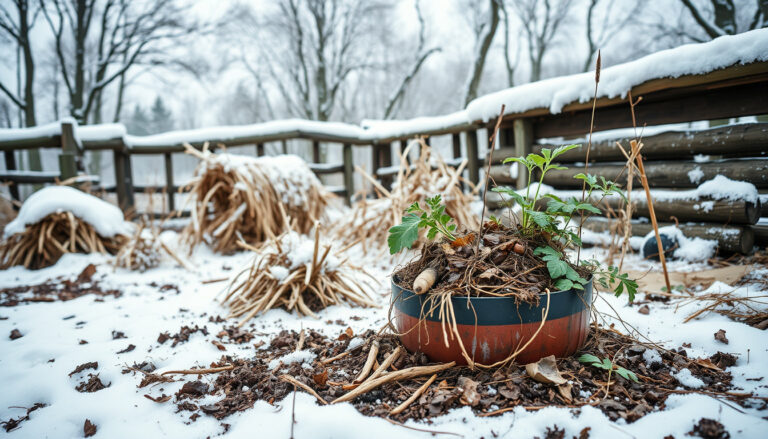
Temperature rises with the right mix and moisture, accelerating breakdown and pathogen reduction. Cold weather slows activity; insulating with leaves or a bin helps retain heat.
- Turning frequency: more turning usually means faster compost, up to a point.
- pH and salts: excessive ash, lime, or salty foods can suppress microbes.
- Pile size: too small loses heat; too large can go anaerobic without turning.
Practical example: if a backyard pile smells and sits wet after rain, they can mix in shredded leaves and torn cardboard, then turn it. Within a few days, the pile typically heats again and the texture starts breaking down faster.
Material-by-material breakdown times (food scraps, leaves, paper, wood, manure)
Look, the biggest driver of “how fast” is what goes in. Some materials are soft and nitrogen-rich; others are woody, dry, and built to resist decay.
Food scraps break down quickly when buried in browns and kept moist. Most fruit and vegetable scraps soften in 1–4 weeks; tougher items (citrus peels, onion skins) can take 1–3 months, especially in cooler piles.
Leaves vary by type and prep. Shredded leaves often disappear in 2–6 months, while whole, waxy leaves can mat and persist 6–12 months unless mixed with coarse bulking material.
Paper products depend on thickness and coatings. Shredded office paper can break down in 2–8 weeks; plain cardboard typically takes 2–6 months. Glossy or heavily inked paper should be avoided because coatings can slow decay and add contaminants.
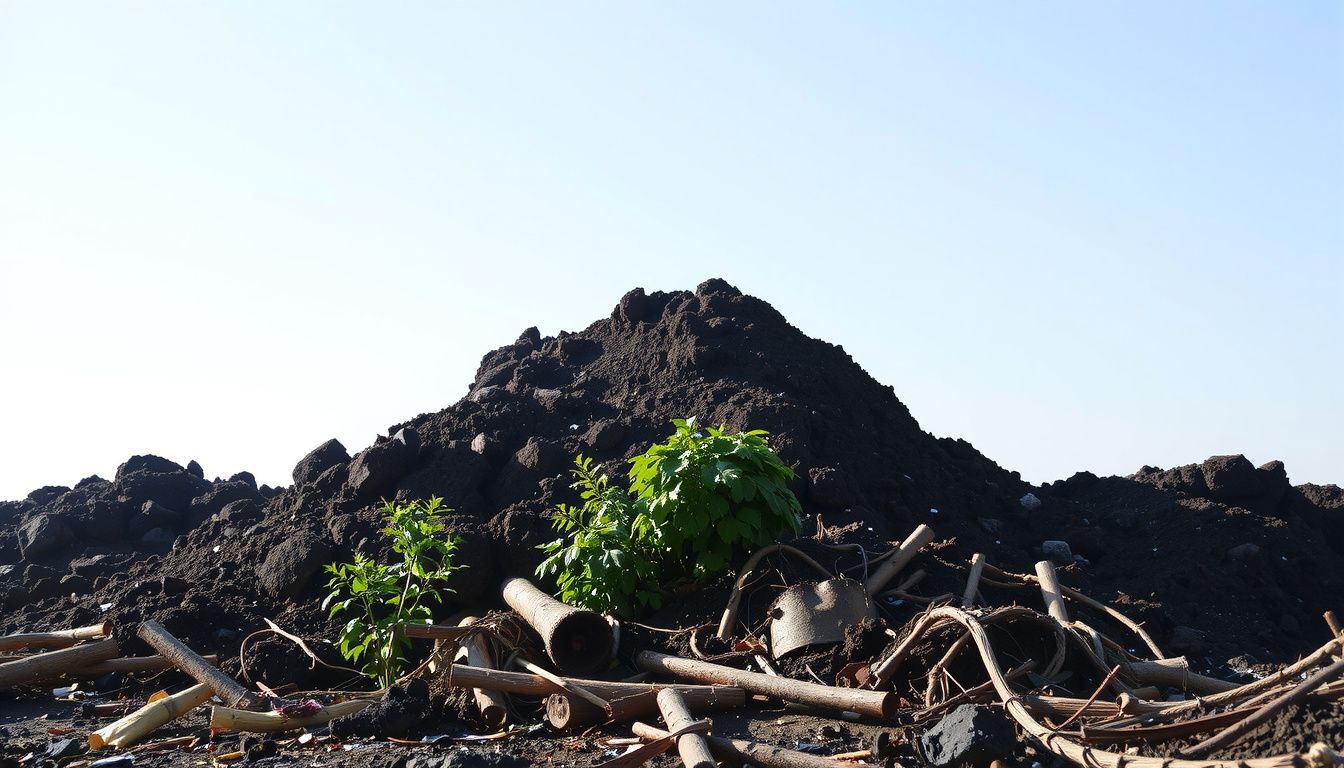
Wood is the long game. Small chips may take 6–18 months; twigs and branches can take 1–3+ years unless chipped finely. Wood is carbon-dense and lignin-rich, so it decomposes slowly even in a hot pile.
Manure can be fast and powerful, but it’s variable. Herbivore manure (horse, cow, rabbit) often breaks down in 1–3 months in an active pile; bedding-heavy manure takes longer. Fresh manure should be composted thoroughly before garden use.
- Fast: soft greens, chopped scraps, fresh manure (managed well).
- Medium: shredded leaves, shredded paper, plain cardboard.
- Slow: woody stems, chips, branches, thick cardboard.
Practical example: if they add a thick layer of whole oak leaves and small sticks, the pile may look unchanged for months. Shredding the leaves and chipping sticks into small pieces usually cuts that wait dramatically.
How to speed up composting without causing odors or pests
Now, once the basics are in place, the fastest gains come from tightening the process without inviting flies, rats, or that sour smell. Speed comes from oxygen, moisture control, and smart feedstock prep. Done right, it shortens how long does compost take to break down while keeping the bin neighbor-friendly.

Start with particle size and layering. Chopping scraps and shredding leaves increases surface area, so microbes work faster. Then “cap” each kitchen-scrap add with a dry, carbon-rich layer to block odors and discourage pests.
- Keep a dry cap: 2–4 inches of leaves, shredded paper, or finished compost over fresh scraps.
- Turn for oxygen: mix the core every 7–14 days; focus on moving outer material inward.
- Hit the moisture sweet spot: damp like a wrung-out sponge; add browns if it’s wet, water if dusty.
- Balance inputs: for each bucket of “greens,” add roughly two buckets of “browns.”
- Avoid pest magnets: bury scraps, and skip meat, grease, and dairy in open piles.
Look, “more greens” isn’t the same as “faster” if it turns anaerobic. If the pile smells sharp or rotten, it’s usually too wet or too nitrogen-heavy. Correct it immediately with dry browns and a thorough turn.
Practical example: a household adding daily fruit peels can keep a lidded bin clean by freezing scraps, then adding them once a week and covering with shredded cardboard. With a weekly turn and a consistent dry cap, they’ll often see rapid heating without gnats or raccoons.
Common reasons compost stalls and how to fix them
Even a well-started pile can slow down. A stall usually means microbes lost one of their essentials: air, water, nitrogen, or workable structure. The good news is most fixes take minutes, not weeks.
First, diagnose with your senses. A cold, dry pile that looks unchanged points to low moisture or too much carbon. A wet, smelly pile points to compaction and oxygen loss.
- Too dry: sprinkle water while turning; add moist greens (coffee grounds, fresh grass) in thin layers.
- Too wet or smelly: mix in dry browns (leaves, shredded paper), then fluff and re-build for airflow.
- Not enough nitrogen: add a small amount of grass clippings or manure, then cover with browns to prevent odor.
- Compacted pile: add bulky structure (wood chips, straw) and turn to create air pockets.
- Too small to heat: build to at least 3x3x3 feet, or insulate with a tarp in cool weather.
Now, don’t chase heat at all costs. In many backyard setups, consistent decomposition matters more than peak temperature. A steady, earthy smell and gradual shrinking signal progress even if the pile isn’t “hot.”
Practical example: a gardener notices a pile stays cold after weeks of adding dry leaves. They fix it by soaking a few buckets of leaves, mixing in a bucket of coffee grounds, and turning in straw for structure. Within days, the center warms and the volume starts dropping again.
How to tell when compost is ready to use and how to cure, screen, and store it
Now the pile looks close, the next question is how long does compost take to break down enough to use without stressing plants. “Ready” means stable, not just dark. A quick maturity check prevents nitrogen tie-up and seedling burn.
They can confirm readiness with a few fast signals:
- Temperature: stays near outdoor temperature for 3–7 days after turning.
- Texture: crumbly and soil-like; no slimy clumps.
- Identity test: most inputs unrecognizable; only small wood bits remain.
- Bag test: a sealed jar/bag for 24 hours smells earthy, not sour or ammonia-like.
For best results, they should cure compost before spreading it. Curing lets microbial activity settle and finishes slow-to-stabilize compounds.
- Cure: move compost to a separate pile/bin, keep it slightly damp, and turn every 1–2 weeks for 3–6 weeks.
- Screen: push through a 1/2-inch screen for mulch-grade, or 1/4-inch for seed-starting mixes; return oversize pieces to the active pile.
- Store: keep in breathable bags or a covered bin with ventilation; protect from heavy rain and sun to avoid nutrient leaching and drying.
Example: a gardener curing a fall batch can screen it in early spring—fine compost goes into potting mixes, while chunky bits become a 1–2 inch top-dress around shrubs.
Watch out: sealing warm compost in an airtight tote can turn it anaerobic fast, creating sour odors and slowing finishing.
The Bottom Line
Now, back to the question: how long does compost take to break down? In real yards, timelines usually land in a broad range because composting is a biological process, not a stopwatch. Most piles move from “fresh” to “usable” in weeks to months, while neglected or woody-heavy piles can take much longer.
The most reliable way to judge progress is to watch what the pile is doing, not what the calendar says.
A practical example: a homeowner who collects weekly kitchen scraps and shredded leaves in a covered bin often sees finished compost in a season, while a pile built mostly from sticks may still look unchanged by the next one. Look for steady progress signals:
- Consistent shrinkage and fewer recognizable ingredients
- Earthy smell (not sour, not ammonia)
- Stable texture that spreads easily in the garden
Next step: they should pick one composting method, start a small batch this week, and track changes weekly to learn their site’s “normal” pace.
Related read: How to Make a Garden Step-by-Step for a Healthy Backyard