How Long Do Wood Chips Take To Decompose in Gardens?
Wood chips rarely disappear quickly. In a typical garden bed, a 2–4 inch mulch layer takes roughly 12–36 months to break down substantially. Used as a pathway surface, they can remain recognizable for 2–5 years. Mixed into an actively managed compost pile, the same chips may decompose in 3–12 months.
The honest answer is that there is no single number. Moisture, oxygen, chip size, wood species, and soil contact all change the timeline. But understanding those variables lets you speed up decomposition when you want faster soil building—or slow it down when you want longer-lasting weed suppression. You can also read our guide on how to plan a family friendly garden.
What Wood Chip Decomposition Looks Like
Decomposition is not a clean disappearing act. It is a gradual shift in color, texture, and structure as fungi and bacteria consume the carbon-rich wood. Recognizing the stages helps you decide when to top up mulch, turn a pile, or incorporate fines into soil.
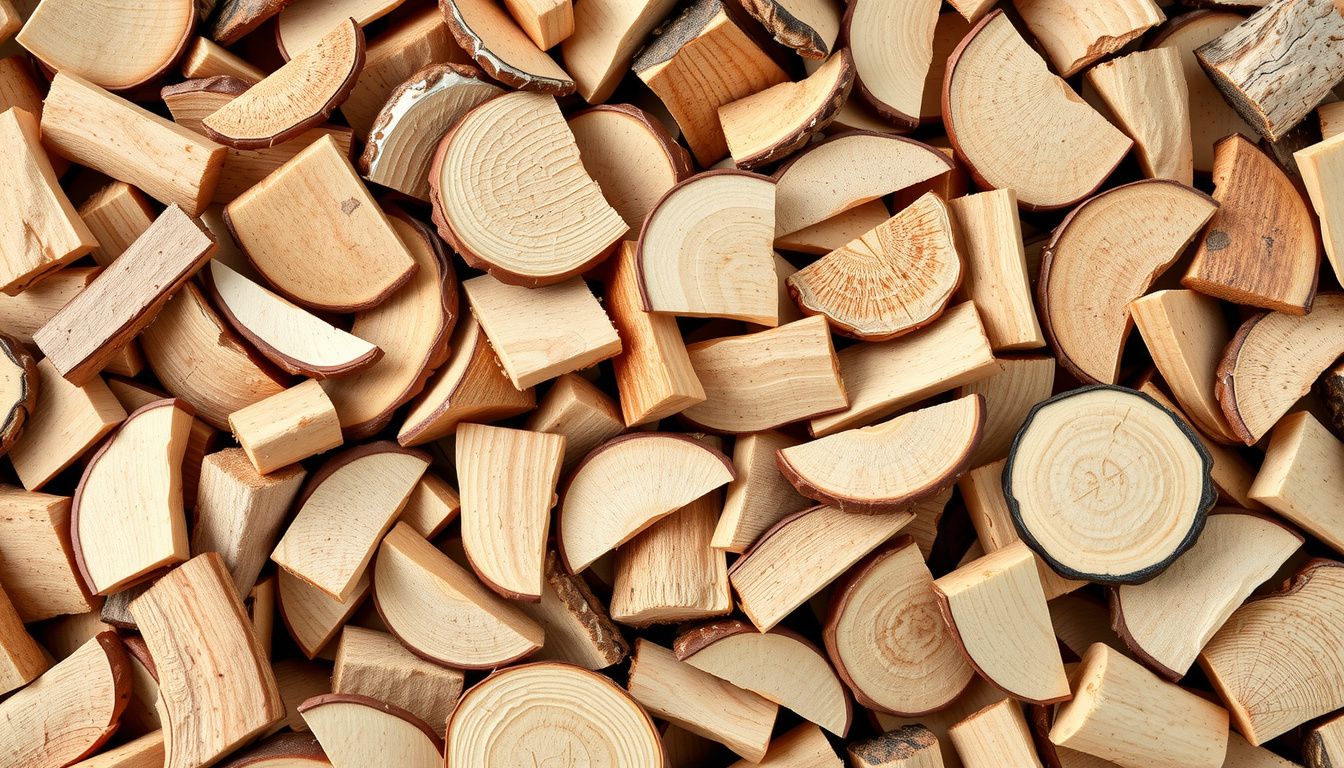
Early on, fresh chips are light-colored and rigid, often with a strong woody smell. In moist, shaded beds, you may notice white, threadlike fungal growth called mycelium. This is usually a sign of healthy breakdown, not a disease problem.
As decomposition progresses, the layer settles and compacts. Chips darken, soften, and begin to crumble. The most active zone is where the chips meet the soil. There you will often find a thin band of dark, soil-like material. That interface is where moisture buffering and nutrient cycling are strongest.
Common stages include:
- Fresh: light color, firm edges, noticeable wood scent
- Active breakdown: darkened chips, visible fungal threads, slight sponginess
- Humus-forming: crumbly texture, earthy smell, reduced volume
In practice, a 3-inch mulch layer may drop to about 2 inches after a wet winter. That settling is not failure. It means the chips are converting into organic matter and should be topped up for consistent weed control.
Average Timelines by Garden Use
How long wood chips take to decompose depends heavily on where and how they are used. Thin layers in contact with soil break down faster than thick, dry, or elevated layers. High-nitrogen environments such as compost piles also speed microbial activity.
| Garden Use | Typical Breakdown Time | Notes |
|---|---|---|
| Fine mulch, 2–4 inches deep | 12–30 months | Needs top-up every 1–2 years |
| Coarse mulch, 2–4 inches deep | 24–48 months | Slower if dry or in full sun |
| Pathway, 4–6 inches deep | 36–60+ months | Compaction and low moisture slow decay |
| Mixed into active compost | 3–12 months | Turn regularly and add nitrogen-rich material |
| Buried in raised bed or hugelkultur | 2–6 years | Large pieces may take longer |
| Undisturbed chip pile | 6–18 months in center | Outer layers change much more slowly |
A landscaper spreading chips in a shaded, irrigated bed may see noticeable breakdown within one season. The same chips on a sunny, fast-draining trail can stay recognizable for years. Faster decomposition means more frequent replenishment, but also faster conversion into stable soil organic matter.

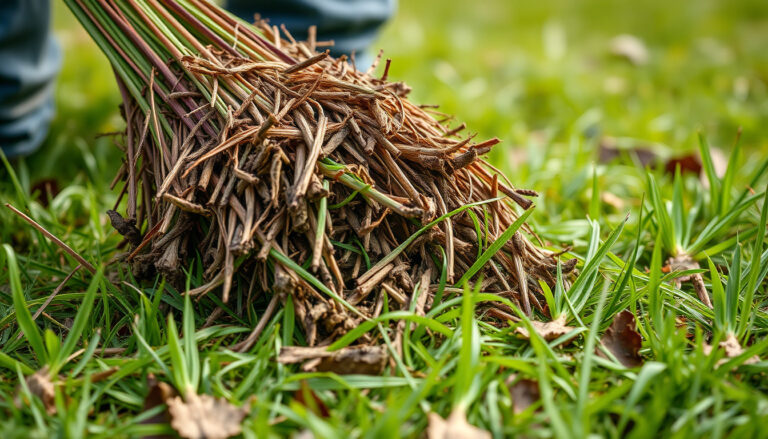
Fresh chips begin light and rigid before moisture and microbes darken and soften them.
Key Factors That Change Decomposition Speed
Wood chips break down when microbes have the right balance of moisture, oxygen, warmth, and food. Remove any one of those and the process slows dramatically.
Moisture
Moisture is the biggest variable. Chips that stay lightly damp support active fungi and bacteria. Chips that dry out go dormant, while chips that stay waterlogged turn anaerobic and may smell sour. A simple squeeze test works well: a handful should feel cool and hold its shape briefly without dripping water.
Temperature and Season
Microbial activity increases in warm weather and drops sharply in cold months. In cool, shaded beds, chips can appear unchanged until soil temperatures rise again. In hot climates, decomposition may pause during dry spells and resume after rain or irrigation.
Oxygen and Soil Contact
A thick, compacted layer sheds water and limits airflow. A fluffed layer with direct soil contact decomposes more evenly. Landscape fabric beneath mulch prevents contact with soil life, slowing breakdown and sometimes creating a dry barrier.
University extension guidance, such as that from University of Minnesota Extension, emphasizes that consistent moisture, oxygen, and soil contact are the core drivers of organic mulch breakdown.
Management choices that influence speed include:
- Layer thickness: 2–4 inches breaks down more evenly than 6+ inches
- Placement: on soil is faster than on fabric or concrete
- Nitrogen availability: a light feed supports microbial growth
- Turning: occasional raking introduces oxygen and redistributes moisture
Wood Type and Chip Size: What Breaks Down Fastest
The material itself matters. Softer woods, smaller pieces, and mixed arborist chips usually break down sooner because they offer more surface area and less decay-resistant chemistry.
Fine chips and shredded wood wet easily, settle quickly, and invite fungal colonization. Large, blocky chips resist wetting and persist longer, especially when made mostly from dense heartwood.
Wood species also changes the timeline. Resins, oils, and lignin-rich structure can slow decay.
- Fastest: mixed arborist chips with leaves and twigs, poplar, aspen, soft maple, alder
- Middle: common hardwood blends, especially when chipped small and kept moist
- Slowest: cedar, redwood, cypress, and resin-heavy conifers in larger pieces
Fresh green chips often contain bark and cambium, which decompose readily. However, they can temporarily tie up nitrogen at the soil surface. Aged chips may start slower because they are dry, then accelerate once rewetted and colonized.
For comparison, decomposition speed of grass clippings is much faster because grass is nitrogen-rich and less woody. Mixing a small amount of grass into wood chip compost can help balance the carbon load.

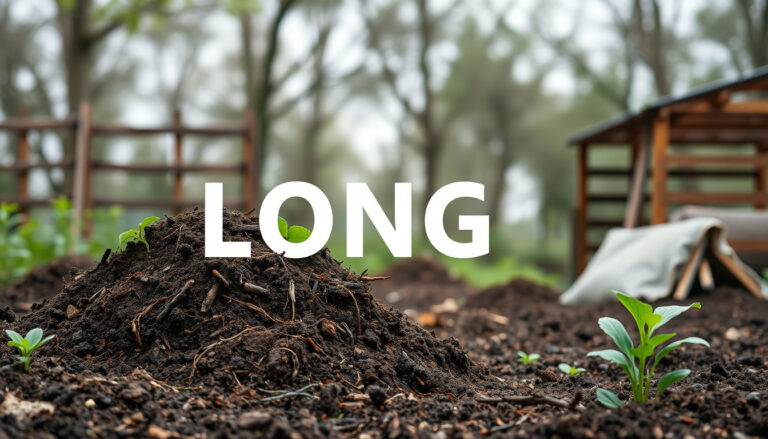
The dark, crumbly interface where wood chips meet soil is a sign of active breakdown.
How to Speed Up Decomposition Safely
The goal is to keep microbes fed, moist, and oxygenated without stressing plants. This is especially important around young plants, where fresh wood chips can temporarily reduce available nitrogen in the root zone.
Start with placement. Wood chips decompose fastest when they touch soil biology, but keep them 2–4 inches away from plant stems and tree trunks. A 2–4 inch layer works well for most beds. Deeper piles can mat down, shed water, and turn anaerobic.
Moisture management matters more than many gardeners expect. Chips should feel like a wrung-out sponge, not dusty and not soggy. In dry spells, a slow weekly soak is usually better than frequent light watering that never penetrates the surface.
Proven ways to speed decomposition:
- Top-dress with nitrogen lightly: add compost, aged manure, or a small amount of organic nitrogen fertilizer
- Mix in green material: grass clippings or vegetable scraps in a compost pile balance carbon-heavy chips
- Turn or fluff piles: oxygen prevents matting and sour smells
- Inoculate with life: finished compost or leaf mold introduces active decomposers
- Keep chips in contact with soil: avoid landscape fabric if faster breakdown is the goal
If you need a nitrogen-rich amendment, aged chicken manure as a nitrogen source can be composted first and then used in small amounts. Too much fresh manure can create odor and nutrient runoff risks.
Common Mistakes That Slow Breakdown or Harm Plants
Wood chips are forgiving, but a few mistakes can stall decomposition or create plant problems. Most issues come from poor placement, excessive depth, or using chips in ways they are not designed for.
The most common plant risk is nitrogen drawdown. As microbes consume carbon-rich chips, they temporarily immobilize nitrogen near the soil surface. This is manageable for established plants, but it can stress seedlings and shallow-rooted vegetables.
Mistakes seen most often in home gardens include:
- Mulch volcanoes: piling chips against trunks traps moisture, invites rot, and encourages pests
- Overapplying: 6+ inches can mat, shed water, and become anaerobic underneath
- Mixing fresh chips into planting holes: increases nitrogen drawdown exactly where roots need nutrients
- Letting chips dry out completely: slows microbial activity and can make the surface water-repellent
- Using contaminated chips: weed seeds, diseased wood, or possible herbicide residues can cause long-term problems
If you also grow in containers, remember that container color influences soil temperature. Dark pots heat up more, which can dry mulch faster, while lighter pots stay cooler and may retain moisture longer.
When decomposition seems stuck, the problem is usually the environment, not the chips. Correct the setup and breakdown restarts naturally.
When Wood Chips Are Finished
Finished wood chips stop behaving like mulch and start behaving like soil. They do not need to disappear completely. Instead, they become stable, crumbly, and no longer draw down much nitrogen at the surface.
Look for these signs:
- Color: mostly dark brown to black, not fresh tan
- Texture: chips crush easily between your fingers with few sharp edges
- Smell: earthy and sweet, not sour or ammonia-like
- Volume: the layer has noticeably settled and thinned
A simple three-step check:
- Pull back the mulch and grab a handful from the bottom inch
- Squeeze it: it should clump lightly, then fall apart into crumbs
- Rub it through your fingers: finished material leaves fine, soil-like particles
In practice, many gardeners top-dress beds each fall. By late spring, the bottom layer turns dark and friable. At that point, rake off remaining coarse pieces, mix the fines into the top 2–3 inches of soil, and apply a fresh thin mulch layer where weed control is still needed.
Avoid mixing half-finished chips into planting soil. Keep unfinished pieces on the surface or compost them longer.
Frequently Asked Questions
Do wood chips rob nitrogen from garden soil?
Only at the soil surface where fresh chips meet the ground. Microbes use nitrogen to break down carbon, temporarily reducing availability to shallow roots. Established plants are rarely affected. A light compost top-dressing or nitrogen source reduces the risk, and keeping chips on top rather than tilling them in prevents major problems.
Can I mix wood chips directly into garden soil?
Avoid tilling fresh chips into planting beds. This can cause nitrogen drawdown and poor early growth. Compost chips first, or use them as surface mulch. Once they are dark, crumbly, and soil-like, the fines can be safely incorporated into the top few inches.
Are wood chips safe for vegetable gardens?
Yes, as surface mulch around established vegetable plants. Keep chips a few inches from stems and use a nitrogen-rich compost underneath if plants look pale. Avoid fresh chips directly in seed rows or transplant holes. Aged or partially composted chips are safer if you plan to dig them in.
How can I make wood chips decompose faster?
Keep them moist, oxygenated, and in contact with soil. Use a 2–4 inch layer, add nitrogen sources like grass clippings or compost, and turn or fluff the material occasionally. Smaller chips, mixed species, and warm weather also speed the process.
Do different wood types break down at different rates?
Yes. Softer woods like poplar and soft maple decay faster than dense or resin-rich woods. Cedar, redwood, and cypress are among the slowest. Mixed arborist chips with leaves and twigs often break down quickly because they contain more moisture-retaining and nitrogen-rich material.
Should I remove old wood chips before adding new ones?
Usually not. If the old layer is thin, partially broken down, and free of disease, simply top it up. If it is matted, sour-smelling, or over 4 inches deep, rake off the coarsest material first, aerate the lower layer, and then add a fresh 1–2 inch surface.
Final Summary
How long wood chips take to decompose depends on the conditions you create. With steady moisture, oxygen, and active soil life, chips shift from fresh mulch to crumbly organic matter on a practical gardening schedule—not overnight. They are a long-game material, but a predictable one when managed intentionally.
Set expectations by use:
- Garden mulch: plan for gradual breakdown and periodic top-ups
- Compost ingredient: treat it as a slower carbon source that needs patience
- Pathways: expect settling and thinning over several seasons
Pick one area of your yard, apply chips with a clear goal, and set a reminder to reassess in 8–12 weeks. For another comparison of organic materials, see our separate guide on wood chip breakdown and how the timing shifts under different management.