How to Grill Chicken Drumsticks on Gas Grill Step-by-Step
Grilling chicken drumsticks on a gas grill sounds simple, but the gap between “cooked” and “genuinely excellent” comes down to heat control, preparation, and timing. Drumsticks are dark-meat cuts with a high fat content and thick bone-in structure, which makes them forgiving but also easy to get wrong. Without a plan, you end up with charred skin, rubbery texture, or undercooked meat near the bone.
The reliable fix is a two-zone setup: roast the drumsticks over indirect heat until nearly done, then finish them over direct heat to crisp the skin. A thermometer removes the guesswork, and proper seasoning builds flavor without burning.
In this guide, you’ll learn how to set up your gas grill, prep drumsticks for maximum crispness, manage cook times, confirm doneness safely, and rest them properly. By the end, you’ll have a repeatable method that works for weeknight dinners and weekend cookouts.
Before You Start: Tools, Ingredients, and Two-Zone Setup
Your setup determines most of the outcome before the first drumstick hits the grate. A stable, predictable grill and a clean work surface prevent flare-ups, sticking, and uneven cooking.
Tools to Gather
Keep everything within arm’s reach so you never leave the grill mid-cook:
- Instant-read thermometer — essential for dark meat; fast readings prevent overcooking.
- Long-handled tongs — lets you turn pieces without getting burned by flare-ups.
- Grill brush or scraper — clean grates right after preheating to reduce sticking.
- Small bowl and silicone brush — for oil application and glazing.
- Rimmed sheet pan — one for raw drumsticks, one for cooked; never mix them.
- Optional foil drip pan — catches rendered fat and minimizes flames.
Ingredients for Flavor and Function
You don’t need a complicated list. The essentials are:
- Chicken drumsticks — skin on, bone in; plan for 2–3 per adult.
- Neutral oil — canola, avocado, or grapeseed; high smoke point is key.
- Kosher salt — coarse texture sticks better and seasons more evenly.
- Seasoning blend or dry rub — paprika, garlic powder, onion powder, and black pepper make a solid base.
- Optional sauce — hold sugary barbecue sauces until the final minutes.
In practice, a simple dry rub outperforms most wet marinades for skin texture. Marinades add flavor but introduce moisture that fights crispness unless you pat the drumsticks completely dry before grilling.
Set Up Two-Zone Heat Correctly
Two-zone heat gives you a hot side for searing and a cooler side for gentle roasting. Here’s how to arrange burners on common gas grill sizes:
| Grill Configuration | Hot Side | Buffer Zone | Cool Side |
|---|---|---|---|
| 2-burner grill | Left burner medium-high | None | Right burner off |
| 3-burner grill | Left burner high | Middle burner low | Right burner off |
| 4+ burner grill | Two left burners high | One middle burner low | Right burner off |
Preheat with the lid closed for 10–15 minutes. Your target is roughly 425–450°F on the hot side and 300–350°F on the indirect side. Lid thermometers are a rough guide only; grate-level temperature is what actually cooks the food.
Place a foil drip pan under the indirect-side grates if your grill flares up easily. It catches fat before it hits the burner covers and helps maintain steadier heat during the long roast.
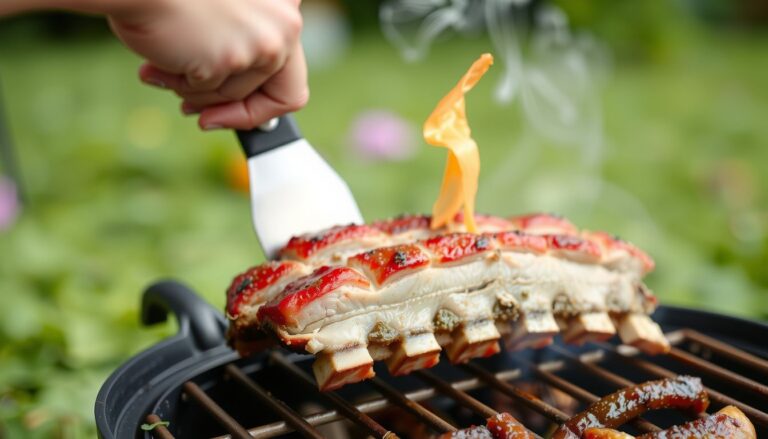
 Drumsticks cook gently on the cool side while the hot side stays ready for the final sear.
A common mistake is cranking every burner to high and throwing drumsticks directly over the flames. The fat renders quickly, drips onto the burners, and creates a fireball that chars the outside before the inside is safe to eat. If you’re new to managing grill temperatures, the same principles apply whether you’re cooking a forgiving cut like a steak or something faster like burgers.
Prep Drumsticks for Even Cooking and Crisp Skin
Drumsticks carry excess moisture and loose skin flaps that sabotage browning. Spending five minutes on prep makes a noticeable difference in the final texture.
Trim and Inspect
Open the package and inspect each drumstick. Snip off any loose or dangling skin flaps that will burn before the meat cooks. Remove stray bone fragments left from processing. If some drumsticks are significantly larger than others, place the larger ones toward the hotter part of the indirect zone later.
Dry the Surface Aggressively
Pat each drumstick with paper towels until the skin feels tacky rather than slick. This step is non-negotiable. Moisture on the surface creates steam, and steam prevents browning. In practice, drumsticks that go onto the grill wet will steam for several minutes before they start to color, which throws off your entire timing.
Oil Lightly
Use just enough neutral oil to help the rub adhere and encourage even browning. Toss the drumsticks in a bowl with one to two tablespoons of oil. Too much oil drips onto the burners, causing flare-ups and a sooty aftertaste.
Seasoning Approaches
Choose one method based on how much time you have:
- Quick rub (20–30 minutes before grilling): Salt, smoked paprika, garlic powder, onion powder, and black pepper. This adds surface flavor and works for same-day cooking.
- Dry brine (2–12 hours ahead): Salt the drumsticks and leave them uncovered in the fridge. The salt pulls moisture out, dissolves, and gets reabsorbed, seasoning the meat deeply while the skin dries out. This produces the most reliably crisp skin.
- Marinade (2–8 hours): Oil, acid, and aromatics. Pat the drumsticks fully dry before grilling, and avoid sugar-heavy marinades that burn early.
For a family pack of about ten drumsticks, a practical rub is 2 teaspoons kosher salt, 2 teaspoons smoked paprika, 1 teaspoon garlic powder, and ½ teaspoon black pepper. Toss with 1–2 tablespoons avocado oil, arrange in a single layer on a tray, and let them sit while the grill stabilizes.
A common mistake is seasoning straight from the package without drying first. The rub turns into a paste, slides off on the grates, and you lose both flavor and texture. For those who like a deeper savory note, the same rub approach translates well to other cuts like baked BBQ chicken thighs when you don’t feel like firing up the grill.
Grill Drumsticks Step-by-Step: Indirect Then Direct Heat
With the grill set and drumsticks prepped, you’re ready for the main cook. The sequence is straightforward: roast through over indirect heat, then crisp over direct heat.
Phase 1: Indirect Roast
- Place the drumsticks on the indirect side. Leave space between pieces so hot air circulates. Angle the thicker drumstick ends toward the hotter zone so dense meat cooks evenly.
- Close the lid immediately. You’re roasting with convection inside the grill, not open-flame grilling. Keeping the lid closed stabilizes temperature and speeds up the cook.
- Cook for 20–30 minutes. Flip once halfway through. This evens out hot spots and prevents one side from over-darkening.
- Watch for flare-ups. If fat drips and flames reach the skin, move the piece deeper into the indirect zone and close the lid again.
The visual cue that drumsticks are ready for direct heat is when the skin tightens, the fat has rendered, and the surface looks dry and set rather than wet and pale. Timing shifts based on size and grill output, so use appearance as your guide rather than a fixed clock.
Phase 2: Direct Sear
When drumsticks read about 160–165°F in the thickest part, move them to the hot side. Sear for 1–3 minutes per side, turning frequently. You’re aiming for deep golden color with a few dark edges, not black patches.
Stay close during this phase. Flare-ups happen fast once the skin is directly over high heat. If flames jump up, move the drumstick back to the indirect side for a moment, then return.
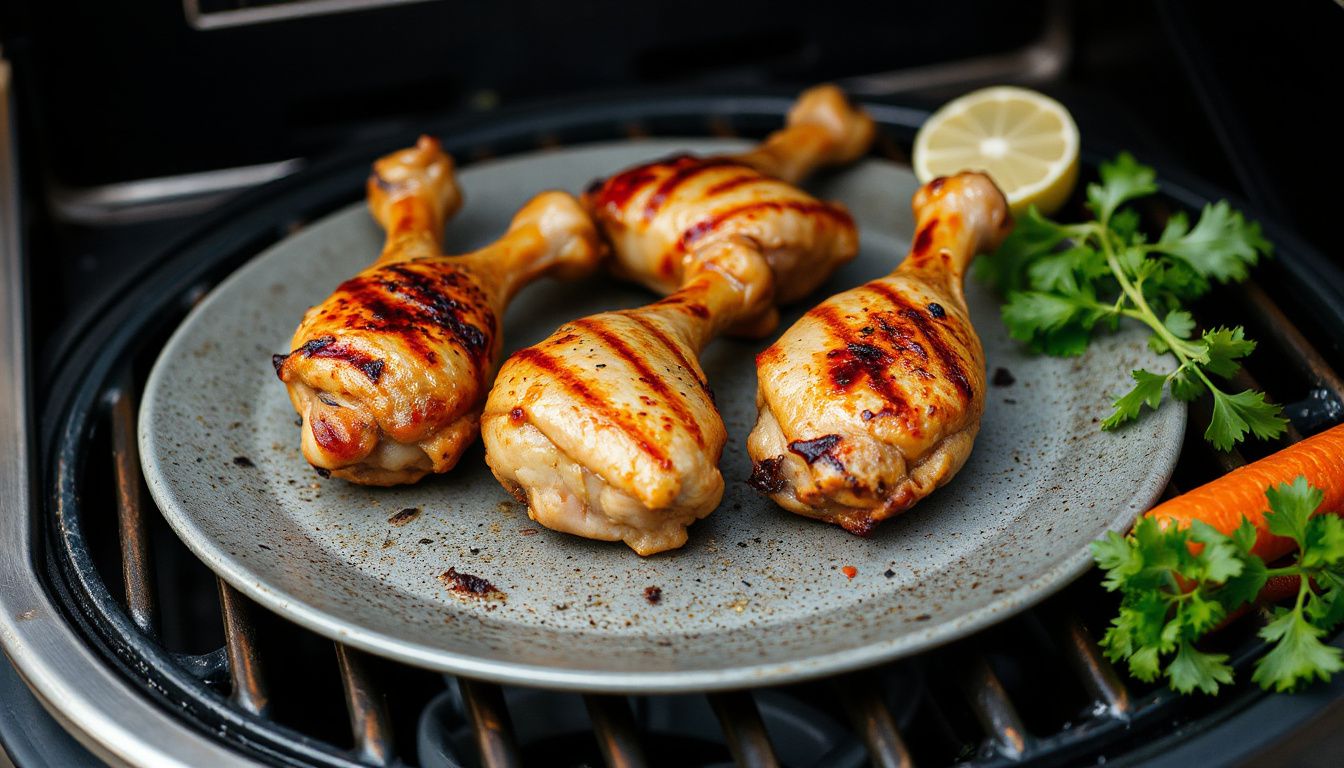
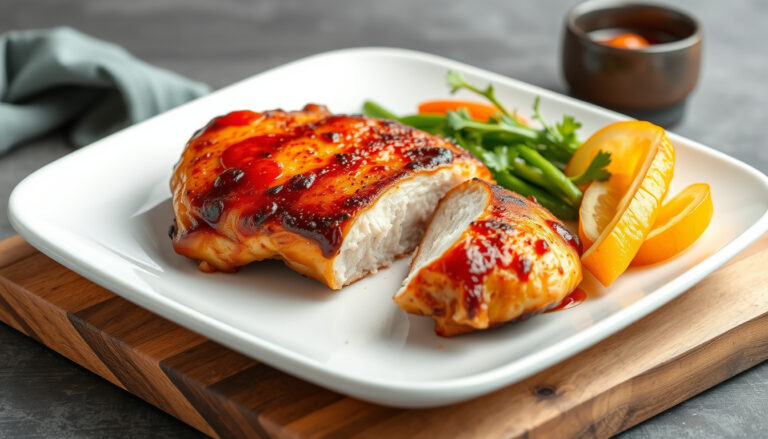
 The finished drumsticks show deep golden color, rendered skin, and just enough char for flavor.
If you’re using a sugary barbecue sauce, brush it on only during the final two to four minutes over direct heat. Applying it earlier guarantees burnt, bitter skin. If the skin isn’t crisping as expected, open the lid for 30–60 seconds during the sear to drive off surface moisture.
For ten average drumsticks at 375–400°F indirect heat, plan for about 25 minutes with a flip at minute twelve, then two minutes per side direct. If you enjoy this low-and-slow transition from indirect to direct heat, you can apply a similar finishing logic to smoked fish.
Check Doneness, Rest, and Serve
Doneness is where safety and texture meet. A thermometer is the only reliable way to confirm the inside is done while the outside stays crisp.
Temperature Targets
Probe the thickest part of the drumstick without touching bone. Bone conducts heat and gives a false high reading, so angle the probe in from the side toward the center.
- 165°F is the USDA minimum safe internal temperature for poultry.
- 175–185°F is the practical target for drumsticks. At this range, connective tissue has softened and the meat pulls cleanly from the bone with a tender, juicy texture.
Visual cues are helpful but secondary. Look for juices running mostly clear, meat pulling back slightly from the bone end, and skin that appears rendered and crisp.
Rest Before Serving
Move the drumsticks to a clean tray and let them rest for 5–10 minutes. Resting allows juices to redistribute, which keeps the meat from drying out when you bite into it. Tent loosely with foil if it’s cold or windy, but never wrap tightly—trapped steam softens the crisp skin you spent the last few minutes building.
For food safety, the USDA recommends not leaving cooked poultry out for more than two hours at room temperature, or one hour if it’s above 90°F outside.
Serving Suggestions
Keep the finish simple. A squeeze of fresh lemon, a sprinkle of flaky salt, or a thin glaze brushed on right after the grill adds shine without compromising texture. If serving sauced drumsticks, keep extra sauce on the side so the skin stays crisp on the plate.
Storage and Reheating
Cool cooked drumsticks for 20–30 minutes, then refrigerate in shallow airtight containers. They’ll keep for three to four days in the fridge or up to three months in the freezer if wrapped tightly.
For reheating, skip the microwave if you care about skin texture. Use a 375°F oven for 12–18 minutes, or reheat on the gas grill over indirect heat with the lid closed for 8–10 minutes, then finish 60–90 seconds per side over direct heat to re-crisp. A clean grill makes all the difference when reheating, so if your grates are due for a proper clean, do it before the next cook—the same maintenance mindset applies to any gas grill grates and burners.
Troubleshooting Common Gas Grill Drumstick Problems
Even with a solid plan, things go sideways. Here’s how to diagnose and fix the most frequent issues.
| Problem | Likely Cause | Fix |
|---|---|---|
| Burnt skin, raw inside | Direct high heat from the start | Use two-zone setup; roast indirect first |
| Rubbery or pale skin | Surface moisture; low indirect heat | Dry drumsticks thoroughly; raise indirect temp to 375–400°F |
| Sticking to grates | Dirty grates; insufficient oil | Clean grates after preheat; oil the chicken, not the grates |
| Constant flare-ups | Excess fat dripping | Use a drip pan; move pieces to cooler zone |
| Dry meat | Overcooking; no rest | Pull at 175–185°F; rest 5–10 minutes |
In practice, most problems trace back to the first ten minutes of setup. Nail the two-zone arrangement and the drying step, and the cook becomes far more predictable.
Conclusion
Grilling chicken drumsticks on a gas grill comes down to a repeatable order of operations: set up two-zone heat, dry and season the skin, roast over indirect heat until nearly done, then sear for crispness and pull at 175–185°F. Let them rest, and you’ll get juicy meat with bite-through skin every time.
The next step is to run one practice cook this week. Buy a family pack, follow the indirect-then-direct sequence, and write down your burner settings and cook times. With one session under your belt, the method becomes instinctive. If you want an even deeper flavor foundation, try the same rub on BBQ chicken thighs in the oven to compare textures without the grill variables.
Frequently Asked Questions
How long does it take to grill chicken drumsticks on a gas grill?
Plan for 20–30 minutes over indirect heat at 375–400°F, plus 2–4 minutes per side over direct heat to crisp. Total time is usually 25–35 minutes, but always confirm with a thermometer rather than relying on time alone.
What temperature should gas grill drumsticks be cooked to?
The USDA safe minimum is 165°F, but drumsticks are more tender at 175–185°F. The higher range softens connective tissue and keeps the meat juicy. Probe the thickest part without touching bone for an accurate reading.
Do I need to flip drumsticks while grilling?
Yes. Flip once halfway through the indirect roast to promote even browning. During the direct sear, turn frequently—every 30–60 seconds—to avoid burning one side before the whole surface crisps.
Should I grill drumsticks with the lid open or closed?
Keep the lid closed during indirect cooking to hold heat and roast evenly. During the final sear you can leave it open so you can watch for flare-ups and turn pieces quickly. Open-lid searing also helps drive off surface moisture for crispier skin.
Can I put barbecue sauce on drumsticks before grilling?
Hold sugary sauces until the last two to four minutes. Applying sauce too early causes the sugar to burn over direct heat and leaves a bitter, blackened crust. Brush it on during the searing phase, or serve sauce on the side.
Why are my grilled drumsticks sticking to the grates?
Sticking usually means dirty grates, insufficient oil on the chicken, or moving the meat before the surface has seared enough to release naturally. Clean the grates after preheating, oil the drumsticks lightly, and let them sear undisturbed for the first minute.

One Comment