How to Build a Vegetable Garden Step-by-Step for Beginners
Most beginners think how to build a vegetable garden starts with buying lots of plants and digging a big bed on day one. That mistake usually leads to weak growth, pest pressure, and wasted money. The real win comes from choosing the right spot, matching crops to your season, and building healthy soil before you plant.
Look, you don’t need a farm or perfect “green thumb” skills. You need a simple plan that keeps watering, sunlight, and nutrients predictable. Once those basics are set, even a small garden can produce steady harvests.
Here’s what the process actually hinges on:
- Sunlight: 6–8+ hours for fruiting crops like tomatoes and peppers
- Soil structure: compost-rich, well-draining, not compacted
- Layout: beds or containers sized to your time and space
- Crop timing: cool-season vs. warm-season planting windows
Practical example: if you have a 4×8 raised bed, you might plant spring lettuce and radishes first, then swap them for basil and two tomato plants once nights stay warm. That one rotation keeps the bed productive without expanding your footprint.
Clarify Your Goals and Choose What to Grow
Now, pause before you buy anything. Your first win comes from matching crops to your time, taste, and space, not from growing “everything.” Pick a goal you can measure, like “salads three nights a week” or “enough tomatoes for 12 jars of sauce.”
Use these filters to narrow choices fast:
- Sun and season: 6+ hours for fruiting crops; cool-season greens tolerate less.
- Maintenance level: herbs and greens are forgiving; indeterminate tomatoes demand pruning and staking.
- Household demand: grow what you’ll actually cook and eat.
Practical example: if you have a 4×8 bed and want quick meals, plant two rows of lettuce, one row of radishes, a basil cluster, and two pepper plants. You’ll harvest within weeks, stay motivated, and avoid a midsummer glut you can’t use.
Gather Supplies and Prep Your Plan (Before You Start)
Look, planning beats rework. Sketch your bed, containers, or rows to scale, then assign plants based on mature size. This prevents overcrowding, which triggers pests, disease, and weak yields.
Gather the basics before day one:
- Soil setup: compost, quality raised-bed mix (if needed), and mulch.
- Tools: trowel, hand fork, pruners, gloves, and a hose nozzle or watering can.
- Support + protection: stakes/cages, twine, and simple insect netting or row cover.
Common mistake: buying seedlings first, then scrambling for cages and soil. Instead, map spacing, count plants, and purchase only what fits. If you’re learning how to build a vegetable garden, this step keeps costs controlled and results predictable.
Pick the Best Location and Test Drainage
Now that your plan’s sketched out, choose where the garden will actually thrive. Aim for 6–8 hours of direct sun, close to a water source, and somewhere you’ll walk past daily.
Check the site at different times. Morning sun is gentler; late-afternoon shade can slow fruiting crops. Avoid low spots where cold air and water settle.
Do a quick drainage test before you commit:
- Dig a hole 12 inches wide and 12 inches deep.
- Fill it with water and let it drain completely.
- Refill and time how long it takes to drain.
If it drains in 2–6 hours, you’re in a good range. Faster than 2 hours can mean sandy soil; longer than 6 suggests compaction or clay—plan on raised beds.
Example: If your backyard corner stays soggy a day after rain, shift the bed 10 feet upslope and use that wet area for a rain garden instead.

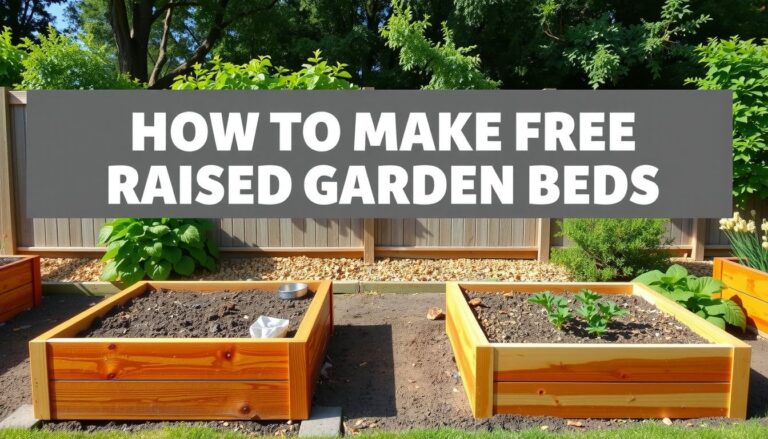
Build Your Garden Beds and Define Paths
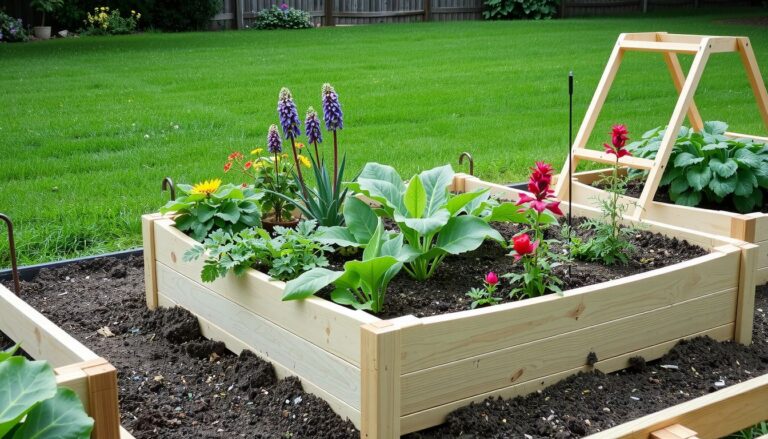
Look, bed shape matters less than access. Build beds narrow enough to reach the center without stepping on soil; compaction kills root growth and drainage.
Use these practical dimensions for most home gardens:
- Bed width: 3–4 feet (reachable from both sides)
- Bed length: 6–12 feet (based on space)
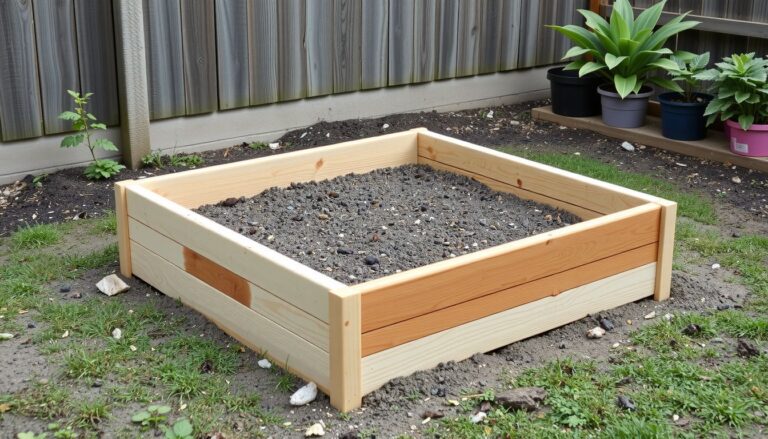
- Bed height: 8–12 inches (higher for poor drainage)
Define paths early so they don’t “wander” later. Make them 18–24 inches wide for comfortable walking, wider if you’ll use a wheelbarrow. Cover paths with cardboard plus 2–3 inches of wood chips to suppress weeds.
Common mistake: building beds too wide, then stepping in them to harvest. Keep edges crisp with boards, bricks, or a simple spade-cut border so the layout stays clean and easy to maintain.
Prepare Soil with Compost and Correct Amendments
Now that your beds and paths are set, shift to the part that makes vegetables thrive: soil. Aim for loose texture, steady moisture, and a nutrient base that feeds plants for weeks, not days.
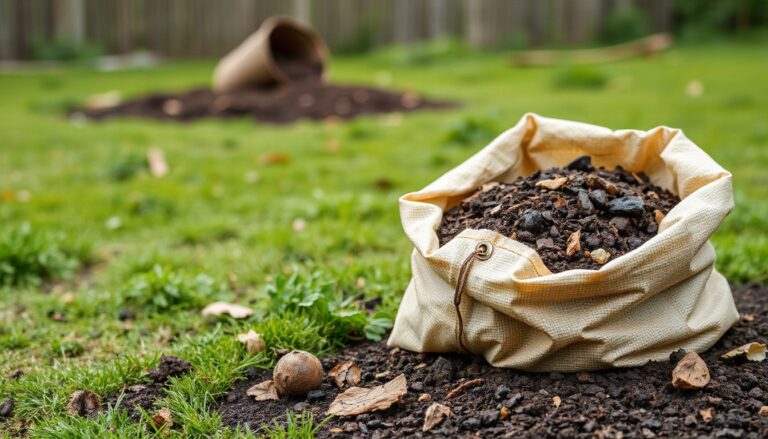
Start by spreading 1–2 inches of finished compost over the bed, then mix it into the top 6–8 inches with a fork. Compost improves drainage in clay and water-holding in sand, so it’s the safest “first amendment” for most gardens.
Next, correct what compost can’t. Use your soil test (or basic observations) to guide amendments, then water well so changes start working.
- If soil is acidic: add garden lime per label rates.
- If soil is alkaline: use elemental sulfur or composted pine fines.
- If soil is low in nutrients: add a balanced organic fertilizer (ex: 4-4-4).
- If soil is compacted: mix in aged leaf mold; avoid sand in clay.
Example: A new raised bed filled with bagged “topsoil” often dries fast and crusts. Mixing in 2 inches of compost plus a light 4-4-4 application typically fixes texture and early pale growth within two weeks.
Plant or Sow at the Right Spacing and Depth
Look, spacing isn’t about being fussy—it’s how you prevent disease, reduce pests, and get full-size harvests. Follow seed packets as a baseline, then adjust for your bed style and how you’ll access plants from the paths.
Use a simple rule for depth: sow seeds about 2–3× the seed’s diameter. Tiny seeds (lettuce) get pressed into the surface; larger seeds (beans) go deeper. Transplants should sit at the same soil line they had in the pot (tomatoes are the exception; plant them deeper).
- Mark rows or grids: string lines or a square-foot grid keeps spacing honest.
- Thin seedlings early: overcrowding is harder to fix later.
- Water gently: a fine rose or mist prevents seed washout.
Common mistake: planting carrots too deep, then overwatering and forming a crust. Example: sow carrot seed 1/4 inch deep, cover lightly, and keep the top inch evenly moist until sprouts appear.
Set Up Watering, Mulch, and Simple Supports
Now that seeds and transplants are in, lock in consistency: water, cover soil, and support plants early. These three moves prevent most “mystery” failures later.
Water deeply so roots chase moisture downward. Aim for morning irrigation and keep foliage dry when possible. Soaker hoses or drip lines beat overhead sprinklers for disease control.
- Watering: 1–2 deep soakings per week, adjusted for heat and soil type.
- Mulch: 2–3 inches of straw, shredded leaves, or untreated grass clippings.
- Supports: install cages, stakes, or trellises before plants flop.
Mulch should sit a finger-width away from stems to reduce rot and slug hiding spots. Refill thin spots after heavy rain or wind.
Example: for tomatoes and cucumbers, run a drip line down the row, mulch over it, then add a 6-foot T-post trellis. You’ll water faster, weed less, and harvest cleaner fruit.

Maintain
Look, maintenance is mostly small, repeatable checks. A 10-minute walk-through every few days beats a two-hour rescue on weekends.
Start with moisture and pests, then move to training and feeding. Pinch or tie vigorous plants so light reaches leaves and fruit stays off the soil.
- Weed: pull when tiny; don’t let them seed.
- Scout: check leaf undersides for aphids, eggs, and chewing damage.
- Feed: side-dress heavy feeders (tomatoes, peppers, squash) with compost or a balanced fertilizer.
- Prune: remove yellowing lower leaves to improve airflow.
Watering and nutrients must match growth stage. Too much nitrogen late can mean lush leaves and fewer fruits.
Example: if basil is shading lettuce, harvest basil hard and re-tie it; the lettuce rebounds, and you get a pesto batch the same day.
Troubleshoot
When something looks “off,” diagnose before you treat. Most issues trace back to water stress, nutrient imbalance, or pests.
- Wilting at noon, fine at dusk: heat stress; water in the morning and add mulch.
- Yellow lower leaves: normal aging or nitrogen need; confirm new growth color first.
- Holes in leaves: inspect at dusk for slugs/caterpillars; use hand-picking or iron phosphate bait.
- Blossom-end rot (tomatoes/peppers): inconsistent moisture; keep watering steady, don’t over-fertilize.
Avoid “spray first” habits. Broad insecticides can wipe out pollinators and beneficial predators that keep pests in check.
Example: if zucchini flowers drop without fruit, check for pollinators early morning. Hand-pollinate by brushing a male flower onto a female flower’s center.
Harvest for Continuous Yield
Harvesting is production management, not just picking. Many crops yield more when you harvest often and on time.
Pick in the cool morning for better flavor and shelf life. Use clean snips for herbs and thick stems to avoid tearing plants.
- Cut-and-come-again: lettuce, kale, chard—take outer leaves, leave the center.
- Frequent picking: beans, cucumbers, zucchini—missed fruit turns plants “off.”
- Pinch to branch: basil and herbs—cut above a node to double stems.
Keep a small harvest log: date, crop, and notes. It quickly reveals what’s thriving and what needs succession planting.
Example: harvest cucumbers every 1–2 days once they start, then re-mulch and water deeply. You’ll extend production weeks longer than occasional picking.
Next Steps
Now you’re ready to turn a working garden into a reliable routine. The real win with how to build a vegetable garden is staying consistent, not doing everything perfectly. Set one simple checkpoint each week so small issues get handled before they cost you yield.
Use this quick weekly rhythm:
- Walk the beds and note changes (new holes, yellowing leaves, wilting).
- Log results in a notebook: what you picked, what struggled, what thrived.
- Plan the next 7 days: one task only (thin, tie, replant, or clean edges).
Real-world example: if your tomatoes produced well but your lettuce bolted fast, write it down and schedule a second lettuce sowing in a shadier spot next round. Look for patterns; they’re your best teacher.
Your next step: pick a weekly 15-minute “garden walk” time, put it on your calendar, and start your first notes today.