How Long Does it Take To BBQ a Pork Tenderloin on a Grill
How long does it take to bbq a pork tenderloin? That’s the question everyone asks right after they’ve already lit the grill and realized dinner’s on a timer.
Pork tenderloin cooks fast, but it’s also lean, so a few extra minutes can take it from juicy to dry. Grill temperature, tenderloin thickness, and whether it’s seared first all change the timeline, sometimes by more than people expect.
Most pitmasters and food-safety guidelines agree on the real finish line: internal temperature, not guesswork. When it hits 145°F in the thickest part and rests a few minutes, it’s done and stays tender.
Look, the typical cook is quick: many tenderloins take around 20–30 minutes over medium-high heat, plus a short rest. For example, a 1.25 lb tenderloin on a 400°F grill often needs about 10 minutes per side, then 5 minutes resting while the sides come off the heat.
They’ll get the best results by watching three things:
- Grill heat (steady 375–450°F)
- Thickness (thicker cuts need more time)
- Target temp (pull at 145°F, then rest)
Keep going for the exact timing ranges, a simple method, and the common mistakes that make tenderloin dry.
What determines how long it takes to BBQ a pork tenderloin
Now that the grill’s going, the real timing question comes down to a few controllable variables. Pork tenderloin cooks quickly because it’s lean and relatively small, but that also means it can dry out fast if the heat runs too high.
The biggest driver is thickness, not weight. A 1.5-inch thick center section takes noticeably longer than a tapered end, so cook time is always an estimate until a thermometer confirms doneness.
Grill temperature and setup matter just as much. Direct high heat browns fast but can overshoot the target; a two-zone setup (one hot side, one cooler side) lets it sear, then finish gently.
- Starting temperature: fridge-cold meat takes longer than meat rested 15–20 minutes.
- Marinade/sugar content: sugary glazes brown early, pushing cooks to lower heat.
- Lid on vs. off: lid-on traps heat like an oven and speeds cooking.
- Wind and outside temperature: cold, windy patios extend cook times.
Practical example: if they’re grilling a 1.75-inch tenderloin on a breezy 45°F day, they should expect several extra minutes versus the same cook on a calm summer evening, even at the same dial setting.
BBQ time chart: pork tenderloin by grill temperature and thickness
Look, charts work best when they’re treated as guardrails. The only “done” point that counts is internal temperature at the thickest part: 145°F, followed by a 3-minute rest for safe, juicy pork.
The times below assume a lid-on grill, a two-zone setup, and flipping every 3–5 minutes to prevent scorching. If they cook fully over direct heat, times can shorten, but the risk of dryness goes up.
| Grill temp (lid) | Thickness | Estimated total time |
|---|---|---|
| 350°F (medium) | 1.0–1.25 in | 14–18 min |
| 350°F (medium) | 1.5–1.75 in | 18–24 min |
| 400°F (med-high) | 1.0–1.25 in | 12–16 min |
| 400°F (med-high) | 1.5–1.75 in | 16–22 min |
| 450°F (hot) | 1.0–1.25 in | 10–14 min |
| 450°F (hot) | 1.5–1.75 in | 14–20 min |
Practical example: on a 400°F grill, a 1.5-inch tenderloin often lands around 18 minutes total—sear over direct heat for 6–8 minutes, then finish on the cooler side until it hits 145°F.
Best grill setup for tenderloin: direct vs indirect heat
Now that the timing variables are clear, the grill setup becomes the difference between a juicy center and a dry, overcooked edge. Pork tenderloin is lean, so it benefits from a fast browning phase followed by gentler heat to finish evenly.
A two-zone fire is the standard approach. One side runs direct heat for searing; the other side runs indirect heat for controlled finishing. On a gas grill, they’ll leave one burner on high and one on low (or off).

On charcoal, they’ll bank coals to one side and keep the other side coal-free.
Look for a stable lid temperature before cooking. Indirect-side airflow matters: vents open enough to hold steady heat, not spike it. If flare-ups happen, they’ll move the tenderloin to indirect heat immediately and close the lid to regain control.
- Direct zone: fast color, better bark, quick fat rendering from any oil or rub
- Indirect zone: gentle finishing, less moisture loss, fewer burnt spices
- Lid closed: turns the grill into an oven for even cooking
Practical example: on a 3-burner gas grill, they’ll preheat all burners for 10 minutes, then set left burner high, center low, and right off. The tenderloin sears on the left, then finishes on the right with the lid closed.
Step-by-step timing: sear, finish, and when to flip
With the zones ready, the cook can run a simple sequence: sear for flavor, then finish indirectly to target temperature. Most tenderloins cook best with minimal flipping and a thermometer-driven endpoint.
- Preheat: lid closed until the direct zone is very hot (clean grates reduce sticking).
- Sear: 2–3 minutes per side over direct heat, turning 2–3 times to brown all surfaces (including edges).
- Finish: move to indirect heat, lid closed, about 10–18 minutes depending on thickness and grill temp.
- Flip on indirect: once, halfway through the indirect phase, to even out hot spots.
- Pull temperature: remove at 140–145°F internal, then rest 5–10 minutes to reach 145°F+ and reabsorb juices.
They’ll avoid “chasing time” once it’s on indirect heat. Instead, they’ll start checking internal temperature about 8 minutes into the indirect phase, then every 2–3 minutes as it approaches the target.
Practical example: a 1.5-inch thick tenderloin gets 2.5 minutes per side on direct heat (about 10 minutes total for full browning), then 12 minutes on indirect, flipped once at 6 minutes, pulled at 143°F and rested before slicing.
Internal temperature targets and how to check doneness accurately
Now that the timing and flipping plan is set, the clock matters less than the thermometer. Pork tenderloin is lean, so a few degrees can be the difference between juicy slices and dry, chalky meat. The most reliable doneness marker is internal temperature, not color.
For safety and tenderness, they should pull tenderloin at 140–145°F and let it rest (resting is covered next). USDA guidance allows pork to be served at 145°F with a rest, which keeps texture noticeably better than taking it to 160°F.
For accurate readings, they should use an instant-read thermometer and check the thickest part. The probe tip needs to land in the center of the meat, avoiding the grill grate side and any fat seams. They’ll get the cleanest read after the tenderloin has been on indirect heat for a few minutes.
- Target pull temp: 140–145°F (finish at 145°F after rest)
- Where to probe: thickest center, from the side
- How often: start checking 5 minutes before the chart’s “done” time
Practical example: If they’re grilling a 1.25-inch tenderloin and the chart says 18–22 minutes at 400°F, they should start temping around minute 15. If it reads 138°F, they’re close; keep it on indirect heat and recheck in 2 minutes.
Resting time and carryover cooking: how it changes total time
Look, “done” doesn’t happen the moment it leaves the grill. Resting time is part of the total cook because the meat continues to heat internally, and juices redistribute so slices stay moist. Skipping the rest makes even perfectly grilled tenderloin seem dry.
They should plan for 5–10 minutes of resting, depending on size and how hot the exterior got during searing. During that window, carryover cooking typically raises internal temperature by 3–7°F. That’s why pulling at 140–145°F is smart: it lands them at the ideal finish without overshooting.
Resting also affects timing decisions at the grill. If guests are waiting, they can pull a little earlier and rely on carryover to finish safely. If they pull at 150°F and then rest, it may climb into the mid-150s, tightening the texture.
- Rest uncovered: keeps bark from steaming
- Rest on a warm plate: avoids rapid heat loss
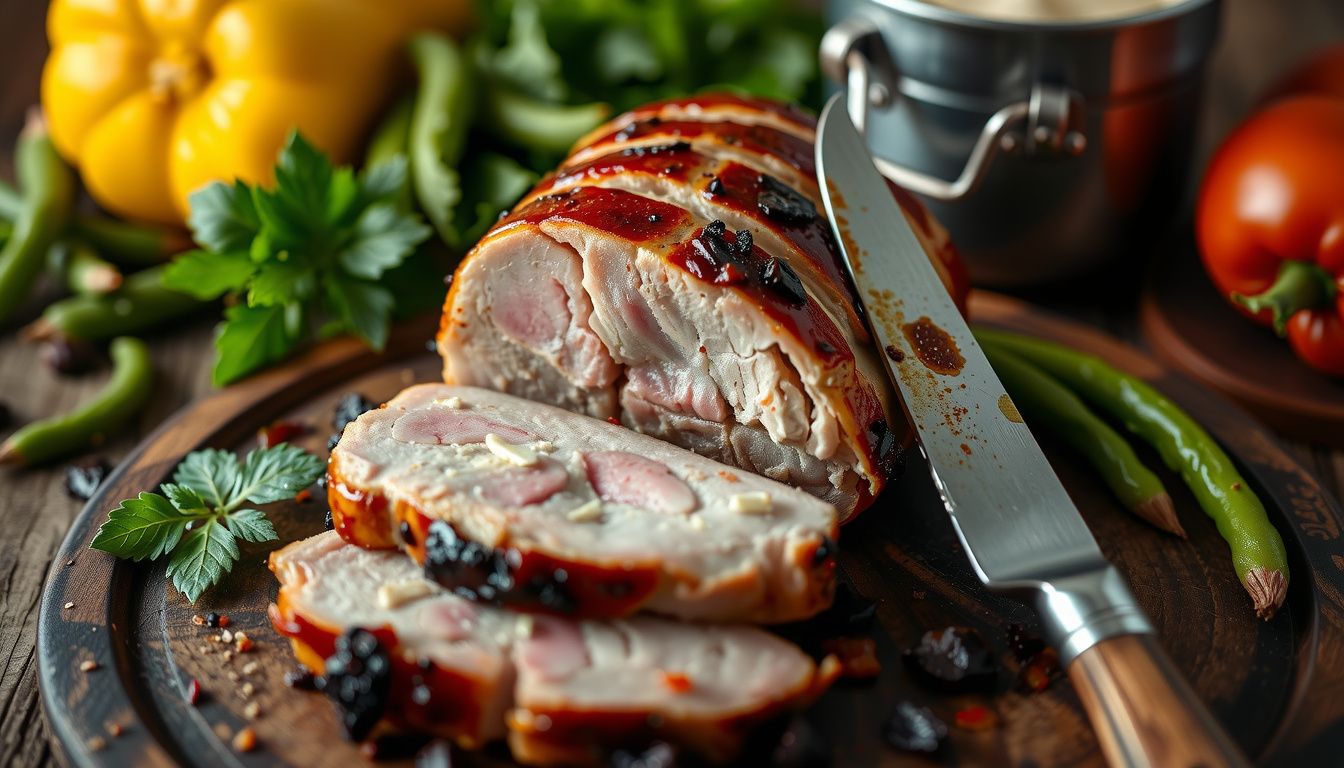
- Slice after resting: juices stay in the meat, not on the board
Practical example: A tenderloin pulled at 142°F after grilling rests 8 minutes and finishes at 147°F. That rest adds time to the meal plan, but it prevents overcooking while still delivering safe, juicy pork.
Common timing mistakes that make tenderloin dry (and how to avoid them)
Now that the target temps and rest are set, the last thing that ruins pork tenderloin is timing discipline. The cut is lean, so a few extra minutes can push it from juicy to chalky fast.

The most common error is “just one more minute” cooking after it’s already near done. A second is chasing grill marks with repeated flips and peeks; every lid lift dumps heat and stretches cook time, which tempts overcooking. A third is treating tenderloin like pork shoulder and cooking it “until it feels tender.” It won’t; it dries first.
They can avoid dryness by sticking to a simple control plan:
- Stop early on purpose: pull when it’s a few degrees shy of the final target and let rest finish the job.
- Limit lid lifts: check at planned intervals, not constantly.
- Use the thickest point: probe there, not near the tapered tail.
- Trim the skinny end strategy: fold and tie the tail so thickness cooks evenly.
Practical example: if a 1.5-inch tenderloin is tracking “done” at minute 18, they should start checking at minute 14, then every 2 minutes. That small shift prevents guessing and keeps the meat from overshooting while they plate sides.
Flavor factors that affect timing: marinades, rubs, and sugar content
Look, flavor choices don’t just change taste—they change timing behavior on the grill. Marinades, rubs, and sweet glazes affect surface moisture, browning speed, and how aggressively the exterior cooks while the center catches up.
Wet marinades tend to slow surface browning at first because moisture must evaporate before crust forms. That can tempt longer direct heat and lead to an overcooked center. Acid-heavy marinades (citrus, vinegar) can also soften the exterior, making it feel “done” before the middle is ready.
Dry rubs usually brown faster, but sugar is the wild card. High-sugar rubs or sauces darken quickly and can burn before the tenderloin reaches target internal temperature, pushing cooks to move it off heat too soon or to keep flipping and extending total time.
They can keep timing predictable with these guardrails:
- Pat dry after marinading to speed browning without extra minutes.
- Use low-sugar rubs early; add sweet glaze only in the last few minutes.
- Separate seasoning from sauce so caramelization doesn’t dictate doneness.
Practical example: for a honey-garlic finish, they can grill with a savory rub first, then brush on sauce for the final 2–3 minutes per side. The exterior sets without burning, and timing stays tied to internal temperature—not sticky sugar.
Quick troubleshooting: what to do if it’s cooking too fast or too slow
Now, when the clock and the grill don’t agree, they’ll want quick fixes that protect tenderness. In practice, how long does it take to bbq a pork tenderloin changes mid-cook when heat output, wind, or grate position shifts.
If it’s cooking too fast, the outside can race ahead while the center lags. The goal is to slow surface browning without stalling the interior.
- Move it off the hottest zone and close the lid to stabilize heat.
- Lower the burners (gas) or spread coals out (charcoal) to reduce radiant heat.
- Raise the food on a cooler section or a second rack to reduce direct infrared blast.
- Shield flare-ups by trimming exposed fat bits and keeping a clean, oiled grate.
If it’s cooking too slow, they should confirm the grill is truly hot enough and that heat is circulating. Weak fire, frequent lid lifting, and cold wind are common culprits.
- Open vents (charcoal) or preheat longer (gas) to build steady heat.
- Add fuel: a small chimney of lit coals or a fresh propane tank can change everything.
- Stop “checking” so often; every peek dumps heat and extends cook time.
Example: A 1.25 lb tenderloin is browning fast on one side at minute 6. They slide it to the cooler side, drop the burner one notch, and keep the lid closed; the color evens out and the center catches up without drying.
60-Second Recap
Now that the process is clear, the real question—how long does it take to bbq a pork tenderloin—comes down to managing heat, thickness, and consistency. A tenderloin cooks fast, so the cook should treat time as a guide and let the grill’s stability do the heavy lifting. Clean grates, steady airflow, and a predictable setup keep the cook on schedule.
Look at it like a simple workflow:
- Set up a reliable two-zone fire and preheat fully.
- Grill with steady lid-closed heat and controlled turns.
- Finish with a quick sear only if color is lacking.
Real-world example: on a weeknight, they can grill a 1.25-inch tenderloin while prepping a salad and warming buns; by the time plates are set, the meat is ready to slice cleanly. Next step: pick a target serving time, preheat the grill, and run one test cook to lock in their personal timing.