Charcoal BBQ How to Cook: Step-by-Step Juicy Results
charcoal bbq how to cook gets real the moment guests arrive and the coals still look half-lit. Someone’s asking when the burgers are ready, the chicken’s flaring up, and the grill lid keeps getting lifted “to check.” That’s when heat control stops being a theory and starts being the difference between juicy food and dry, smoky regret.
This guide shows how to cook on charcoal with repeatable steps: lighting, arranging coals, managing airflow, and hitting safe doneness without guessing. It’s built for weeknight grilling and weekend cookouts, with clear cues they can see, smell, and measure.
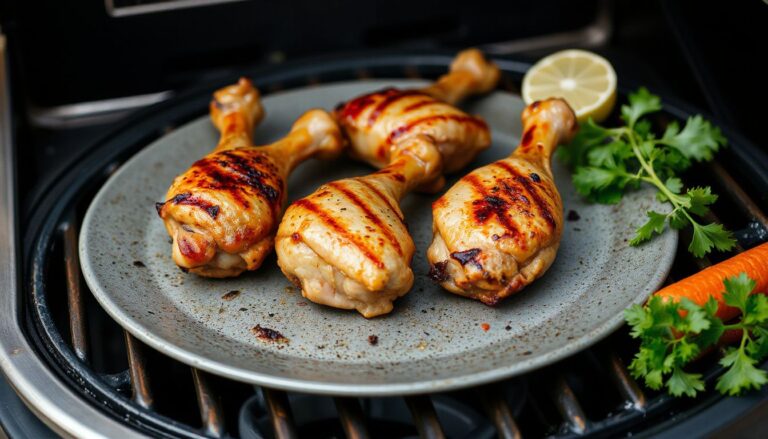
Look at one practical example: they’re cooking chicken thighs and corn. They’ll bank coals to one side for a hot sear, then slide the thighs to the cooler side to finish while the corn chars over direct heat. The result is crisp skin, tender meat, and no burnt sugars.
charcoal bbq how to cook comes down to a few controllable variables:
- Fuel setup: chimney start vs. lighter cubes, and how much charcoal to use
- Heat zones: direct vs. indirect cooking for different foods
- Airflow: bottom and top vents to raise or tame temperature
- Timing: resting meat and adding wood chunks at the right moment
Prepare the Setup Before You Start
Now the pace has to change from “waiting on coals” to “setting up a repeatable system.” A charcoal cook goes smoother when the grill, tools, and food are staged so nobody’s hunting for tongs while fat drips onto a flare-up.
They should start by cleaning and assembling the grill. A clear firebox improves airflow, and airflow controls temperature. If the bottom vents are clogged with ash, even perfect charcoal won’t burn predictably.
They’ll want a simple checklist of gear within arm’s reach. Look for heat-safe, long-handled tools and a safe landing zone for hot items.
- Chimney starter and fire starters (paper or wax cubes)
- Long tongs, spatula, and a grill brush
- Instant-read thermometer and heat-resistant gloves
- Drip pan (foil pan works) and heavy-duty foil
- Two plates or trays: one raw, one cooked
Next, they should plan the cook around timing. Charcoal needs a preheat window, and thicker cuts need rest time. A simple schedule prevents the classic mistake of serving chicken still steaming at the bone while guests are already eating.
Food prep matters more on charcoal because heat is less “set-and-forget.” They should pat proteins dry, oil the meat lightly (not the grates), and season early enough for it to stick. If using a sugary sauce, it should be staged for the last minutes to avoid burning.
They should also set up a safe zone for flare-ups and finishing. A cool section of the grill, a drip pan, and a spray bottle of water (used sparingly) help control sudden flames. Water shouldn’t be the main strategy; moving food away from direct heat is cleaner and keeps ash from flying.
Practical example: For a backyard cook with burgers and chicken thighs, they can season both first, then place a foil pan and a clean tray near the grill. Burgers cook fast, so they’re staged to hit the grate after the chicken is already rendering on the cooler side, reducing flare-ups and keeping the serving order logical.
Common mistake: skipping preheat. They should give the grates time to heat so food releases cleanly. Pro tip: wipe the hot grates with an oiled paper towel held in tongs; it’s safer than pouring oil and it reduces sticking.
Light the Charcoal and Build Two-Zone Heat
With the station ready, they can focus on the fire. The goal is steady heat, not the biggest flame. Two-zone cooking gives control: one side sears, the other side finishes gently.
They should fill a chimney starter based on the cook. A full chimney suits high-heat searing and larger loads; a half chimney works for smaller batches or shorter cooks. Fire starters go under the chimney, then the vents are opened fully to feed oxygen.
They’ll watch for the right “ready” signal. Coals are usable when most pieces are covered in light gray ash and the top layer is glowing. Dumping too early creates temperature dips and dirty smoke; dumping too late wastes fuel and can overheat the grill.
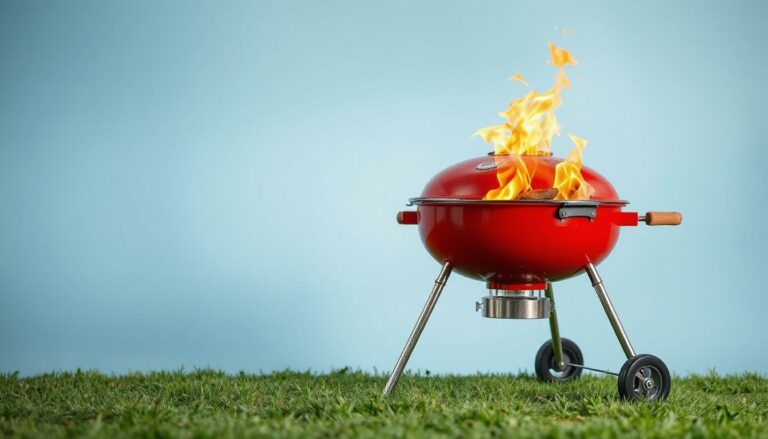
Once lit, they should build two zones by banking coals to one side. The empty side becomes indirect heat. For longer cooks, they can nestle a few unlit coals beside the lit pile so they ignite gradually and extend burn time.

- Direct zone: coals piled 2–3 layers deep for searing
- Indirect zone: no coals, used for roasting and holding
- Optional drip pan: placed under the indirect side to catch fat
Vent settings control temperature. They should start with bottom vents mostly open and the top vent open to keep smoke moving. Then they fine-tune using the bottom vent in small adjustments, waiting a few minutes between changes.
They should preheat with the lid on for 10–15 minutes, then clean the grates. The lid isn’t optional; it turns the grill into an oven and stabilizes airflow. Pro tip: keep the top vent positioned over the food on the indirect side to pull smoke and heat across it.
Practical example: For bone-in chicken thighs, they can sear skin-side down over the direct zone for 2–3 minutes to render and color, then move them to the indirect zone with the lid closed. They finish to temperature without burning the skin, using the direct side only for a final crisp if needed.
Common mistakes include piling coals evenly across the grill (no control) and choking the vents too early (smoldering smoke). Clean, hot coals and a clear two-zone layout make the rest of the cook predictable.
Cook Food Step-by-Step with Lid Control and Timing
Now the coals are stable and the zones are set, the cook becomes a game of lid control, timing, and small corrections. They’ll get better results by treating the lid like a temperature dial, not a cover.
The first move is simple: place food based on thickness and desired browning. Thin, quick-cooking items start over direct heat; thicker cuts begin on the indirect side to build internal temperature without scorching.
-
Start with the lid on and vents partially open to hold steady heat. They should only lift the lid when they’re flipping, moving zones, or checking doneness.
-
Sear over direct heat in short bursts. They’re aiming for color, not “cooking it through” at this stage.
-
Slide food to indirect heat to finish. Close the lid and let convection do the work, especially for chicken, sausages, chops, and thicker steaks.
-
Flip with intention. For most proteins, flipping every 2–4 minutes during searing prevents burning and builds an even crust.
-
Use time as a guide, temperature as the decision. A probe thermometer settles arguments fast; they should check in the thickest part, away from bone.
Lid position matters. Lid on traps heat and smoke for faster, more even cooking; lid off spikes oxygen and can flare fat into bitter soot. When flare-ups happen, they should move the food to indirect heat and close the lid to starve the flames.
Practical example: They’re grilling bone-in chicken thighs for guests. They can sear skin-side down over direct heat for 2–3 minutes to render fat, flip for 2 minutes, then move to indirect heat with the lid closed for 18–25 minutes, turning once halfway. They’ll pull at 175–185°F for tender dark meat, then crisp the skin with a final 60–90 seconds over direct heat if needed.
Pro tips that keep timing predictable:
-
Keep the lid vent over the food on the indirect side to draw heat and smoke across it.
-
Stagger placement: thicker pieces closer to the coals (still indirect), thinner pieces farther away.

-
Resist constant poking. Each lid lift dumps heat and extends cook time.
Common mistakes include searing too long early, chasing “perfect grill marks” while the inside stays raw, and cooking everything over direct heat because it “feels hotter.” The fix is almost always the same: sear briefly, then finish with the lid closed on indirect heat.
Finish, Rest, and Serve for Better Texture
Look, the last five minutes decide whether food eats juicy or dry. Finishing is about hitting target doneness, setting the surface, and giving the meat time to relax before slicing.
They should finish with a thermometer, not guesswork. For steaks and chops, they’ll stop cooking when the center is a little under the final target because carryover heat rises during rest.
-
Steaks: pull 5–10°F before the desired finish; rest 5–10 minutes.
-
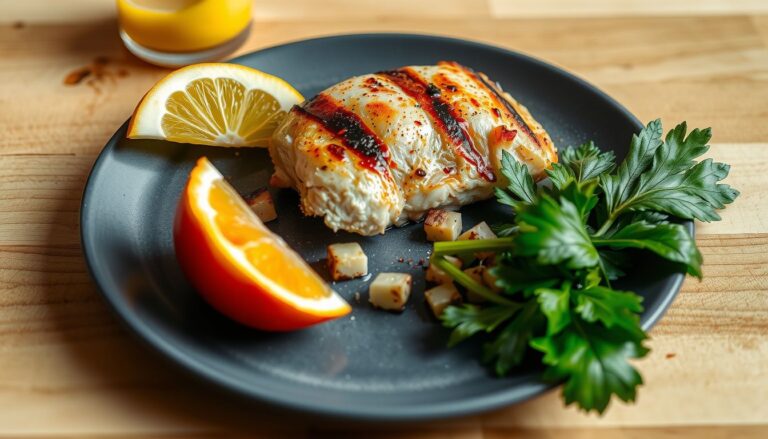
Chicken breast: pull at 160–162°F and rest to 165°F; rest 5 minutes.
-
Chicken thighs: pull 175–185°F for tenderness; rest 5–8 minutes.
-
Pork chops: pull 140–145°F; rest 5–8 minutes.
-
Sausages: pull at 160°F; rest 3–5 minutes.
For the finish, they can choose one of two paths. If the exterior looks pale, they should do a short, controlled sear over direct heat for 30–90 seconds per side. If the exterior is already dark, they should keep it indirect with the lid closed to avoid bitter char.
Resting isn’t optional when texture matters. During rest, juices redistribute and the surface cools slightly, so the first cut doesn’t flood the plate. They should rest on a warm plate or tray; tent loosely with foil if it’s windy, but don’t wrap tight or the crust steams soft.
Practical example: They’ve cooked two 1.5-inch ribeyes using the two-zone method. When the probe reads 123°F on the indirect side, they sear 45 seconds per side over direct heat, pull at 128–130°F for medium-rare, then rest 8 minutes. They’ll slice against the grain and serve immediately, keeping the board tilted so pooled juices don’t soak the crust.
Serving is the final control point. They should slice across the grain, season to taste after slicing if needed, and plate hot food on warm plates so the texture doesn’t collapse. Sauces go on the side when the goal is crisp skin or a firm bark.
Common mistakes include cutting too soon, resting under tight foil, and “one more minute” over direct heat that turns a great crust into acrid char. The fix is disciplined pull temps, a timed rest, and a quick check of grain direction before slicing.
What to Do Now
Now the cook’s under control, the goal is consistency. charcoal bbq how to cook comes down to repeating a few checks that keep heat, airflow, and timing predictable. They should treat each grill session like a quick system: confirm the fire, confirm the zone, confirm the finish.
Before the next get-together, they can run a short “pre-serve” routine:
- Pick a simple menu that matches the grill space and resting time.
- Stage tools and platters so nothing gets hunted mid-cook.
- Set a timer plan for flips, checks, and rest windows.
- Keep a small log of vent positions and cook results.
Example: if they’re hosting burgers and chicken thighs, they can cook thighs first, hold them covered to rest, then finish burgers fast while guests build plates. Next step: they should schedule one practice cook this week and record what changed the results.
Related read: How to BBQ Right Beef Ribs for Tender, Smoky Results