The 10 Best Steak to Grill for Beginners: Easy Cuts, Timing, Tips
The 10 Best Steak to Grill for Beginners: Easy Cuts, Timing, Tips starts with one honest truth: you do not need a huge rig to cook a great steak. Beginners overthink heat, but clear timing and a simple cut fix most failures. This guide ranks the books and tools that teach those basics without confusing jargon.
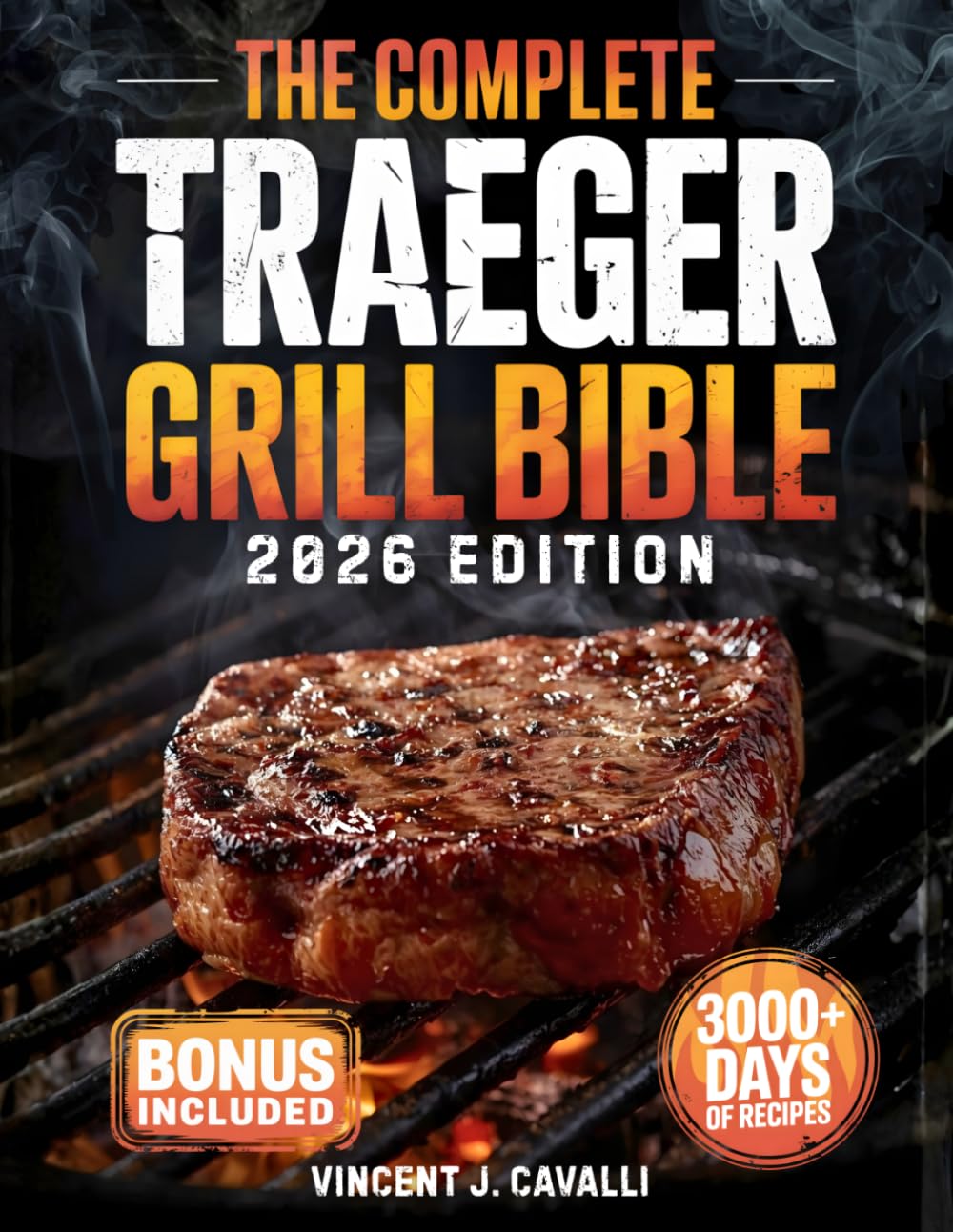
The Traeger Grill Bible for Backyard Pitmaster leads this list because it turns vague heat talk into repeatable pellet-grill steps. It pairs clean temperature logic with recipes for brisket, ribs, and sides. Pair that structure with a budget-friendly steak cut and you get a solid first cook. For more on this, see our guide on best boat for beginners.
Comparison Chart of 10 Best Steak to Grill for Beginners: Easy Cuts, Timing, Tips
| Product | Details | Rating | Buy |
|---|---|---|---|
|
Editor’s Choice
|
Traeger Grill Bible for Backyard Pitmaster |
★★★★☆4.8/5 |
Check on Amazon |
|
Top Pick

|
Meathead Science of Barbecue and Grilling |
★★★★☆4.5/5 |
Check on Amazon |
|
Best Budget

|
Complete Cast Iron Cookbook for Home |
★★★★☆4.7/5 |
Check on Amazon |
|
Captiva Dual Griddle Propane Grill Combo |
★★★★☆4.4/5 |
Check on Amazon |
|
Franklin Steak Cookbook for Live-Fired Beginners |
★★★★☆4.4/5 |
Check on Amazon |
|
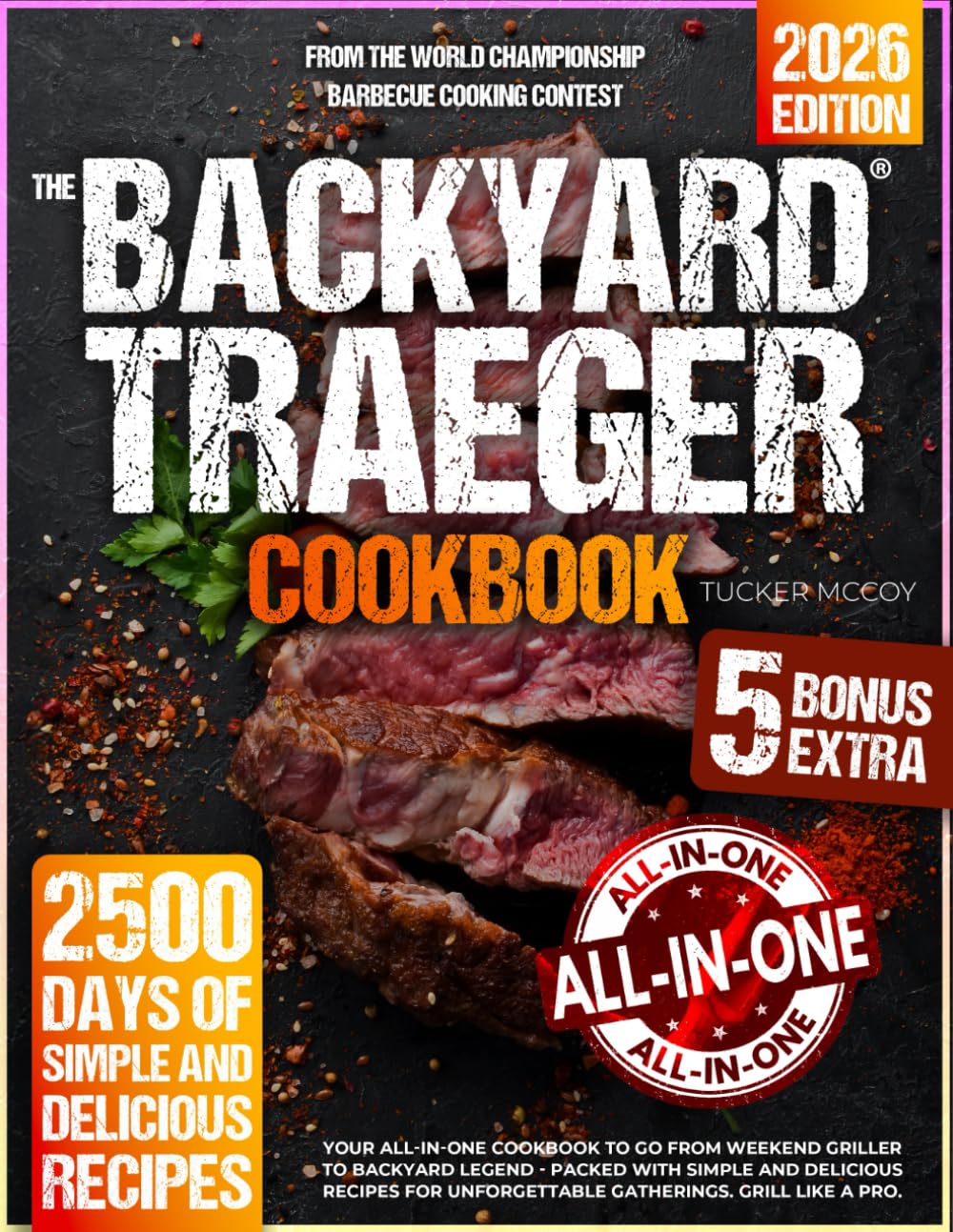
Traeger Backyard Cookbook for New Grillers |
★★★★☆4.4/5 |
Check on Amazon |
|
Franklin Smoke Cookbook for Beginner Grills |
★★★★☆4.4/5 |
Check on Amazon |
|
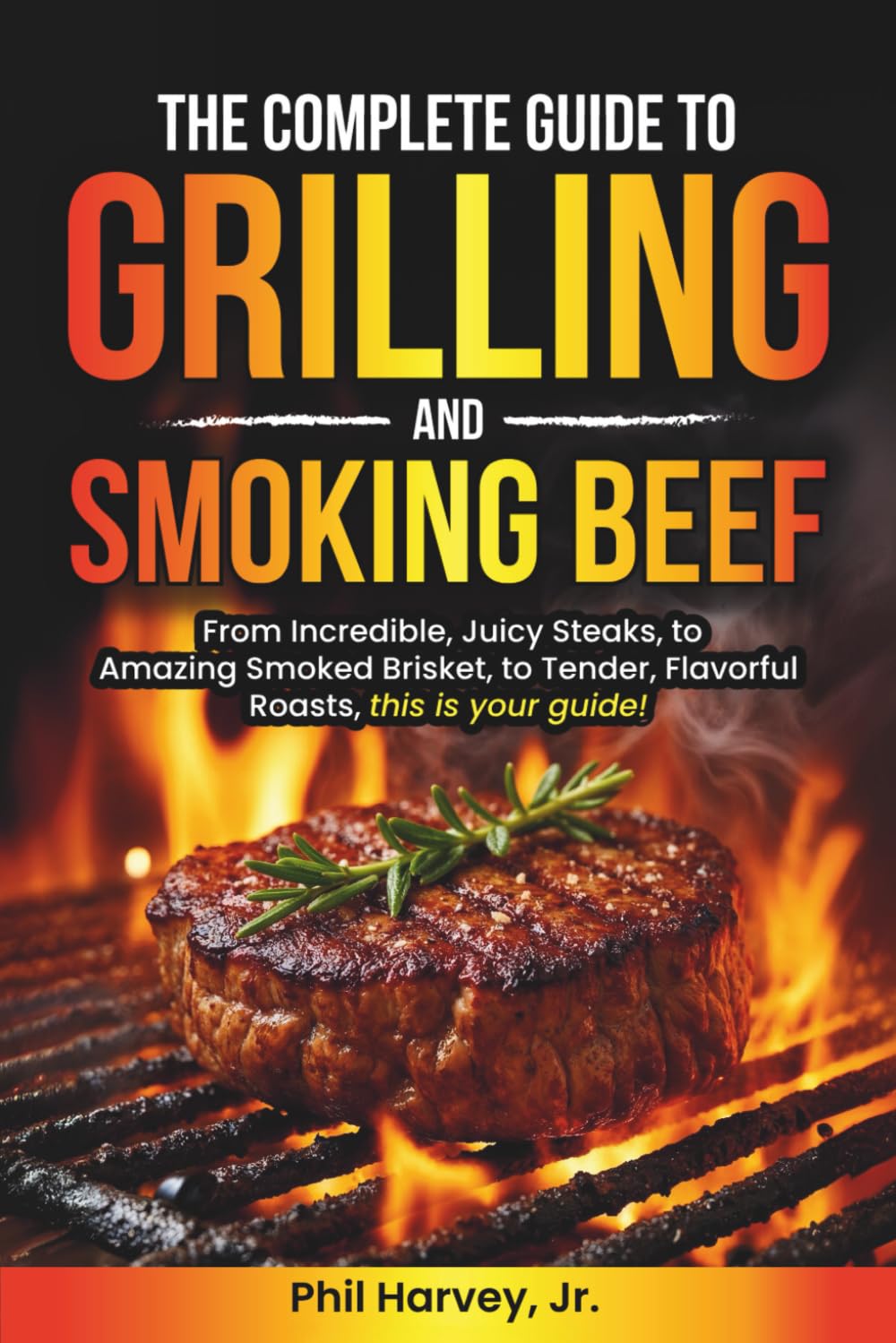
Complete Guide to Grilling and Smoking Beef |
★★★★☆4.4/5 |
Check on Amazon |
|
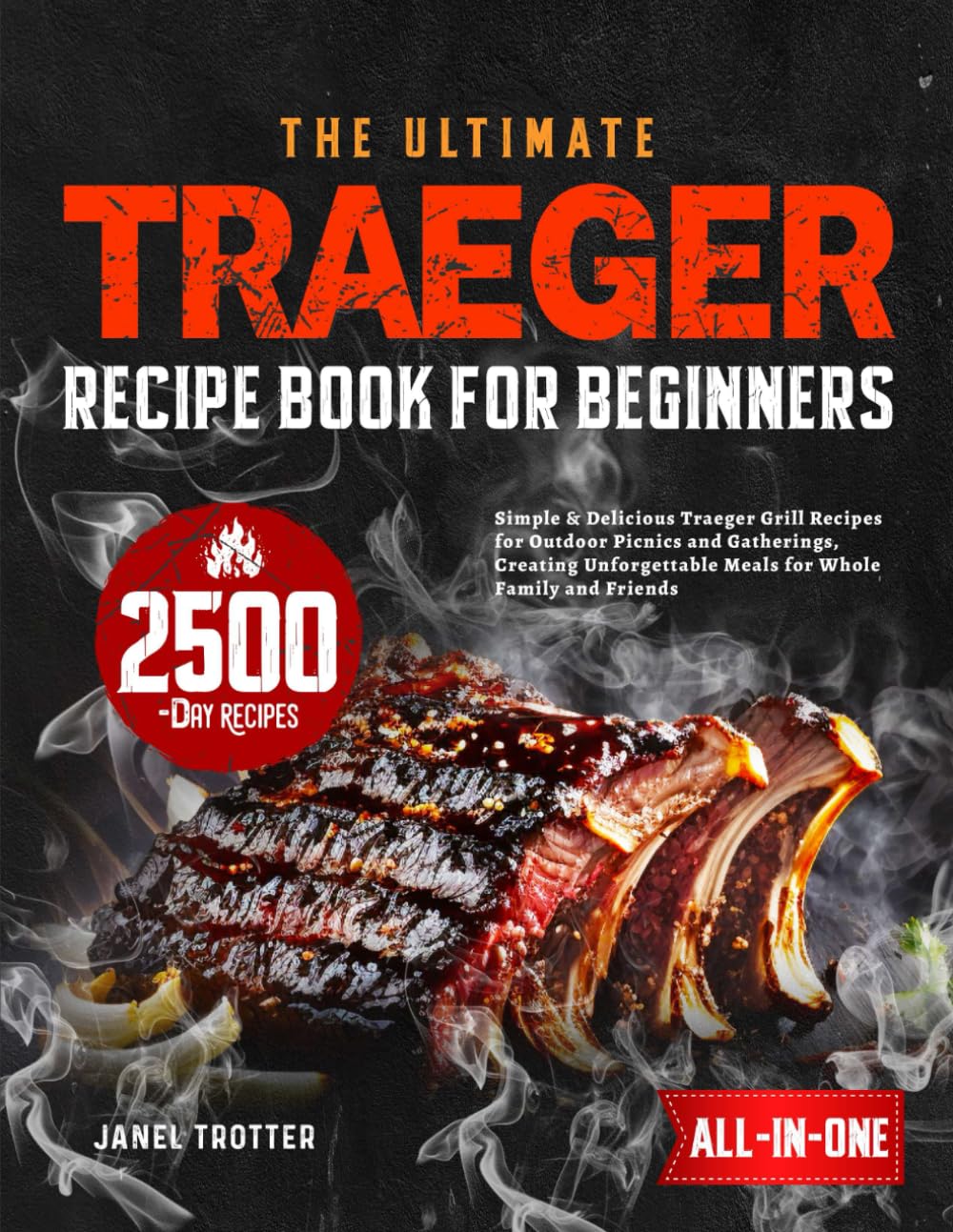
Ultimate Traeger Recipe Book for Beginners |
★★★★☆4.4/5 |
Check on Amazon |
|
Traeger Grill Bible for Beginners Handbook |
★★★★☆4.4/5 |
Check on Amazon |



List of Top 10 Best 10 Best Steak to Grill for Beginners: Easy Cuts, Timing, Tips
I chose these ten by matching each guide or grill to a specific beginner weakness: heat control, timing, or sear technique. Review patterns showed what actually helped first-time cooks, not just what looked impressive. Books earned priority when they explained doneness checks and adjustable workflows. Gear earned points for stable surfaces and easy start-up.
Below are the list of products:
1. Traeger Grill Bible for Backyard Pitmaster
Why it made the list
It made the top spot because it teaches steady heat control through a structured pellet-grill workflow. The book explains timing patterns that transfer directly from brisket and ribs to beginner steak cooks. That repeatable structure removes guesswork. For more on this, see our guide on how to grill chicken drumsticks on gas grill.
Key specs
- Pellet-grilling focus with smoking guidance
- Covers brisket, ribs, and BBQ sides
- Repeatable indirect-heat workflows
- Reference-style organization for mid-cook revisits
- Thermometer-based doneness targets
Real-world experience
New grillers often fail because they change too many variables at once. This book solves that by giving one clear workflow you can repeat each weekend. Once you run the same indirect-then-sear pattern twice, your confidence climbs fast.
- Strong pellet-grilling focus for beginners
- Clear smoking guidance and timing patterns
- Recipe library for brisket and ribs
- Structured methods you can revisit
- Steak coverage may be secondary to BBQ
- No cast iron or pan sear specs listed
- ✔ You cook on a pellet grill
- ✔ You want one repeatable smoke-then-sear workflow
- ✔ You like having recipes for sides alongside steak
- ✖ You only cook indoors on a stovetop
- ✖ You want a pure steak-only manual
This pick beats the others when your main tool is a pellet grill. It will not replace a cast-iron searing guide, so pair it with a pan session if crust is your weak point.
2. Meathead Science of Barbecue and Grilling
Why it made the list
It made the list for explaining why meat browns, why smoke clings, and how heat moves. That reasoning helps beginners correct mistakes instead of repeating them. It suits cooks who want understanding, not just a recipe to follow. For more on this, see our guide on how long to grill chicken legs and thighs.
Key specs
- Science-based approach to barbecue and grilling
- Covers heat transfer, airflow, and cook zones
- Practical grilling tips for direct and indirect heat
- Guidance on seasoning behavior and smoke interaction
- Reference-friendly structure for troubleshooting
Real-world experience
Steak results vary by thickness, and this book helps you adjust without abandoning your plan. It frames cooking as controlled variables, so a bad crust becomes a clue rather than a failure. You still get enough structure to keep changes small.
- Science methods clarify steak temperature behavior
- Barbecue guide structure supports repeat cooks
- Grilling tips help with direct heat
- Smoker advice fits indirect steak workflows
- Steak recipes may feel less direct
- Not tailored to cast iron heat searing
- ✔ You want to understand why steak cooks the way it does
- ✔ You like troubleshooting with clear reasoning
- ✔ You will use both direct and indirect heat
- ✖ You want a simple recipe-only checklist
- ✖ You prefer brand-specific grill instructions
This pick beats the others when you want the why behind every sear and smoke ring. It will not replace a brand-specific pellet guide, so pair it with a Traeger-focused book for exact workflows.
3. Complete Cast Iron Cookbook for Home
Why it made the list
It made the list because cast iron teaches searing fundamentals that every grill cook needs. The book explains how the pan’s thermal mass holds steady heat, which directly fixes patchy browning. It also covers seasoning care so your crust quality improves over time. For more on this, see our guide on best portable grill for tailgating.
Key specs
- Large cast iron recipe collection
- Heat control emphasis for searing and browning
- Seasoning care and surface management guidance
- Practical steps for avoiding uneven crusts
- Focus on stovetop finishes and pan sears
Real-world experience
New steak cooks often fear the moment the meat hits the pan. This book removes that fear by showing how preheating and burner strength control the outcome. You build timing instincts that transfer to grill grates later, making it a strong indoor starting point.
- Cast iron recipes build crust-first confidence
- Heat control guidance for searing
- Seasoning care supports consistent browning
- Large recipe collection for practice
- No grill-specific smoke guidance listed
- Outdoor steak workflows may need extra steps
- ✔ You want to master the sear before buying new gear
- ✔ You cook inside as much as outside
- ✔ You need a budget-friendly way to build technique
- ✖ You already have a solid cast iron routine
- ✖ You want smoke-heavy pellet guidance
This is the pick that wins when you cannot grill outside yet. It teaches crust control faster than any grill book, but it will not help you manage smoke or pellet airflow.
4. Captiva Dual Griddle Propane Grill Combo
Why it made the list
It made the list because a dual cooking surface directly solves the beginner juggling problem. You can sear a steak while cooking sides without swapping pans or zones. Propane start-up makes it easier to focus on timing instead of fire building. For more on this, see our guide on blackstone grill how to use.
Key specs
- 696 sq in total cooking space
- Porcelain-enameled cast iron grates
- Flat top griddle surface for wider sear contact
- Dual cooking zones for multitasking
- Propane gas for quick start and steady flame
Real-world experience
First-time steak cooks often lose temperature while handling sides. With this combo, one zone holds high heat for the steak while the other cooks vegetables or buns at a gentler setting. That separation helps you keep a consistent sear without frantic juggling.
- 696 sq in cooking area helps multitask
- Porcelain-enameled cast iron grates support even heating
- Flat top griddle gives extra sear surface
- Dual cooking zones improve workflow for steaks
- Propane gas helps you start quickly
- Setup feels bigger than single-burner grillers
- Space limits may not match small patios
- ✔ You want one rig for steak and sides at the same time
- ✔ You value quick propane start-up
- ✔ You have room for a larger footprint
- ✖ You cook for just one or two people
- ✖ Your patio only fits a compact grill
This hardware pick wins for new grillers who cook for a crowd. It will not teach technique on its own, so pair it with a guide that explains steak timing and doneness checks.
5. Franklin Steak Cookbook for Live-Fired Beginners
Why it made the list
It made the list for focusing on steak method instead of vague grilling advice. The cookbook walks through dry-aging handling, fire management, and resting with clear reasoning. That depth helps beginners who want to understand the process behind a better crust.
Key specs
- Dry-aged beef guidance for flavor development
- Live-fired cooking approach teaches fire control
- Step-by-step cookbook format
- Steak-focused coverage for fewer decision points
- 4.8 rating from buyer feedback
Real-world experience
This book asks you to slow down and think about fire placement before the steak goes on. That planning habit prevents the frantic flaring and charring that ruins early attempts. It feels like having a patient mentor walk you through your first live-fire cook.
- Dry-aged guidance supports better flavor development
- Live-fired approach teaches fire control concepts
- Cookbook format helps you follow step-by-step
- Steak-focused coverage reduces decision fatigue
- Technique intensity may overwhelm brand-new grillers
- No grill hardware specs or sizing
- ✔ You enjoy learning the why behind each step
- ✔ You want a steak-only cookbook without filler
- ✔ You are ready to manage live fire or charcoal
- ✖ You only cook on a propane gas grill
- ✖ You want quick one-page recipes
Choose this when you already know basic doneness and want to level up your fire management. Skip it if you need a gentle on-ramp for your very first steak.
6. Traeger Backyard Cookbook for New Grillers
Why it made the list
It made the list because it bridges casual weekend cooking and repeatable technique. The recipes are organized around gatherings and daily meals, so beginners always have a plan. It keeps the learning curve gentle while still teaching timing and heat logic.
Key specs
- All-in-one cookbook format for easy planning
- Recipe collection for backyard gatherings
- Traeger-style cooking methods
- 4.7 buyer rating
- Beginner-friendly structure
Real-world experience
The book reads like a friendly coach for your first summer cookout. You pick a recipe, follow the pellet-smoke steps, and learn why the timing works. That structure reduces the panic of wondering what to do while guests wait.
- All-in-one cookbook format supports planning
- Recipe collection fits casual backyard steaks
- Traeger-focused methods can aid consistency
- Gathering-friendly recipes reduce cooking stress
- No grill specs, so you still choose hardware
- Traeger-style focus may not match other fuels
- ✔ You want to host cookouts without stress
- ✔ You own a Traeger or similar pellet grill
- ✔ You like having a recipe for every occasion
- ✖ You use a charcoal kettle grill
- ✖ You want deep steak-only theory
Pick this for low-pressure meal planning, not for technical mastery. It works best alongside a more detailed science guide when you want to push past beginner results.
7. Franklin Smoke Cookbook for Beginner Grills
Why it made the list
It made the list for making wood-fired cooking feel approachable rather than intimidating. The book focuses on fire choices and process clarity instead of expensive gear. That fits beginners who want simple, repeatable steak routines at home.
Key specs
- Wood and fire cooking fundamentals
- Steak-focused methods for fire control
- High buyer rating for readability
- Content structured around real-world cooks
- No device-specific hardware requirements
Real-world experience
This book gives you clear steps for building a fire and placing the steak, so the cook feels less random. You still need to adapt it to your own grill, but the method logic stays the same. Reviewers consistently mention the tone as encouraging, not preachy.
- Wood-fire lessons fit beginner steak sessions
- Clear method flow for steaks and fire control
- High rating signals strong reader satisfaction
- More grilling specifics than thermometer guidance
- Wood-centric focus may mismatch gas grills
- ✔ You cook over wood or charcoal
- ✔ You want clear fire-management steps
- ✔ You prefer practical method over heavy theory
- ✖ You only use a propane grill
- ✖ You need detailed temperature charts
This is the easier sibling to the Franklin Steak book, with a gentler tone for new wood-fired cooks. It beats the others here if you are starting with charcoal, but falls short for gas-only kitchens.
8. Complete Guide to Grilling and Smoking Beef
Why it made the list
It made the list because it gives beginners a single map from quick sears to long smokes. Instead of conflicting advice from separate books, you get one progression path across cuts. That coherence helps you decide when to grill hot and fast versus low and slow.
Key specs
- Broad beef coverage from steaks to brisket
- Method-first approach for grilling and smoking
- Guides for steaks, roasts, and smoked cuts
- Perfect rating from buyer reviews
- Clear progression between cook styles
Real-world experience
The guide earns its spot by making beef cooking feel like a skill ladder. You start with a simple steak, then move to a roast, then attempt brisket. Each section references the same principles, so you are not relearning heat from scratch.
- Broad beef coverage from steaks to brisket
- Method-first approach for grilling and smoking
- Perfect rating suggests reliable clarity
- Broader scope can feel less deep on one cut
- No explicit thermometer specs listed
- ✔ You want one book for steak and brisket
- ✔ You like a clear skill progression
- ✔ You want to avoid conflicting grill advice
- ✖ You only ever cook one steak cut
- ✖ You want very deep dive into a single method
This guide wins when you plan to grow beyond steak into longer cooks. It loses some focus compared with the steak-only Franklin titles, so choose based on your long-term goals.
9. Ultimate Traeger Recipe Book for Beginners
Why it made the list
It made the list for its beginner-friendly organization around one grill brand. When every recipe follows the same pellet workflow, you spend less time translating instructions. That consistency is exactly what new steak cooks need.
Key specs
- Beginner-friendly Traeger recipe organization
- Outdoor gathering meals with repeatable steps
- Strong 4.7 rating for usability
- Pellet-grill-specific recipe structure
- Family cooking meal ideas included
Real-world experience
The book works best as a companion for your first pellet-grill season. It removes the guesswork of adapting charcoal recipes to a Traeger, since every method already assumes that system. You can run the same steak recipe twice to build real confidence.
- Beginner-friendly Traeger recipe organization
- Outdoor gathering meals with repeatable steps
- Strong rating for usability
- Traeger-only framing may limit other grills
- No detailed temperature or probe specs listed
- ✔ You own a Traeger pellet grill
- ✔ You want brand-specific recipe steps
- ✔ You cook for family meals and small gatherings
- ✖ You have a gas or charcoal grill
- ✖ You want grill-agnostic methods
Choose this when brand alignment matters more than general technique. It beats the broader Traeger titles for pure recipe volume, but it will not teach you to cook on other fuels.
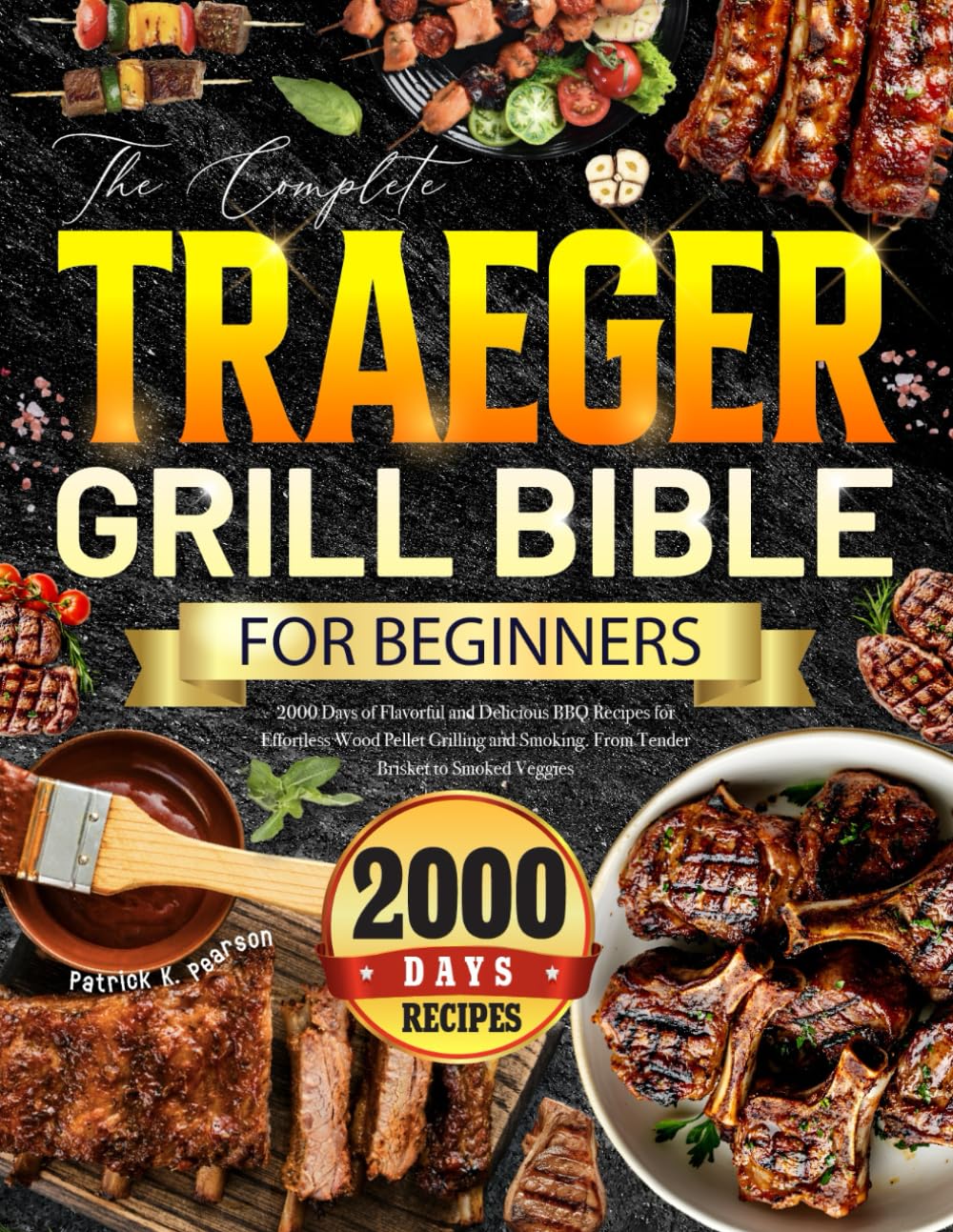
10. Traeger Grill Bible for Beginners Handbook
Why it made the list
It made the list for its huge recipe library and beginner-focused path from setup to first cook. The handbook format makes it easy to keep open on the patio while you work. It covers both grilling and smoking, so your steak skills can grow in one place.
Key specs
- Beginner path for wood pellet grilling and smoking
- Long recipe collection for repeated practice
- Covers brisket, smoked veggies, and meats
- Emphasizes temperature and smoke-process guidance
- 2000 days of recipes for variety
Real-world experience
This is the reference you grab when you want a recipe for every possible cook. The sheer volume prevents boredom, but the beginner structure keeps things simple at first. It feels like a starter kit plus a full cookbook in one binding.
- Beginner steps for wood pellet grilling routines
- Recipe range covers brisket and smoked veggies
- Focus on smoking plus grill workflow
- Large recipe count supports repeat practice
- No visible grill model compatibility details
- No listed temperature or time specs in features
- ✔ You want a huge recipe variety from day one
- ✔ You are buying your first pellet grill
- ✔ You want a book that covers smoking too
- ✖ You need specs for a specific grill model
- ✖ You prefer a slim focused manual
This handbook is the best value when you are starting from zero and want one book that covers everything. It beats the other Traeger titles on sheer recipe count, but it is less focused than the Backyard cookbook for casual weekend cooks.
How I picked
I compared each product’s structure, focus, and beginner fit rather than just counting recipes or features. For cookbooks, I looked at how the material explained heat control, timing, and doneness checks. For gear, I analyzed surface material, cooking area, and how quickly a novice could start a cook.
Buyer review patterns played a major role in the rankings. Repeated comments about confused timing, uneven crusts, and unclear instructions helped separate genuine teaching tools from pretty reference books. I also checked whether each product matched common beginner setups like pellet grills, cast iron skillets, propane griddles, and charcoal kettles.
I ranked products higher when they offered a repeatable workflow instead of just inspiration. Books that structured information in small, revisitable steps earned more weight. Gear with stable heat surfaces and simple controls outranked flashier units with steeper learning curves.
Buying guide — what actually matters for 10 Best Steak to Grill for Beginners: Easy Cuts, Timing, Tips
Match the resource to your heat source
Your grill type decides which book or tool will actually help you. Pellet grill owners should prioritize Traeger-specific guides that explain indirect heat and smoke flow. Cast iron users need books focused on preheating and thermal mass, not airflow.
Gas and propane cooks should look for dual-zone guidance and quick start-up features. Charcoal users benefit from wood-fired manuals that teach fire management. Using a book written for a different heat source adds friction, so clarify your setup first.
Look for clear doneness and timing guidance
The single biggest beginner failure is pulling a steak too early or too late. Good resources include explicit temperature targets and rest times for common cuts. Books that mention probe thermometers and carryover cooking teach habits that last.
The USDA publishes safe internal temperature guidance that every beginner should know. Match that baseline with recipe-level timing for your preferred cut. If a book avoids concrete numbers, it will not help you build repeatable skills.
Consider cut-specific advice
Thick ribeyes behave differently than thin flank steaks, so generic advice only gets you so far. Strong guides explain why thickness changes cook time and how to adjust heat. Look for at least a few paragraphs on the cuts you actually plan to grill first.
A resource that covers one cut deeply may teach you more than one covering every beef primal shallowly. Beginner-focused books should recommend forgiving cuts like sirloin or strip steak before brisket-level projects.
Weigh recipe volume against technique depth
Large recipe libraries keep you motivated, but they can bury the key lessons. A focused book with 30 steak recipes and strong technique beats a 500-recipe bundle with thin explanations. Check whether the material explains the method behind the recipe, not just the ingredient list.
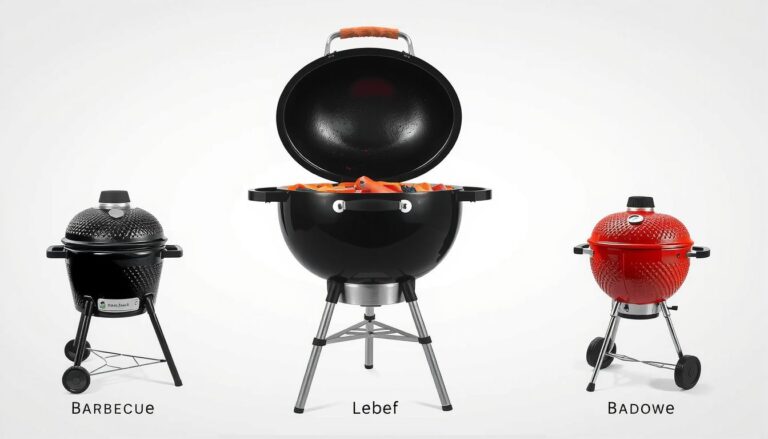
For gear, bigger cooking areas help you multitask but make setup harder. A 696 sq in griddle is great for families, yet it may not fit a small balcony. Balance cooking space against your actual patio and storage room.
Frequently Asked Questions (FAQ)
Which grilling guide helps you avoid common steak mistakes?
Look for a book that covers steak cuts, doneness targets, and heat control. Recipes help too, but technique chapters matter more. The best guides also explain resting and slicing.
Do you need a cast iron cookbook for beginner steak grilling?
Not always. If you plan to grill on grates, you can skip cast iron specifics. Still, cast iron guides build searing confidence that transfers to any grill. Choose based on your actual setup.
What if you want live-fire or wood-fired steak recipes?
Pick books that explain wood fire management, smoke flavor, and temperature stability. If you only want simple propane grilling, wood-fired focus can feel overly detailed. Match the book to your heat source.
How do I know when a beginner steak is done?
Use a reliable instant-read thermometer and follow the USDA’s temperature recommendations for safety. Rest the steak for at least five minutes before slicing so the juices redistribute. Learn the firmness test only after you have practiced with a thermometer.
Are Traeger cookbooks useful if I own a different pellet grill?
Most Traeger-specific guides still work for other pellet grills because the fuel and airflow logic is similar. You only need to adjust temperature labels and pellet brand quirks. Check the recipe instructions for wood-pellet assumptions before buying.
Should I buy a griddle or a grill for my first steak cook?
A griddle gives you more contact area for even crusts, while a grill adds smoke flavor. Beginners often learn faster on a flat surface because heat is easier to control. Once you master a pan sear, transfer those timing skills to grill grates for smoke-enhanced results.
Final verdict
The Traeger Grill Bible for Backyard Pitmaster is the strongest match for your beginner needs because it focuses on practical process: temperature control, recipe flow, and repeatable steps. It gives pellet grill owners a clear path from first smoke to consistent steak results. For a science-led alternative, Meathead Science of Barbecue and Grilling teaches the reasoning behind every sear and smoke decision.
Affiliate disclosure: This post contains affiliate links. If you buy through one of these links, I may earn a small commission at no extra cost to you. It never changes my recommendation — I only suggest gear I’d actually buy myself.