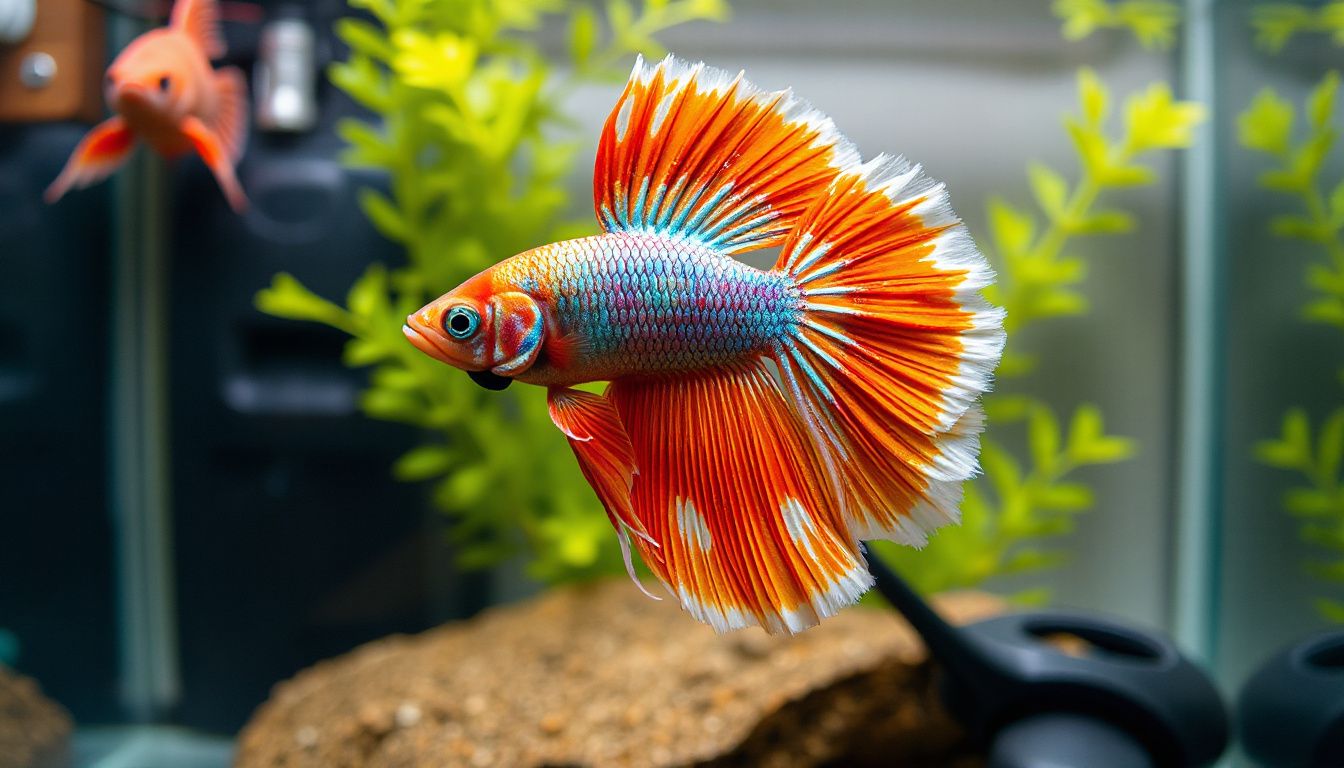
How Often Do You Clean a Betta Fish Tank for Clear Water
Most filtered 5-gallon betta tanks stay clear and healthy with a 25–30% water change once a week plus light gravel vacuuming. Smaller unfiltered bowls often need 30–50% water changes every 2–3 days. The real goal is not spotless glass; it is stable, safe water that does not swing in ammonia, nitrite, nitrate, or temperature.
A betta can look fine right up until water quality slips, then fade fast. That is why the best routine is predictable and gentle. Small, repeatable maintenance beats occasional aggressive deep cleans almost every time. Much like regular boat upkeep prevents stubborn buildup, consistent partial water changes stop waste from reaching dangerous levels in the first place.
The Real Goal Is Stable Water, Not a Sterile Tank
Your tank is a small ecosystem. Beneficial bacteria colonize the filter media, substrate, and surfaces, converting toxic ammonia from fish waste into nitrite and then into less harmful nitrate. When you clean too aggressively, you remove or kill those bacteria, and the nitrogen cycle stalls.
That is why “clean” should mean controlled waste removal, not disinfecting. In practice, the tanks with the clearest water are usually the ones where the keeper changes a modest amount of water on a schedule and leaves the biofilter alone.
Ammonia is harmful to fish even at low concentrations. The U.S. Environmental Protection Agency sets water quality criteria for ammonia because of how toxic it is to aquatic life. In a small betta tank, ammonia can rise quickly after a filter disruption or missed water change, so your cleaning routine should be designed to prevent those spikes before they happen.
5 Factors That Change How Often You Should Clean
No single schedule works for every tank. These five factors determine how fast waste accumulates and how often you need to intervene.
1. Tank Size
Small tanks foul faster. A 2–3 gallon unfiltered bowl can show ammonia within days, while a 10-gallon filtered tank dilutes waste more effectively. In general, the smaller the water volume, the more frequent the water changes.
2. Filtration
A gentle sponge filter or adjustable-flow hang-on-back filter supports the nitrogen cycle, but it does not remove nitrate. Filtration buys you time between water changes; it does not replace them. Unfiltered tanks need much more frequent partial changes.
3. Live Plants
Heavily planted tanks can slow nitrate buildup because plants consume nitrogen. Floating plants, stem plants, and moss are especially useful. However, dying leaves add organic waste, so plant trimming should still be part of your routine.
4. Feeding Habits
Overfeeding is one of the fastest ways to foul a betta tank. Uneaten food sinks, rots, and feeds ammonia-producing bacteria. Matching portions to a sensible small-fish feeding rhythm prevents leftover food from becoming tomorrow’s ammonia problem.
5. Temperature and Stocking
Warmer water speeds up bacterial activity and waste breakdown. A tank kept at 78–80°F may need slightly more frequent water changes than a cooler tank. Extra snails, shrimp, or tank mates also increase the bioload.
Weekly, Biweekly, and Monthly Cleaning Schedule
A good cleaning routine is built from small tasks. It should protect the biofilter while removing visible and dissolved waste.
| Frequency | Task | Why It Matters |
|---|---|---|
| Weekly | 20–40% water change with dechlorinated, temperature-matched water | Removes nitrate and dissolved organics before they build up |
| Weekly | Light gravel vacuum in high-debris areas | Lifts uneaten food and waste from the substrate |
| Weekly | Wipe the inside glass with an aquarium-safe pad | Removes algae film and improves clarity |
| Biweekly | Rinse prefilter sponges or filter media in removed tank water | Restores flow without killing beneficial bacteria |
| Monthly | Deeper substrate pass and trim dead plant leaves | Prevents compacted debris and organic decay |
| Monthly | Check heater accuracy and inspect cords | Avoids temperature swings and equipment failure |
A simple rule: if nitrates climb quickly or the tank smells earthy and stale, your cleaning schedule is too light. If your betta sulks, hides, or flares after every maintenance session, you are probably changing too much water at once.
How Often to Change Water in a Betta Tank
Filtered Tanks
In a filtered, cycled betta tank, a 25–30% water change once a week is a reliable baseline for 5-gallon and larger setups. If nitrate stays low and the water remains clear, you can maintain that pace. If nitrate rises above 20–30 ppm by day seven, switch to two smaller changes per week rather than one large swap.
Two 20% changes are often gentler on fish than one 40% change because they cause smaller shifts in temperature, pH, and dissolved gases.
Unfiltered Bowls and Small Tanks
Without a working nitrogen cycle, waste concentrates quickly. Many keepers do 30–50% water changes every 2–3 days in unfiltered 1–3 gallon setups. Temperature-matched, dechlorinated water is essential because the smaller the volume, the faster a mismatch can shock the fish.
In practice, a 2.5-gallon unfiltered tank may need a water change every other day to keep ammonia at zero, while a 5-gallon heated tank with a sponge filter can often go a full week.
Signs Your Tank Needs Cleaning Sooner Than Planned
Even with a solid routine, a tank can tell you when waste is building faster than expected. React to early signs before ammonia or nitrite stress the fish.
Watch the water first. A slight haze, yellow tint, or surface film often means dissolved organics are climbing. In warm tanks with heavy feeding, this can appear within days.

Cloudy water and surface film often mean dissolved organics are rising.
Next, check the glass and décor. A sudden jump in brown diatom dust, stringy algae, or thick biofilm on the waterline can point to excess nutrients or weak circulation.
Behavior matters too. If your betta is gulping at the surface more than usual, clamping fins, hiding, or acting off after feeding, test the water and clean sooner rather than later.
- Ammonia or nitrite above 0 ppm on a liquid test kit
- Visible debris on the substrate or uneaten food after five minutes
- Sluggish filter flow or clogged sponge media
- A musty, sour, or pond-like odor
A common mistake is waiting until the water looks dirty. By then, water chemistry may already have shifted. Weekly testing—especially in tanks under 5 gallons—gives you an earlier warning.
How to Clean a Betta Tank Without Stressing the Fish
Technique matters as much as timing. A betta can handle routine maintenance well, but sudden temperature shifts, strong currents, and aggressive scrubbing cause stress fast.
Before starting, wash your hands with plain water only. Skip soap and lotion. Match new water to the tank temperature within 1–2°F and treat it with a quality dechlorinator. Dimming the lights and moving slowly helps keep the fish calm.
A low-stress cleaning process looks like this:
- Unplug the heater and filter for safety, especially if water will drop below the intake.
- Use a small siphon to remove water gradually instead of dumping large volumes quickly.
- Wipe algae with an aquarium-safe sponge or magnetic scraper, never household pads or chemicals.
- Rinse filter media in removed tank water, not tap water, to preserve bacteria.
- Pour replacement water back slowly over a cup, plate, or your hand to soften the flow.
- Restart the heater and filter, then observe your betta for a few minutes.
Think of it a little like boat carpet care: light, frequent passes stop grime from getting ground in. The same principle applies inside the tank.
Gravel Vacuuming: How Often to Siphon the Substrate
Most of the invisible waste in a betta tank ends up in the substrate. Uneaten food, plant debris, and fish waste settle between gravel pieces and can drive ammonia spikes if left untouched.
For most setups, siphon lightly during routine water changes and do deeper passes less often. Over-vacuuming can disturb beneficial bacteria and cloud the water.
A practical rhythm many keepers use:
- Spot-vacuum weekly in high-debris areas like the feeding zone or under décor.
- Vacuum about one-third of the substrate per session in small tanks.
- Do a fuller, slow pass every 2–4 weeks if feeding is generous or waste is visible.

A gravel vacuum lifts waste without stripping the biofilter.
In a 5-gallon tank with silk plants and a cave, debris often collects behind the décor. Siphon that corner one week, then rotate to a different section the next. The tank stays clear without constant disruption.
Filter Care: How Often to Rinse Media and What Not to Replace
Filter maintenance is the quiet factor that keeps a betta tank stable between water changes. Most filter problems happen when cartridges are treated as disposable parts rather than living biofilters.
Rinse filter media only when flow drops or the media looks heavily clogged. For many betta setups, that is roughly every 2–4 weeks, but condition matters more than the calendar. Always rinse sponges and biomedia in removed tank water so beneficial bacteria survive.
Do not routinely replace biological media. Monthly cartridge swaps are a common trap; removing the cartridge removes the bacteria that process ammonia and nitrite. If a cartridge must be replaced, cut it open and keep the old sponge or floss in the filter alongside the new one to seed bacteria.
Bacteria process fish waste in stages, much as a compost pile breaks down vegetable scraps over time. Both systems need time and surface area to stay active.
- Rinse foam or sponges in old tank water when flow slows.
- Keep ceramic rings or biomedia unless they are crumbling.
- Replace chemical media like carbon only if you intentionally use it.
If a 5-gallon tank’s filter output suddenly weakens, swish the sponge in a bucket of siphoned tank water for 10–15 seconds, reinstall it, and flow should return without resetting the cycle.
Common Cleaning Mistakes That Trigger Ammonia Spikes
Most ammonia spikes are not random. They are usually caused by cleaning practices that remove bacteria faster than the tank can rebuild them.
The biggest trigger is over-sanitizing. Scrubbing décor until it is spotless, replacing filter media, and doing a large water change on the same day can remove too much biological filtration at once. Forgetting dechlorinator is another serious issue; untreated tap water can kill nitrifying bacteria and irritate your betta’s gills.
Common mistakes include:
- Washing filter media under tap water or letting it dry out
- Replacing all media at once or following monthly cartridge swap schedules
- Using soap, detergent, or household disinfectants on tank items
- Deep-cleaning the entire gravel bed in one session
- Overfeeding right after a major clean, spiking the waste load
After a full reset clean, you may test 0.5 ppm ammonia the next day even if the water looks clear. The fix is to stop swapping media, dose conditioner, reduce feeding for 24–48 hours, and monitor with daily tests until readings return to zero.
A Simple Weekly Maintenance Checklist
Staying consistent is easier with a short checklist. These small tasks protect water quality over months and prevent surprise problems.
Daily: 2 Minutes
- Confirm the heater light is on and the thermometer is in range
- Check the betta’s appetite, fins, and activity
- Remove uneaten food
- Confirm the filter flow has not slowed
Weekly: 10–20 Minutes
- Test ammonia, nitrite, and nitrate
- Change 20–40% of the water
- Lightly vacuum visible debris
- Wipe the inside glass if needed
- Trim dead plant leaves and inspect the lid for gaps
Monthly: 15 Minutes
- Rinse prefilter sponges or filter media in removed tank water
- Check airline tubing and fittings
- Verify the heater is accurate
- Inspect cords for salt creep or wear
If you keep potted houseplants beside the tank, pot color affects soil temperature, so plain, light-colored pots can help in warm rooms. Inside the aquarium, the same principle applies: stable temperature supports stable water.
A calendar reminder helps, but the real win is doing the same quick checks every time. When nitrate trends upward for two weeks in a row, reduce feeding slightly or add a fast-growing stem plant before reaching for a bigger cleaning session.
Frequently Asked Questions
How often should I do a full water change?
A true 100% water change is rarely needed in an established betta tank. It removes too much beneficial bacteria and can shock the fish. Instead, do 20–40% partial changes weekly in filtered tanks. Reserve full changes for emergencies like medication overdoses or major contamination.
Can I clean my betta tank too often?
Yes. Over-cleaning is a common problem. Scubbing everything, replacing filter media, and changing too much water at once can crash the nitrogen cycle. If your betta hides, clamps its fins, or acts stressed after cleaning, reduce the frequency or size of your next water change.
Should I remove my betta during cleaning?
Usually no. Netting and moving a betta causes more stress than leaving it in the tank during a partial water change. Work slowly, avoid sudden movements, and keep the water level high enough for the fish to stay comfortable. Remove the betta only for major disruptions or full tank breakdowns.
How do I know if my tank is cycled?
A cycled tank consistently shows 0 ppm ammonia, 0 ppm nitrite, and some nitrate on a liquid test kit. This can take several weeks in a new tank. Until then, test daily and change water as needed to keep ammonia and nitrite near zero.
Can I use tap water for water changes?
Yes, if you treat it first. Tap water often contains chlorine or chloramine, which harm fish and beneficial bacteria. Add a dechlorinator before adding new water, and match the temperature to the tank. Letting water sit overnight only removes chlorine, not chloramine.
Do bettas need a filter?
A filter is strongly recommended. It provides surface area for beneficial bacteria and gentle circulation. While bettas can survive in unfiltered bowls with frequent water changes, a small sponge filter makes water quality far more stable and reduces the risk of ammonia spikes.
Conclusion
How often you clean a betta tank depends on tank size, filtration, plants, feeding, and how stable the water stays between check-ins. A predictable schedule beats big rescue cleanings. For most filtered 5-gallon setups, a 25–30% weekly water change with light gravel vacuuming keeps water clear and fish healthy. Smaller unfiltered tanks need more frequent partial changes.
Your next step is simple: pick one maintenance day per week, test the water before changing it, and record the results. Adjust only if ammonia, nitrite, or nitrate trends upward. That one habit will do more for clear water and long-term betta health than any deep clean.



One Comment