How Long For Compost To Break Down: Best Proven Timelines For Finished Compost
Every gardener eventually asks the same question: how long for compost to break down? The useful answer is a window, not a single date. A well-managed hot pile can be finished in about 6 to 8 weeks. A relaxed cold pile can take a year or more. Most backyard bins land somewhere in between.
Composting is a biological process, not a waiting game. Once you understand what feeds the microbes, you can predict your timeline with far more accuracy—and take practical steps to make a slow pile faster. You can also read our guide on how long does it take for compost to decompose.
What Controls How Fast Compost Breaks Down
A compost pile works because bacteria, fungi, actinomycetes, and soil invertebrates consume organic matter. Their activity depends on a handful of conditions you can actually control. The home composting guidance from the EPA points to the same levers: oxygen, moisture, a balanced diet, and pile size.
- Oxygen. Aerobic microbes are the fast workers. Turning the pile keeps air flowing and keeps the process from turning anaerobic, which is slow and smells bad.
- Moisture. Microbes need water films around every particle. Aim for the feel of a wrung-out sponge: damp, but not dripping. Too wet means no oxygen; too dry means no activity.
- Carbon-to-nitrogen ratio. Microbes need carbon for energy and nitrogen for protein. The sweet spot is roughly 25:1 to 30:1 carbon to nitrogen. Too much brown material stalls the pile; too much green material makes it hot, then sour.
- Particle size. Smaller pieces mean more surface area for microbes to attack. A 1-inch piece of stem will break down noticeably faster than a 4-inch branch.
- Pile size. A pile smaller than about 3 feet cubed loses heat too quickly to reach thermophilic temperatures. Size matters more than most beginners expect.
- Temperature. Warm weather helps. Microbial activity slows dramatically below about 50°F, so winter composting takes much longer than summer composting.
In practice, these factors work together. Balance them well and the pile heats up; neglect one and the process slows to a crawl. The USDA’s soil health resources highlight the same principle with cover crops: the faster the biology, the faster the plant material is cycled back into the soil. You can also read our guide on how long does compost take to break down.
How Long For Compost To Break Down, Method By Method

Inside a working pile, the center breaks down first; the outer layer always lags behind.
Hot Composting: 6 to 8 Weeks
Hot composting is the only method that reliably finishes in under two months. It requires deliberate effort: build a pile at least 3 feet cubed, use roughly 2 to 3 parts browns to 1 part greens by volume, keep the moisture right, and turn every 2 to 3 days.
- Active breakdown: 3 to 5 weeks
- Curing period: 2 to 4 weeks
- Total time: 6 to 8 weeks in warm weather
A true hot pile reaches 130 to 160°F at its core. That heat is a sign that thermophilic bacteria are doing the heavy work. When the pile stops reheating after a turn, the active phase is over and curing begins.
Warm Composting: 2 to 4 Months
Most backyard bins are warm composters, even if their owners do not realize it. The pile partially heats up to 90 to 110°F, but it never sustains true thermophilic temperatures. This happens with smaller piles, less frequent turning, or ingredients that are added gradually rather than all at once.
- Active breakdown: 4 to 8 weeks
- Curing period: 3 to 6 weeks
- Total time: 2 to 4 months
Warm composting is a realistic goal for most home gardeners. You get finished compost in a season without obsessing over perfect ratios.
Cold Composting: 8 to 12 Months or More
Cold composting is the “add as you go” method. You toss in kitchen scraps, leaves, and garden trimmings whenever they appear, and you let nature run the show. No turning. No measuring. No fuss.
- Active breakdown: 6 to 10 months
- Curing period: 2 to 4 additional months
- Total time: 8 to 12 months, often longer in cold climates
Expect a cold pile to contain recognizable bits of twigs and tougher leaves even after a year. That is normal. Cold compost is still valuable, but it is less uniform than hot compost.
Vermicomposting: 2 to 4 Months, Then Continuous
Vermicomposting is different because red wigglers do the work at room temperature. A worm bin never heats up, but it processes kitchen scraps steadily. The first usable castings usually appear within 2 to 4 months, and after that the bin produces a steady supply.
Quick Reference: Compost Timelines
| Method | Active Breakdown | Curing Time | Total Time | Best For |
|---|---|---|---|---|
| Hot composting | 3–5 weeks | 2–4 weeks | 6–8 weeks | Fast results, large batches |
| Warm composting | 4–8 weeks | 3–6 weeks | 2–4 months | Typical backyard bins |
| Cold composting | 6–10 months | 2–4 months | 8–12+ months | Low-effort, patient gardeners |
| Vermicomposting | 2–4 months | Continuous | Ongoing | Kitchen scraps, indoor setups |
How To Make Compost Faster: A 5-Step Fast-Track Method
If you need finished compost by a specific date, follow this system. Each step addresses one of the factors that controls microbial speed.
Step 1: Build In Batches, Not Little Dribbles
A pile that is fed continuously never gets a chance to heat up properly. Instead, collect enough material to build a batch at once: at least 3 feet cubed of combined browns and greens. Mix in roughly 2 to 3 parts carbon-rich browns and 1 part nitrogen-rich greens by volume. Assemble the whole pile in one session, then let it work.
Step 2: Shred, Chop, And Split Everything
The smaller the pieces, the faster the breakdown. Run leaves over with a lawn mower, chop kitchen scraps into chunks, and break up thick stems. A 3-inch branch can take years in a cold pile, but the same wood shredded or chipped can break down in months.
Step 3: Check Moisture Every Time You Turn
Grab a handful and squeeze. You want a few drops of liquid to appear between your fingers. If water streams out, add dry browns and turn. If nothing appears and the material feels dusty, water the pile in layers while turning.
Step 4: Turn On A Schedule
During the active phase, turn hot compost every 2 to 3 days and warm compost every 5 to 7 days. Turning adds oxygen, redistributes moisture, and moves the cooler outer material into the hot center. A pile that is never turned does not stop decomposing, but it slows dramatically.
Step 5: Watch The Heat, Then Cure
Use a compost thermometer and take readings at the core. When the pile stops reheating after a turn, active breakdown is complete. At that point, stop turning and let the pile cure for 2 to 4 weeks. Curing is what makes compost stable enough for seedlings and plant roots. Skipping this step is the fastest way to produce compost that harms plants instead of helping them.
Tumbler vs Bin vs Open Pile: Which Is Faster?
The container matters, but managing the material matters more. Here is how the three common setups compare.
Compost Tumblers: Fastest For Small Batches
Tumblers make frequent aeration easy. A few rotations every couple of days keeps oxygen flowing, and smaller batches of 10 to 20 gallons can be ready in 3 to 6 weeks during warm weather.
The downside is volume. Most tumblers cannot handle large amounts of yard waste, and wet material can clump into balls. Check moisture often and add shredded cardboard if things get sticky.
Compost Bins: The Balanced All-Rounder
A stationary bin with an open bottom holds heat better than a tumbler and keeps the pile contained. It also lets worms and soil organisms enter from below, which speeds the later stages of decomposition. Expect warm-composting timelines: 2 to 4 months with regular turning.
Open Piles: Maximum Volume, More Patience
Open piles handle the most material, but the exposed sides dry out and lose heat quickly. The core may be hot while the edges barely change. A large open pile of leaves and garden trimmings usually takes 4 to 6 months or longer. That is still a reasonable timeline if you have space and patience.
Winter Composting And Cold Climates
Cold weather changes everything. Microbes become sluggish below 50°F, and a pile that is frozen solid stops decomposing completely. In freezing conditions, expect the timeline to stretch, often by half or more.
To keep a pile active through winter, build it bigger, insulate the sides with straw bales or bags of leaves, and turn less often. Every turn in winter releases valuable heat. A well-insulated pile can keep working, but it will not match summer speeds.
Compost Ingredient Timelines: What Breaks Down Fast And What Lasts
Different materials break down at very different speeds. Understanding this helps you set realistic expectations for your pile.
| Material | Type | Typical Timeline In An Active Pile |
|---|---|---|
| Grass clippings | Green | Weeks |
| Fruit and vegetable scraps | Green | 2–6 weeks |
| Shredded leaves | Brown | 3–6 months |
| Whole leaves | Brown | 6–12 months |
| Cardboard and paper | Brown | 2–6 months when shredded |
| Wood chips | Brown | 1–3 years |
| Branches and twigs | Brown | 1–2 years |
| Chicken manure | Green | Several months with curing |
Fresh grass clippings are one of the fastest greens and can heat a pile within a day. If you compost large amounts of lawn waste, lawn clippings specifically break down quickly when mixed with shredded browns.
Kitchen scraps follow a similar pattern. Vegetable scrap composting works best when scraps are chopped small and balanced with dry, carbon-rich material.
Manure is a powerful green, but it is not instantly safe. If you use poultry litter, nitrogen-rich manure needs enough time and heat to stabilize before it can be used around edible plants.
At the slow end, wood chip decomposition is measured in years unless the chips are small and mixed with plenty of greens. Wood is the classic example of why particle size matters.
How To Tell When Compost Is Actually Finished
Finished compost is a stability threshold, not just a look. It is dark, crumbly, and earthy-smelling, and it no longer heats up when turned. Here is a practical sensory checklist:
- Color: Uniform dark brown, almost black
- Smell: Forest-floor earthiness, no ammonia or sourness
- Texture: Crumbly and springy, like good garden soil
- Temperature: Stays cool even after turning and moistening

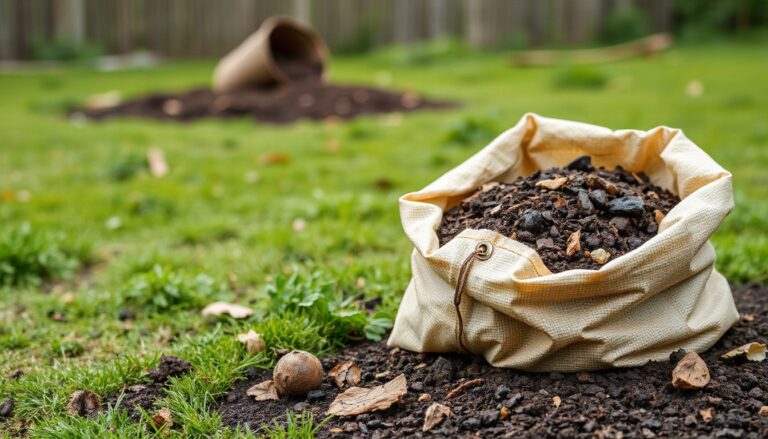
Cured compost is dark, crumbly, and smells like soil, not rot.
If you still see recognizable food scraps or stems, the pile needs more time. If it smells like ammonia, it is too rich in greens. If it smells putrid, it is too wet and probably anaerobic.
Simple Tests For Readiness
The Squeeze Test. Grab a handful and squeeze hard. Finished compost clumps together gently but breaks apart easily when poked. It should not release water or feel slimy.
The Re-Wet Test. Moisten the compost and wait 24 hours. If it develops a foul odor, it is still actively decomposing. An earthy smell means it is ready.
The Bag Test. Fill a sealed plastic bag with slightly moist compost and leave it for a week. When you open it, rotten or sour odors mean it needs more curing time.
The Seed Germination Test. This is the gold standard. Mix one part compost with three parts potting soil, plant fast-growing seeds like radish or cress, and water normally. Strong, healthy sprouts mean the compost is stable. Poor germination or stunted seedlings mean it is not ready yet.
Once your compost is cured, how you use it matters too. If you are growing in containers, pot color choices can affect root temperature and moisture retention, especially in hot summer weather.
Why Is My Compost Taking Too Long?
When a pile sits unchanged for months, one of these issues is usually to blame.
| Common Symptom | Likely Cause | Practical Fix |
|---|---|---|
| Slimy, sour, and wet | Too much water or too many greens | Add shredded cardboard, straw, or dry leaves; turn well |
| Dry and dusty, no heat | Not enough moisture | Water in layers while turning |
| Pile sits cold and unchanged | Too much brown material | Add grass clippings, fresh manure, or another nitrogen source |
| Smells like ammonia | Too much nitrogen | Add dry browns and turn more often |
| Pile never heats up | Too small to hold heat | Combine piles or accept a slower warm/cold timeline |
| Woody pieces remain after months | Oversized branches and chips | Screen them out, or start with smaller particle size |
In cold weather, a stalled pile may simply be dormant. Rather than fighting it, let it rest and resume turning in spring. The material will not lose value while it waits.
FAQ
How long does compost take to break down in a tumbler?
Most tumbler batches finish in 3 to 6 weeks during warm weather. Frequent rotation every 2 to 3 days, small particle size, and proper moisture are the key accelerators. Once the contents look uniformly dark, let them cure for another 2 weeks before use.
Does turning compost make it break down faster?
Yes, significantly. Turning adds oxygen, and aerobic microbes work several times faster than anaerobic ones. In practice, turning every 2 to 3 days during the active phase can cut your timeline by half compared with leaving the pile unturned.
Why is my compost not breaking down after weeks?
Check moisture first. A pile that is too dry simply goes dormant. Next, review the brown-to-green balance. A pile made mostly of dry leaves or straw lacks the nitrogen microbes need to multiply. Turn the pile, add the missing ingredient, and give it a few days.
Can I use compost before it is fully finished?
Partially finished compost can be used as a mulch on top of soil, as long as it is kept away from direct contact with plant stems and young roots. Fully cured compost is the safer choice for seed starting, planting holes, and amending soil around established plants.
Conclusion
There is no single answer to how long for compost to break down, but there are predictable ranges. Hot compost can be ready in 6 to 8 weeks. Warm compost takes 2 to 4 months. Cold compost takes the better part of a year. The difference comes down to moisture, oxygen, ingredient balance, particle size, and turning.
If your pile has stalled, pick one adjustment today. Test the moisture, add a nitrogen source, or turn the pile once. Check it again in three days. You will see activity. Then resist the urge to skip curing—the final few weeks are what turn good compost into truly finished compost.