How Long Does It Take For Grass Clippings To Decompose: Best Proven Timeline And Simple Tips
You’ve just spent an hour mowing the lawn, and now you’re staring at a pile of fresh clippings that seems to sit there for weeks without visibly shrinking. You might even notice a sour smell starting to develop where the pile gets dense and wet. It’s a frustratingly common sight, and it leads almost every homeowner to the same question: how long does it take for grass clippings to decompose? The short, practical answer is that clippings can break down in as little as two weeks under ideal conditions, but a poorly managed pile can linger for months. The real difference isn’t just time—it’s the way you manage air, moisture, and the balance of greens and browns. This guide cuts through the guesswork to give you a clear, proven timeline and the simple steps you need to get fast, predictable results, whether you’re composting actively or just mulching in place.
The Real Grass Clippings Decomposition Timeline
If you’re planning your compost pile or wondering when you can use your finished product, here’s the bottom-line timeline you can plan around. These are the real-world figures you’ll see in a typical backyard setup. You can also read our guide on how long does compost take to break down.
| Decomposition Method | Typical Timeframe | Key Conditions Needed |
|---|---|---|
| Active Compost Pile (turned regularly) | 2 to 4 weeks for visible breakdown; 1 to 3 months for fully finished compost | Proper C:N ratio, consistent moisture, regular aeration |
| Mulch Left on Lawn (grasscycling) | 1 to 2 weeks for small, dry clippings to disappear | Thin layers, dry conditions, frequent mowing |
| Open Pile / Heap (unturned) | 6 weeks to 3+ months | Patience; can go anaerobic if too thick or wet |
| Sealed Plastic Bag | Several months to over a year (often just turns into a smelly mess) | Not recommended for decomposition |
The Two-Week Milestone
In practice, a well-balanced 3-foot-by-3-foot compost pile built with fresh grass clippings and dry leaves will heat up within 24 to 48 hours. If you turn that pile every two to three days, you’ll see a dramatic volume reduction—often by half—within the first two weeks. At day 14, most of the grass blades will have lost their bright green color and started to become unrecognizable dark fragments. This is the point where successful decomposition transitions from visible breakdown to the slower process of maturing into stable compost, which typically takes another couple of weeks.
The Six-Week Rule of Thumb
For the average homeowner who wants a reliable timeline, expect an actively managed pile to produce finished, usable compost in about 4 to 8 weeks during warm weather. If you’re just leaving clippings in an open heap without turning, stretch that estimate to two to three months. A common mistake is to judge the process by color alone—grass can lose its green quickly but still be structurally intact. You need to wait for the texture to become crumbly and unrecognizable before calling it done. For more on this, see our guide on how long does it take for grass to.
Why Decomposition Speed Varies: The Science of a Grass Pile
Understanding why one pile breaks down in three weeks and another sits for months comes down to a few core principles. Grass clippings are about 80% water and are incredibly rich in nitrogen. This makes them a "green" material that microbes love, but it also makes them prone to matting. When clippings form a thick, wet mat, they block oxygen from reaching the microbes at the center, and the pile switches from an aerobic process (fast and odorless) to an anaerobic one (slow and smelly).
The primary drivers of decomposition speed are:
- Oxygen Access: Aerobic microbes are the workhorses of decomposition. They need a constant supply of oxygen to break down organic matter efficiently. Without it, the process grinds to a halt.
- Moisture Levels: Microbes also need water to survive and transport nutrients. The ideal moisture content is often compared to a "wrung-out sponge"—damp but not dripping wet. Too much water fills the air pockets and suffocates the pile.
- The Carbon-to-Nitrogen (C:N) Ratio: Microbes need both carbon (for energy) and nitrogen (for protein). Grass is very high in nitrogen. An ideal ratio for fast composting is around 25:1 to 30:1, which means you need to add "browns"—like dry leaves, straw, or shredded cardboard—to balance out the grass. Without enough carbon, the excess nitrogen is lost as ammonia gas, which is that sour smell you might notice.
What Conditions Help Grass Clippings Break Down Faster?
The single biggest mistake that slows down decomposition is leaving grass clippings in a thick, undisturbed pile. This creates the infamous "grass clipping mat" which is a barrier to air and water. To get the fastest possible breakdown, you need to create the conditions that allow aerobic microbes to thrive. For more on this, see our guide on how long for grass clippings to decompose.
How to Fix Matting: Chop, Mix, and Spread
The texture of your pile matters almost as much as its ingredients. You can significantly speed up decomposition by:
- Chopping: Smaller pieces have more surface area for microbes to attack. If you’re using a mulching mower, the clippings are already cut into very fine pieces. If not, you can break up large clumps by hand or with a rake.
- Mixing: Never add a thick layer of grass clippings alone. Always mix them thoroughly with dry, coarse material like leaves or straw. This separates the sticky blades of grass, creating air spaces and preventing the pile from compacting into a solid mass.
- Spreading: When adding to a compost bin, spread the clippings in a thin layer (1 to 2 inches) and then cover it with a 2 to 3 inch layer of browns.
The 4-Check Compost Method (C:N:Air:Moisture)
Forget complicated formulas. Here’s a simple 4-point checklist to keep your pile moving fast:
- Check the Carbon to Nitrogen Ratio: For every bucket of fresh grass clippings you add, add at least one bucket of dry leaves, shredded paper, or straw. It's better to have too much carbon than too little.
- Check Airflow: Ensure the pile is not completely flat. A rounded top or a pile with a mixture of coarse and fine materials allows air to penetrate. Turn the pile from the outside in, fully incorporating the outer layer into the hot center.
- Check Moisture: Grab a handful of material from the middle of the pile and squeeze it. You want it to feel like a damp sponge. If water drips out, it’s too wet. If it crumbles in your hand, it’s too dry. Add water or dry browns to adjust accordingly.
- Check Temperature: If the pile is actively decomposing, it should be warm or hot in the center. A heat probe will easily read between 130°F and 160°F. This heat is a sign that microbes are working at full capacity.
How To Compost Grass Clippings Without Creating a Smelly Mat
The fear of a foul-smelling pile is why many people bag their clippings and send them to the landfill. But composting grass clippings is easy if you follow a few simple steps to avoid anaerobic conditions.
Step 1: Pre-Condition the Clippings
Freshly cut grass is wet and sticky. Before adding it to your compost bin, spread it out on a tarp or driveway for 30 to 60 minutes. This allows the excess moisture to evaporate and introduces oxygen to the surface. If you’re short on time, just ensure you mix it immediately with a larger volume of dry, fibrous browns. For more on this, see our guide on how long does it take compostable plastic to.
Step 2: Build Layers, Not Dumps
Think of a compost pile like a lasagna, not a soup. Start with a base layer of coarse browns (like small twigs or straw) to encourage airflow from the bottom. Then add an alternating sequence of green (grass) and brown (leaves) layers, keeping each layer relatively thin. Aim for a ratio of roughly 1 part green to 2 parts brown by volume. This structure is the most reliable way to guarantee good aeration and oxygen flow.
Step 3: Turn on a Schedule
Turning is the most effective tool you have for speeding up decomposition. It reintroduces oxygen, redistributes moisture, and breaks up any clumps that have started to form.
- Days 1-14: Turn the pile every 2-3 days. This is the period of hottest, fastest activity.
- Weeks 2-4: As the pile cools down, reduce turning to once a week.
- Weeks 4+: During the final curing stage, you can turn it less frequently or not at all.
Grass Clippings in Piles, Bags, or Mulch: Which Option Decomposes Best?
Your choice of how to handle clippings depends heavily on your goal. Each method has distinct trade-offs in terms of speed, effort, and usefulness.
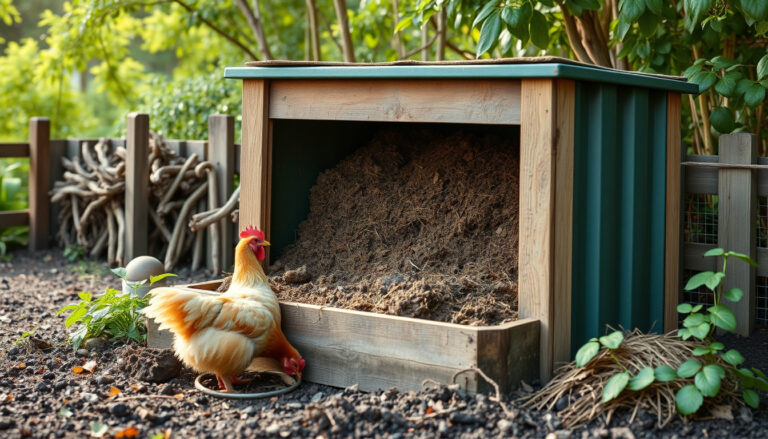
Compost Pile (Waste Management): This is the best option for turning clippings into a usable soil amendment. It gives you the most control over the decomposition process and yields high-quality compost in the shortest time. Recommended if you want finished compost for your garden beds.
Bagging (Waste Removal): If you put grass clippings in a plastic bag for trash pickup, they will not decompose in any useful timeframe. They will break down very slowly in an anaerobic environment, creating a noxious, smelly mess. This should be a last resort, as it sends valuable nutrients to the landfill.
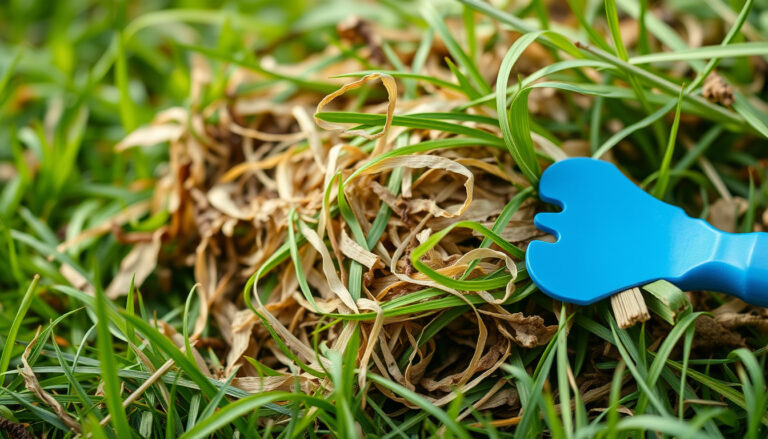
Mulching (In-Place Recycling): Leaving clippings on the lawn ("grasscycling") is the lowest-effort and arguably most beneficial method. Small clippings break down quickly, returning nitrogen and water back into the soil. This doesn't create a mat if you follow the one-third rule—never cut more than one-third of the grass blade length at a time. This method does not produce compost but does feed your lawn.
For a more detailed look at timing for other organic materials, you might be curious about how long for wood chips to break down as well.
How Can You Tell When Grass Clippings Are Fully Decomposed?
Knowing when your compost is done is as important as knowing how long it takes. Using unfinished compost can rob your plants of nitrogen as it continues to break down in the soil. Here’s how to test for readiness.
Visual and Texture Indicators
Finished compost is a dark, rich brown color and has a crumbly, soil-like texture. You should not be able to identify any original grass blades. The material should have shrunk to about one-third of its original volume. When you rub it between your fingers, it should feel smooth and earthy, not slimy or sticky.
Smell and Heat Cues
A mature compost pile has a pleasant, earthy smell. If you detect a sour or ammonia-like odor, the pile is still too wet and anaerobic. Also, check the temperature. The center of the pile should be at or near ambient air temperature. If you turn the pile and it doesn't heat back up after a week, the decomposition process is complete.
The Paper Bag Test
Here is a simple and effective reliability test for soil readiness: Fill a paper bag with slightly moist compost and seal it. Leave it in a warm room for a week. If the bag swells, it means the compost is still actively decomposing and needs more time to cure. If it remains flat, the material is stable and ready to use.
Common Mistakes That Slow Decomposition
Even with the right information, several common pitfalls can turn a fast, healthy compost pile into a soggy, slow mess. Here are the biggest culprits to avoid:
Mistake #1: Overloading Nitrogen Without Browns
Too much green material is the number one cause of smelly, slow compost piles. The fix is simple: always balance your fresh grass with an equal or greater volume of dry, brown material. This provides the necessary carbon structure for the pile to breathe.
Mistake #2: Ignoring Airflow and Turning
Compost piles need oxygen. A pile that is left untouched for weeks will eventually become anaerobic in its core, even if the outside looks fine. A simple garden fork used to turn the pile is the most valuable tool you can use for fast decomposition, as it ensures pockets of air reach the microbial hotspots.
Mistake #3: Using Clippings with Herbicides Incorrectly
This is a critical one. Clippings from a lawn treated with selective broadleaf herbicides can persist in your compost and harm your garden plants later. The breakdown time for these chemicals can vary from a few weeks to several months. If you use weed-and-feed products, it's safer to leave those clippings on the lawn as mulch rather than adding them to a compost pile intended for a vegetable garden.
Mistake #4: Neglecting Moisture Balance
During hot, dry weather, your pile can dry out, putting the microbes to sleep. During rainy periods, it can become waterlogged. You'll need to check the pile periodically and water it or turn it to dry out, maintaining that "wrung-out sponge" consistency.
FAQ: Grass Clippings Decomposition Time
How long does it take for grass clippings to decompose in a compost pile?
In an actively managed pile with a good mix of browns and regular turning, clippings will visibly break down in 2 to 4 weeks. The full process to create finished compost will take 1 to 3 months.
How long do grass clippings take to decompose in a plastic bag?
A plastic bag creates an anaerobic environment. True decomposition is severely slowed, and what occurs is a foul, putrefying process that can take over a year. It's best to avoid bagging clippings for decomposition.
What is grass clipping decomposition time when they are left on the lawn?
When left on the lawn as mulch, small, dry clippings can decompose and disappear in as little as 1 to 2 weeks. This process is much faster if you mow frequently so the clippings are short and don't clump together into a mat.
How do I make grass clippings decompose faster?
To speed up decomposition, you should mix the clippings with dry, carbon-rich materials (like leaves or shredded cardboard) to absorb excess moisture and create air pockets. Turn the pile every 2-3 days and keep the moisture level at a damp-sponge consistency.
How long does it take for grass clippings to decompose into compost?
It takes about 4 to 8 weeks in warm weather to produce usable compost, but a more conservative estimate is 2 to 3 months to ensure the material is fully stabilized. This extended time allows for the pile to cool and pathogens to be neutralized.
Do grass clippings decompose faster in mulch or compost?
Compost is usually faster because you can actively manage aeration and moisture. When left as a mulch on the lawn, clippings decompose faster than in a passive heap, but the process still takes a few weeks and can be slower if the layer is too thick.
Conclusion
The question of how long it takes for grass clippings to decompose doesn't have a single magic number—it's a direct result of the conditions you create. Without any help, a thick pile of grass can sit as a slimy mess for months. However, by understanding the essentials of a balanced compost pile—providing ample oxygen, maintaining a healthy carbon-to-nitrogen ratio with browns, and hitting that perfect moisture level—you can transform fresh grass into a crumbly, earthy soil amendment in just a few weeks. The key is to think of grass clippings not as waste, but as a high-nitrogen ingredient that thrives with the right structure. Don't let the fear of a smelly mat put you off; the simple practices of mixing, layering, and turning will guarantee that you get fast, odor-free results.
Your next step is simple: head outside and give your compost pile the attention it needs today. Grab that pile of clippings and a bin full of dry leaves, incorporate them thoroughly, and check the moisture level. You'll be amazed at how quickly that same pile shrinks and transforms once you give the microbes what they need to work their magic.