How Long Does A Fish Tank Take To Cycle For Safe Stocking
Bringing home a new aquarium is exciting, but the impulse to add fish right away is the single biggest mistake new owners make. The difference between a thriving tank and a tragic one comes down to one biological process: the nitrogen cycle. Understanding exactly how long this takes—and what influences it—will save you from heartbreak and keep your fish healthy.
What “Cycling” a Fish Tank Actually Means
Cycling is the process of establishing a colony of beneficial bacteria that convert toxic fish waste into less harmful substances. When fish produce waste, it breaks down into ammonia, which is lethal in even small amounts. A cycled tank has naturally occurring bacteria that process this ammonia through a two-step biological conversion.
The nitrogen cycle works in three distinct stages:
- Ammonia (NH₃) appears first and is highly toxic to fish, damaging gills and causing stress
- Nitrite (NO₂⁻) follows as the first group of bacteria (Nitrosomonas) converts ammonia; it's also toxic
- Nitrate (NO₃⁻) builds last as a second bacterial group (Nitrobacter) processes nitrite; it's far less harmful and is managed through water changes and live plants
A common misconception is that "cycled" means "clean water." In reality, it means the tank can process a normal daily waste load without ammonia or nitrite spikes. Clear water can still be chemically dangerous, which is why objective testing matters more than appearance.
How Long Does a Fish Tank Take to Cycle?
In most beginner setups, a full cycle takes about 4–6 weeks. However, this timeline varies considerably based on your method, water parameters, and whether you're introducing established bacteria.
Typical cycling timelines by method
| Cycling Method | Typical Duration | Risk Level |
|---|---|---|
| Fishless cycle (ammonia dosing) | 4–6 weeks | Low |
| Seeded media from mature tank | 1–3 weeks | Low |
| Fish-in cycle (hardy fish) | 6–8+ weeks | High |
The calendar alone doesn't tell you when the tank is ready—only your test kit does. A tank is considered fully cycled when you can dose ammonia to 1–2 ppm and both ammonia and nitrite read zero within 24 hours.
What Changes the Cycling Timeline
Tank Size and Stability
Larger tanks dilute waste and resist sudden parameter swings, but they take longer to build enough bacterial biomass. Smaller tanks show test changes faster but are more prone to stalling if conditions shift. A 10-gallon tank might cycle slower than a 40-gallon if the smaller volume experiences temperature or pH swings.
Temperature Matters
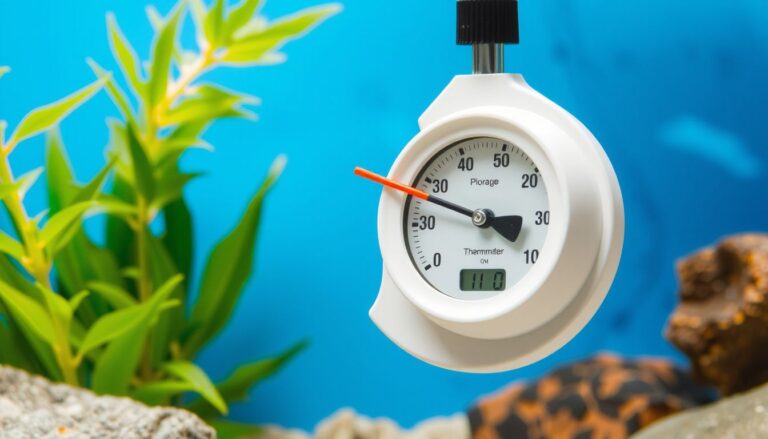
Nitrifying bacteria are most active in the tropical range of 75–82°F (24–28°C) . Below this range, their metabolism slows noticeably. Above it, oxygen levels drop, and bacteria can underperform without strong aeration. Keeping your heater stable is one of the easiest ways to maintain progress.
pH and Water Hardness
pH is often the silent limiter in cycling. When pH drops below roughly 6.5, nitrification can slow dramatically or stop entirely, even with ammonia present. Harder, well-buffered water cycles more predictably than very soft water. If your KH (carbonate hardness) is near zero, your cycle may stall because the bacteria can't function in an acidic environment.
Faster cycling conditions:
- Stable pH around 7.0–7.8
- Warm water in the mid-to-upper 70s°F
- Strong surface agitation and oxygenation
- Consistent ammonia dosing
Slower conditions:
- Low pH (below 6.5)
- Cool water (below 70°F)
- Inconsistent ammonia source
- Frequent large water changes
Cycling Methods Compared
Fishless Cycling (Most Recommended)
This method uses pure ammonia or a measured amount of fish food to feed bacteria without exposing fish to toxins. It's the most controllable approach because you can adjust dosing to hit consistent targets and interpret test results clearly.
The standard approach:
- Set up the tank with filter, heater, and dechlorinated water
- Dose ammonia to 2–4 ppm
- Test every 2–3 days
- Re-dose when ammonia drops below 1 ppm
- Wait for both ammonia and nitrite to read zero within 24 hours of dosing
Seeded Media (Fastest Option)
Moving filter media, substrate, or decor from an established, healthy tank can dramatically shorten the timeline. This method works best when the media stays wet, oxygenated, and matches the new tank's bioload. Bacteria die quickly if they dry out or starve, so timing matters.
Moving half a cycled sponge filter into a new 20-gallon tank can often create a near-instant cycle for light stocking. Many aquarists keep a small "seed tank" specifically for this purpose—or ask a trusted fish-keeping friend for a piece of their filter media.
Fish-In Cycling (Last Resort)
This method relies on fish waste to build bacteria, but it exposes fish to harmful ammonia and nitrite throughout the process. It can work, but it demands:
- Daily or every-other-day water testing
- Frequent partial water changes to keep toxins low
- More sensitive species may not survive
Only consider this approach with hardy fish like zebra danios, and be prepared for the responsibility of constant monitoring.
The Nitrogen Cycle Stage by Stage
Understanding what happens each week helps you read your test results with confidence.
Week 1: Ammonia Rises
Ammonia appears first as your ammonia source breaks down. The water may look perfectly clear, but chemistry is doing the heavy lifting. Expect ammonia to climb steadily, especially in warmer tanks.
Week 2: Nitrite Appears
The first bacterial colony establishes and begins converting ammonia. Nitrite readings climb fast, and ammonia may start dropping. This stage tricks many beginners into thinking the tank is ready—it isn't.
Week 3: Nitrite Falls, Nitrate Rises
The second bacterial group catches up, converting nitrite into nitrate. Ammonia and nitrite readings begin dropping while nitrate becomes consistently detectable. The tank is approaching stability but isn't there yet.
Week 4 (Sometimes Longer): Full Processing
Both ammonia and nitrite clear within 24 hours of dosing or feeding. Nitrate becomes the main leftover, which you manage through regular water changes.
How to Test If Your Tank Is Cycled
Testing consistency matters more than testing frequency. Use the same liquid test kit, shake reagents thoroughly, and test at the same time of day for comparable results.

A liquid master test kit with color charts for ammonia, nitrite, and nitrate readings.
The Clear Targets
- Ammonia: 0 ppm
- Nitrite: 0 ppm
- Nitrate: Detectable (5–40 ppm is normal; reduce with water changes if above 40)
The 24-Hour Processing Test
The most reliable proof of a cycled tank is a processing test:
- Dose ammonia to 1–2 ppm
- Wait 24 hours
- Test both ammonia and nitrite
- If both read zero, the biofilter is keeping up with a normal waste load
For example, dose a 20-gallon tank to 2 ppm on Monday evening. If Tuesday evening shows 0 ppm ammonia, 0 ppm nitrite, and rising nitrate, your tank is ready for its first fish.
Why Cycling Stalls (and How to Fix It)
When test results stop moving for days, the cycle isn't broken—it's being slowed by predictable bottlenecks. Here are the most common culprits and their fixes:
Chlorine or Chloramine Exposure
Tap water treated with chlorine or chloramine kills nitrifying bacteria on contact. Always dechlorinate new water before adding it, and rinse filter parts only in tank water, never tap water.
Low Oxygen and Poor Flow
Nitrifying bacteria are aerobic—they need oxygen. Increase surface agitation, clean clogged intake sponges, or add an airstone. Stagnant water slows cycling considerably.
Temperature Too Low
Keep the heater stable in the mid-to-upper 70s°F. If your heater is undersized or your room gets cold at night, the cycle will drag.
pH or KH Crash
If your KH drops to zero, pH can plummet and bacteria stop functioning. Gently buffer with small partial water changes or add crushed coral to the filter.
Overdosing Ammonia
More isn't better. Excessively high ammonia levels (above 8 ppm) can actually inhibit bacterial growth. Keep doses modest and consistent.
Practical fix: A 20-gallon fishless cycle stalls at 0 nitrite for a week. The owner realizes they forgot dechlorinator during a water change. After treating water properly and adding extra aeration, nitrite appears within 48 hours and falls steadily.

A testing schedule chart showing weekly ammonia, nitrite, and nitrate levels through the cycling process.
When It's Safe to Add Fish: Stocking Pace and First-Week Care
A cycled tank can still be overwhelmed by a sudden full stocking—especially if your filter media is new or lightly colonized. The biofilter needs time to scale up with the bioload.
Safe Stocking Strategy
- Start small: Add a light first group (3–5 small fish for a 20-gallon tank)
- Wait 7–14 days before the next addition
- Feed lightly: Small meals once daily for the first week
- Test daily: Check ammonia and nitrite for 7 days; act fast if either rises above trace
- Have a plan: Keep dechlorinator ready and know where your water change equipment is
Example: After cycling a 10-gallon tank, add three small hardy fish, feed sparingly, and test each night. A slight nitrite reading appears on day three; perform a 40% water change, skip feeding for 24 hours, and levels return to zero by day five.
Actionable Cycling Checklist
Follow these steps to keep your cycling predictable and error-free:
- Test on a schedule: Choose set days (Monday/Wednesday/Saturday) and log results in a notebook or phone app
- Keep equipment stable: Heater, filter, and aeration running 24/7—never "rest" the filter
- Dechlorinate every drop: Treat new water and rinse tools in dechlorinated water only
- Feed bacteria correctly: Dose ammonia to the same target each time—not "a splash"
- Hold back on cleaning: Wipe glass if needed, but don't deep-clean media during cycling
One practical trick: write your test results on masking tape attached to the tank stand. This makes trends obvious without needing a spreadsheet.
Can it cycle in 7 days? Rarely—only with mature seeded media and perfectly stable parameters. Most tanks need at least 3 weeks even under ideal conditions.
Should you change water mid-cycle? Only if ammonia or nitrite gets dangerously high (above 4–5 ppm). Dilute the toxins but keep the bacteria fed.
Frequently Asked Questions
What is the fastest way to cycle a fish tank?
The fastest reliable method is using seeded media from a mature, healthy tank. Moving half a cycled sponge filter can establish a working biofilter in as little as 1–3 weeks. Bottled bacteria products can also help but work best when combined with consistent ammonia dosing and stable parameters.
Can I put fish in a new tank right away?
Technically yes, but it's risky. Without established beneficial bacteria, fish waste quickly turns into toxic ammonia. Fish-in cycling requires daily testing and frequent water changes to keep fish alive. For most beginners, the patience of a fishless cycle prevents avoidable losses.
Why is my ammonia not dropping?
If ammonia stays pinned for days, check your temperature, pH, and oxygen levels. Low pH (below 6.5), cool water, or poor aeration slow bacteria dramatically. Also confirm you're using dechlorinated water and not overdosing ammonia.
Do I need to change water during cycling?
Only if ammonia or nitrite climbs above 4–5 ppm, which can stall bacterial growth. Perform a 25–50% partial water change to dilute toxins, then re-dose ammonia to maintain a steady food source for bacteria.
What ammonia source should I use for fishless cycling?
Use pure liquid ammonia with no surfactants or additives, or use fish food that breaks down into ammonia. Avoid scented or cloudy ammonia products, which contain additives harmful to bacteria and future fish.
How do I know my tank is ready for fish without testing every day?
Once you've seen ammonia and nitrite both read zero for 3–5 consecutive days after dosing, perform the 24-hour processing test. If ammonia clears overnight consistently and nitrate is present, your tank is cycled.
Conclusion
The answer to "how long does a fish tank take to cycle" is straightforward: it's done when the tests prove it, not when the calendar says so. Most tanks need 4–6 weeks, but the real variable is consistency. Test on a schedule, keep your temperature stable, dose ammonia predictably, and avoid tinkering every day.
A cycled tank isn't merely "old"—it's stable. That stability is what keeps fish healthy and your aquarium enjoyable for years. The best next step is to set a reminder for your next test day, write down your results, and commit to making only one change at a time.
Before you buy your first fish, research appropriate species for your tank size. And if you're planning a backyard gathering to celebrate your success, our guide to grilling great steaks pairs well with the patience you've just practiced. For proper aquarium maintenance beyond cycling, learning correct thermometer reading and placement helps ensure your heater stays accurate. Once your tank is established, keeping live plants thriving in the right containers adds natural filtration. If you're maintaining outdoor water features too, understanding how long it takes for vegetable waste to break down follows similar biological principles. And if you're setting up a patio pond, knowing the best pontoon boat for the money is handy for water changes on larger setups.