How to Winterize a Camper Without Antifreeze: Step-by-Step
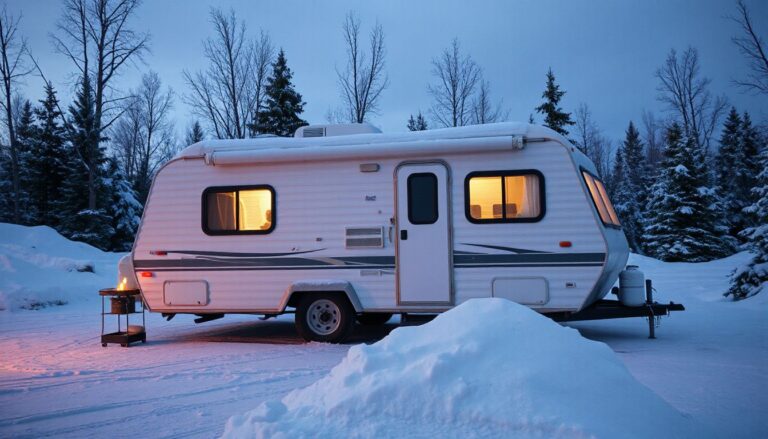
Winterizing your camper without antifreeze is not only possible—for many RV owners, it’s the preferred method. You avoid the sticky, sweet-smelling residue that can linger in your lines well into spring, and you eliminate the cost and hassle of pouring gallons of pink fluid through every fixture. The trade-off? The dry method demands precision. If even a few ounces of water remain trapped in a low spot, a hard freeze can crack a fitting, split a PEX line, or ruin a water pump.
The good news: with a basic air compressor, a blowout plug, and about an hour of focused work, you can protect your camper from freeze damage and skip the antifreeze entirely. This guide walks you through the entire process—from confirming it’s safe for your rig, to draining every tank, to blowing out lines with regulated air, to the final checks that save you from springtime surprises. You can also read our guide on how to winterize a camper to live in.
Confirm It’s Safe to Skip Antifreeze
Before committing to the dry method, ask yourself three questions. First, can you reliably remove water from every line? Second, will the camper stay sealed and undisturbed during storage? Third, can you control the air pressure you’re about to push through the system?
Skip antifreeze only if you can answer “yes” to all three. The most common reason dry winterization fails isn’t the technique—it’s the execution. A camper parked nose-low on a slope can trap water in a PEX elbow that gravity refuses to release. A forgotten exterior shower line can hold a cup of water that freezes and cracks the plastic mixer valve. For more on this, see our guide on how to clean black tank on camper 2.
Consider your climate honestly. If you’re storing the camper where temps regularly drop below 20°F for extended stretches, the margin for error shrinks. In milder climates with only occasional overnight frosts, the dry method is far more forgiving. When in doubt, check your owner’s manual—many manufacturers specify maximum recommended air pressure for blowouts, usually between 30 and 40 PSI. Exceeding that can blow out fittings or damage check valves, and no amount of careful draining will fix a burst line in spring.
Gather Your Tools and Prep the Camper
The dry method requires surprisingly little equipment, but every piece matters. You’ll need:
- Air compressor with a regulator (a pancake compressor works fine)
- Blowout plug that threads into your city-water inlet (standard RV threads)
- Adjustable wrench and screwdriver for drain plugs and access panels
- Bucket, catch pan, and old towels for residual water
- Flashlight or headlamp to inspect underbelly compartments
- Wet/dry vacuum (optional but very useful for clearing drain traps)
Before opening a single drain, prep the camper itself. Turn off the water heater at both the electric breaker and the propane valve, and let it cool completely—a hot tank can scald you when you remove the drain plug. Disconnect from city water, switch off the 12-volt water pump, and open a faucet briefly to relieve system pressure. For more on this, see our guide on how to charge camper battery 2.
Position the camper as level as possible, but with a slight nose-high tilt. This subtle angle ensures the low-point drains are truly the lowest point in the plumbing system, which helps gravity do most of the work before air ever touches the lines. Chock the wheels so the rig stays stable while you crawl underneath.
Take a few minutes to locate every access point: the fresh tank drain, low-point drains (usually one hot, one cold, beneath the rig), the water heater drain/anode rod, and the city-water inlet. If your camper has an exterior shower, a spray port, or a washing machine prep connection, locate those too—they’re notorious water traps that people forget.
Pro tip: Remove or bypass inline water filters now. A water filter cartridge holds water like a sponge, and when frozen, it can crack the housing. Plus, the cartridge itself restricts airflow, making your blowout less effective at clearing downstream lines.

Lay out your blowout plug, compressor, wrenches, and a catch pan before you start—having everything within reach makes the job faster and safer.
Drain the Fresh, Gray, and Black Systems Completely
Now it’s time to remove every gallon of water that gravity can pull out, before you introduce air. The order matters: fresh first, then black, then gray.
Fresh Water Tank and Lines
Turn off the water pump and open the fresh tank drain valve. Let it run until the stream becomes a trickle, then a drip. Open a couple of interior faucets to break the vacuum and speed drainage. While the tank drains, open both low-point drains beneath the camper—you’ll see a burst of water from the lines, followed by slower dripping.
Water Heater
The water heater is a separate task because it holds six to ten gallons of water on its own. Confirm the heater is off and cool. Open the pressure relief valve first to vent the tank, then remove the drain plug or anode rod. Water will rush out—have your bucket or catch pan ready. Leave the drain open for the rest of the winterization so any residual moisture can evaporate.
Black and Gray Tanks
Head to the dump station. Pull the black tank valve fully open and let it drain completely—don’t rush this, as solids can cling and block the outlet. Close the black valve, then open the gray valve to flush the sewer hose clean. If your camper has a built-in tank flush, run it for a few minutes, then re-dump both tanks.
While the tanks drain, tackle the hidden water traps:
- Exterior shower: Open both the hot and cold valves and leave them open.
- Spray ports (often near the kitchen): Remove the hose and drain it.
- Washer/dryer prep connections: These stub-outs hold water and freeze easily.
A common mistake here is assuming “drained” means “dry.” A tablespoon of water in an elbow fitting can still split it when frozen. Gravity gets the bulk; air will get the rest.
Purge Water Lines and Fixtures Using Air
With tanks empty, you’re ready for the core of the dry method: blowing out the lines with regulated compressed air. This is where precision beats power—the goal isn’t high pressure, it’s steady airflow that pushes water out of every low spot, valve, and faucet cartridge.
Setting Up the Blowout
Confirm the water heater is in bypass mode with its drain plug still removed. Remove any inline filter cartridges. Screw the blowout plug into your city-water inlet. Set the regulator to 30–40 PSI—never higher, and check your manual for model-specific limits. Turn on the compressor and let the pressure stabilize before opening any fixtures.
The Purge Sequence
Work one fixture at a time, starting with the farthest from the inlet and moving closer. Open the handle fully, let air rush through until only a sputter of mist comes out, then close it. Repeat for the hot side, then move to the next fixture.
A logical order:
- Kitchen faucet (cold, then hot)
- Bathroom sink (cold, then hot)
- Shower (cold, then hot)—including the exterior shower
- Toilet (hold the pedal open until only air escapes)
Pro tip: Pulse each fixture twice. Open for 10–15 seconds, close it, count to five, then open again. The pause lets water in elbows and tees migrate toward the outlet so the second burst catches it.
A common mistake is opening a faucet before the compressor reaches full pressure. That reduces line pressure and leaves branches of the system without a strong enough push. Let the compressor build pressure between each fixture, too—a small tank drains fast.
Protecting the Water Pump
The water pump itself is a freeze risk. After the faucets are dry, briefly cycle the pump for 5–10 seconds to push water out of its chamber, but don’t run it dry for long or you can damage the diaphragm. Then open the pump strainer bowl, dump any trapped water, and reinstall it hand-tight.
Protect Appliances, Traps, and Final Checks
The lines are dry, but the job isn’t finished. Water hides in places you can’t see, and those are exactly the spots that crack first.
Drain P-Traps
Every sink trap holds water. Without antifreeze, that water will freeze, expand, and split the trap—a tiny crack that causes a slow, destructive leak into your cabinets all spring. The safest dry method is to empty them completely:
- Pull sink stoppers and open cabinet doors.
- Use a wet/dry vac at each drain for 10–20 seconds to suck the trap clear.
- For stubborn traps, disconnect the slip nut and dump them manually.
The bathroom sink is the most commonly missed trap—it’s small, easy to overlook, and sits in an unheated exterior wall on many campers.
Water Heater and Filters
Double-check the water heater bypass valves are correctly set so no water can backfeed into the tank. Leave the drain open for the season. Discard any inline filter cartridges—they’re cheap to replace in spring and impossible to dry out completely.
The Final Verification Pass
Before you call it done, cycle every fixture one more time—hot, cold, and mixed. Then leave each faucet in the middle position (half-open) so no pressure can build if the camper warms up and moisture redistributes. Depress the city-water check valve briefly with a small tool and catch the drips with a towel—this releases any water trapped behind the backflow preventer.
Finish with the storage checklist:
- Close all drain valves (after verifying they’re empty) to keep pests out.
- Cap the sewer outlet and close termination handles fully.
- Shut off propane at the tank.
- Unplug shore power and decide on your battery plan—disconnect it or keep it on a maintainer.
Pro tip: Label everything. On the low-point drain handles, tape a note that reads “open in spring.” Inside the toilet, hang a tag saying “system dry—do not use.” It costs two minutes and saves you from re-draining in March.
When the Dry Method Isn't the Right Choice
The dry method is excellent—when it’s the right tool for the job. But there are honest situations where you should use antifreeze instead, and recognizing them is part of being a responsible RV owner.
If your camper has complex plumbing (multiple slide-outs with water lines, a residential refrigerator with an ice maker, or a tankless water heater), these systems trap water in ways that are hard to fully purge. If you can’t maintain a consistent storage environment and the camper will shift position during winter winds, hidden pockets can re-appear. And if you're simply unable to spend an hour on the full process without rushing, antifreeze is the more forgiving option.
Many experienced RVers use a hybrid: dry-blow the lines, then pour a small amount of RV antifreeze down each drain trap and into the toilet—just enough to protect the traps, not the full system. That gives you the best of both worlds.
Frequently Asked Questions
Can I use a shop vac instead of an air compressor to blow out the lines?
A shop vac pulls air; it doesn’t blow with enough pressure or volume to purge water from the lines. You need a compressor with a regulator. A pancake compressor with a 1–2 gallon tank and adjustable pressure is ideal and affordable.
What PSI should I use to blow out the camper's water lines?
Set your regulator to 30–40 PSI. Never exceed the manufacturer’s recommendation in your owner’s manual. Higher pressure can blow out PEX fittings, damage check valves, or split the water heater bypass. Steady, low pressure is more effective than short, high-pressure bursts.
Do I still need to drain the water heater without antifreeze?
Yes, absolutely. The water heater holds 6–10 gallons of water and is the single biggest freeze risk in the camper. Even with a bypass kit installed, the tank itself must be drained and left empty. Remove the drain plug or anode rod and leave it out for the season.
What happens if I leave water in the lines and it freezes?
Water expands roughly 9% when it freezes. That expansion can split PEX lines, crack plastic fittings, rupture the water pump, and destroy the water heater tank. The damage is often invisible until spring, when you pressurize the system and discover leaks everywhere at once.
Is skipping antifreeze safe for the toilet and drain traps?
The toilet valve and each sink trap still hold water after line purging. Without antifreeze, you must physically remove that water—vacuum the traps dry and hold the toilet pedal open until the seal is dry. Some owners prefer using a cup of antifreeze in each trap as a simple compromise.
How long does the dry winterization method take?
For a standard travel trailer, plan on 60–90 minutes the first time. Once you know exactly where all your drains and access points are, subsequent years take about 30–45 minutes. The time is split roughly between draining (gravity does the work) and the blowout sequence.
Conclusion
Skipping antifreeze isn’t a shortcut—it’s a discipline. The dry method rewards you with clean, taste-free water in spring and zero chemical residue, but only if you drain completely, purge systematically, and verify every hidden water trap. The last ten minutes of checks are more valuable than the first hour of draining.
Your next step is simple: schedule a 10-minute post-freeze inspection. After the first hard night below 32°F, walk through the camper and cycle every faucet one more time. If each one spits only air, you’re done for the season. If you see even a small garble of water, you’ve caught the problem before it cracked anything—and you can correct it on the spot.
With your plumbing safely put to bed, take a moment to inspect the rest of the rig for winter—checking your roof for leaks in advance will save you from bigger surprises down the road. Store the camper with confidence, knowing you’ve done the job right.