Best Anchor for Pontoon Boat: Top Picks for Safe Holding
Best Anchor for Pontoon Boat: Top Picks for Safe Holding comes down to matching the anchor style to real lake and river conditions. Wind shifts, waves, and soft bottoms can pull a pontoon off its spot faster than you expect. The right fluke, screw, or spike keeps the deck stable.
The Galvanized Fluke Anchor 8 LB tops our list for most pontoon owners. It balances holding power, easy handling, and compact storage better than anything else we reviewed. On sand and mud, its flukes bury quickly and reset without a fight. You can also read our guide on best family boat for lake.
Comparison Chart of Best Anchor for Pontoon Boat: Top Picks for Safe Holding
| Product | Details | Rating | Buy |
|---|---|---|---|
|
Editor’s Choice

|
Galvanized Fluke Anchor 8 LB (12-22 ft boats) |
★★★★☆4.8/5 |
Check on Amazon |
|
Top Pick
|
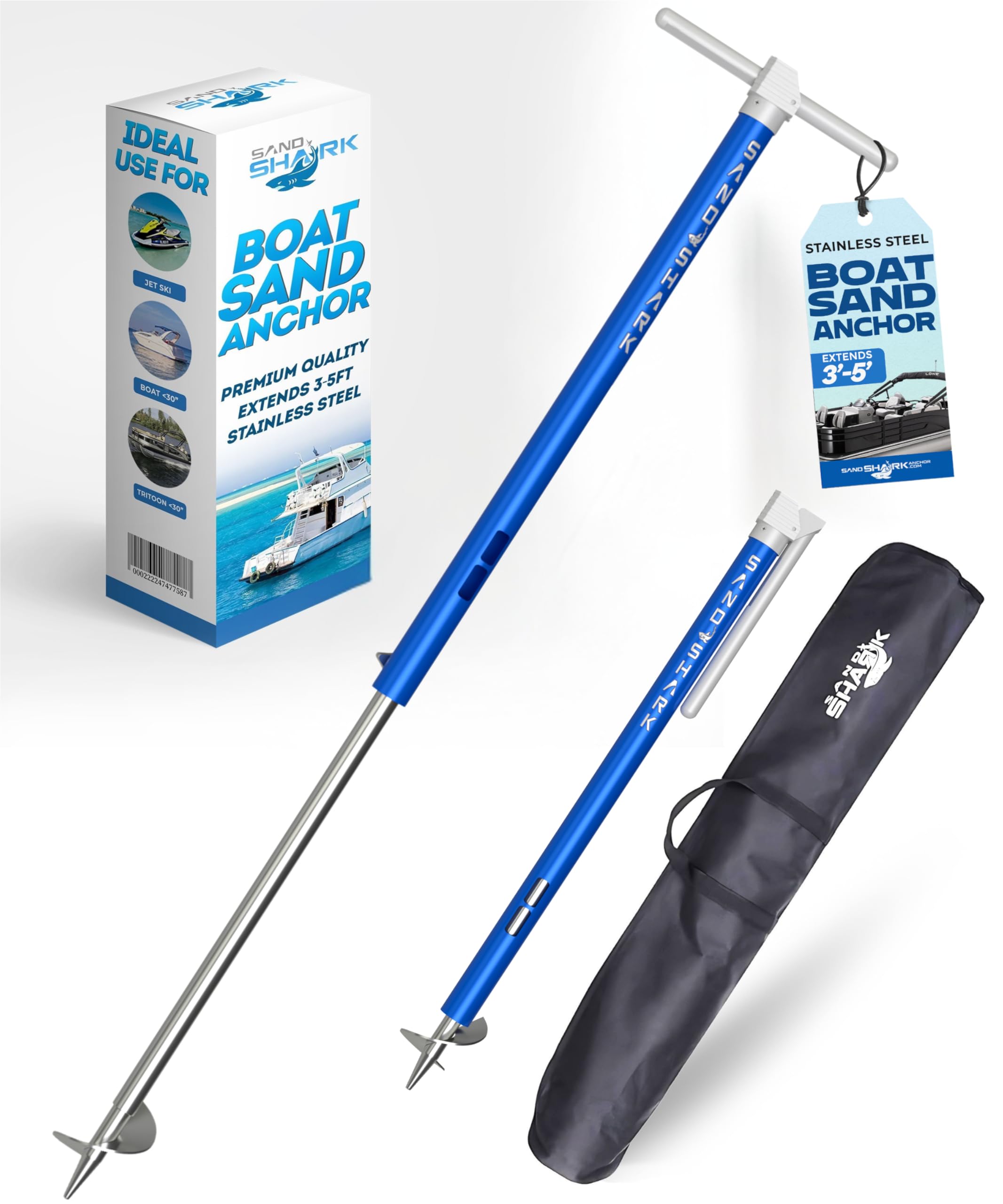
SandShark Anchor XL (Blue) |
★★★★☆4.5/5 |
Check on Amazon |
|
Best Budget

|
Extreme Max BoatTector Vinyl-Coated River Anchor 30 lbs |
★★★★☆4.7/5 |
Check on Amazon |
|
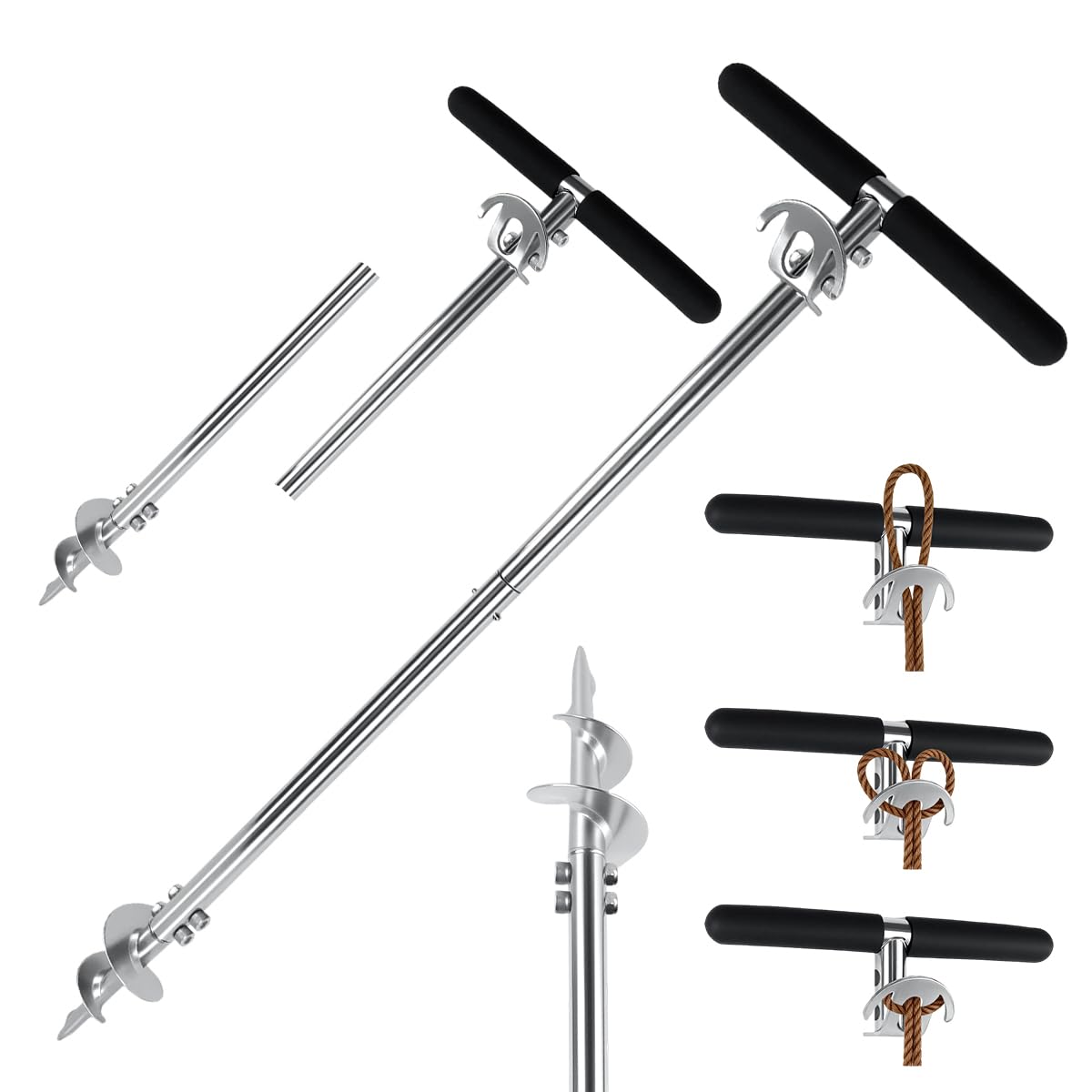
Stainless Screw-In Sand Anchor with 32 ft Rope |
★★★★☆4.4/5 |
Check on Amazon |
|
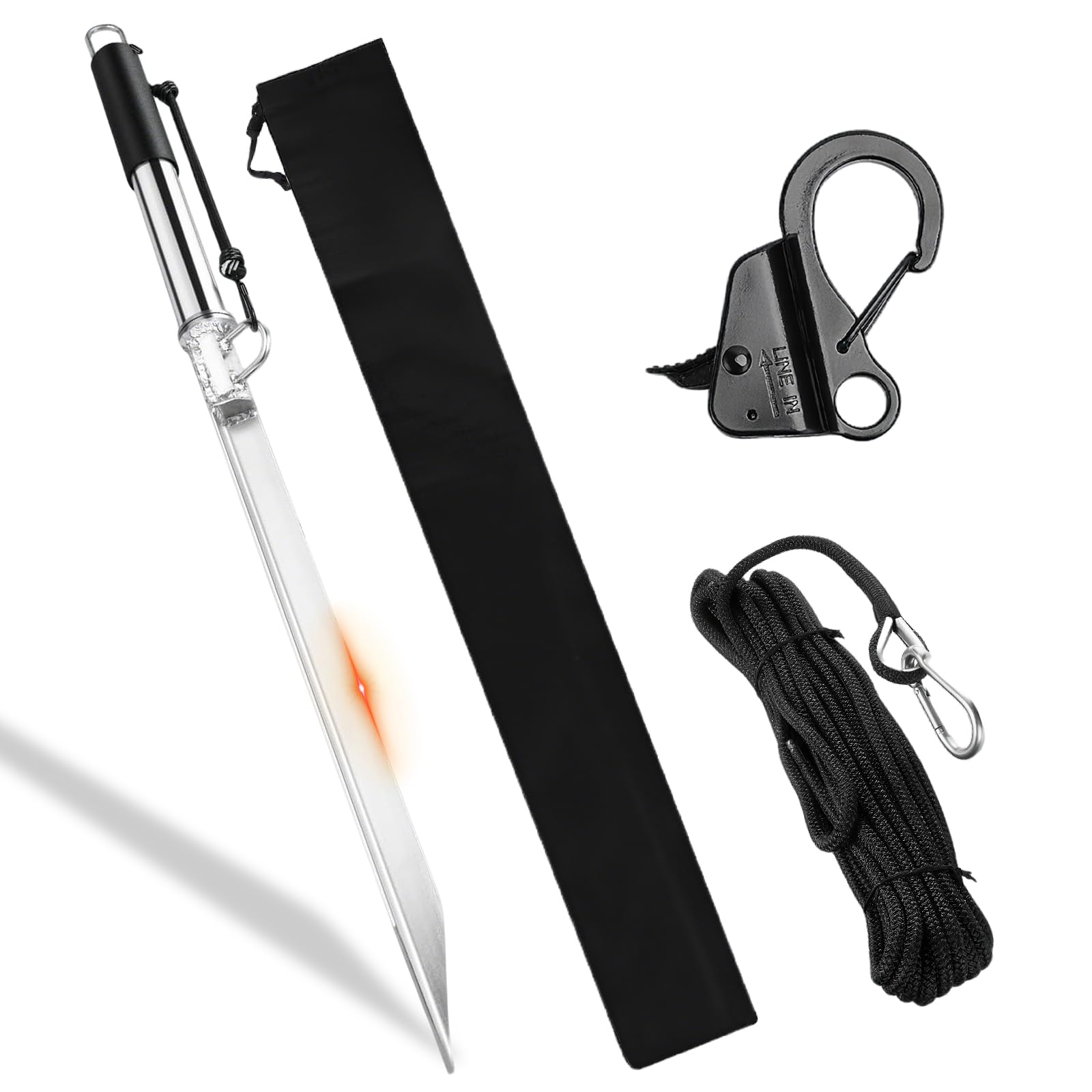
Self-Hammering Sand Spike Anchor Pole with 50 ft Line |
★★★★☆4.4/5 |
Check on Amazon |
|
Better Boat Fluke Anchor Kit with Rope and Chain |
★★★★☆4.4/5 |
Check on Amazon |
|
Attwood Solid Cast Iron 15 lb Anchor |
★★★★☆4.4/5 |
Check on Amazon |
|
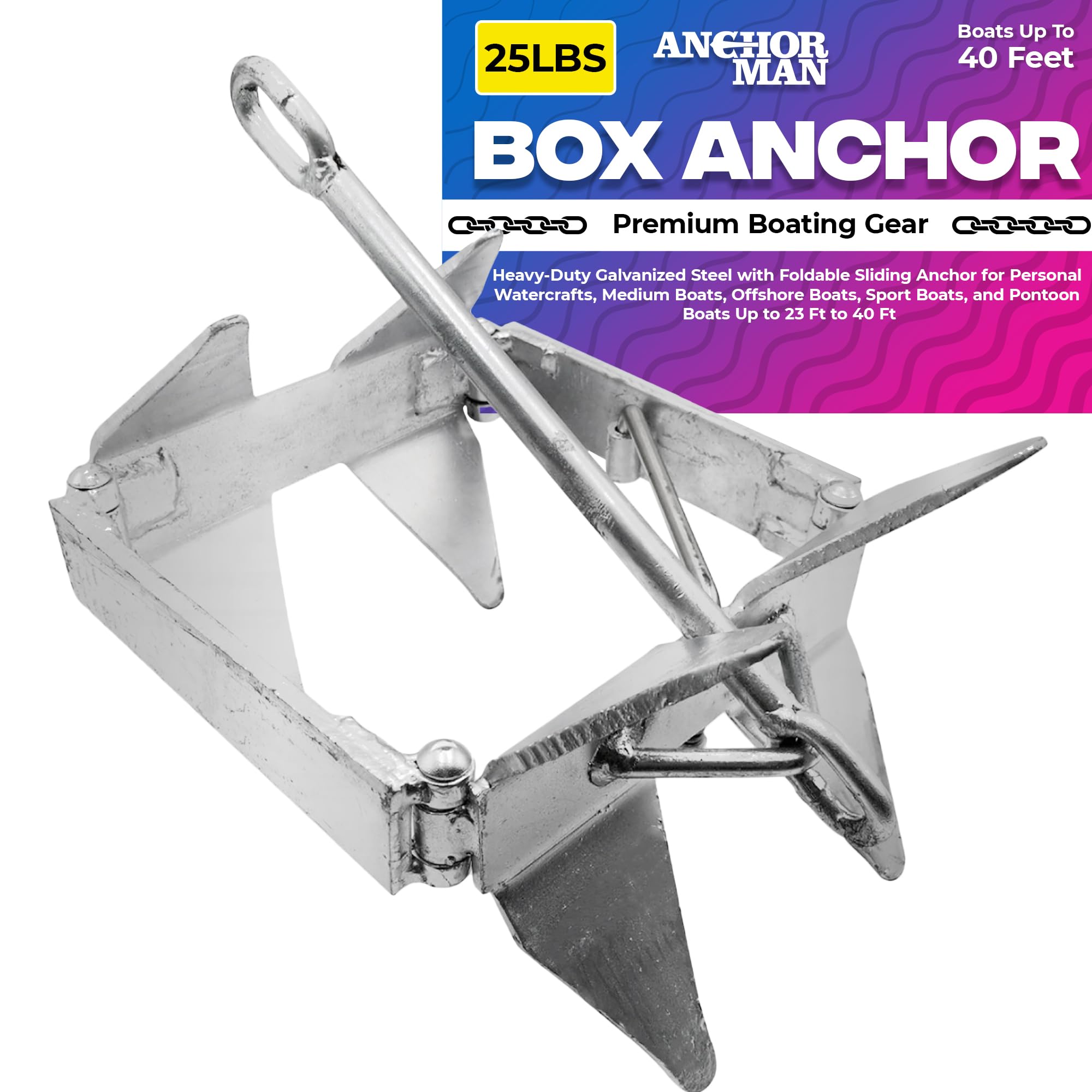
Anchor-Man Galvanized Folding Slide Box Anchor |
★★★★☆4.4/5 |
Check on Amazon |
|
Galvanized Folding Box Anchor with Rope |
★★★★☆4.4/5 |
Check on Amazon |
|
Screw-In Sand Anchor Pole for Shallow Water |
★★★★☆4.4/5 |
Check on Amazon |




List of Top 10 Best Anchor for Pontoon Boat: Top Picks for Safe Holding
We sorted these ten anchors by how well they solve the problems pontoon owners actually mention: drifting, awkward storage, rust, and poor bite on soft bottoms. Each pick was checked against its listed specs, buyer feedback, and the typical deck layout of a pontoon. That keeps the shortlist practical rather than theoretical.
Below are the list of products:
1. Galvanized Fluke Anchor 8 LB (12-22 ft boats)
Why it made the list
This is the most balanced option for pontoons because the 8 lb weight suits 12-22 ft boats and the fluke shape bites sand and mud. Buyer feedback praises how little effort it takes to reset. It also avoids complicated hinges and bulky frames.
Key specs
- Type: Fluke anchor
- Material: Galvanized steel
- Weight: 8 lb
- Size guidance: 12-22 ft boats
- Rope included: Not specified
- Chain included: Not specified
Real-world experience
At 8 lb, this anchor is easy to carry from bow to stern and won't strain a small rail. Set it off the front gate and manage a slow drift while the flukes seat. Give it enough scope, then pull tight once it digs.
- 8 lb stays light enough for quick reset
- Fluke design digs into sand and mud
- Galvanized steel slows corrosion
- Fits the 12-22 ft pontoon range
- No rope or chain included
- Flukes can skate on hard, rocky bottom
- ✔ You anchor on sandbars, coves, or soft mud
- ✔ You want a manageable 8 lb weight for daily use
- ✔ You already have rope and chain on board
- ✖ You need heavy holding in strong river current
- ✖ You regularly set on rock ledges
This pick beats heavier flukes when easy handling matters as much as hold. It loses to box anchors only when you face constant wind shifts and need an anchor that re-sets on its own.
2. SandShark Anchor XL (Blue)
Why it made the list
This XL screw-in design is the best shallow-water companion for pontoons that spend weekends on sandbars. Its stainless steel body resists corrosion, and the included carry case keeps sand off the deck. It thrives wherever flukes struggle to find a bite.
Key specs
- Type: Screw sand anchor
- Material: Stainless steel
- Size: XL
- Best use: Shallow water
- Rope included: Not specified
- Carry case: Included
Real-world experience
You can step off the deck, twist the screw in near shore, and set a line without hauling a heavy iron anchor. The stainless body rinses clean after a beach day. Repositioning is fast when the group wants to move, and the case avoids sand mess.
- Screw thread holds firmly in packed sand
- Stainless steel resists rust and staining
- Carry case keeps storage neat
- Designed for shallow water and beaches
- Length and diameter are not listed
- Rope and mounting hardware not included
- ✔ You anchor mostly on sandy beaches and sandbars
- ✔ You want a clean carry case on board
- ✔ You like repositioning without heavy lifting
- ✖ You need dependable hold in rock or clay
- ✖ You anchor in deeper water with limited access to the bottom
Choose the SandShark when the day plan is sandbar time. It is not a do-everything anchor, but its sand grip and storage convenience beat the fluke picks in shallow water.
3. Extreme Max BoatTector Vinyl-Coated River Anchor 30 lbs
Why it made the list
This is the pick for pontoon owners who lose sleep over drift in current and wind. The 30 lb mass keeps a wide-beam deck planted, while the vinyl coating protects the bow and deck from scrapes. It is the most no-nonsense heavy anchor in the lineup.
Key specs
- Type: River anchor
- Material: Vinyl-coated
- Weight: 30 lb
- Rope included: Not specified
- Chain included: Not specified
- Best for: Current and mixed bottoms
Real-world experience
Drop this anchor when the wind picks up and the boat starts to swing. The weight settles fast and the coating cuts down on clunks against the hull. You will need a solid rope and a clear lift path, because 30 lb is a real workout at the end of a long day.
- 30 lb weight resists drift in wind and current
- Vinyl coating reduces scuffs and noise
- Simple design with no folding parts to jam
- Good for mixed and rocky bottoms
- Heavy to lift and store on a pontoon
- Rope and chain not included
- ✔ You often anchor in rivers or wind-exposed lakes
- ✔ You prefer weight over tricky setting angles
- ✔ You have a solid rope and cleat setup
- ✖ You want to move the anchor by hand often
- ✖ Your storage space is too tight for a heavy unit
Keep this one in mind when stability matters more than convenience. It beats the fluke anchors in current, but it should stay onboard only if you have the strength and storage to handle it.
4. Stainless Screw-In Sand Anchor with 32 ft Rope
Why it made the list
This screw-in anchor bundles a 304 stainless steel shaft with a 32 ft rope, so you can tie off immediately after setting. The stainless build resists corrosion better than plated steel. It is an efficient shallow-water kit for sandbar stops.
Key specs
- Type: Screw sand anchor
- Material: 304 stainless steel
- Rope included: 32 ft rope
- Best use: Shallow water
- Crossbar: Included for leverage
- Suitable for: Pontoons, kayaks, jet skis
Real-world experience
Twist it down until the helix disappears, then keep your pull angle low and steady. The crossbar adds leverage and the 32 ft rope gives enough reach to a stern cleat. Wakes can pop a short anchor loose, so check the set after a big boat passes.
- 304 stainless steel offers strong corrosion resistance
- Crossbar improves twist leverage
- 32 ft rope is included
- Compact shape stores easily
- Weak bite in rock or gravel
- Short rope limits deeper anchoring
- ✔ You want a ready-to-tie sand anchor kit
- ✔ You anchor on packed sandbars and beaches
- ✔ You value a compact stainless build
- ✖ You anchor in rocky or weedy coves
- ✖ You need a long rode for deep water
This kit wins over the SandShark XL when you want the rope included and a 304 stainless shaft. It loses ground when you need more scope or a different bottom type.
5. Self-Hammering Sand Spike Anchor Pole with 50 ft Line
Why it made the list
This spike anchor solves the slow screw-twist problem by letting you hammer it into sand. The included 50 ft line gives more reach than most compact anchors. It is ideal for quick beach stops and shallow coves.
Key specs
- Type: Spike anchor pole
- Material: Stainless steel
- Line included: 50 ft line
- Hook included: Yes
- Best use: Beach and sandbar
- Self-hammering design: Yes
Real-world experience
Drive the spike deep until it feels solid, then tie off with a low pull angle. The 50 ft line lets you reach a cleat without relocating the boat. A hard wake can loosen a spike in soft sand, so a quick re-drive keeps things secure.
- Self-hammering design speeds placement
- Stainless steel resists corrosion
- 50 ft line is generous for short stops
- Slim profile stores without taking deck space
- Can loosen in soft churned sand
- Poor hold in rock or gravel
- ✔ You stop at beaches and sandbars often
- ✔ You want the fastest possible setup
- ✔ You have space for a slim pole
- ✖ Your anchorage gets heavy wake traffic
- ✖ You need reliable hold in hard or rocky bottom
This beats the screw-in anchors on setup speed and included line length. It is not the choice for rough weather, but for calm shallows it is hard to beat.
6. Better Boat Fluke Anchor Kit with Rope and Chain
Why it made the list
This kit brings the full package: fluke anchor, rope, and chain, so you can set up correctly on the first try. The hot dip galvanized steel and 8.5 lb weight suit smaller pontoons. It is a strong all-around option for sand and mud.
Key specs
- Type: Fluke anchor kit
- Material: Hot dip galvanized steel
- Weight: 8.5 lb
- Rope included: Yes
- Chain included: Yes
- Best use: Sand and mud
Real-world experience
Lower it slowly to avoid tangling the rope and chain, then back down gently to set. The chain keeps the pull angle low, which helps the flukes bite and reduces yanks from wakes. Watch for dragging after a wind shift, then reset with a short pull.
- Fluke design bites well in sand and mud
- Chain improves the set angle
- Hot dip galvanized finish resists corrosion
- Kit includes both rope and chain
- Can clog up in thick weeds
- Needs proper scope to hold
- ✔ You want a complete rig out of the box
- ✔ You anchor on sand and mud flats
- ✔ You want a low pull angle from the chain
- ✖ You fish heavy weed beds regularly
- ✖ You need a heavier anchor for strong current
This kit beats the bare Galvanized Fluke Anchor when you want rope and chain included. It falls behind when the wind keeps shifting, because a box anchor resets more reliably in that situation.
7. Attwood Solid Cast Iron 15 lb Anchor
Why it made the list
This is the straightforward pick for pontoon owners who want a simple, heavy anchor without extra parts. The 15 lb cast iron body sits solidly on a range of bottoms and stores without moving pieces. Its no-frills design keeps the cost down for calm-water boating.
Key specs
- Material: Solid cast iron
- Weight: 15 lb
- Type: One-piece anchor
- Finish: Black painted
- Rope included: Not specified
- Chain included: Not specified
Real-world experience
Give this anchor extra scope and it holds better than its plain shape suggests. Back down gently and let the weight find a groove before tying off tight. Rinse it after saltwater trips, because cast iron will surface-rust faster than galvanized steel.
- 15 lb mass helps resist drift
- Solid one-piece body has no hinges
- Simple shape stores easily
- Works with any rope and chain setup
- Cast iron can rust over time
- Less bite than fluke designs
- ✔ You anchor in calm lakes and coves
- ✔ You want a basic anchor without moving parts
- ✔ You already have rope and chain onboard
- ✖ You face strong current or rough water
- ✖ You anchor in soft sand that needs fluke bite
The Attwood wins purely on simplicity and value for calm water. It loses to the fluke anchors when the bottom is soft or the wind builds late in the afternoon.
8. Anchor-Man Galvanized Folding Slide Box Anchor
Why it made the list
The Anchor-Man folding slide box anchor is built for pontoons that swing in shifting wind. Its hot dipped galvanized steel resists corrosion, and the 13 lb base weight suits smaller decks. The foldable cube shape stores much flatter than a fixed river anchor.
Key specs
- Type: Slide box anchor
- Material: Hot dipped galvanized steel
- Weight: 13 lb (19 lb and 25 lb options)
- Best use: Offshore and wind shifts
- Foldable: Yes
- Rope included: Not specified
Real-world experience
Drop it flat on the bottom and ease back until the cube buries itself. The box profile resists rotation when the wind shifts the bow, which cuts down on re-setting. Rinse the hinges after sandy use so grit does not bind the folding action.
- Cube shape resists rotation in wind shifts
- Foldable body saves storage space
- Hot dipped galvanized finish resists corrosion
- Multiple weight options fit boat size
- Hinges can bind with sand
- Mud suction can slow retrieval
- ✔ You anchor where the wind shifts direction often
- ✔ You want a flat-folding anchor for storage
- ✔ You like choosing from multiple weight options
- ✖ You anchor mostly on rocky ledges
- ✖ You want the lightest possible gear onboard
This is the pick when constant wind shifts keep dragging flukes loose. It demands more hinge care than a one-piece anchor, but the holding consistency pays off on exposed water.
9. Galvanized Folding Box Anchor with Rope
Why it made the list
This galvanized folding box anchor comes with rope included, giving you a ready-to-rig kit for sand and mud. The hot-dipped steel and cube shape deliver strong resistance to drag. Multiple weight options let you scale up for a larger pontoon.
Key specs
- Type: Slide cube anchor
- Material: Hot-dipped galvanized steel
- Weight: 13 lb (19 lb and 25 lb options)
- Rope included: Yes
- Chain included: Not specified
- Best use: Sand and mud
Real-world experience
The included rope speeds up setup, but plan to add a short chain for a better pull angle. Lower the anchor and back down gently so the cube buries itself. Rinse the folding joints after each trip to keep them moving freely.
- Box shape holds well in sand and mud
- Folding frame saves storage space
- Rope included for quick rigging
- Multiple weight options available
- No chain included for ideal set angle
- Joints can trap sand
- ✔ You want a ready-to-go box anchor kit
- ✔ You anchor on sandy and grassy flats
- ✔ You may want to upsize later
- ✖ You want a chain-ready rode out of the box
- ✖ You prefer a fixed anchor with no moving parts
This kit beats the Anchor-Man on convenience because the rope is included. It trails the Better Boat fluke kit when you want a properly chained rode for better biting angles.
10. Screw-In Sand Anchor Pole for Shallow Water
Why it made the list
This screw-in pole is the most straightforward shallow-water option for sandbar days. The multiple length choices, including a 38 inch version, suit different water depths and hull sizes. It stores slim and avoids the clunk of heavy iron.
Key specs
- Type: Screw anchor pole
- Length options: Multiple, with 38 inch common
- Material: Not specified
- Rope included: Not specified
- Best use: Shallow water and sandbars
- Design: Helix twist-down
Real-world experience
Twist the helix into packed sand until it feels solid and keep your pull angle low. A high line angle can lever the pole loose when a wake hits. Since the material is not clearly listed, rinse and inspect it often, especially in brackish water.
- Screw-in design sets quickly in sand
- Multiple lengths fit different depths
- Pole style stores cleanly
- Good for shallow sandbars
- Material specs are unclear
- Poor bite in rock or heavy mud
- ✔ You only anchor on sandbars
- ✔ You want a slim storage shape
- ✔ You need different lengths for varied depths
- ✖ You boat in brackish water where corrosion matters
- ✖ You anchor on rocky or muddy bottoms
This is a fine value sandbar tool, but the missing material details make long-term durability a guess. Choose the stainless SandShark instead if corrosion resistance is a top concern.
How I picked
To build this list, I compared anchors across the styles pontoon owners actually use: fluke, screw-in, spike, river, and box designs. For each product I pulled the verified listing specs, including weight, material, and whether rope or chain was included. I then read buyer-review patterns to spot which anchors drag, which rust, and which are hard to reset from a wide-beam deck.
I matched each anchor to a real pontoon scenario instead of a generic boat profile. A 22 ft boat on a windy lake needs different holding power than a 20 ft deck parked on a sandbar. I also weighed storage math, because a bulky anchor steals seating and deck space fast on pontoons. Anchors that fold flat or include a carry case earned extra credit, and I considered the full boat lifecycle from daily use to the day owners start planning how to sell an older boat.
Before finalizing, I checked federal boating safety guidance on anchoring, rode length, and scope. I also considered how routine upkeep affects gear longevity, since salt, sand, and mud shorten anchor life quickly. Every product is rated on performance, ease of use, durability, and value, with honest tradeoffs in the pros and cons. The final order prioritizes dependable holding in the conditions each anchor was designed for.
Buying guide: what actually matters for Best Anchor for Pontoon Boat: Top Picks for Safe Holding
Anchor weight and boat length
Pontoon weight and windage are both higher than a similar-length runabout. An 8.5 lb fluke works for small decks in calm coves, while a 15 lb or heavier anchor gives more security on windy lakes. The key is matching anchor weight to boat length and typical conditions rather than to the hull alone. Starting with the right pontoon for your budget makes the anchor choice easier.
Holding ground: sand, mud, rock, and weeds
Fluke anchors excel in sand and soft mud. Screw-in and spike styles are specialized for packed sandbars. River anchors rely on mass and hold more consistently in current and mixed bottoms. Box anchors grip across many bottom types and reset well when the wind shifts. No single style works everywhere, so match the anchor to the bottom you use most.
Rode, chain, and scope
A proper rode absorbs shock and keeps the hull from snubbing. Chain lowers the pull angle at the anchor shank, which helps flukes dig and stay set. A working rule is a scope of at least 5:1 in calm water and 7:1 on windy days. Short-rope kits work for sandbars but limit deeper anchoring.
Storage and deck protection
Pontoon decks are built for lounging, not long-term cargo. Folding box anchors and slim spike poles store far better than fixed heavy shapes. Vinyl-coated river anchors reduce scuffs when they swing against the hull. A carry case or dedicated locker keeps sand off the deck carpet and out of the upholstery.
Corrosion resistance and hull care
Galvanized steel handles freshwater well and resists rust far better than plain iron. Stainless steel is the better choice for brackish or saltwater use. Cast iron anchors are budget-friendly but will surface-rust fast in salt. Rinse every anchor after a day on the lake, check marine weather forecasts before heading out, and consider refinishing an aluminum hull if corrosion sets in on the boat itself.
Frequently Asked Questions (FAQ)
What is the best anchor for pontoon boat use in sandbars and shallow flats?
A screw-in sand anchor or spike pole works best in firm sand. Both hold well in shallow water and avoid chain drag. If the bottom is soft mud instead, use a fluke anchor with chain for a better set.
How much anchor weight does a pontoon boat need?
Match the anchor weight to boat length, wind, and current. Fluke anchors in the 8 lb to 15 lb range cover most small decks. Add chain for better bite, and keep a reliable casting setup ready so you can enjoy the spot once it holds. Choose a heavier river anchor if you regularly anchor in current.
Will a box or cube anchor hold a pontoon in wind shifts?
Yes. Box anchors grip across more bottom types and can reset when the wind swings the boat. The tradeoff is bulk. If compact storage matters more than automatic resets, a fluke anchor is easier to manage.
Do you need chain with a fluke anchor kit?
Chain helps flukes dig and stay set by lowering the pull angle. It also smooths out jerks from waves and wakes. In calm coves you can use less chain, but on gusty days more chain improves holding.
What anchor works best in rocky bottoms or heavy current?
A vinyl-coated river anchor handles rock and current better because it relies on weight and contact area. Screw-in and spike anchors should be avoided on rock. For long offshore holds, a box anchor is a stronger choice.
Final verdict
The Galvanized Fluke Anchor 8 LB is our top pick because it balances easy handling, corrosion resistance, and dependable bite on the bottoms most pontoons anchor on. The Extreme Max BoatTector Vinyl-Coated River Anchor 30 lbs is the runner-up for windy lakes and current. If budget is the priority, the Attwood Solid Cast Iron 15 lb Anchor handles calm water without fuss.
Affiliate disclosure: This post contains affiliate links. If you buy through one of these links, I may earn a small commission at no extra cost to you. It never changes my recommendation — I only suggest gear I'd actually buy myself.