How To Get Rid Of An Old Boat: 7 Proven Removal Options
An old boat that no longer runs, leaks, or simply costs more to store than it’s worth can quickly turn from a weekend companion into a financial and legal headache. Marina fees keep stacking up, hulls deteriorate, and abandoned vessels can leak fuel, oil, and battery acid into local waterways. If you have a boat sitting idle, you are not just losing money—you may also be carrying environmental and legal liability.
The good news is that getting rid of an old boat is a solvable problem. The key is matching your boat’s condition, your timeline, and your local rules to the right removal method. A boat with a running engine and clean title belongs on the private market, while a cracked hull with seized systems may only be suitable for recycling or scrap. You can also read our guide on what age can you drive a boat by yourself.
This guide walks through seven proven removal options, the preparation work required before any handoff, and the paperwork that protects you long after the boat leaves your driveway or slip.
Before You Start: Why This Process Needs Planning
Boat disposal differs from getting rid of an old couch or a broken lawnmower. A boat contains hazardous materials—gasoline, engine oil, antifreeze, lead-acid batteries, and sometimes propane or pressurized cylinders. If you skip proper draining and battery removal, most reputable haulers, charities, and recycling yards will refuse the vessel. In a worst-case scenario, a spill during transport can trigger environmental cleanup costs that far exceed the value of the boat itself. For more on this, see our guide on best pontoon boat for the money.
A second reason to plan ahead is provenance. In many states, proving you have the legal right to dispose of a vessel matters as much as the physical removal. Scrapyards, donation programs, and government-run turn-in events often require a title, registration, or an approved ownership-verification document before they will accept a hull.
In practice, a common mistake is treating disposal as a one-day event. It is actually a short chain: verify ownership, drain and secure the vessel, choose a removal path, arrange transport, and retain proof of final disposition. Missing any link in that chain is what causes stalled pickups and repeat towing fees.
For a broader look at vessel care before disposal, you may find it useful to review routine boat cleaning practices, since a partially restored boat is often easier to sell or donate.
Step 1: Verify Ownership and Check Local Rules
Before contacting any buyer, charity, or scrapyard, confirm that you can legally transfer the boat. The primary document is the title, but current registration, a bill of sale, or marina records can also support your claim.
Start by gathering every document that lists the boat’s hull identification number (HIN) and your name. The HIN is usually stamped on the starboard side of the transom. If the title is lost, contact your state’s boating agency or motor vehicle department to request a replacement or an acceptable substitute document before scheduling pickup.
Local disposal rules vary. Some counties require proof of decommissioning—fuel drained, batteries removed—before a landfill or transfer station will accept a hull. Others mandate that boats be cut into sections if transported over certain roads. A quick call to your local solid waste authority or harbor master can prevent a wasted towing trip.
Quick ownership checklist:
- Locate the title, registration, and any bill of sale.
- Photograph the HIN and current condition of the boat.
- Call the harbor master for marina slips or the waste authority for disposal rules.
- Confirm whether a title replacement or lien release is needed before transfer.
- Ask for written acceptance requirements from the receiving facility.
If a bank still holds a lien on the boat, resolve the lien release first. Scrapyards and recyclers will not accept a hull with an unresolved security interest.
Step 2: Decommission the Boat Safely
Decommissioning is the part most people skip, and it is also the part that causes the most expensive failures. A boat that still contains fuel, oil, or a cracked battery is a mobile spill risk. Proper preparation makes your boat acceptable to more buyers and facilities, which widens your removal options.
Drain Fluids Completely
Fuel, engine oil, gear oil, coolant, and bilge water must all be captured in approved, labeled containers. Even a “dry” tank can hold flammable vapor and a quart of trapped sludge, so treat every line as potentially live. Use absorbent pads under all disconnect points. Place drained fluids into sealed containers and take them to a household hazardous waste collection site or a licensed handler.
Remove Batteries and Hazardous Items
Disconnect and remove all batteries, then store them upright in a plastic tray to prevent acid leaks. Remove propane tanks, flares, fire extinguishers, and any pressurized cylinders. These items should never be left aboard for a tow.
Secure Loose Components
Close and latch hatches, stow or remove loose hardware, and pad sharp edges that could damage a trailer or injure a worker. If the windshield or railings protrude, remove them or mark them clearly.
A practical benchmark: a 25-foot fiberglass boat can typically be decommissioned in three to four hours by one person with the right containers and tools. The most time-consuming step is usually draining and wiping the bilge until no sheen remains.
For guidance on preparing a boat you may still use during the season, reviewing proper exterior cleaning methods can help you assess which components are worth selling or salvaging before disposal.
The 7 Proven Removal Options
1. Sell It Privately
If the boat runs or is close to running, a private sale usually recovers the most money. List it on a boating marketplace or local classifieds with honest photos of the hull, engine, interior, and any soft spots or leaks. Disclose known issues in writing, since misrepresentation can create liability even after the sale.
Private sales work best when you can demonstrate the engine starts and the boat can be tested. If a test is not possible, price accordingly and expect interest to drop sharply.
A realistic price for a running but rough 20-year-old runabout might be $1,000 to $3,000, while a non-running hull rarely brings more than scrap value. The title must be transferable, and you should complete a signed bill of sale even for a low-dollar cash transaction.
2. Donate It to a Charity
Boat donation programs accept vessels of many conditions, including non-running boats, but they almost always require that the boat be decommissioned first. National organizations with established marine donation arms often schedule free pickup and handle the title transfer paperwork.
The main benefit is that you avoid the hassle of selling and may qualify for a tax deduction based on the boat’s fair market value or the charity’s eventual sale price. The main drawback is that deductions require itemizing, and you must obtain a written acknowledgment from the charity.
Before donating, confirm three things: the organization accepts boats in your condition, pickup is actually free, and the charity provides a signed donation receipt at the time of pickup.
3. Recycle the Hull
Fiberglass recycling has expanded in recent years, though availability still varies heavily by region. Some coastal states host fiberglass grinding programs that turn old hulls into filler for cement or road base. Metal boats—aluminum or steel—are more straightforward to recycle because established scrap markets exist.
Contact local boatyards and marine recyclers to ask whether they accept fiberglass hulls and whether they require the hull to be cut into sections before drop-off. If a dedicated boat recycler is not nearby, a general construction and demolition recycler may accept a stripped, cut hull, but you must confirm the material type and size limits first.
4. Scrap It for Metal Value
For aluminum and steel boats, scrapping is often the fastest and cheapest removal route. A scrapyard pays by weight after you remove all non-metal components, including foam flotation, wood trim, upholstery, wiring, and fiberglass parts.
The challenge is that few scrapyards will accept a whole boat. In practice, you or a hired contractor will need to cut the hull into manageable sections and deliver the metal separately from the non-metal waste. The effort can still pay off for a large aluminum hull, where material value may cover the labor and leave a small return.
5. Use a Junk Boat Removal Service
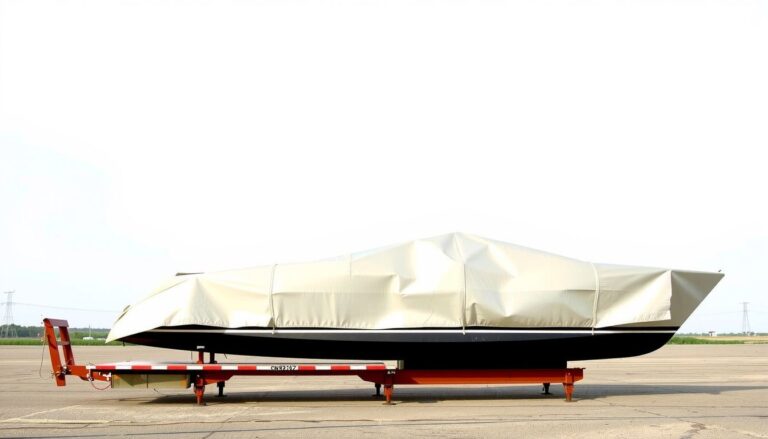
Specialized boat removal companies handle the entire process: decommissioning, hauling, and disposition. This is the best option when the boat is non-running, sitting on a trailer that no longer rolls, or located somewhere difficult to access.
Expect to pay several hundred to a few thousand dollars depending on boat size, location, and whether a crane is required. Always request a written quote that itemizes decommissioning, towing, and disposal fees. Confirm the company is licensed and provides a final disposal certificate.
6. Surrender It Through a Government Turn-In Program
Some states and coastal counties run vessel turn-in or abandoned boat programs that accept unwanted boats at no charge or reduced cost. These programs are often funded to prevent abandoned vessels from becoming navigational hazards.
Availability is inconsistent. Some programs run year-round, while others only open during specific windows or when grant funding is available. Search for your state’s boating agency or department of natural resources to see whether a vessel turn-in option currently exists in your area. When available, this is often the lowest-cost compliant route.
7. Part It Out, Then Dispose of the Shell
If you have time and mechanical ability, stripping and selling salvageable components before scrapping the hull can recover meaningful value. Outboard motors, controls, electronics, stainless hardware, trailers, and even windshield frames often sell faster than a whole non-running boat.
Once the valuable parts are gone, the remaining hull can go to a recycler, scrapyard, or turn-in program. Keep in mind that parting out a boat adds weeks to the timeline and requires secure storage for the removed parts, so it is best suited to owners with workspace and patience.
Option Comparison at a Glance
| Removal Option | Best For | Time to Complete | Typical Cost | Money Back |
|---|---|---|---|---|
| Private sale | Running or near-running boats | 1 to 6 weeks | Listing fees | Highest |
| Donation | Non-running boats, tax benefit | 1 to 3 weeks | Usually free pickup | Tax deduction |
| Recycle | Fiberglass or metal hulls | 1 to 2 weeks | Varies | None |
| Scrap | Metal hulls only | 2 to 7 days | Transport and cutting | Scrap metal value |
| Junk removal service | Difficult access, no trailer | 3 to 10 days | $500 to $3,000+ | None |
| Government turn-in | Budget-minded, hulls of any type | Program-dependent | Low or free | None |
| Part out | Mechanically inclined owners | 3 to 10 weeks | Storage and time | Component sales |
If you are weighing whether to dispose of a boat that still has cosmetic or mechanical issues, reviewing proper boat carpet cleaning methods can help you decide which interior pieces may still hold resale value.
Step 3: Handle Transport and Final Paperwork
Once you have chosen a removal path, arrange pickup in writing. If the boat is on a trailer, confirm the trailer is roadworthy and that the towing vehicle is rated for the combined weight. If the boat is in the water, confirm whether the hauler provides dockside crane service or requires you to arrange a haul-out.
The transfer documents must all reference the same HIN and owner name. A private sale uses a bill of sale. A donation uses a written receipt from the charity. A scrap or recycling drop-off should include a signed release and, when possible, a disposal manifest.
After the boat leaves, retain copies of:
- The signed release, bill of sale, or donation receipt.
- Photos of the boat and HIN taken on pickup day.
- The receiving facility’s confirmation and date of acceptance.
- Records showing fuel and oil were drained and batteries were removed.
Proof of disposal is your defense against future claims. If someone later abandons the boat or the receiving party fails to finalize the transfer, your records show you acted lawfully and transferred responsibility at a documented moment.
Common Mistakes That Cause Delays and Fines
Skipping decommissioning before pickup. Haulers and charities routinely refuse vessels that still hold fuel, oil, or batteries. A drained tank is not enough—check every compartment and line.
Losing the title before scheduling removal. Start the replacement paperwork early. Some states take weeks to issue a duplicate title, and most facilities will not process a transfer without one.
Leaving personal items aboard. Once the boat is gone, recovering forgotten fishing gear or electronics becomes difficult and sometimes creates a dispute with the buyer or facility.
Treating all “free pickup” offers as equal. Some junk removal companies quote free pickup but add disposal fees after the boat is on the truck. Get the total cost in writing first.
Failing to request a disposal confirmation. If the receiving yard cannot provide written proof of final disposition within a week or two, follow up in writing. The confirmation is what closes the legal loop.
For those who decide to keep a boat and address its condition instead, understanding routine hull and carpet maintenance, or selecting the right coating with an aluminum boat paint guide, can extend the vessel’s useful life and improve resale value later.
Frequently Asked Questions
Can I donate a boat that doesn’t run?
Yes, many boat donation charities accept non-running vessels, but they typically require proof that fuel, oil, and batteries have been removed. Call the organization first, describe the condition honestly, and confirm pickup is free and includes title transfer support.
What if I lost the title?
Contact your state boating agency or DMV for a duplicate or acceptable ownership-verification document. Some recyclers will accept a hull with a signed affidavit, but rules vary, so confirm before scheduling.
How much does boat removal cost?
Costs range from zero for a government turn-in program or some charity pickups to $3,000 or more for a large boat requiring a crane and long-distance hauling. Always request an itemized written quote from at least two providers.
Is fiberglass recyclable?
Yes, fiberglass recycling exists, though it is not available everywhere. Some programs grind hulls into filler for cement production or other industrial uses. Metal boats have more established recycling channels.
What is the fastest way to get rid of an old boat?
A junk boat removal service or a scrapyard that accepts prepared hulls is typically fastest, often completing pickup within a few days. The trade-off is cost, since speed and convenience come at a premium.
Conclusion
Getting rid of an old boat is manageable when you approach it as a three-part process: prove ownership, decommission the vessel safely, and choose a removal path that matches the boat’s condition and your budget. Selling privately returns the most money for a running boat, while donation, recycling, scrap, and turn-in programs offer lower-cost exits for hulls that no longer run.
The single most important next step is to locate your title or start the replacement process today. Everything else—pickup scheduling, buyer interest, scrap quotes—depends on your ability to prove you own the boat. Once the paperwork is in hand, decommission the vessel, choose your removal option from the seven methods above, and keep every transfer document with your records.
Your old boat is either an asset waiting for the right exit or a liability adding cost every month. The difference is simply taking the first step now.