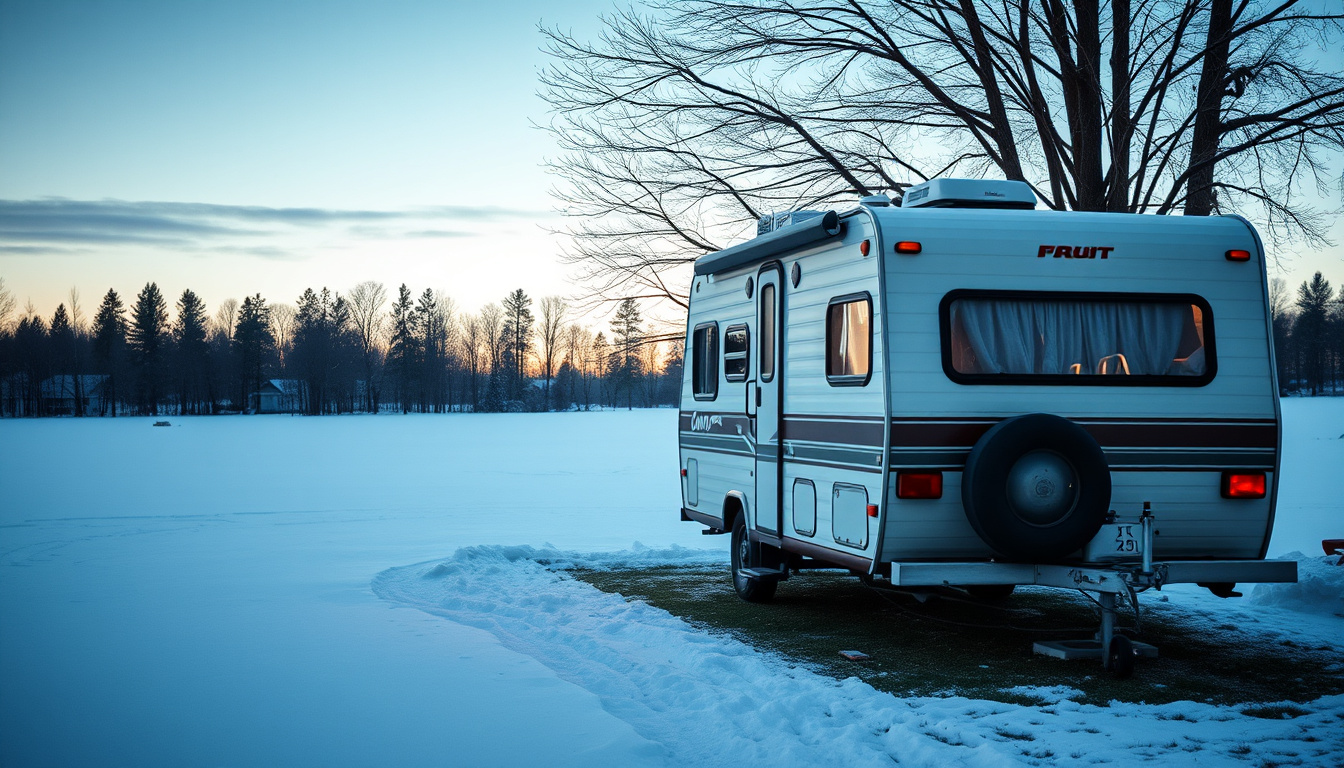
How To De-Winterize A Camper: A Step-By-Step 4-Part Guide
Spring arrives, and a camper that sat through freezing temperatures needs more than a quick rinse before the first trip. De-winterizing is the controlled process of removing antifreeze, restoring water flow, refilling the water heater, and verifying that waste, propane, and electrical systems still work safely. Skipping a step won’t just leave a chemical taste in the tap water — it can damage the water heater, crack seals, or create a propane hazard you don’t notice until you're miles from home.
The good news is that the entire process is logical and manageable. It typically takes two to three hours for a standard travel trailer or fifth wheel, a little longer for a motorhome with more fixtures. Work through the four parts below in order, and you'll catch small problems before they become expensive roadside failures. You can also read our guide on how to winterize a camper to live in.
In many ways, this is the camper equivalent of preparing any stored vessel for the season. The principles are the same: inspect, flush, test, and verify before you rely on the equipment.
What De-Winterizing a Camper Actually Means
De-winterizing reverses the fall winterization process. In the fall, most owners drain the fresh water tank and lines, blow out residual water with compressed air, and pump non-toxic RV antifreeze through every fixture. They also set the water heater bypass valve to isolate the tank, remove drain plugs, and sometimes add antifreeze to the P-traps and waste tanks. You can also read our guide on how to winterize a camper without antifreeze.
When you de-winterize, you:
- Flush every water line to remove antifreeze and trapped air
- Return the water heater bypass valve to normal operating position
- Refill and pressurize the water heater safely
- Close low-point drains and reinstall drain plugs
- Test the toilet, waste valves, and tank sensors
- Leak-check the propane system and test every appliance
- Confirm 12V and 120V electrical systems, batteries, and safety detectors
A common mistake is treating this as a single faucet test. Antifreeze hides in low loops, outside shower lines, and the water heater bypass circuit. You have to flush each fixture individually, on both hot and cold, until the water runs clear and steady for a full minute.
When to De-Winterize Your Camper
Aim to de-winterize after the last hard freeze in your region and at least a few days before your first planned trip. If you de-winterize too early and a late cold snap hits, you'll have to repeat parts of the process or risk freezing damage. If you wait until departure day, you won't have time to fix a leak or replace a failing detector.
For most of the United States, that means late March through early May, but mountain or northern climates may wait until late May or June. Check your local frost dates and give yourself a buffer weekend.
If your camper has been in covered storage and you only winterized with compressed air — no antifreeze — the flush step can be shorter. If you used RV antifreeze, budget extra time for the pink fluid to clear completely from every outlet.
Know Your Winterization Points Before You Start
Before you turn on a pump or open a valve, locate the components your RV manufacturer designed for winterizing. Each camper is slightly different, but these are the parts you'll interact with most often.
Water Heater Bypass Valve
Most modern campers have either a single three-way valve or a set of two or three valves behind the water heater. In winter mode, the valve or valves route water around the tank so you don't waste gallons of antifreeze filling it. In normal mode, water flows through the tank.
Look behind a removable panel or under a cabinet near the water heater. The valve handle often points in a specific direction labeled "Bypass" and "Normal." If you have two valves, both usually need to be rotated 90 degrees from their winter position. Take a photo with your phone before moving anything.
Low-Point Drains
These are capped pipes hanging below the underbelly, usually near the axle or at the rear. In fall, you remove the caps and open the valves to drain the lines. During de-winterization, you must reinstall the caps and close the valves before pressurizing the system. A missing cap causes the pump to run continuously and water to pour onto the ground.
Water Heater Drain Plug or Anode Rod
At the bottom of the water heater tank is either a plastic drain plug or a sacrificial anode rod. In winter, the plug is removed to drain the tank. Before refilling, it must be reinstalled with fresh pipe thread sealant or a new washer. If your heater uses an anode rod, inspect it now; a rod that's heavily pitted or less than about ¾ inch thick should be replaced to protect the tank from corrosion.
Pump Strainer and Filter
The water pump has a small clear strainer bowl with a mesh screen. If you drained it in fall, check that it's clean and properly seated. Cracks or a loose bowl let air in, causing the pump to lose prime and chatter.
Tools and Supplies You'll Need
Stage everything before you start. Most of these items are inexpensive and worth keeping in the camper's utility bay.
- Adjustable wrench and a set of screwdrivers
- Flashlight or headlamp
- Garden hose with a pressure regulator for city water hookup
- Clean rags and a bucket
- Non-toxic RV antifreeze test strips (optional, for confirming flush)
- Thread sealant tape or pipe dope for drain plugs
- Anode rod wrench if your water heater uses an anode rod
- Propane leak detection solution or a spray bottle of soapy water
- Bleach and a measuring cup for optional sanitation
- Your winterization checklist or photos from the fall
If you don't have a winterization checklist, make one now and keep a dated copy in the service log. Next fall, you'll know exactly where every plug and valve belongs.
Part 1: Flush and Restore the Fresh Water System
The goal in Part 1 is to remove all traces of antifreeze and trapped air from the cold and hot water lines. Work methodically from the fixture closest to the pump outward.
1. Refill the Fresh Water Tank
If your camper has an onboard fresh tank, fill it with clean, potable water. If you're connected to city water, install the pressure regulator on the spigot first, then turn on the supply. Using the onboard pump for the initial flush is often easier because it creates consistent pressure and lets you hear whether the pump is cycling correctly.
2. Purge Every Fixture Individually
Start with the cold water faucet nearest the water pump — usually the kitchen sink. Open it fully and let it run. At first you'll see pink antifreeze, then sputtering, then eventually a clear stream. Don't stop when it looks mostly clear; run it until the flow is smooth and steady for at least 60 seconds.
Then move through the remaining fixtures in order:
- Bathroom sink, cold then hot
- Shower head, cold then hot
- Toilet, cold only
- Outdoor shower or utility faucet, cold then hot
- Any other faucet, such as an ice maker line or wet bar
For each fixture, test both hot and cold separately, even if the water heater is still bypassed. Running the hot side when the bypass is active confirms the cold line to the fixture is clear; after you restore the heater in Part 2, you'll revisit the hot side to purge the tank.
 The stream should run smooth and clear, not pink or sputtering, before you move to the next fixture.
3. Listen to the Water Pump
As each faucet opens, the pump should run smoothly and shut off within a few seconds after you close the tap. Rapid chattering usually means air is still trapped in the lines or a fitting is loose. A pump that runs continuously with everything closed points to a leak — check fittings, valve seats, and the pump strainer bowl.
4. Reinstall Filters
Replace any inline water filter cartridge, including the one under the kitchen sink or in the wet bay. A filter that sat wet all winter can harbor bacteria and reduce flow. If you removed the cartridge during winterization, install a new one now.
5. Confirm Clear Water at Every Outlet, Then Consider Sanitizing
Once every fixture runs clear on both sides, the antifreeze is gone. However, clear water doesn't necessarily mean safe water if the camper sat for months. For long storage periods, sanitize the entire system using household bleach.
Mix ¼ cup of unscented household bleach per 15 gallons of water. Pour the solution into the fresh tank, fill the tank completely, then run each fixture until you smell bleach. Let it sit for at least 4 hours — overnight is better. Finally, drain the tank and flush every line with fresh water until the bleach odor is gone. The EPA’s drinking water guidance recommends following manufacturer instructions for sanitizing RV and vessel water systems.
Part 2: Refill the Water Heater, Restore Hot Water Flow, and Purge Air
The water heater is where many de-winterizing jobs go wrong. Firing the heater on an empty tank will burn out an electric element or damage the gas burner within minutes.
1. Return the Bypass Valve to Normal Mode
Open the water heater access panel and photograph the current valve positions. Then rotate the three-way valve or set of valves so water can flow into the tank. If you’re unsure, the valve handle typically points toward the line that connects to the tank in normal mode, or a label on the panel shows the correct orientation.
2. Close the Drain Plug or Reinstall the Anode Rod
At the bottom of the tank, reinstall the drain plug or anode rod using fresh thread sealant or a new rubber washer. Tighten it snugly but don't overtighten plastic threads — they strip easily.
3. Fill the Tank Before Turning On Heat
With the bypass valve in normal position and the drain plug closed:
- Open a hot water faucet inside the camper.
- Turn on the water pump or city water supply.
- Let the water run until the stream is steady and free of air bubbles. This can take a minute or two for a 6- to 10-gallon tank.
- Leave the hot faucet open for another 30 seconds after the stream looks full to ensure all air has escaped.
Only after you see steady, air-free hot water should you switch on the water heater's electric or propane mode.
4. Test the Water Heater
Turn on the water heater and set your desired temperature. With propane, listen for the burner to ignite and stay lit. With electric, the water should warm within 20 to 30 minutes. If the heater cycles off quickly or fails to light, check the propane supply, the electrode gap, and the control board error codes.
5. Check Low-Point Drains
With the system pressurized, briefly open each low-point drain and let water flow, then close it tightly. Water should stream out cleanly, and the caps should seal without dripping. If pink antifreeze appears from a low-point drain after you flushed all fixtures, you missed an outlet — go back and re-run every tap, including the outside shower.
6. Clear Trapped Air in Individual Lines
If one faucet still sputters while all others are fine, an air pocket is trapped in that branch. Turn off the pump, open the affected faucet to release pressure, wait 30 seconds, close it, then turn the pump back on and reopen the faucet. This reset usually forces the pocket out.
Part 3: Restore Waste and Sanitation Systems
The fresh water side can look perfect while the waste side hides dried seals, stuck valves, or a blocked vent. Spend real time here.
Test the Toilet Seal and Flush Mechanism
Flush the toilet several times and watch the blade or ball valve open and close smoothly. Add water to the bowl and let it sit for 10 minutes. The water level should stay constant; a dropping level means the seal is dry, cracked, or improperly seated.
Inspect the base flange for cracks or movement. A toilet that rocks slightly when you sit indicates loose flange bolts, which will eventually cause a waste leak onto the floor.
 A healthy toilet seal holds water in the bowl without draining, confirming the gasket is seated tightly.
Flush and Inspect the Waste Tanks
If you added antifreeze to the black or gray tanks in fall, drain them now at a dump station or appropriate sewer connection. Then add several gallons of fresh water to the black tank through the toilet and use the tank sprayer or a wand to rinse the interior. Check the tank level sensors on the control panel — a sensor that reads full all the time may have buildup or a loose wire.
For a deeper routine that removes stubborn residue and keeps sensors accurate, review the steps for maintaining your camper’s black tank. If you’re unsure when the tank was last cleaned thoroughly, follow a full cleaning the black tank on a camper procedure before your first trip.
Exercise the Dump Valves
Open and close each gray and black tank dump valve several times. They should move freely and fully seat when closed. Sticking or grinding indicates the seals need lubrication or the cable or rod needs adjustment. A valve that doesn't fully close will leak at the dump connection, and you'll notice it immediately when you remove the cap.
Address Odors
A persistent sewer smell after de-winterizing usually comes from one of three places: a dry or cracked toilet seal, a blocked roof vent, or residue inside the tank. Reseat the toilet seal, check the vent stack for bird nests or debris, and add a dedicated RV tank treatment product to break down remaining waste. Never use household drain cleaners in an RV waste system.
Part 4: Check Propane, Electrical, and Safety Systems
The final part covers the systems that keep you warm, fed, and safe. It deserves as much care as the water side.
Leak-Check the Propane System
Apply a commercial leak detection solution — or a mix of dish soap and water — to every accessible propane fitting from the tank regulator to each appliance. Open the tank valve fully, then brush or spray the solution on all connections, watching for at least 30 seconds at each spot. Continuous bubbles mean a leak.
If you find one, close the tank valve immediately, tighten the threaded connection if possible, or replace the hose or fitting. Never use an open flame to search for leaks. The NFPA sets the safety standard for propane handling and is a good reference if you're unsure about a connection.
Test Appliances One at a Time
With the propane system leak-free, test each appliance individually so a problem in one doesn't mask another.
| Appliance | What to Check |
|---|---|
| Stove top | Flame is blue and steady, not yellow or flickering |
| Furnace | Ignites within a few seconds, runs without short-cycling |
| Refrigerator (if propane) | Lights and holds temperature on gas mode |
| Water heater | Already tested in Part 2; confirm it still runs on propane |
| Outdoor grill or cooktop | Ignites and burns cleanly |
If the furnace bounces off its flame sensor or the stove flame is lazy and yellow, clean the burner or have the propane pressure checked before your trip.
Inspect and Test CO and Propane Detectors
Press the test button on every carbon monoxide and propane detector. You should hear a loud, clear alarm. If the detector is more than five years old, replace it — the sensors degrade over time and a silent expired unit provides no protection.
Check mounting locations. CO alarms should be near sleeping areas, typically at head height or as specified by the manufacturer. A detector tucked behind a curtain or near a return air vent may not respond quickly enough in a real event.
Verify 12V and 120V Systems
Turn on all interior lights, run the water pump briefly, and check the control panel displays. Plug into shore power and confirm the air conditioner, microwave, and outlets work. Allow the converter to bring the house battery to a full charge.
If the battery sat discharged through winter, it may have sulfated and lost capacity. Load-test any battery older than four years at an auto parts store, and replace it if it fails. A weak battery can damage the converter and leave you stranded on the first evening.
Common De-Winterizing Mistakes and How to Avoid Them
Forgetting a Winter Plug or Bypass Valve
A water heater bypass left in winter mode means the hot side never fills — you'll get a dribble of warm water and a pump that cycles erratically. A low-point drain cap left off floods the ground and prevents pressure buildup.
Fix: Keep a dated photo log or checklist from the winterization. Confirm each valve and plug position before you introduce water.
Stopping at the First Clear Faucet
The kitchen tap may run clear in 30 seconds, but antifreeze can sit in a low loop feeding the outside shower or bathroom sink. That pink burst appears a week later on your first trip.
Fix: Run every fixture, hot and cold, for a full minute after the water looks clear. That's the only reliable confirmation.
Turning On the Water Heater on an Empty Tank
An empty electric element burns out in seconds; an empty gas tank can warp the heat exchanger. This is one of the most expensive de-winterizing errors.
Fix: Always fill the tank and confirm steady hot water flow at a faucet before applying power or gas.
Skipping Sanitation After Long Storage
Clear doesn't equal clean. Water that sat stagnant in a tank for months can grow bacteria even without antifreeze.
Fix: When in doubt, do a bleach sanitization and full flush. It takes a few hours but eliminates a health risk.
Ignoring the Waste Side
Owners often focus on fresh water and forget the black tank, toilet seal, and dump valves until the first odor appears.
Fix: Include Part 3 as a mandatory step, not an optional one. A dry seal or stuck valve is cheap to fix now and unpleasant to discover later.
Quick Verification Checklist
Run through this final checklist before you hook up and drive away. It takes about 20 minutes and confirms every critical system is ready.
- All winter plugs removed; all valves in operating position
- Both hot and cold lines purged of air and antifreeze at every fixture
- Water pump primes and shuts off when faucets close
- Fresh tank filled with clean water; filter cartridge installed
- No leaks at any fitting, cabinet, or underbelly
- Water heater full, producing hot water, no bypass leakage
- Low-point drains sealed and drip-free
- Toilet flushes smoothly and holds water in the bowl
- Black and gray tanks drained; dump valves move freely and close completely
- Propane fittings pass leak test; stove, furnace, refrigerator, and water heater run cleanly
- CO and propane detectors pass self-test and are within service life
- 12V and 120V systems work; house battery charged and load-tested if over four years old
Print or screenshot this list, check off each item, and date it in your camper's service log. Next spring, you'll have a reference point and a faster start.
FAQ: De-Winterizing a Camper
What is de-winterizing a camper?
De-winterizing is the process of removing RV antifreeze, refilling the fresh water tank and water heater, returning all bypass valves and drains to normal operating position, and verifying that the waste, propane, and electrical systems work safely after winter storage.
How long does it take to de-winterize a camper?
A straightforward travel trailer takes about two hours. A larger unit with multiple faucets, outside shower, ice maker, and several propane appliances can take three hours or more. The first time you do it, budget extra time to locate every valve and drain.
Should I sanitize my camper water system every spring?
Sanitizing with a diluted bleach solution is recommended after any storage period longer than a couple of months, or whenever you notice an odor, cloudiness, or unusual taste. It's a simple, low-cost step that protects drinking water quality.
What should I do if my water heater won’t fill?
First, confirm the bypass valve is in normal mode, not winter bypass. Second, verify the drain plug or anode rod is installed and tight. Third, open a hot water faucet and run the pump to bleed air from the tank. If water still doesn't flow from the hot side, check for kinks or blockages in the lines between the pump and heater inlet.
Can I de-winterize with city water only?
Yes, but using the onboard pump for the initial flush makes it easier to hear leaks, pump cycling, and air pockets. You can switch to city water afterward for the final verification. In either case, use a pressure regulator.
What if I still taste antifreeze after flushing?
A lingering sweet taste means a fixture was missed. Go back and run every outlet on both hot and cold for a full minute, including outside showers and low-point drains. Then consider a full bleach sanitization and flush.
Conclusion
De-winterizing is more than turning on a faucet. It's a systematic spring commissioning that protects your camper's plumbing, water heater, waste system, and safety equipment. Working through the four parts — fresh water flush, water heater refill, waste restoration, and system verification — catches small problems while they're still cheap and easy to fix.
The best approach is to set aside a dedicated afternoon, work through this guide in order, and use the checklist as your final gate. Before you plan your first big loop, also make sure the vehicle doing the towing is in dependable shape; if you're shopping, check out these reliable road trip cars under $10k. And if you noticed any dampness or stains during your inspection, tackle that leaking camper roof before it becomes a bigger repair.
When you arrive at the campsite, turn on the kitchen tap, and get a smooth, clear stream of hot and cold water, the extra hour of preparation will feel completely worth it.