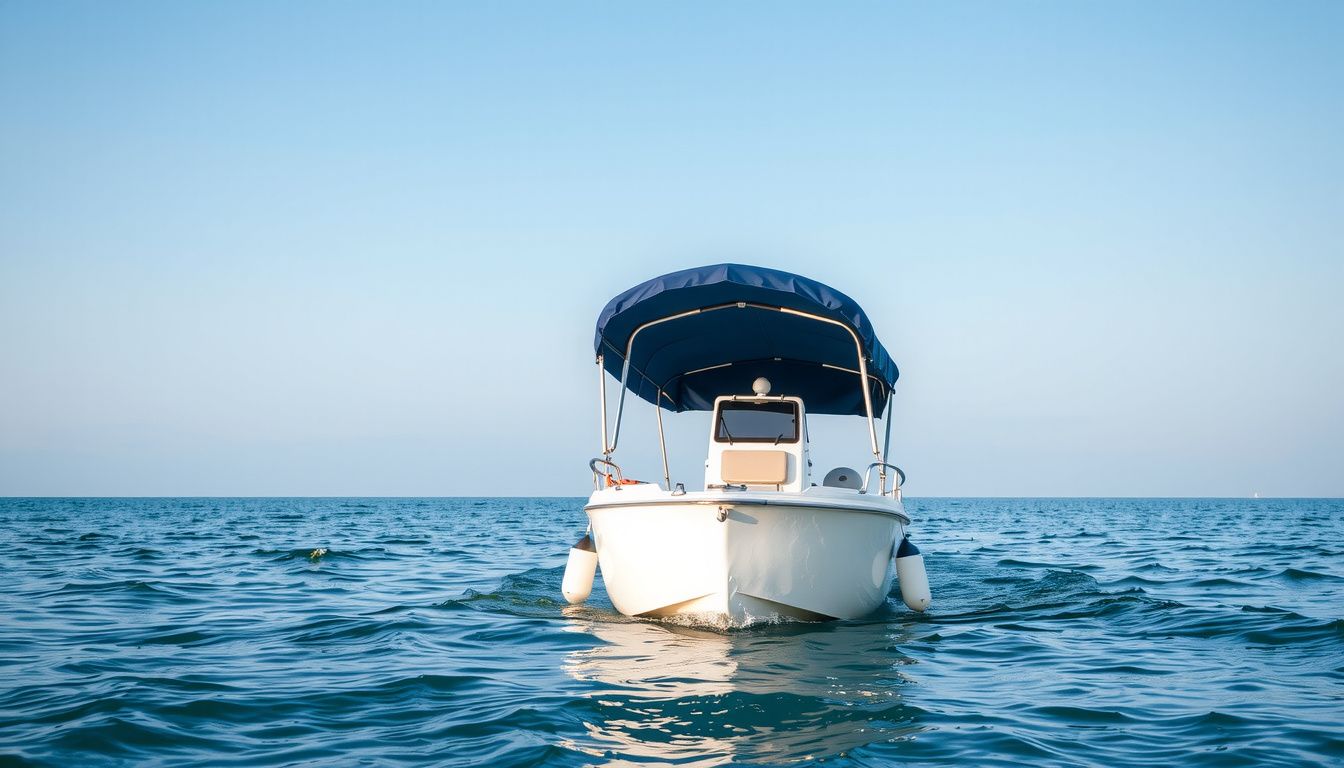
How to Launch a Boat Safely at a Public Ramp
Most ramp-day chaos does not start with bad driving. It starts with a boater treating the launch as one quick step: back down, float off, go. In practice, that shortcut causes blocked lanes, damaged bunks, flooded bilges, and boats drifting away before the driver is ready.
A safe launch is a repeatable sequence. Prep away from the ramp, keep the boat under control at the waterline, and clear the lane quickly without rushing. Speed matters less than predictable communication among the driver, line handlers, and anyone waiting behind the trailer.
If you are still choosing a hull, look for a trailerable pontoon that handles public launch lanes well before you build your routine.
Why a Repeatable Launch Sequence Beats “Fast”
Public ramps are shared work zones. There are wet concrete surfaces, blind spots behind the tow vehicle, crosswinds, current, dock cleats, and strangers with different experience levels. When someone skips a step, the whole line pays for it.
A repeatable sequence does two things. First, it removes decisions under pressure. You already know when the drain plug goes in, when the straps come off, and who holds the bow line. Second, it reduces the chance of a serious mistake: a boat sliding off the trailer on the ramp, a winch hook under tension, or an unsecured boat drifting into another lane.
Experienced operators do not try to be the fastest person on the ramp. They try to be the most predictable. That means staging in the lot, using clear hand signals, and never unhooking the winch strap until the boat is supported by water.
Pre-Launch Checklist: Do This Before You Get in Line
Most launch failures are visible in the staging area long before the trailer reaches the water. The goal is to handle every preparation step before you occupy the ramp lane.
- Install the drain plug and keep a spare plug plus a small wrench in the tow vehicle.
- Remove transom straps, travel covers, and any trailer support brackets that could interfere with launch.
- Load gear into the boat while it is still on flat ground, keeping heavy items low and centered.
- Connect the bow and stern lines, then coil them so they will not tangle or fall overboard.
- Confirm the battery switch is on, fuel is present, and the engine starts briefly on a hose if appropriate.
- Verify personal flotation devices for every passenger, and have children or weak swimmers wear them early.
- Check wind direction, ramp slope, and current before backing down.
The U.S. Coast Guard’s boating safety guidance includes engine cut-off switch requirements for many recreational boats. If your boat has a kill-switch lanyard, clip it on before the engine starts.
A common mistake is leaving the boat strapped to the trailer and trying to “float it off” anyway. That delays everyone and can damage bunks or hardware. Remove tie-downs in the prep area, but leave the winch strap and safety chain connected until the boat is actually in the water.
Assign Roles Before You Reach the Ramp
Every crew member should know their job before the tow vehicle shifts into reverse. Even two people can launch calmly if roles are clear.
- Driver: Backs the trailer down, sets the parking brake, parks the tow vehicle after the boat floats, and returns to the boat.
- Line handler: Controls the bow line from the dock or ramp edge, keeps the boat from drifting, and holds it at the courtesy dock.
- Stern handler or extra helper: Manages the stern line, fends off the dock, and watches for traffic or submerged obstacles.
Communication should be short and visual. Agree on signals for “stop,” “back up,” “pull forward,” and “released.” Shouting over wind and engine noise creates confusion.
If you are new to throttle, steering, or docking behavior, spend time practicing low-speed boat handling on a quiet weekday before attempting a crowded Saturday launch. Low-speed control matters more than top-end confidence at the ramp.
Stage the Boat Away from the Ramp
The staging area is where you win back time. Pull into a flat spot out of traffic, set the parking brake, and work from stern to bow without stepping into moving lanes.
- Remove stern and transom tie-downs.
- Install or recheck the drain plug.
- Disconnect trailer lights if they are not sealed and the plugs may sit underwater.
- Load coolers, bags, and safety gear into reachable spots.
- Attach bow and stern lines and route them outside rails and cleats.
- Hang fenders on the dock side at midship height.

Staging the boat in the prep area keeps the ramp lane clear for launching only.
Leave the winch strap and safety chain attached until the hull is supported by water. A premature release on a steep ramp or slick bunk can send the boat sliding onto concrete. Do a final walk-around: lights unplugged, tie-downs removed, plug installed, gear secured, and wet deck carpet free of line snags if someone has already been walking through.
If an aluminum hull touches the ramp or a dock, minor scratches can lead to corrosion later. Touching up damage with the right aluminum hull paint after the trip helps prevent that.
Back Down the Ramp with Control
Alignment starts before the tires touch the slope. Square the tow vehicle to the lane, straighten the wheel, and make small corrections early. Late steering inputs exaggerate trailer swing and can push you out of the lane.
- Use mirrors to watch trailer fenders and lane edges, not your shoulders through the rear window.
- Place your hand low on the wheel. Moving the bottom of the wheel left sends the trailer left.
- If the trailer begins to jackknife, stop, pull forward to straighten, and reset.
- Select a low gear or tow/haul mode and idle backward. Avoid hard braking, which can cause wheel slip on algae-covered ramps.
Trailer depth depends on ramp slope, hull design, and water conditions.
| Ramp Condition | What to Do | Why |
|---|---|---|
| Shallow slope | Back in deeper until the hull can float, but keep rear tires on firm ground. | Prevents dragging the keel or forcing the boat off the bunks. |
| Steep ramp | Use less immersion; stop when the rear bunks are wet and the boat begins to lighten. | Prevents the boat floating off before you are ready. |
| Crosswind or current | Keep the trailer slightly up-current or into the wind, if safe. | Helps the boat settle toward the dock side instead of swinging away. |
Check the National Weather Service marine forecast before you leave. At many ramps, wind direction matters more than wind speed because a steady crosswind can push the bow into the neighboring lane.
Float the Boat Off and Secure It Quickly
The release should be controlled, not sudden. Keep one person in charge of the steps, and make sure nobody stands between the boat and the dock or directly behind the trailer.
- Confirm the drain plug is in and line handlers are ready.
- Remove the safety chain while keeping the winch strap tensioned.
- Back the boat off gently or let it float free, then release the winch hook only when water supports the hull.
- Control the boat with a short bow line, and use the stern line to counter wind or current.

A bow line handler controls the boat as it floats free from the trailer.
If the boat will not float, do not force it with throttle. Recheck trailer depth, bunk position, and whether the bow is still pinned against the bow stop. Once clear, start the engine only after it is in the water. Verify neutral, start the motor, and watch for a steady cooling-water stream. Then idle away from the ramp instead of accelerating.
If the engine will not start, use the lines to move the boat to the courtesy dock and clear the lane. Troubleshoot there, not in the launch lane.
When the day ends, rinsing salt and ramp grime from the hull by using fresh water and a mild wash helps protect the boat long after a public-ramp launch.
Park the Tow Vehicle and Clear the Lane
The launch is not finished when the boat floats. It is finished when the ramp lane is free for the next user and the boat is genuinely ready to depart.
Park the tow vehicle in the designated lot, not on the ramp shoulder or in the turnaround. Before walking away, check that windows are up, lights are off, the trailer plug is stowed, and valuables are out of sight. If the ramp is busy, leave one person with the boat while the driver parks.
At the boat, run a short readiness check:
- Start the motor briefly and confirm the telltale stream is steady.
- Turn the steering lock-to-lock, and test forward and reverse engagement at idle.
- Verify the kill-switch lanyard is attached.
- Count life jackets and confirm the fire extinguisher is accessible.
- Stow dock lines so they cannot reach the prop.
- Confirm the bilge pump operates if water has entered the hull.
Keep the outdrive or outboard trimmed up until you are clear of shallow water, then trim down gradually once depth is confirmed.
Solo Launching: A Calm Alternative Without a Crowd
Launching alone is slower, but it can be safe if you prepare more before entering the lane.
- Pre-rig long bow and stern lines that reach the dock cleats from the trailer.
- Back down the ramp with the driver’s window open so you can hear the trailer tires and water.
- Once the boat floats, secure a line to the dock before fully releasing the winch hook.
- Use the dock line to hold the boat while you park the tow vehicle.
- Walk, do not run, back to the boat.
In practice, solo boaters should choose a quiet ramp or an off-peak time. A stressful solo launch on a busy weekend is a common source of ramp conflict.
Ramp Etiquette and Mistakes That Cause Fights
Etiquette is part of safety. A crowded ramp punishes every delay, but it punishes unpredictable behavior even more.
- Use the staging area for all preparation. The ramp lane is for launching only.
- Wait your turn, and do not block the courtesy dock.
- Keep voices calm and instructions short.
- Do not power-load aggressively, which can scour the ramp base and damage concrete.
- If you make a mistake, pull forward and reset when it is safe rather than forcing the launch.
A frequent mistake is leaving fenders deployed after departure. Fenders can catch on cleats, drag in the water, and become a distraction. Stow them once the boat is clear of the dock.
Another common error is forgetting the drain plug, discovering it only after the boat is in the water, and then clogging the ramp by pulling forward to fix it. A 30-second plug check in the lot prevents the entire problem.
Conclusion
A safe public-ramp launch comes from routine, not reaction. Prepare away from traffic, assign clear roles, back down slowly, release the boat only when it is supported by water, and park the tow vehicle immediately. That sequence keeps you, your crew, and the people behind you moving without drama.
Your next step is simple: run a dry practice in your driveway or a quiet staging lot. Walk through the checklist, set the lines, and rehearse the hand signals. Five minutes of practice before ramp day will prevent the most common launch delays. If you are still learning the basics of boat ownership, start with choosing a forgiving first boat for coastal launches and build from there.
Frequently Asked Questions
Do I need to remove the transom straps before backing down?
Yes. Remove transom straps and travel covers in the staging area before the trailer reaches the water. Leave the winch strap and safety chain connected until the boat is supported by water. This prevents a premature slide on steep ramps while avoiding the delay of climbing onto the trailer at the waterline.
How deep should the trailer be in the water?
There is no universal depth. On most ramps, back in until the rear bunks or rollers are wet and the boat starts to lighten. Steeper ramps need less immersion; shallow ramps may need more. Keep the tow vehicle’s rear tires on firm ground and release only when the hull is floating.
Can I launch a boat by myself?
Yes, but only with careful preparation and a quiet ramp. Pre-rig long dock lines, open the driver’s window, secure a line to the dock as soon as the boat floats, and park the tow vehicle without leaving the boat uncontrolled. Avoid solo launches on busy weekends unless you have a well-practiced routine.
What should I do if the engine will not start at the ramp?
Do not block the lane. Use the bow and stern lines to move the boat to the courtesy dock or a clear section of the ramp. Once secured, check the battery switch, fuel, safety lanyard, and shift position. Troubleshoot away from traffic so other boaters can continue launching.
Is a kill switch required when launching?
Federal regulations require operators of many recreational boats under 26 feet to use an installed engine cut-off switch when operating on plane or above displacement speed. At launch speeds it may not be legally triggered, but clipping the lanyard before the engine starts is a simple safety habit.
Why do boaters get angry at public ramps?
Most ramp anger comes from preventable delays: prepping in the launch lane, forgetting the drain plug, blocking the courtesy dock, or parking in the turnaround. Staging away from the ramp and following a set sequence removes the behaviors that create conflict.